



Cybersecurity Threats in May 2026: Japan Faces Significant Increases
Cybersecurity Threats in May 2026
In an alarming report released by Check Point Research, the global increase in cyber threats has been closely analyzed, presenting pressing concerns particularly for Japan. The report indicates that May 2026 saw a staggering 62% increase in cyber attacks in Japan year-over-year, making it the highest among the nine Asia-Pacific countries surveyed.
Global Cyber Attack Trends
During May 2026, organizations around the world were reportedly subjected to an average of 2,055 cyber attacks per week, which was a 2% increase compared to the previous year. However, in contrast to the preceding month, a 7% decrease in attacks was recorded. This suggests that while the immediate threat may seem to be subsiding, the global threat landscape remains turbulent, particularly with the expanding risks associated with ransomware and generative AI-related threats.
Japan's Daunting Cybersecurity Landscape
Japan recorded an average of 1,869 cyber attacks per organization in May 2026. This figure, while lower than the average of 2,048 weekly attacks reported in April, still represents a significant escalation compared to the previous year's data. Omer Dembinsky, the Data Research Manager at Check Point Research, emphasized that such a decrease in weekly attacks does not necessarily correspond to a decreased risk level. Rather, it may indicate shifts in the timing and methods employed by cybercriminals, who are continually adapting their tactics. The rise in ransomware incidents and the growing integration of generative AI into various sectors call for businesses to prioritize AI-driven security measures focused on prevention.
Targeted Industries and Rising Risks
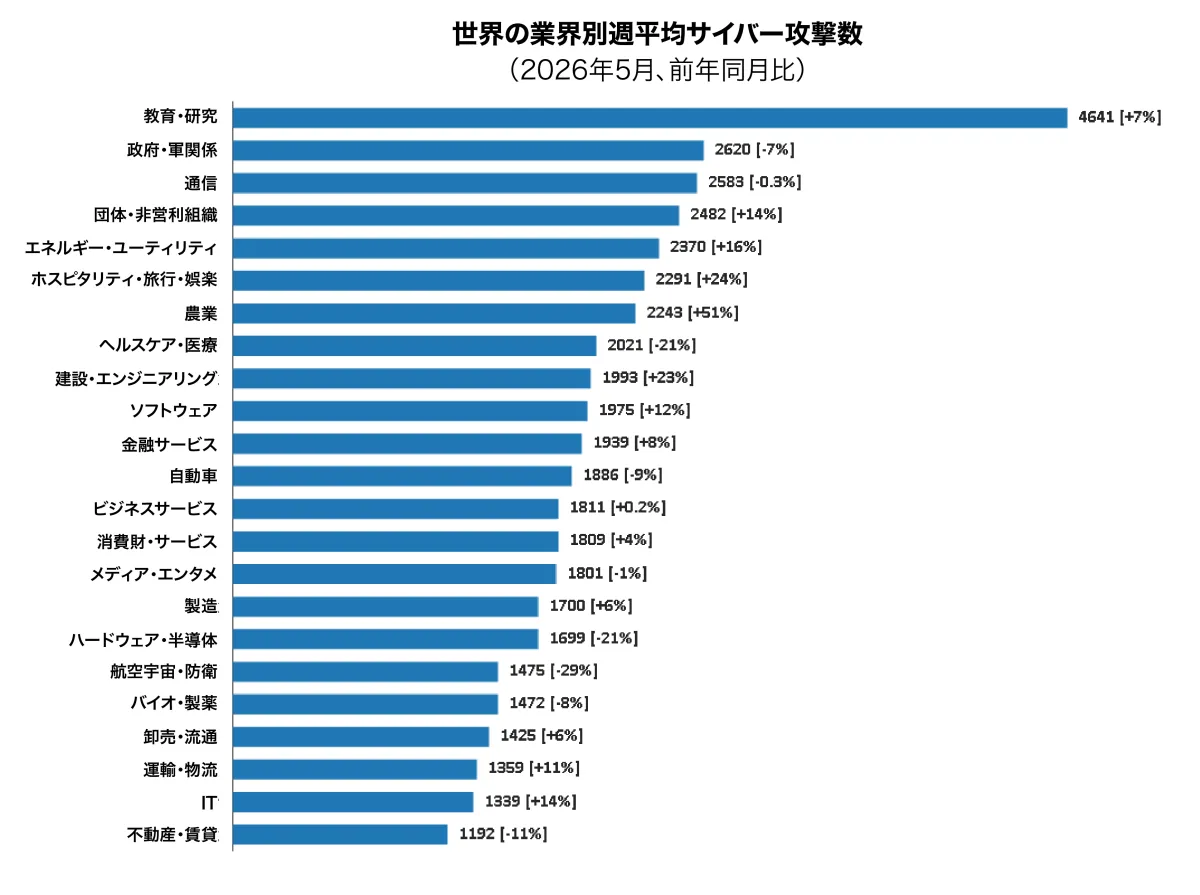
The education sector has remained the most frequently targeted, experiencing an average of 4,641 attacks per organization weekly, marking a 7% increase from the previous year. Due to their vast and open user environments, educational institutions are often viewed as attractive targets for threat actors. Following education, the government and military sectors faced an average of 2,620 attacks, while the telecommunications industry suffered about 2,583 attacks weekly. Moreover, there has been a noticeable increase in attacks directed at sectors such as agriculture, hospitality, and construction, demonstrating the expanding scope of cyber threats as digital transformation accelerates across industries.
Regional Threats and Activity
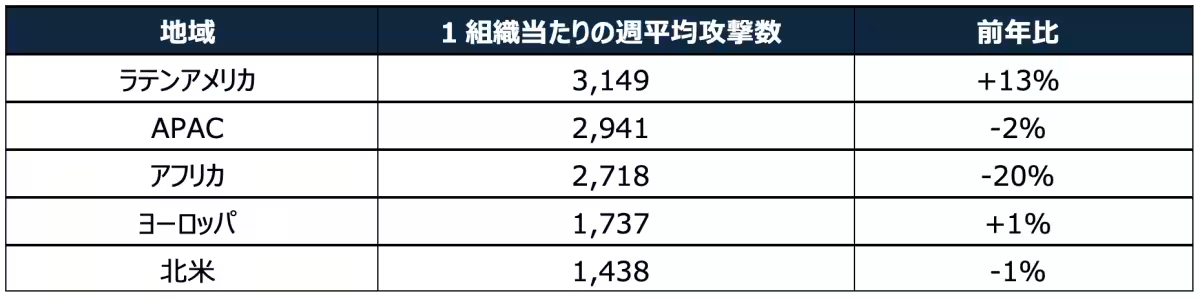
Regionally, Latin America has been flagged as the most targeted area globally, with an average of 3,149 attacks per organization in a week, representing a 13% annual increase. The rapid advancement of digitalization coupled with varying levels of security maturity have kept the entire region in the crosshairs of cyber criminals. In Africa, while the threat activity decreased by 20% from the previous year, the level of attacks remains notably high, solidifying its position as one of the most targeted regions worldwide. Conversely, during May, although there was a notable decrease in attack trends across various regions, the level of cyber activity remains disturbingly vibrant.
Generative AI and Emerging Risks
Despite a slight reduction in overall attack volumes, risks related to generative AI continue to present unique challenges. In May 2026, it was identified that one in every twenty-five prompts generated by companies included high-risk content that could lead to data leakage. Astonishingly, around 91% of organizations that make consistent use of generative AI tools are at potential risk for exposure. Notably, 22% of these prompts contained information that could include sensitive data. On average, each organization utilizes about nine different generative AI tools, with typical users generating about 70 prompts monthly, underscoring the urgent need for comprehensive governance and security frameworks to handle this technology's rapid adoption.
Escalation of Ransomware Activities
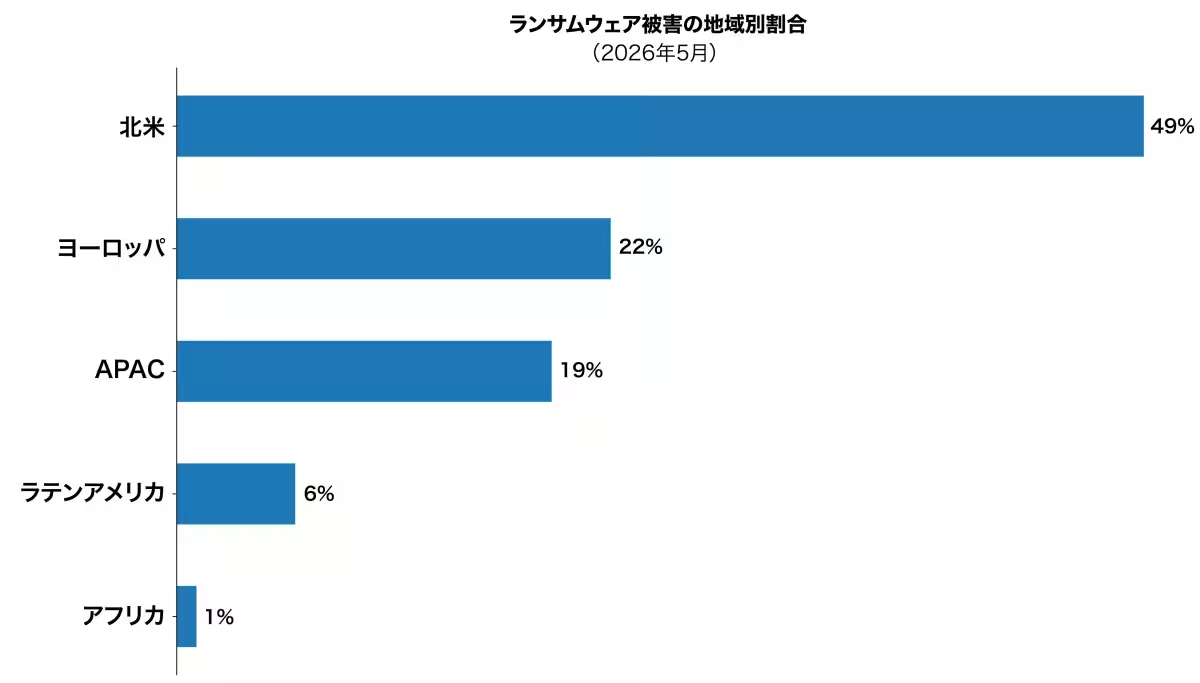
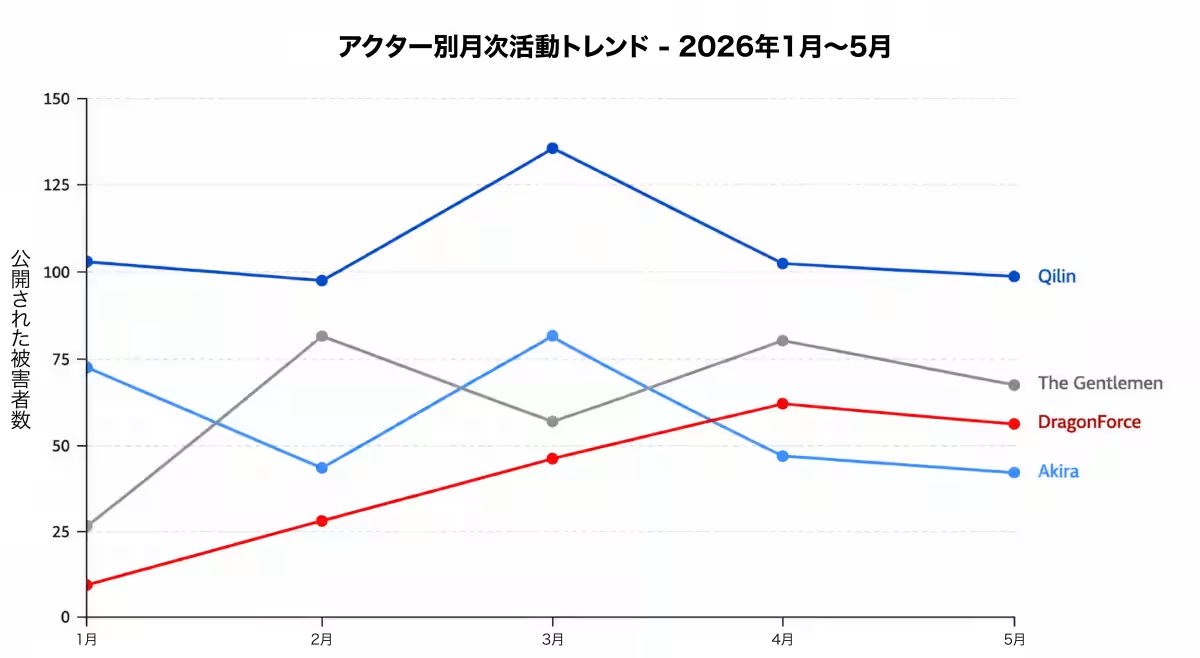
May 2026 recorded a total of 698 ransomware attacks, a frightening 48% increase from the previous year and the most significant rise observed this year. North America accounted for 49% of these incidents, followed by Europe at 22% and APAC at 19%, where the number of reported instances has more than doubled compared to the prior year. The ransomware ecosystem continues to expand, led by a few active groups, including Qilin and DragonForce, even as smaller groups emerge to contribute to the growing threats across various industries.
The Path Forward
As the cybersecurity landscape evolves, organizations must remain vigilant and proactive. They need to integrate preventative AI-driven security strategies to stay ahead of threats and ensure that their defenses continue to adapt against the ever-changing tactics employed by cyber attackers. The situation underscores a critical need for continuous investment in cybersecurity measures and awareness amidst a daunting and complex threat environment.
Topics Other)

【About Using Articles】
You can freely use the title and article content by linking to the page where the article is posted.
※ Images cannot be used.
【About Links】
Links are free to use.