



Understanding Quality Control in Food Safety Through Microbial Research at Tokyo University of Agriculture
Special Lecture Report from Tokyo University of Agriculture
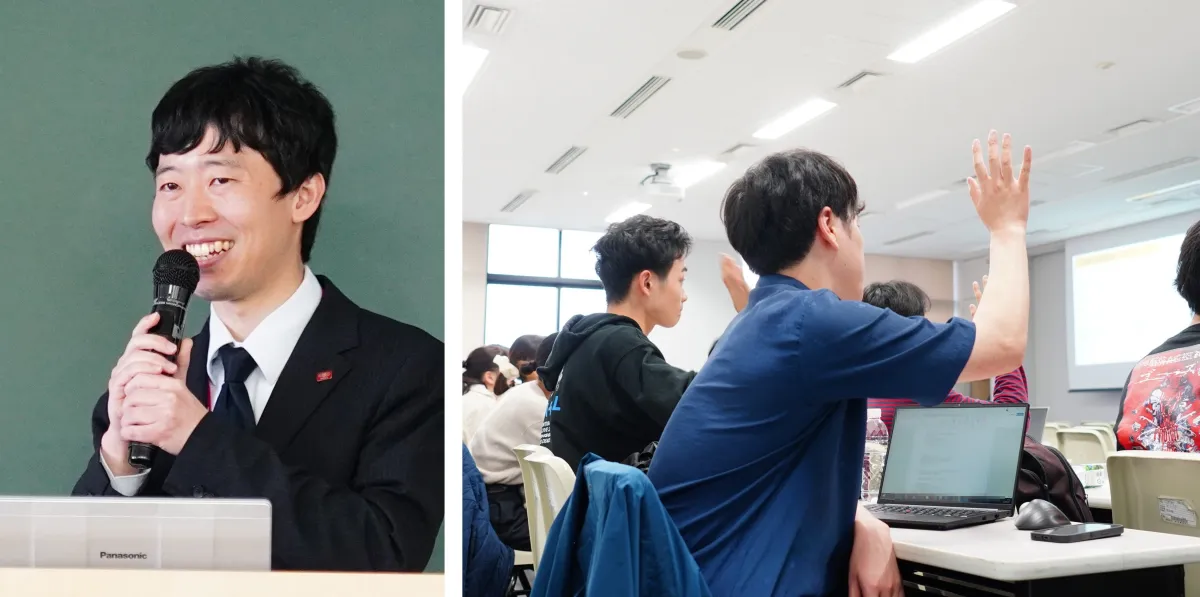
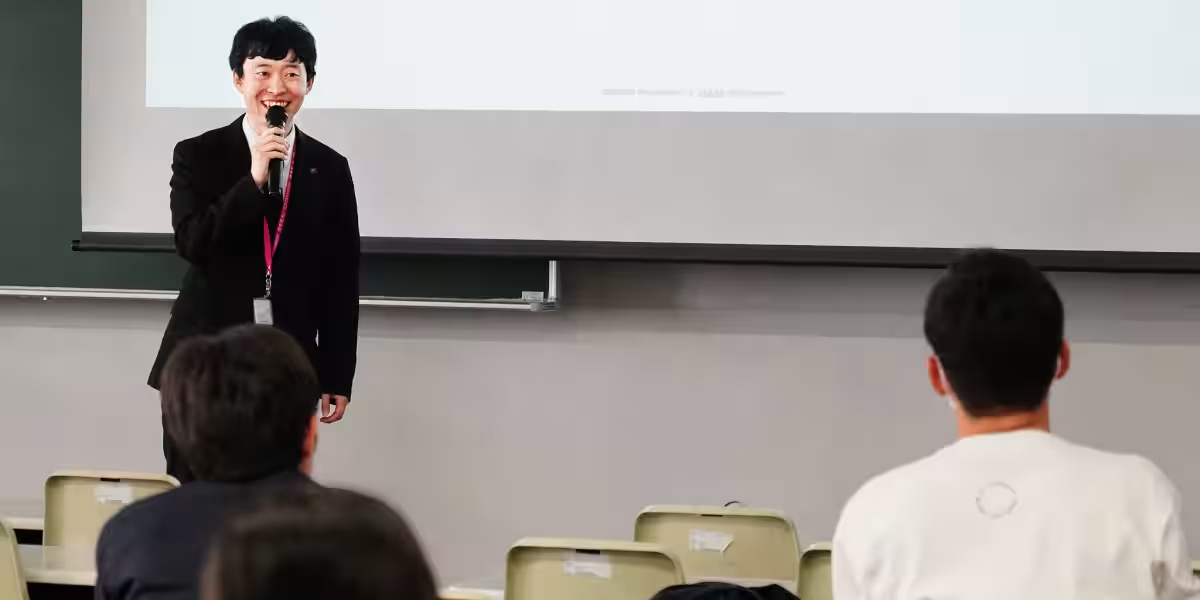
Kenko Mayo Co., Ltd., based in Chiyoda, Tokyo, recently conducted a special lecture on May 22 to enhance students' understanding of food safety through microbial research. This session was aimed at approximately 40 graduate students majoring in molecular microbiology, shedding light on how the food industry manages microbial challenges and incorporates them into quality control practices.
A Focus on Hygiene Management in Food Production
During the lecture, the importance of hygiene management was emphasized, especially given the varied product lines and factory environments within the company. The team explained the implementation of the three core principles of food poisoning prevention, framing this within the context of HACCP (Hazard Analysis Critical Control Point). This system focuses on identifying critical control points in the manufacturing process that require stringent oversight to mitigate risks effectively.
An engaging component of the lecture was the discussion on 'Hurdle Technology.' This refers to the combined use of multiple preventive measures to control microbial growth, tailored specifically for different product characteristics. This multifaceted approach is crucial for maintaining high safety standards across various food items.
Differentiating Between Spoilage and Pathogenic Bacteria
In the middle segment of the lecture, the distinction between spoilage bacteria and pathogenic bacteria was elaborated upon. The speaker highlighted the grave consequences of food poisoning incidents, asserting the imperative for manufacturers to prevent any such occurrences. Conversely, spoilage bacteria, while less dangerous, still represent significant risks to product quality alongside specific examples of each type of bacteria being presented.
Risk Assessment and Verification for Food Safety
Concluding the lecture, the focus shifted to risk assessment processes. The students were introduced to the concept of identifying the most dangerous microorganisms relevant to each product, understanding the specifications and processing conditions necessary to ensure their effectiveness. During development, actual tests are conducted by inoculating products with indicator bacteria to ensure safety. This data-driven approach informs the product design process.
The paramount takeaway was the understanding that food safety should not merely be a final inspection point but should be integrated into the design and manufacturing stages to foster scientifically robust production practices.
Engaging and Interactive Learning Experience
Throughout the lecture, a dynamic dialogue unfolded between the students and the speaker, underscoring the interactive nature of the session. Feedback from the students reflected their active engagement, with comments such as, "It was fascinating to learn about a familiar topic related to food," and, "It was enlightening to comprehend how the food we consume is managed for microbial safety." Their eagerness to participate in discussions and ask questions showcased their genuine interest and positive attitudes towards the subject matter.
Kenko Mayo Co., Ltd. is committed to nurturing the next generation of specialists through collaborations with educational institutions. The company continues to uphold rigorous quality assurance and quality control standards to consistently provide safe, trustworthy products.
Details of the Special Lecture
- - Date: May 22 (Friday) from 4:20 PM to 5:50 PM
- - Location: Tokyo University of Agriculture, Setagaya Campus (1-1-1 Sakuragaoka, Setagaya, Tokyo)
- - Target Audience: First-year students of the Master's Program in Molecular Microbiology, Graduate School of Life Sciences
For more information, you can visit Kenko Mayo's official website here.
Topics Health)

【About Using Articles】
You can freely use the title and article content by linking to the page where the article is posted.
※ Images cannot be used.
【About Links】
Links are free to use.