



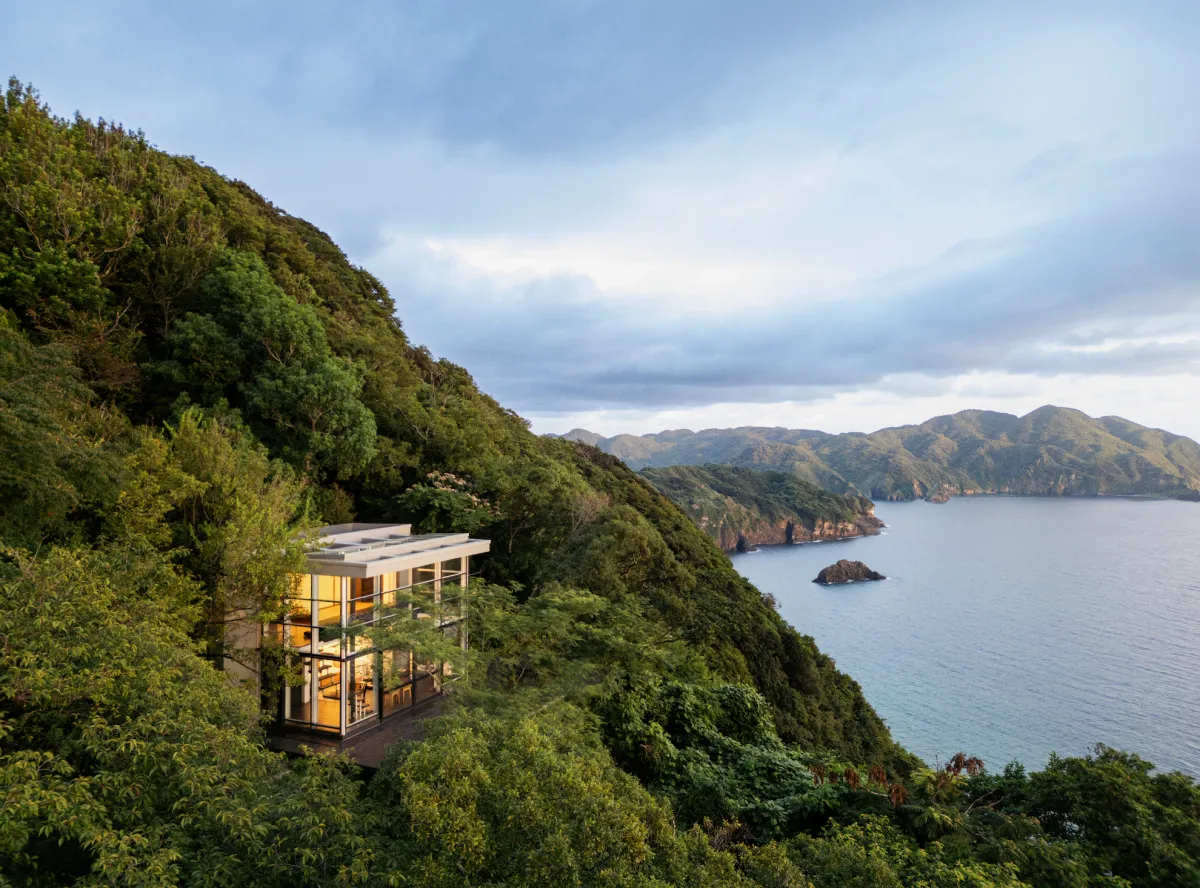
Airbnb Japan Reveals Insights on Rural Tourism Trends Among Travelers
The Rise of Rural Tourism in Japan
Airbnb Japan has published an enlightening report on rural tourism titled "Rural Tourism Survey Report," detailing the shifting preferences of Japanese travelers. In a landscape where exploration used to center around major urban areas and well-known landmarks, a notable 85% of travelers expressed interest in venturing into lesser-known regions, illustrating a desire for more immersive experiences. The report indicates that over the past year, 96% of leisure trips taken by Japanese citizens were within the country.
Key Insights from the Report
According to the research conducted by Macromill, which surveyed 1,034 Japanese travelers aged between 18 and 40 in September 2025, rural areas are now more sought after than ever, with travelers desiring experiences such as cooking local dishes (54%), visiting historical landmarks (43.8%), and engaging in traditional cultural activities (38.9%). This trend particularly resonates with Gen Z travelers, with 51% revealing a preference for domestic travel.
Growth in Domestic Travel
The growth of interest in rural tourism coincides with a significant 25% increase in the number of bookings for accommodations in these regions from 2023 to 2024. A remarkable rise in the proportion of non-urban accommodation bookings has been noted, increasing from 4% to 6% of total gross booking value (GBV) since 2019. This increasing trend is primarily driven by domestic tourists, with nearly one-third of bookings in rural areas in 2024 made by Japanese travelers. The first quarter of 2025 saw a 24% increase in domestic nights booked compared to the previous year.
A Shift Towards Deeper Cultural Engagement
The report underscores a notable shift in mindset among travelers. Instead of merely visiting attractions, there is a desire to connect with the authentic culture and history of these regions. Travelers cite cost-effectiveness and convenience as motivators for selecting local destinations, as well as a commitment to supporting local communities.
Socio-Economic Impact of Rural Tourism
The surge in rural tourism is not just a passing trend; it is yielding real economic benefits for local communities. Hosts in these areas have seen their average incomes rise, creating new revenue streams for families and small businesses. Moreover, domestic tourism contributes to preserving cultural heritage, supporting artisans, and revitalizing communities facing challenges such as population decline and stagnant economic activity. Airbnb Japan has partnered with various municipalities to accelerate the revitalization of these regions, strengthening tourism as a catalyst for local development.
Conclusion
The growing interest in rural tourism among Japanese travelers signifies a broader, more meaningful change in travel behavior. Rather than viewing this as a fleeting trend, it reflects a long-term transformation in the ways people seek out unique local experiences that connect them with communities and cultures. The increasing demand among younger travelers for cultural engagement and supportive group travel is likely to further enhance economic contributions in rural areas over the next several years.
In the words of Atsuo Mori, Executive Officer at Airbnb Japan: “This report reveals that Japanese travelers are showing a strong interest in domestic travel, particularly focusing on rural areas. Airbnb will continue to collaborate with local communities to provide deeply rooted experiences for travelers and support the future of tourism across Japan.”
About Airbnb
Founded in 2007 when two hosts welcomed three guests to their San Francisco home, Airbnb has grown to facilitate over 2 billion guest arrivals in nearly every corner of the globe, boasting over 5 million hosts. The platform provides unique lodging options and unparalleled experiences, allowing guests to forge genuine connections with the communities they visit.
Airbnb, the namesake of the company, is a registered trademark of Airbnb Inc.
Topics Travel)
【About Using Articles】
You can freely use the title and article content by linking to the page where the article is posted.
※ Images cannot be used.
【About Links】
Links are free to use.