



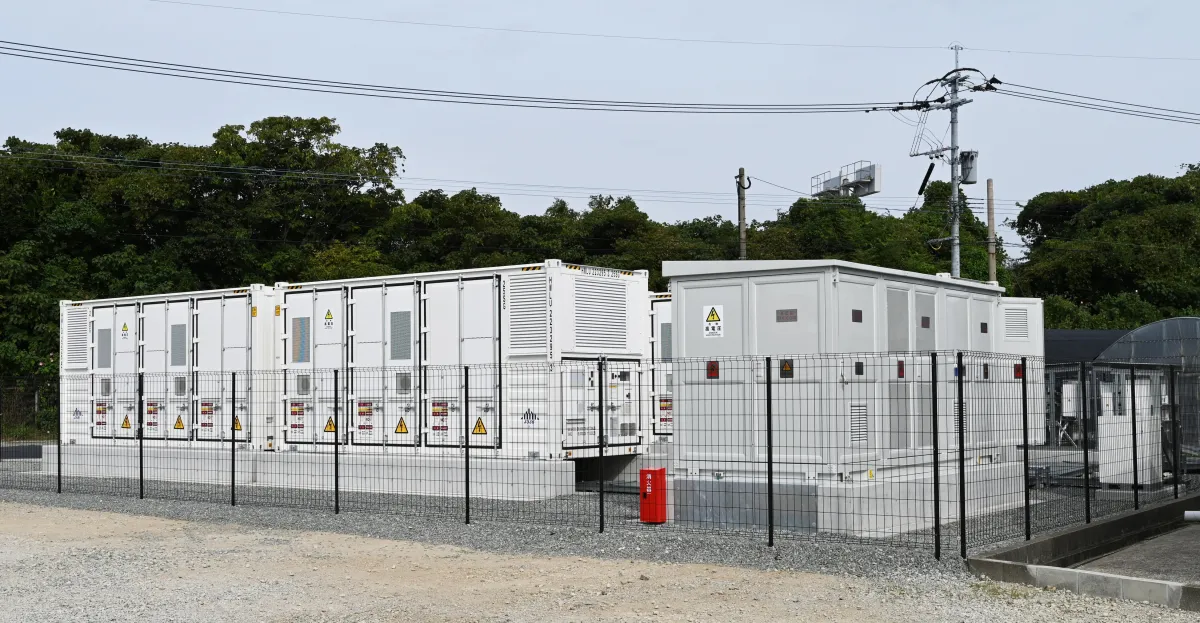
Nakagawa Corporation and Hirasol Energy Launch Battery Storage Facility in Fukuoka
Nakagawa Corporation and Hirasol Energy Start New Energy Project
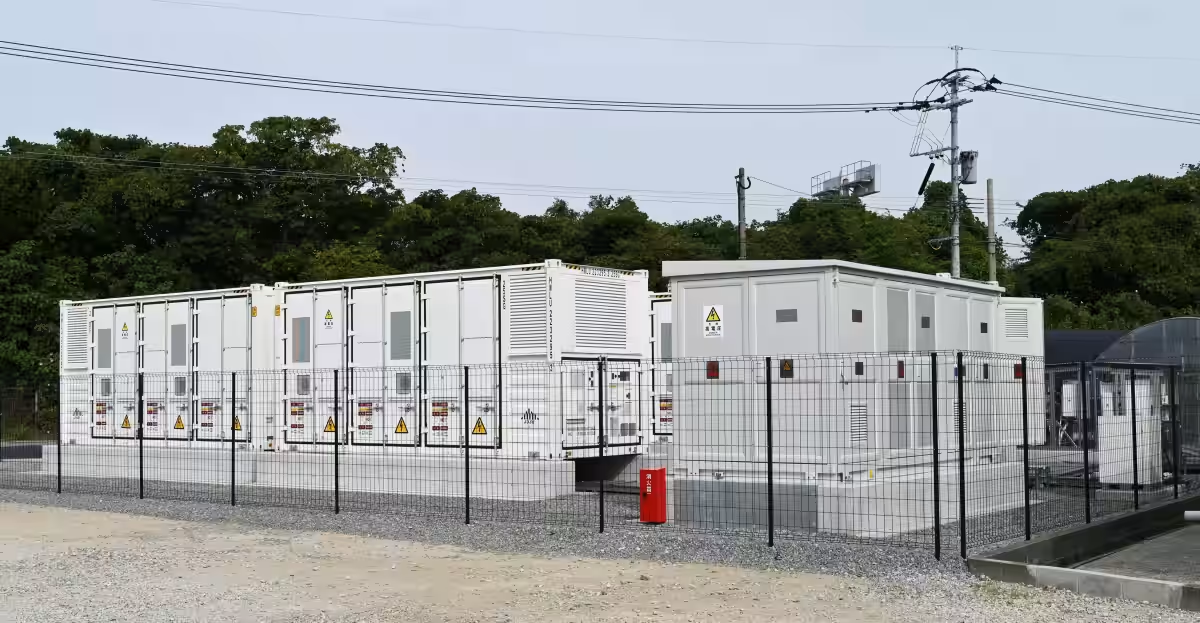
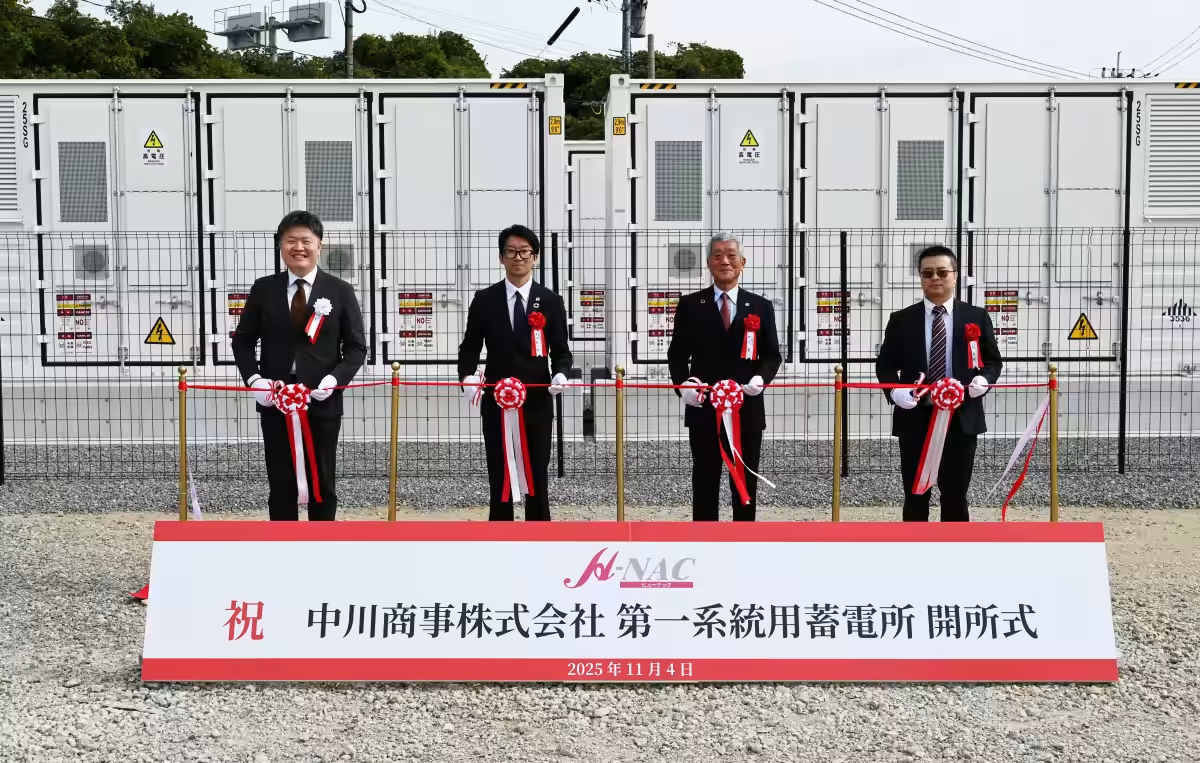
In an ambitious move to enhance the integration of renewable energy into Japan's power grid, Nakagawa Corporation has officially launched the operations of its first ever grid-connected battery storage facility, the Nakagawa Corporation First Grid-Connected Battery Storage Facility, located in Koga City, Fukuoka Prefecture. This project marks a significant step in Nakagawa's commitment to promoting environmentally sustainable energy solutions as part of their action plan centered around the UN's Sustainable Development Goals (SDGs).
Project Overview
The newly launched facility has a capacity of approximately 2MW and can store up to 8MWh of energy. Operational management will be handled by Hirasol Energy, a Tokyo-based energy startup that specializes in advanced energy management systems. Through its proprietary Energy Management System, known as "J-EMS," Hirasol Energy will provide optimized operations and ensure stable energy outputs from the facility.
This project benefits from financing provided by Tsukuba Bank through its Green Loan program, specifically aimed at supporting environmentally focused projects.
The establishment of this battery storage facility is not just another energy venture; it represents a new business model that goes beyond traditional energy generation by collaborating with local financial institutions to evaluate project profitability grounded in technological reliability. Continuous monitoring of greenhouse gas (GHG) reductions will be conducted to quantify the project’s environmental benefits, further enhancing its contribution to sustainable energy practices.
Why This Matters
The significance of this project can be understood through Nakagawa Corporation's longstanding commitment to building a sustainable society through responsible environmental practices. Their action plan incorporates a variety of initiatives aimed at tackling climate change and moving towards a carbon-neutral society. The battery storage facility is the first milestone in a broader strategy that includes expanding the use of renewable energy technologies throughout Japan.
In essence, this project serves as a compelling paradigm for future renewable energy endeavors in Japan, promoting transparency in environmental impact assessment and financial viability evaluation through local partnerships. It sets a blueprint for future collaborations across various regions, encouraging sustainable local energy solutions through advanced technology and investment.
Technical Innovations
Local Financing and Technical Assessment
One major aspect of this battery storage project is the innovative approach to financing it, backed by Tsukuba Bank. Their expertise in assessing technological reliability led to a favorable evaluation of the project's operational and financial models. Hirasol Energy's sophisticated control technology, combined with their role as the aggregator for the facility's operations, bolstered confidence in the overall viability of the project.
Integrating Advanced Energy Management
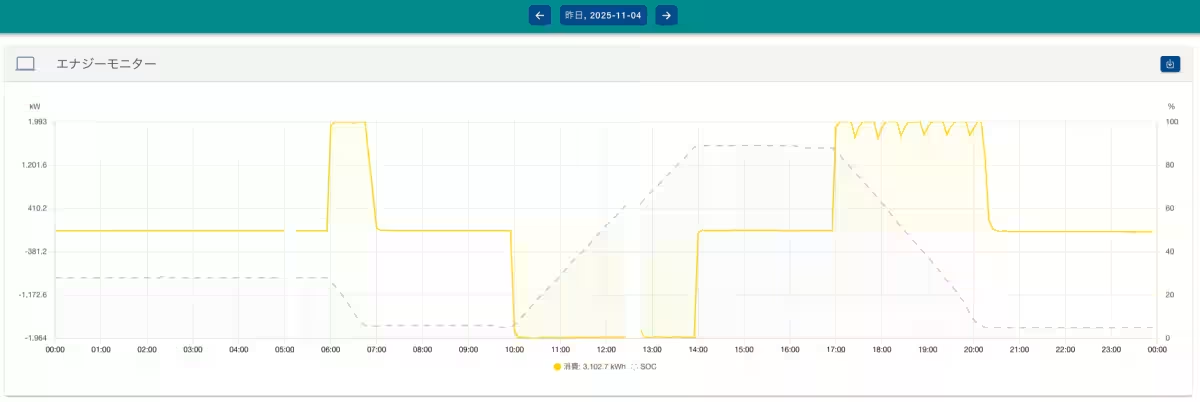
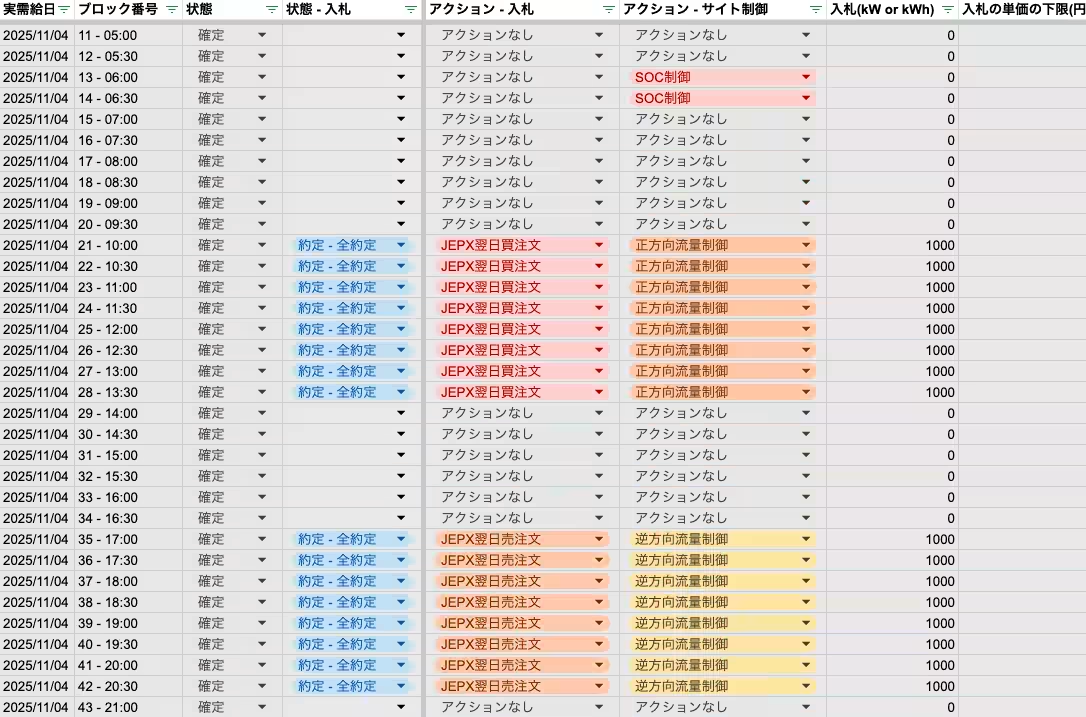
At the forefront of this project is Hirasol Energy's J-EMS, which will be implemented to optimally manage the charging and discharging processes of the battery system. J-EMS utilizes sophisticated forecasting tools to predict demand and market pricing accurately, facilitating bidding across multiple energy markets. This strategic use of market intelligence ensures that the facility can respond dynamically to real-time energy demands, maximizing profitability and efficiency.
Future Prospects
The operational insights gained from this pilot project will inform Nakagawa Corporation’s ongoing efforts to foster environmentally conscious business practices and contribute actively to the development of sustainable local communities. Hirasol Energy plans to extend its pioneering aggregation control technology throughout the country, enhancing the operational efficiency of battery storage facilities and renewable energy systems alike.
Conclusion
Overall, the launch of the Nakagawa Corporation First Grid-Connected Battery Storage Facility signifies a promising venture for both the company and its community, aligning with global efforts to mitigate climate change and promote renewable resources. As the energy landscape evolves, such initiatives will be critical in steering Japan towards a more sustainable and resilient future.
About Nakagawa Corporation
Nakagawa Corporation has been dedicated to enhancing community infrastructure through various initiatives since its inception. Under the management vision of maximizing corporate value through innovations, they are increasingly investing in digital transformation and environmentally sustainable energy projects.
About Hirasol Energy
Hirasol Energy aims to lead the transition to one hundred years of sustainable solar energy, leveraging cutting-edge technology to maximize the social value of solar power generation. Their initiatives are expected to create a lasting impact in the energy sector.
Topics Energy)
【About Using Articles】
You can freely use the title and article content by linking to the page where the article is posted.
※ Images cannot be used.
【About Links】
Links are free to use.