



Exploring the Current Landscape of Art Thinking in the AI Era
Exploring the Current Landscape of Art Thinking in the AI Era
In an era defined by AI, the concept of "Art Thinking" is more relevant than ever. Request Inc., headquartered in Shinjuku, Tokyo and led by CEO Tomoyasu Kohata, has developed a comprehensive report detailing the various definitions, implementations, and research findings surrounding Art Thinking, both in Japan and internationally. The report, titled "Current Landscape of Art Thinking", spans 26 pages and is based on exploratory reviews of publicly available sources up to September 3, 2026.
Understanding Art Thinking
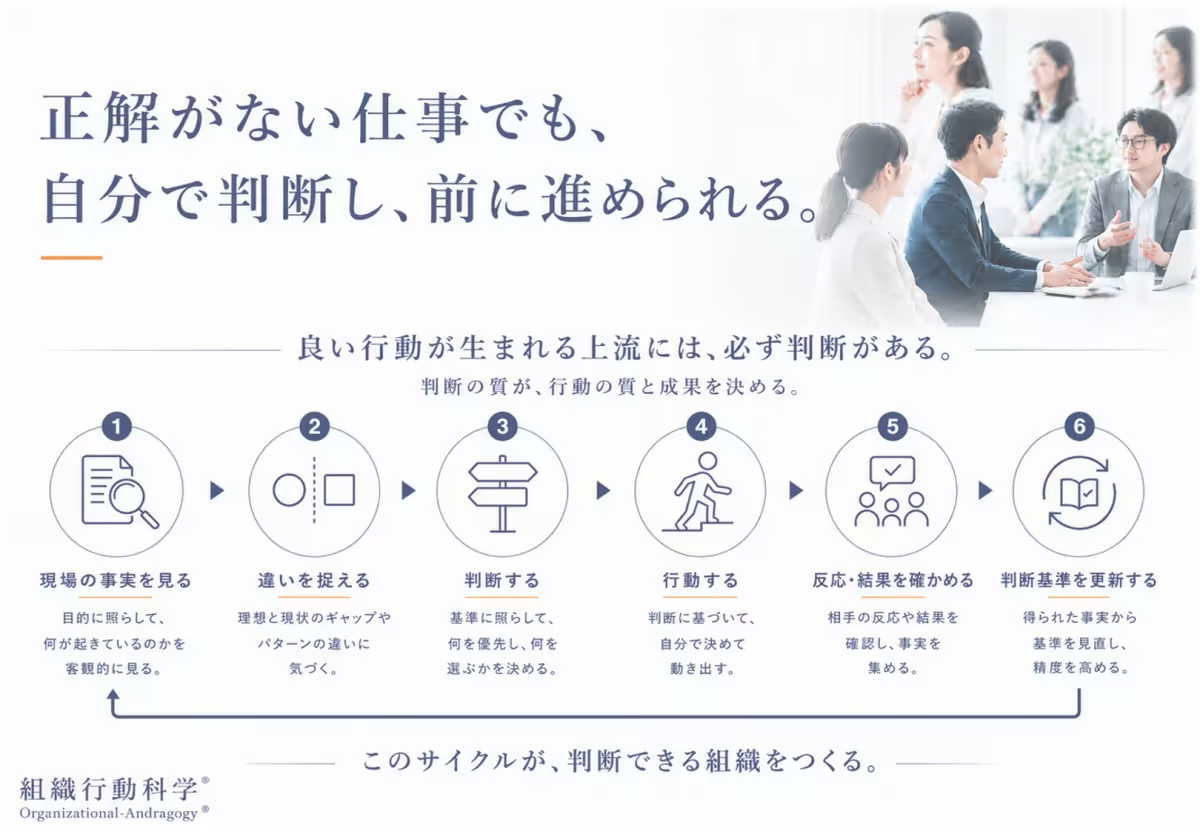
Art Thinking is not merely about embracing creativity or viewing art from a subjective perspective; it represents a foundational shift toward generating novel judgments based on new interpretations of reality. This shift invites organizations to break from conventional methodologies and explore uncharted territories in their decision-making processes.
By synthesizing existing research and articulating these concepts, Request Inc. seeks to clarify what Art Thinking means in practical terms and how it can be applied effectively in various organizational contexts. The report answers critical questions, including:
- - What exactly does Art Thinking refer to?
- - What educational frameworks and corporate practices exist?
- - What outcomes have been documented so far?
- - What aspects still require thorough validation?
A Need for Aligning Definitions
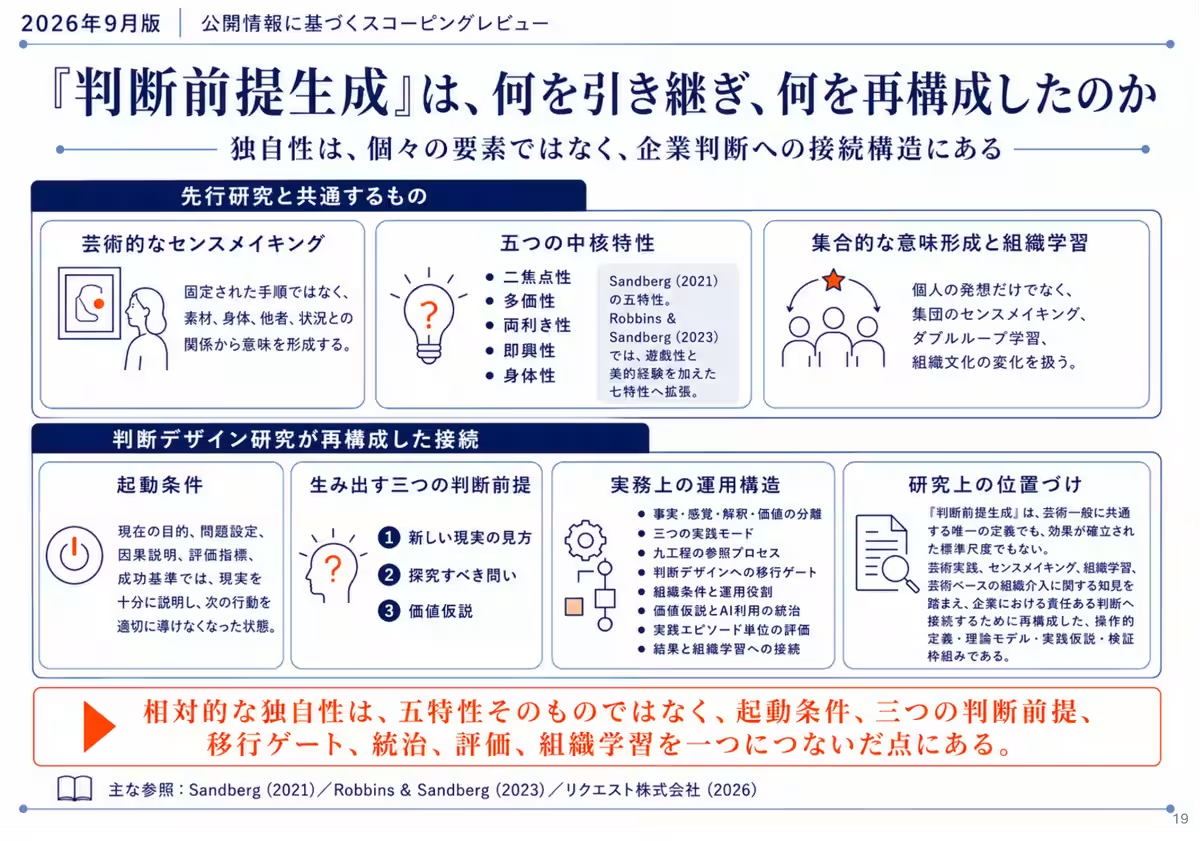
While the company has developed its own definition of Art Thinking centered on generating judgments, this approach necessitates validation against both historical data and current practices. The organization's definition emphasizes creative thinking, sensory engagement, and the individual’s perspective, pushing beyond conventional frameworks.
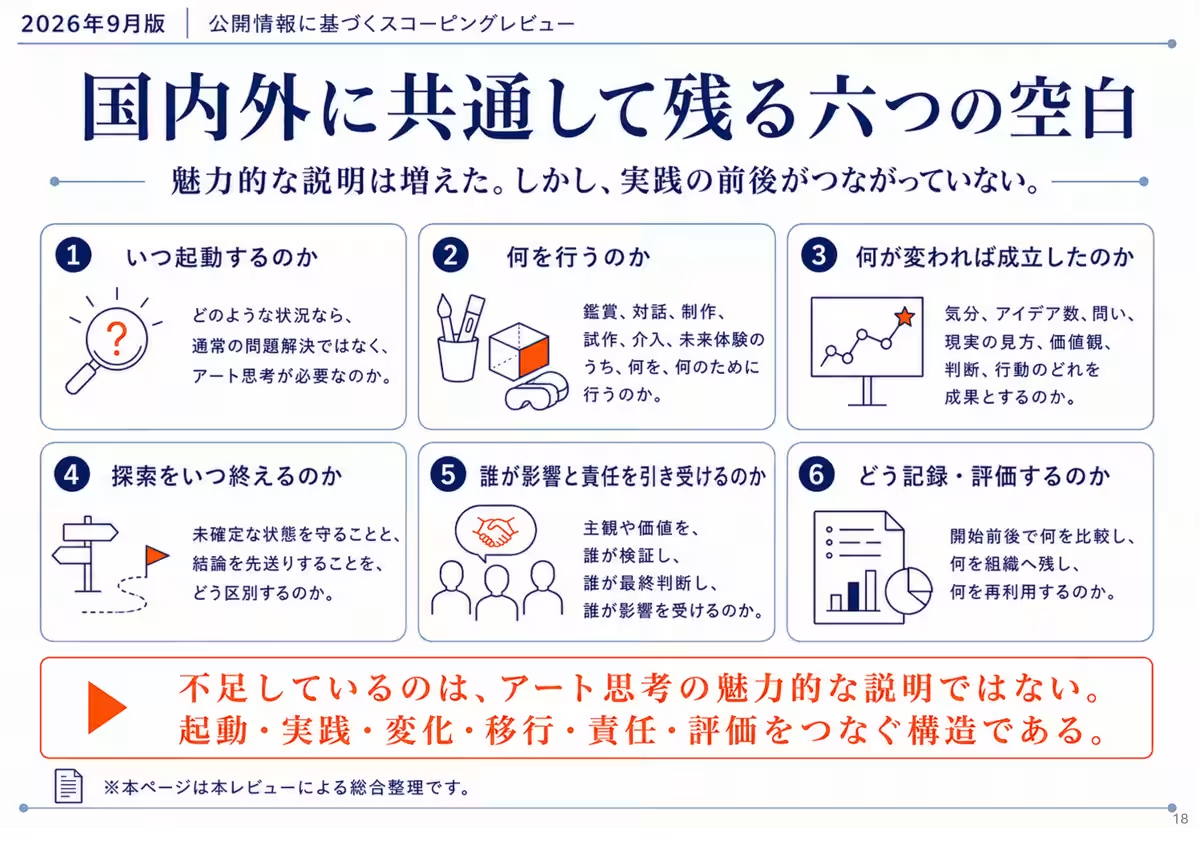
In response to the need for an empirical foundation, a second report detailing implementation and evaluation guidelines was published on September 3, 2026. This included crucial components such as conditions for activation, methods for practice, transitions in judgment design, as well as principles for utilizing AI.
Dissecting Art Thinking and Its Implications
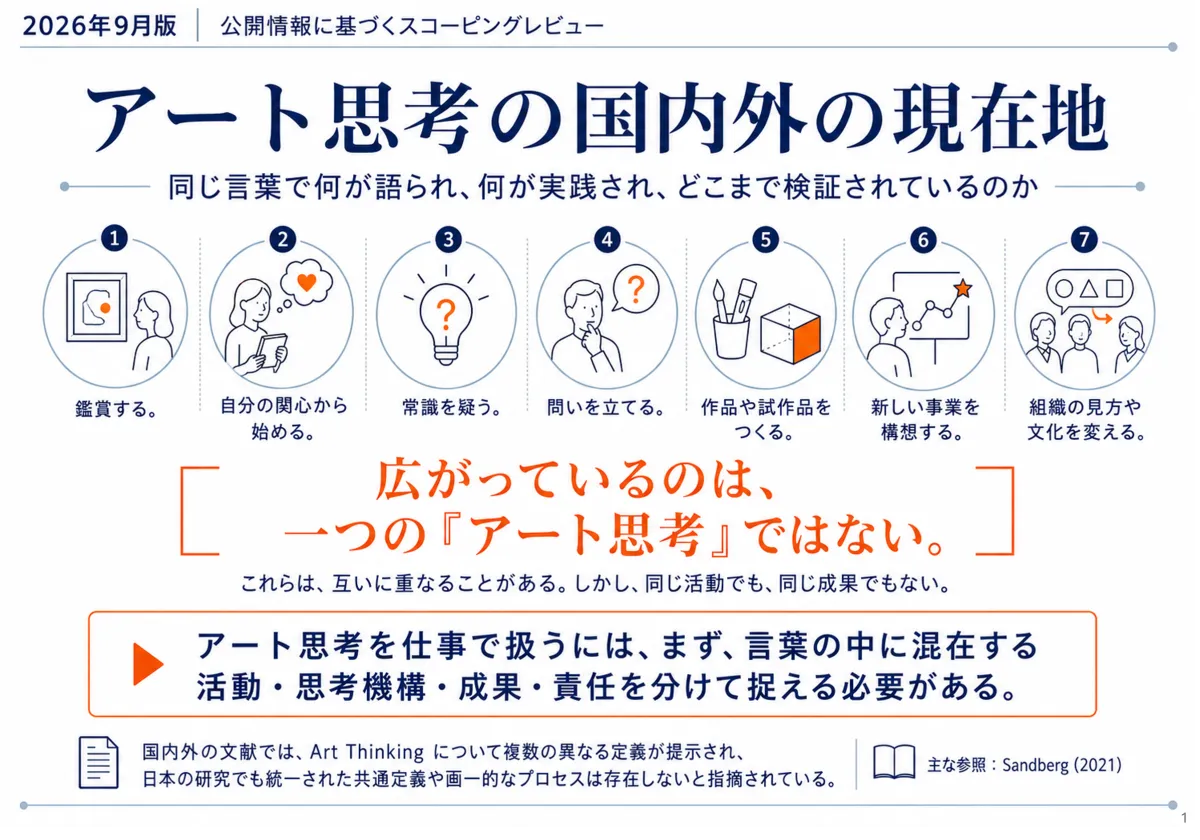
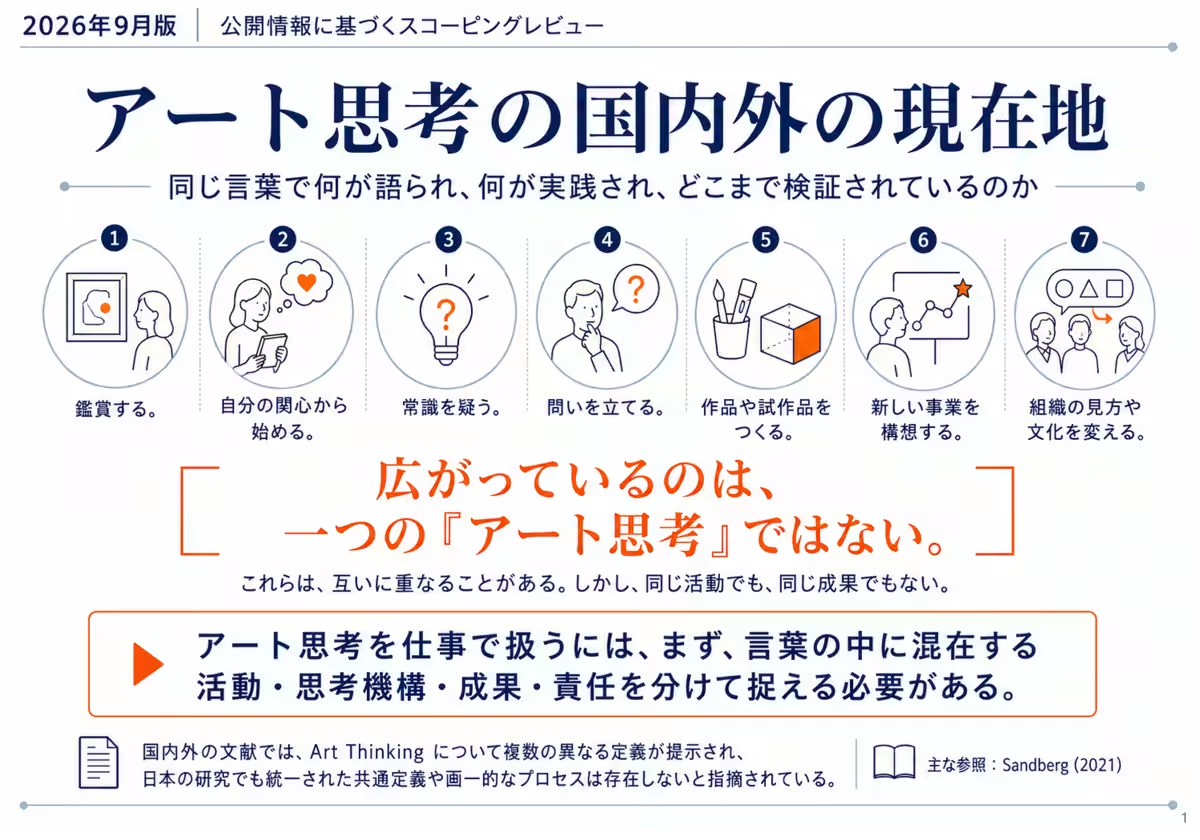
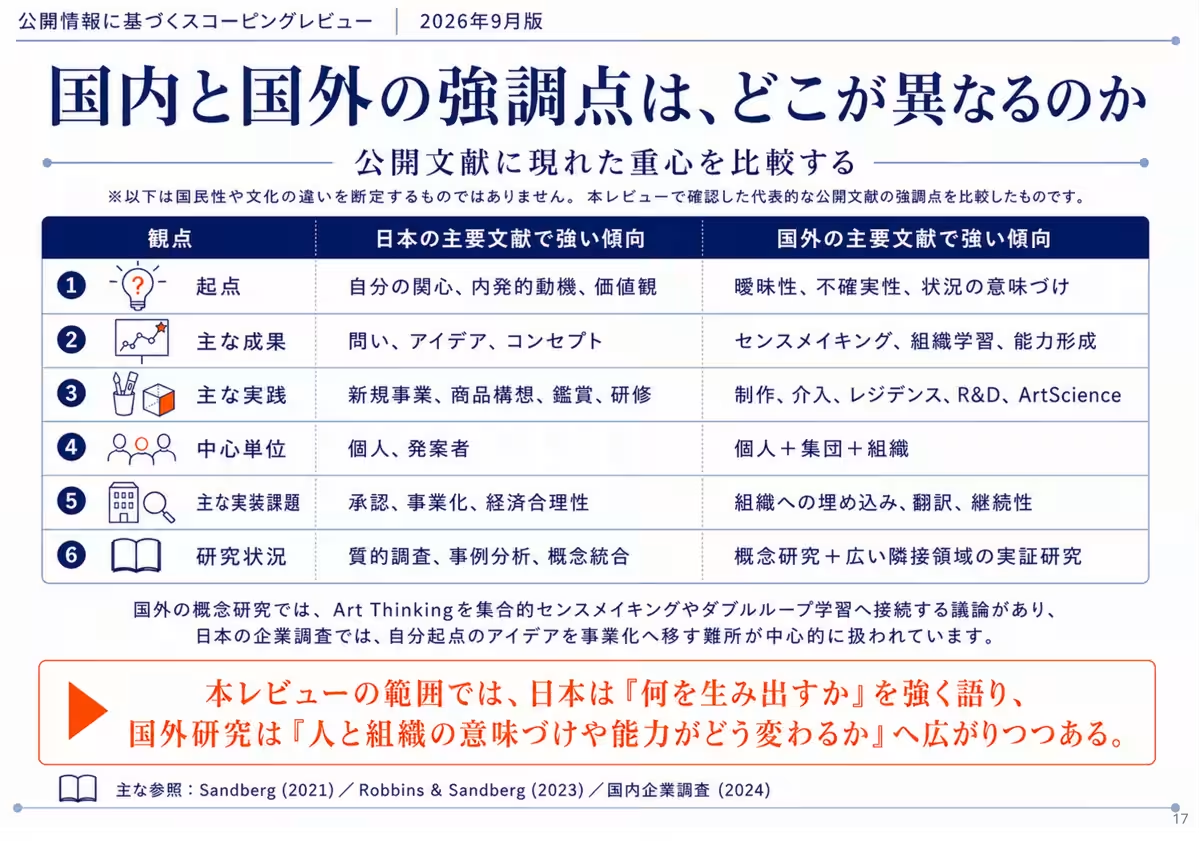
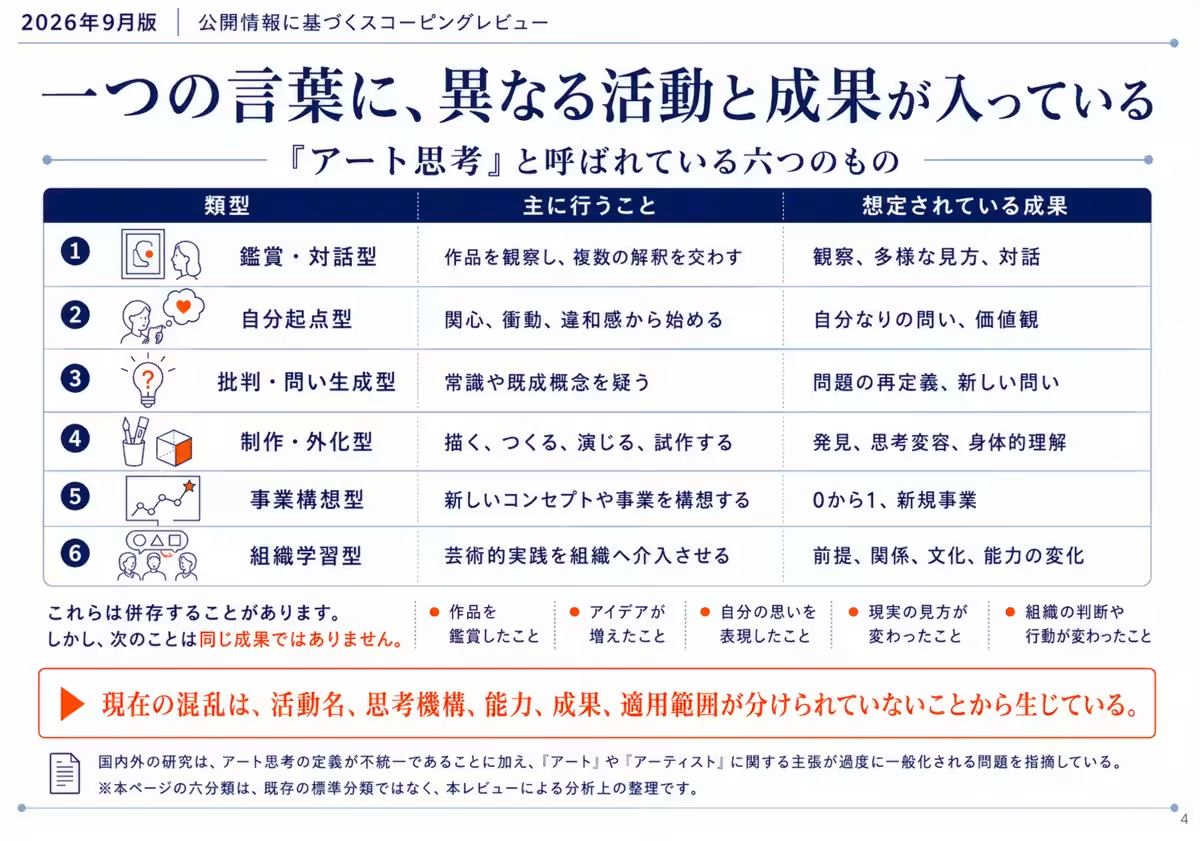
Upon reviewing domestic and international literature, it becomes evident that Art Thinking is not uniformly defined. Various activities—such as critiquing existing norms, posing challenging questions, and fostering technological innovation—are all subsumed under this term, yet they yield divergent outcomes.
Future considerations for integrating Art Thinking in professional scenarios should distinguish between complex elements such as:
- - The experience of engaging with art
- - Expressing individual thoughts
- - Generating a plethora of ideas
- - Changing perceptions of reality
- - Shifting organizational decisions and actions
These aspects must be carefully analyzed rather than grouped together under a single umbrella to avoid misrepresentation of their impacts.
Distinguishing Between Art Thinking Research and Arts-Based Approaches
The report identifies four key types of research and assessment:
1. Research Centered on Art Thinking: Explorations that explicitly define characteristics and applications of Art Thinking.
2. Adjacent Arts-Based Research: Studies focusing on arts-based methods, organizational learning through arts, and leadership development through artistic endeavors.
3. Publications from Educational Institutions: Program content and methodologies published by universities, business schools, and research institutions.
4. Operational Definitions for Corporate Practices: Models operationalized to provide observable, recordable, and evaluative frameworks in specific work contexts.
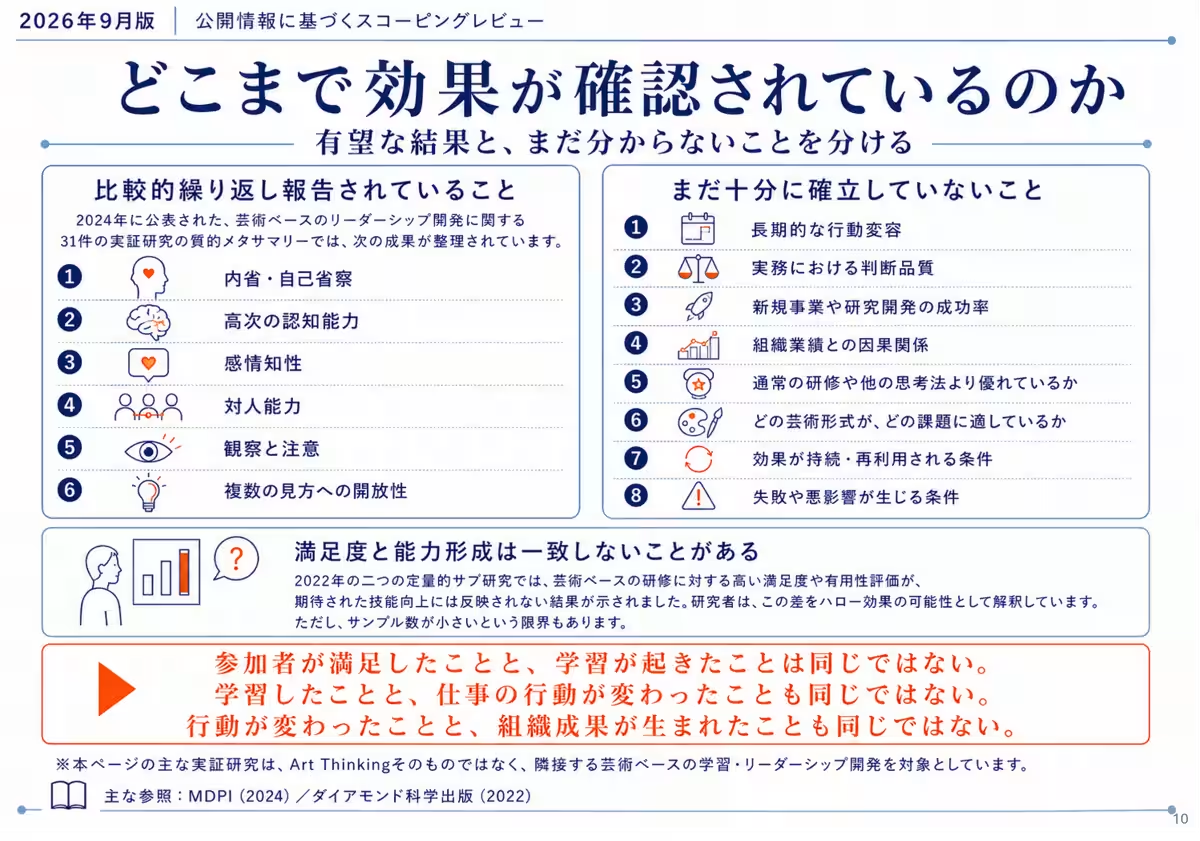
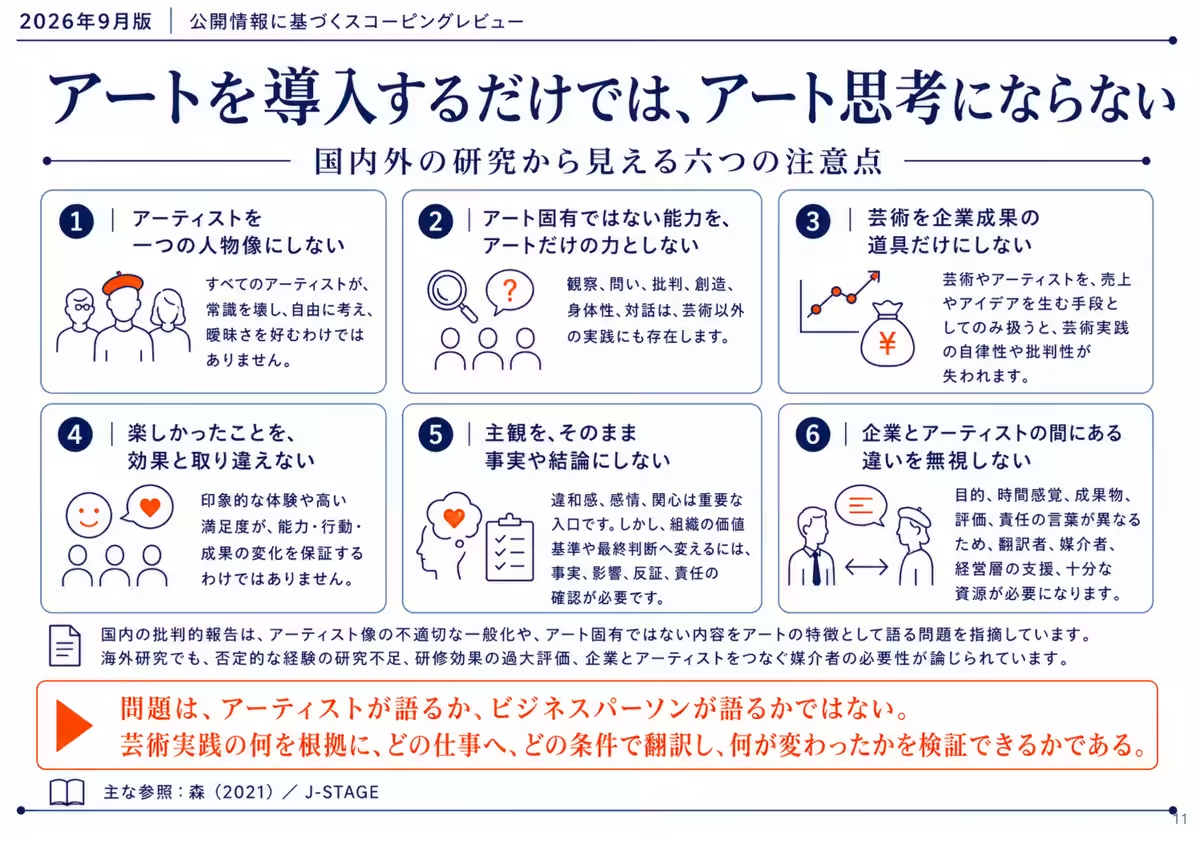
The critical insight here is that results obtained through arts-based interventions should not be hastily labeled as exclusive effects of Art Thinking. Although arts-based development shows promising results, the proof of causal links to organizational outcomes remains under-explored.
Satisfaction versus Actual Outcomes
Artistic endeavors often elicit profound satisfaction among participants, yet this sentiment does not guarantee behavioral change or organizational advancement. Evidence from recent quantitative studies (2022) illustrates a disconnect where high satisfaction rates did not translate into expected skill improvement, highlighting potential biases in participant feedback.
When incorporating Art Thinking into businesses, it is crucial to assess not only immediate reactions but also long-term impacts on:
- - Changes in perspective
- - Transformation of inquiry methods
- - Altered decision-making processes
- - Actions and their consequent results
- - Retention of experiential insights within the organization
Bridging the Gap Between Art and Business
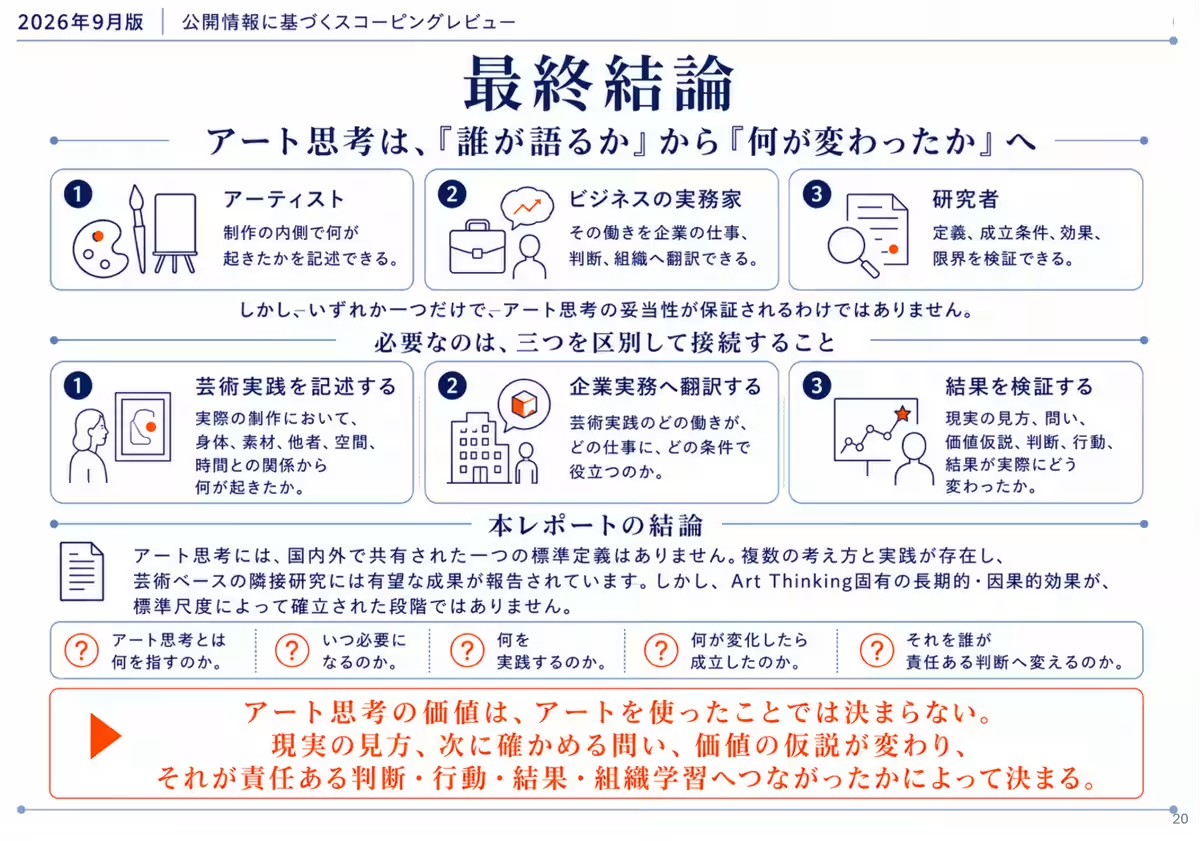
In the pursuit of embedding Art Thinking in corporate environments, it is vital to avoid superficial categorizations of artists as mere ideation facilitators. The richness of their artistic practice provides unique insights that cannot be conflated with business objectives.
Moreover, distinguishing the conceptual frameworks of artists from business lexicons surrounding output, timing, and responsibility is essential for synergistic collaboration.
Conclusion: A Call for Systematic Exploration
As demonstrated throughout this review, no single standardized definition of Art Thinking is universally accepted. A multi-faceted understanding emerges across various practices, inviting ongoing exploration toward its long-term impact. The challenge lies not in simply recommending the adoption of Art Thinking or incorporating art into corporate training, but instead, in critically evaluating the conditions under which it becomes relevant and effective.
Accessing the Comprehensive Report
To request the full 26-page PDF report titled "Current Landscape of Art Thinking", please send an email to:
[email protected]
with the subject line, "Request for Current Landscape of Art Thinking PDF" and include your company name and your name in the message body.
This report serves as a resource for decision-making in business development, human resources, and educational initiatives concerning Art Thinking, but it is not an unqualified endorsement of its application. Each organization should critically assess its own conditions before implementation.
- ---
Through this exploration, Request Inc. emphasizes the importance of articulating clear standards for what Art Thinking encompasses and systematically assessing its implications for effective organizational change.

Topics Other)
【About Using Articles】
You can freely use the title and article content by linking to the page where the article is posted.
※ Images cannot be used.
【About Links】
Links are free to use.