


Defining and Exploring the Concept of Invisible AI Misuse in the Workplace
Unveiling Invisible AI Misuse in the Workplace
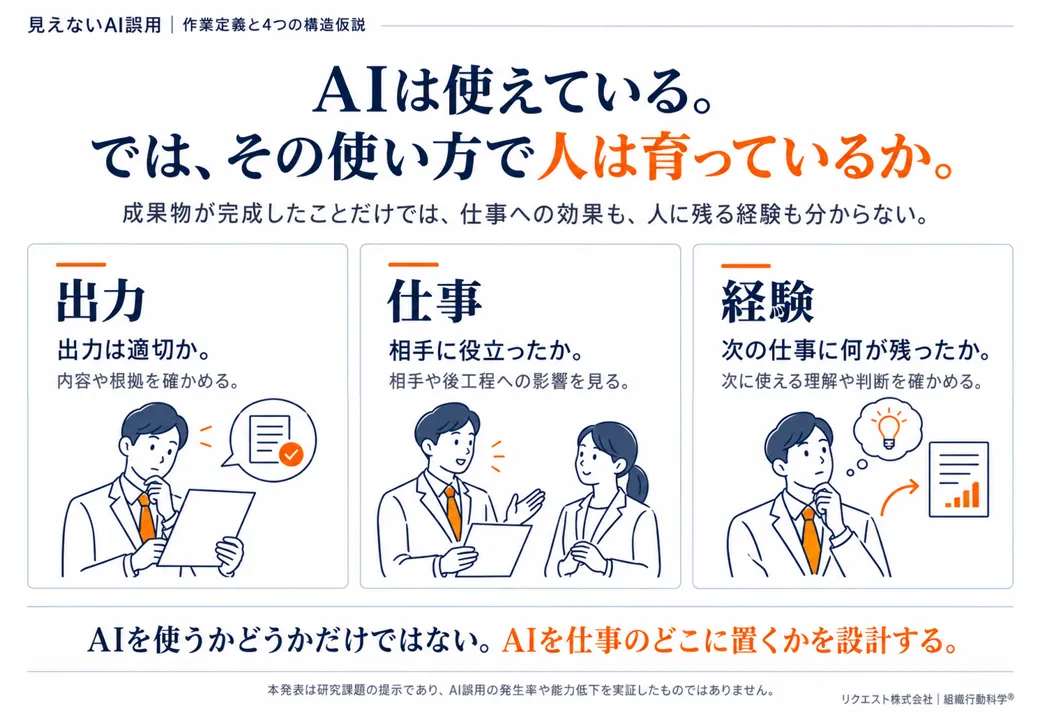
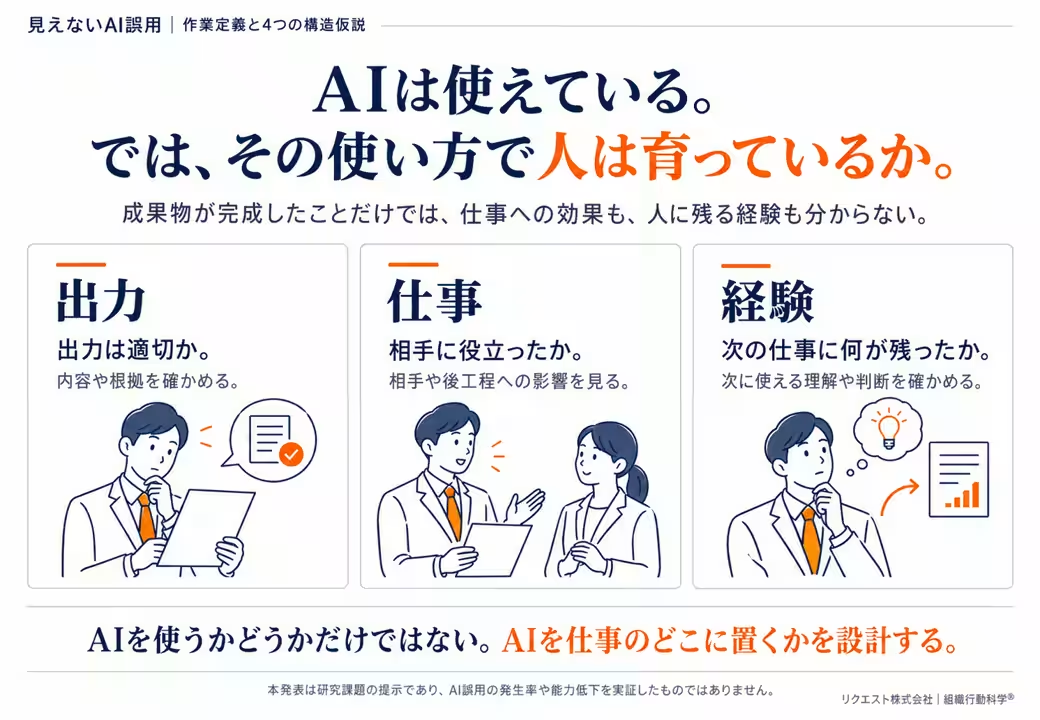
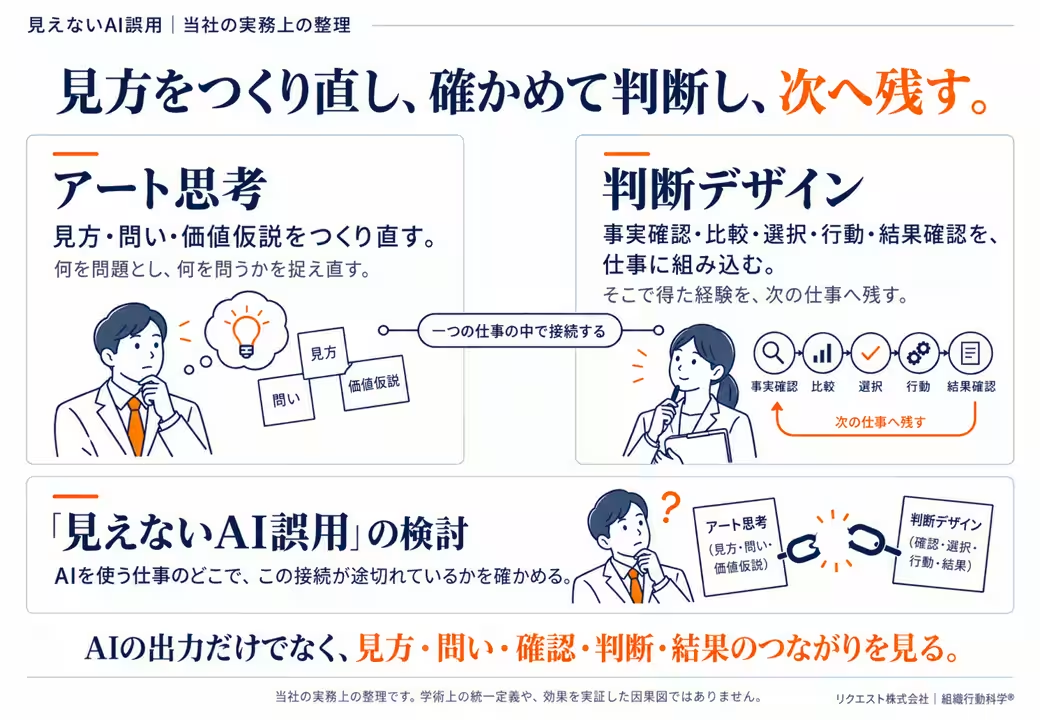
In today's fast-evolving landscape shaped by artificial intelligence (AI), a new area of concern has emerged, termed "Invisible AI Misuse." This concept, defined by Request Inc., a Tokyo-based organization focused on organizational behavior science, sheds light on the nuances of how AI is integrated into work practices. Rather than focusing on the explicit errors produced by AI outputs, this framework aims to unearth the subtler forms of misuse that can still yield polished deliverables without encouraging necessary human oversight.
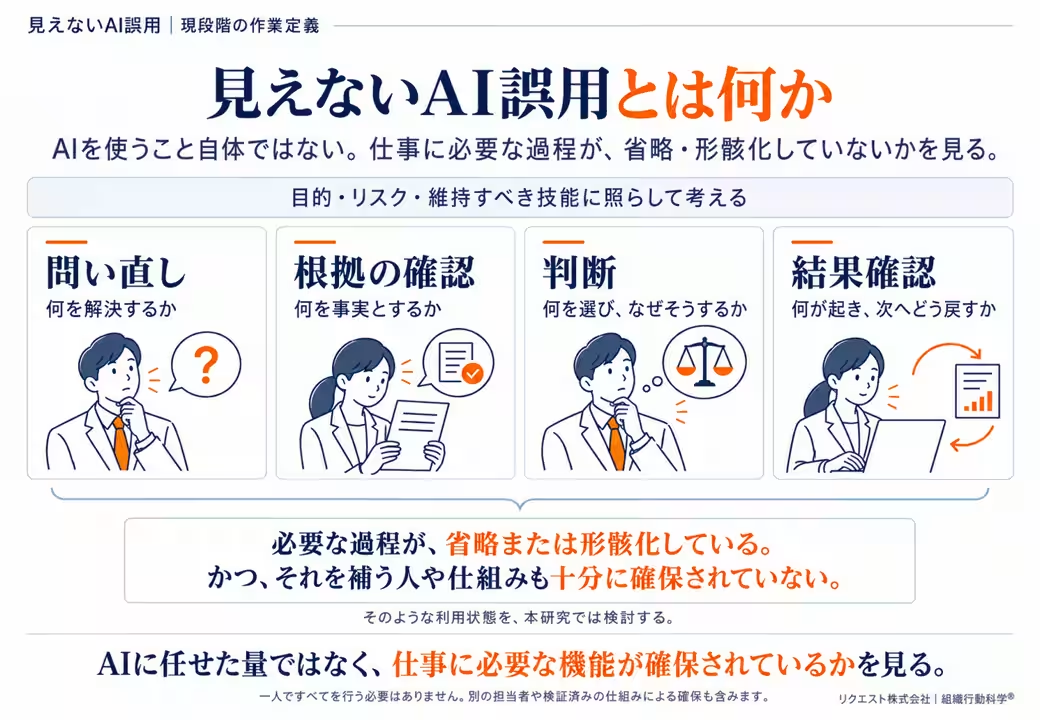
The Concept of Invisible AI Misuse
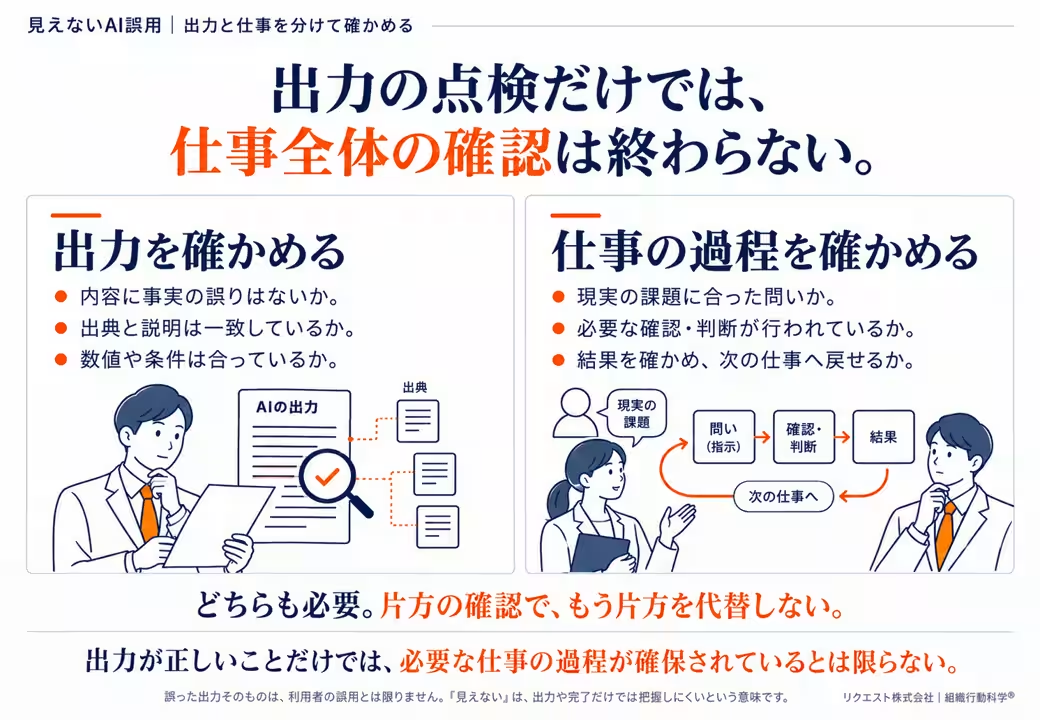
The core principle of invisible AI misuse revolves around situations where the use of AI does not fulfill essential job functions regarding inquiry, verification, judgment, and outcome assessment. Consequently, even when an AI-generated product appears accurate, underlying inquiries may remain unaddressed, and essential validations might lack robustness. This is where human involvement becomes critical but often overlooked.
Key Explorations
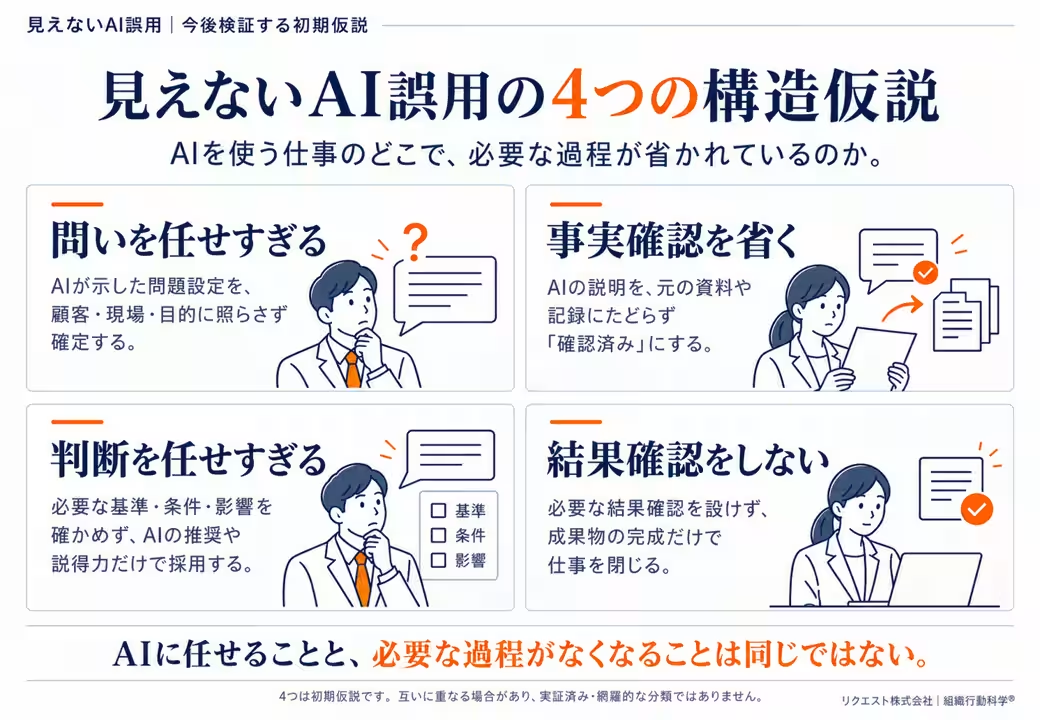
Through the lens of organizational behavior science, Request Inc. has articulated four primary structural hypotheses that headline its explorative research on invisible AI misuse:
1. Overdependence on AI for Inquiries: Organizations that accept AI-generated questions without aligning them to the realities of the client’s context may drift away from solving actual problems.
- Critical Queries:
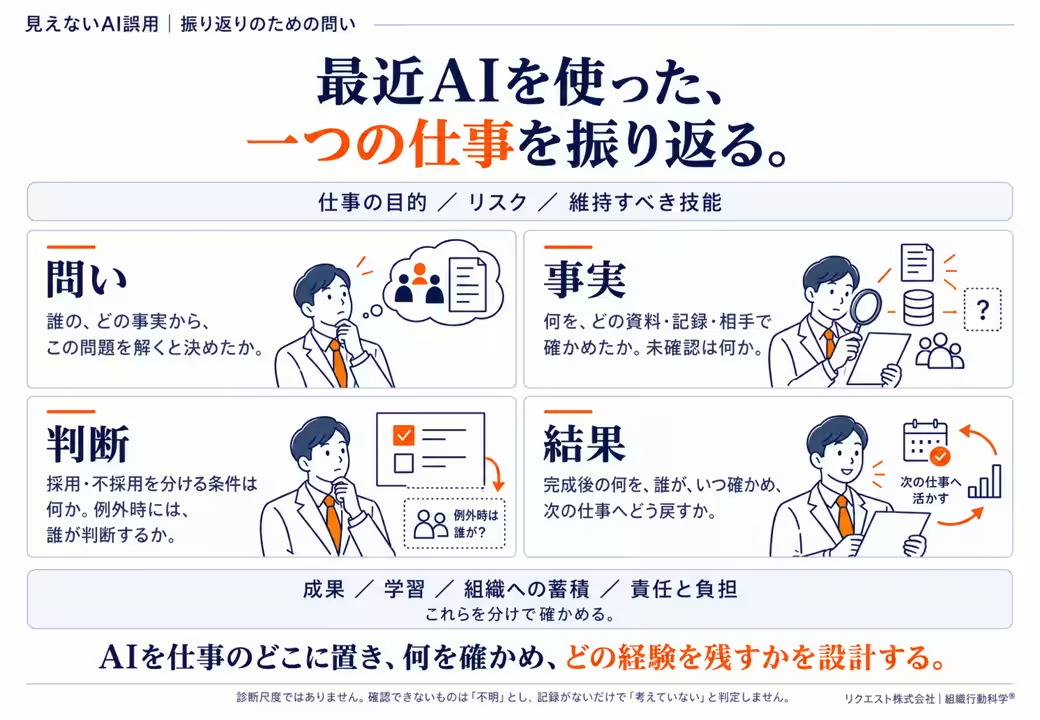
- What facts inform the presented problem?
- When should the framing of a question be reevaluated?
2. Skipping Fact Verification: The act of accepting AI’s explanations as verified content can lead to misinformation. This challenge becomes pronounced when validating references cited by AI outputs.
- Critical Queries:
- What evidence has been used for verification?
- Are assumptions separated from confirmed facts?
3. Excessive Delegation of Judgment: Choosing a proposal from a set of options proposed by AI does not mean that all necessary criteria and conditions have been evaluated.
- Critical Queries:
- What parameters distinguish acceptance from rejection?
- Who is responsible for refining these conditions?
4. Neglecting Outcome Verification: Concluding work based solely on the completion of tasks like proposals or reports without evaluating their real-world applicability can hinder broader organizational learning.
- Critical Queries:
- How will results post-completion be reviewed?
- What feedback loop exists for future projects?
Research Implications
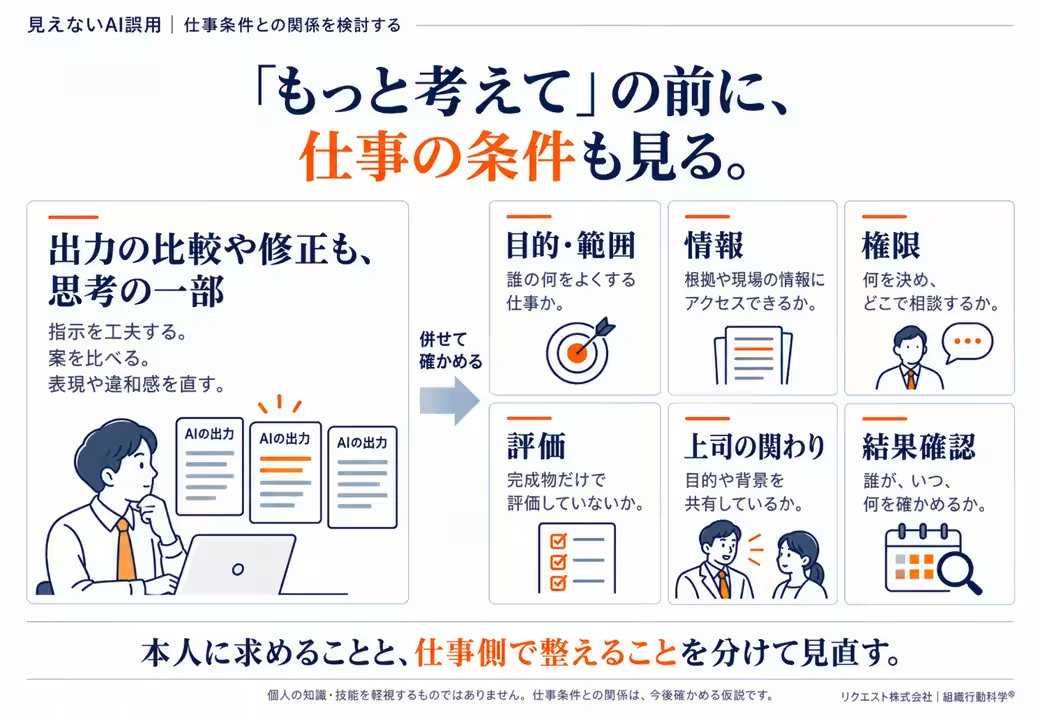
This investigation does not claim to provide evidence of increased error rates due to invisible AI misuse, but instead positions these hypotheses as crucial analytical tools for future inquiries. The report provides a structured approach for evaluating AI applications concerning concrete job tasks, outcomes, and the retention of human learning and experience.
Awareness of Potential Pitfalls
The discourse around how AI is integrated into workflows emphasizes the need for a balanced view of the relationship between humans and technology. Excessive reliance on AI outputs without human validation invites risks that are not merely technical but organizational in nature. Existing guidelines and research underscore the negative consequences of automation bias – the phenomenon where human decision-making becomes overly reliant on automated tools.
Distinguishing AI Contributions
It is equally essential to discern between the productive support provided by AI and the risks associated with over-reliance. For instance, while AI can streamline processes or provide data insights, the critical act of human judgment must not be overshadowed. The findings draw attention to the need for thoughtful design surrounding AI utilization to ensure adequate skill retention and decision-making capacity within organizations.
Future Directions for Research
Moving forward, Request Inc. aims to facilitate empirical investigations focusing on observable behaviors surrounding these hypothetical constructs. The goal is to cultivate workplace environments where AI complements rather than compromises essential human cognitive processes. This requires developing frameworks that draw from real-life job contexts and feedback mechanisms to ensure both learning and productivity advance in tandem.
In conclusion, invisible AI misuse underscores the intricacies of AI integration within work environments, emphasizing the importance of maintaining rigorous human oversight in decision-making processes. By formalizing this concept and associated structures, Request Inc. opens the door for further research, enabling businesses to navigate the dualities of AI enhancement and misuse effectively.


Topics Business Technology)


【About Using Articles】
You can freely use the title and article content by linking to the page where the article is posted.
※ Images cannot be used.
【About Links】
Links are free to use.