



Understanding Increased Sweating and Social Anxiety During Spring: A Healthcare Perspective
The Seasonal Struggles of Sweating: How Spring Affects Our Relationships
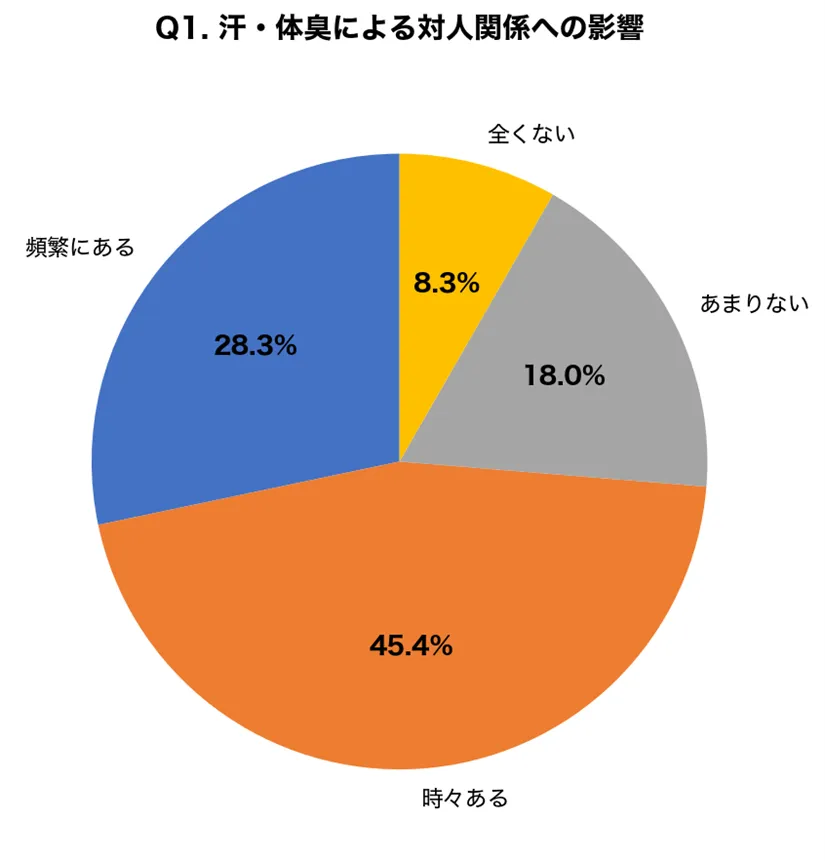
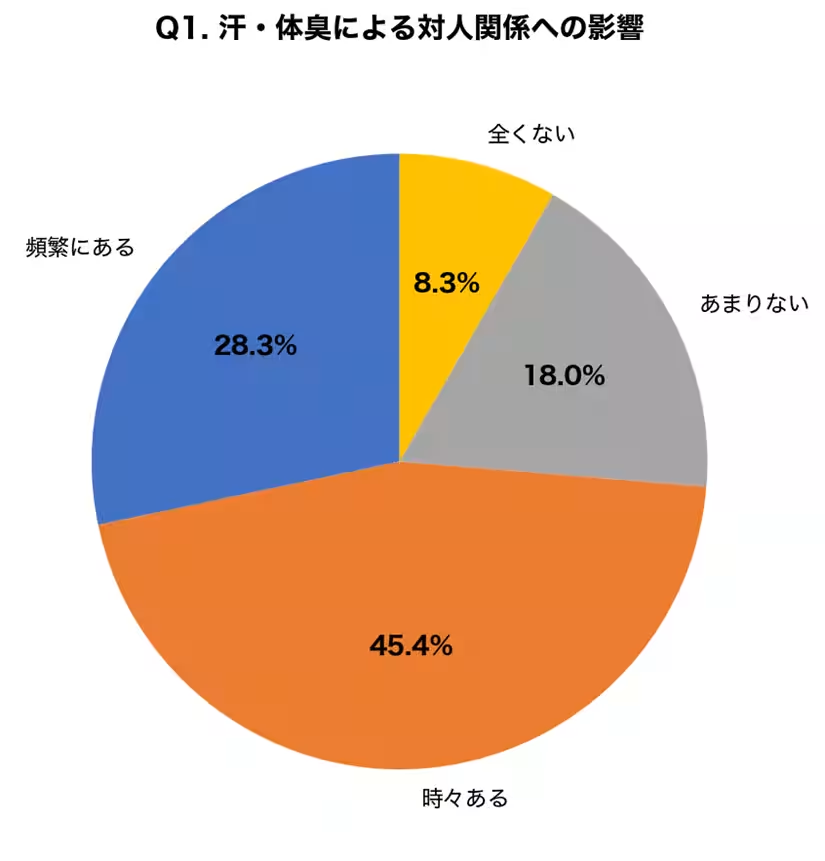
As the temperatures rise with the arrival of spring, many individuals are finding themselves in a common predicament: excessive sweating and concerns about body odor. A recent survey conducted by the Icy Clinic revealed that a staggering 73.7% of working adults have experienced reluctance in their interpersonal relationships due to concerns about sweat and body odor. This figure demonstrates the profound impact that seasonal changes can have on not only personal comfort but also social interactions.
Spring Sweating and Anxiety: The What and Why
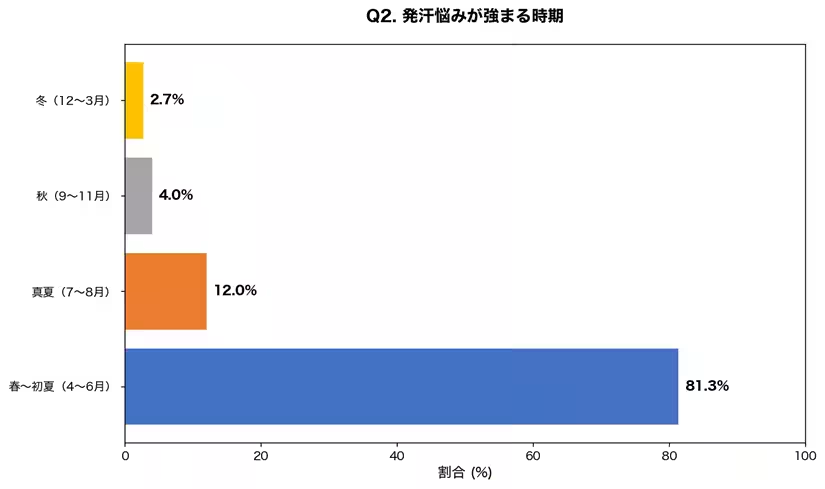
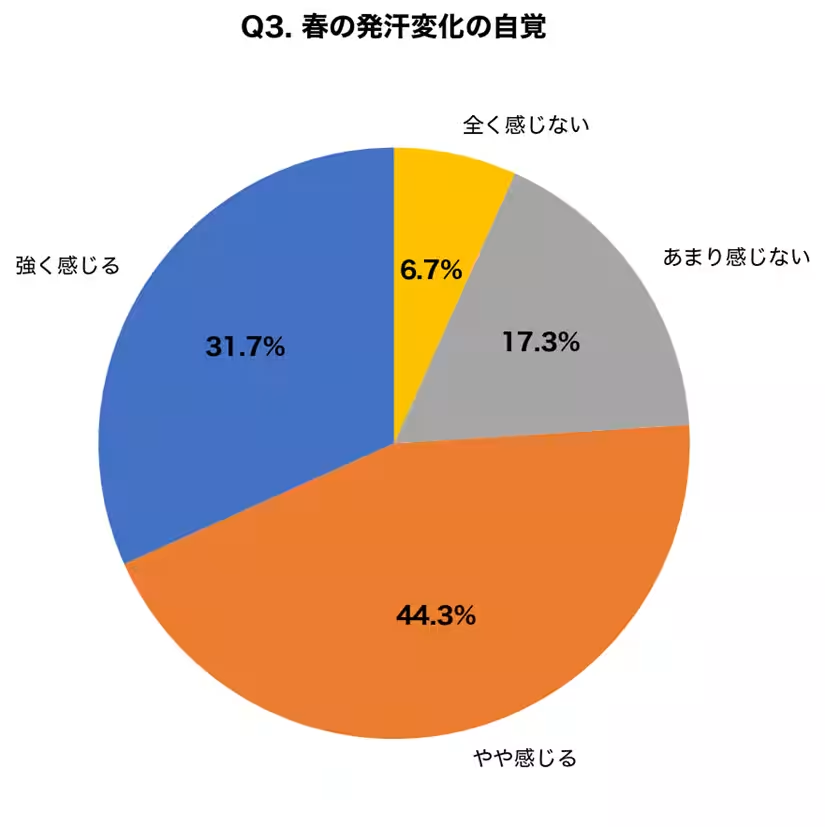
As seasons shift from winter to spring, our bodies must adjust to rising temperatures—a transition that is not always smooth. Many people struggle to regulate their sweating appropriately, leading to increased anxiety about personal appearance and interactions with others. The survey found that 81.3% of respondents reported a noticeable increase in sweating from April to June, a period when stressors from new beginnings in the workplace can exacerbate feelings of insecurity.
This increased sweating may be attributed to several factors:
- - Autonomic Nervous System Shift: The body's attempt to transition from a winter mode, where it conserves heat, to a summer mode can lead to erratic sweating patterns.
- - Rapid Temperature Changes: The body may not yet be acclimated to the warmer weather, causing overreacting sweating responses.
- - Psychological Stress: New environmental changes, such as starting fresh roles or relationships in the workplace, may heighten feelings of anxiety and lead to psychological sweating.
Medical Interventions for Excessive Sweating
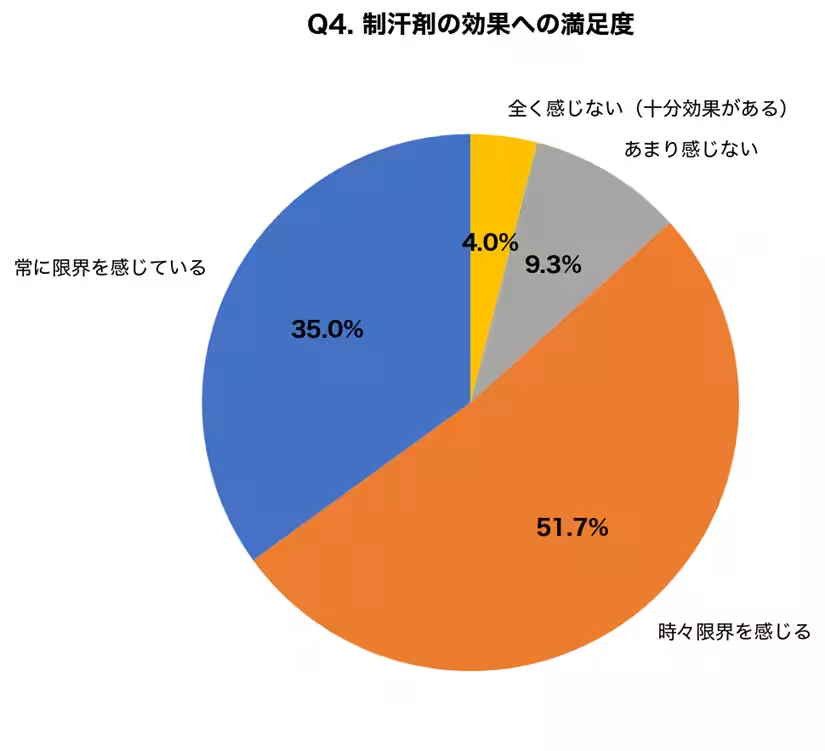
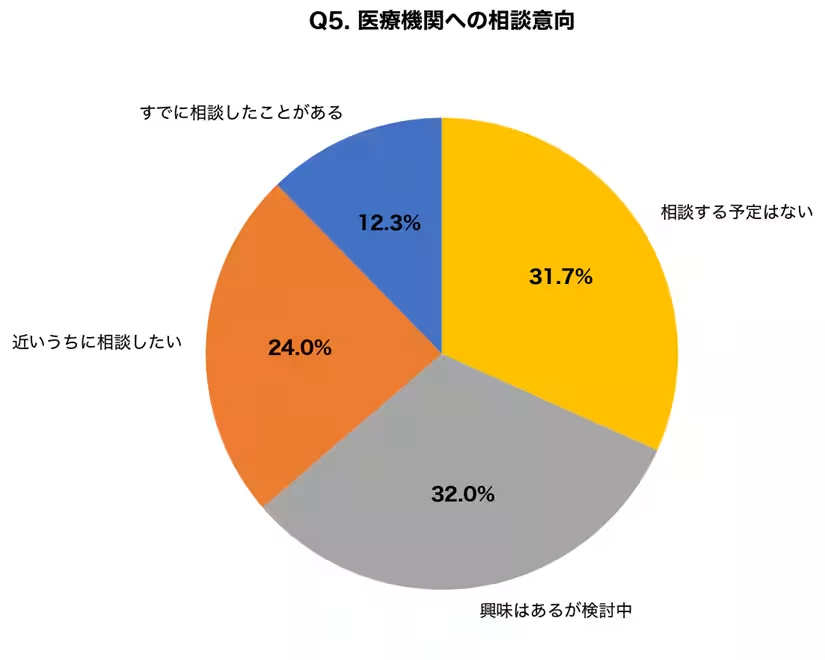
The survey highlights a critical need for medical solutions, as 68.3% of individuals who felt limited by standard antiperspirants are considering medical consultations. For those whose sweating cannot be managed with over-the-counter products, advanced treatments like miraDry and surgical options such as excisional surgery present effective solutions.
What is miraDry?
MiraDry is a non-invasive procedure that utilizes microwave technology to eliminate sweat glands, particularly in the underarm area. This method provides significant results—boasting a 70-80% sweat gland removal success rate in just one session. Approved by the FDA, it offers minimal downtime, averaging just 2-3 days.
What is Excisional Surgery?
In contrast, excisional surgery involves a small incision in the skin, allowing a qualified physician to directly remove sweat glands. It offers a higher removal rate of over 90%, but comes with a longer recovery time, ranging from two to three weeks. This option is often covered by insurance, making it an accessible choice for many.
Preparing for the Future
Understanding these options is paramount, as excessive sweating that is left unaddressed can lead to longer-term psychological impacts such as social anxiety disorders and decreased quality of life. The key takeaway from this survey is not only the numbers but also the potential for change through medical advancements. As the preferences and needs of individuals vary, gaining insights into which treatment method aligns best with one's lifestyle and requirements is crucial.
Conclusion
Efforts to address excessive sweating and its social implications must continue, with an emphasis on medical education to raise awareness of treatment options. Moreover, individuals seeking relief must engage with qualified healthcare professionals who can guide them through the myriad of treatments available, ensuring a path toward comfort and confidence as the seasons change.
As we embrace spring, it’s essential to note that while body changes are natural, they need not dictate our social interactions. With the right approach and support, we can all look forward to a season of renewal—free from the burdens of perspiration anxiety.
Topics Health)
【About Using Articles】
You can freely use the title and article content by linking to the page where the article is posted.
※ Images cannot be used.
【About Links】
Links are free to use.