



Obayashi Corporation Optimizes Regulatory Research and Requirements in Initial Design Phase
Introduction to Regulatory Challenges in Construction Design
In the realm of construction projects, the initial design phase often involves complex regulatory research and requirements management. Professionals are faced with navigating a multitude of regulations, including building codes, client specifications, environmental considerations, and regional zoning laws. These tasks become particularly challenging during the formulation of foundational policies, basic planning, and preliminary design, where information often becomes dispersed among various stakeholders. As confirmed by internal surveys, regulatory research is consistently ranked as one of the most time-consuming aspects of these processes, underscoring the critical need for efficient information management.
Utilizing Generative AI for Streamlining Processes
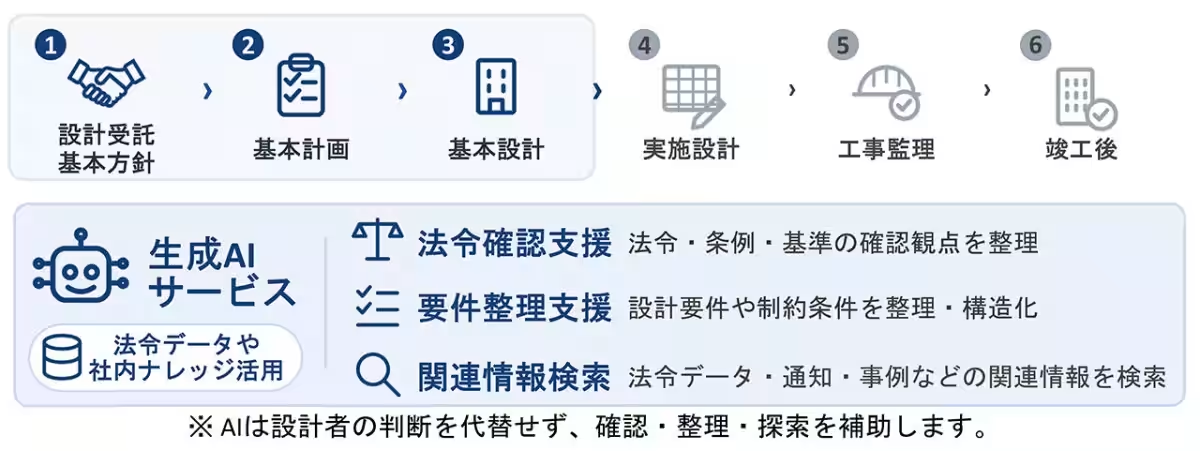
In response to these challenges, Obayashi Corporation has implemented generative AI solutions to optimize its regulatory research and requirements management in the early design stage. This innovative approach allows for the extraction and organization of relevant regulations and design requirements, along with the visualization of key considerations. The AI platform is designed to aggregate not only external regulatory data but also historical interpretations and verification insights accrued internally.
By integrating this knowledge into an AI agent platform, the company facilitates access to essential reference materials on pressing discussion points and considerations that need to be evaluated during the design's initial phases. This strategy not only enhances operational efficiency but also fosters improved communication and understanding between design teams and regulatory compliance departments. The proactive identification of risks during later design stages minimizes the chances of revisions and surprises late in the development process.
Evaluating the Impact of Generative AI
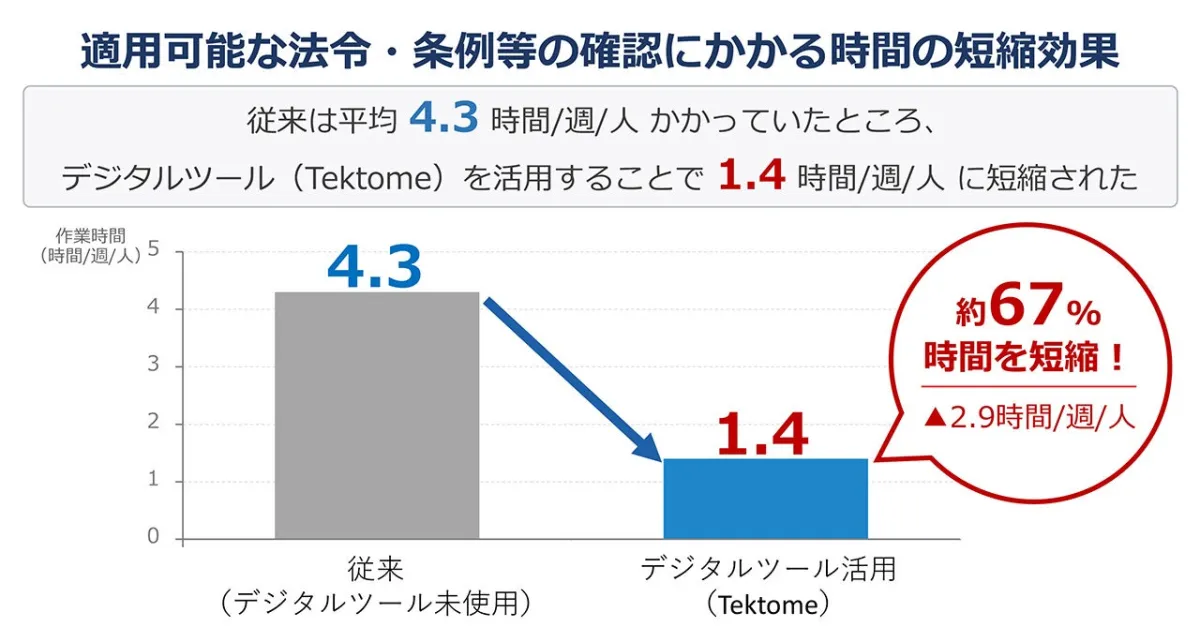
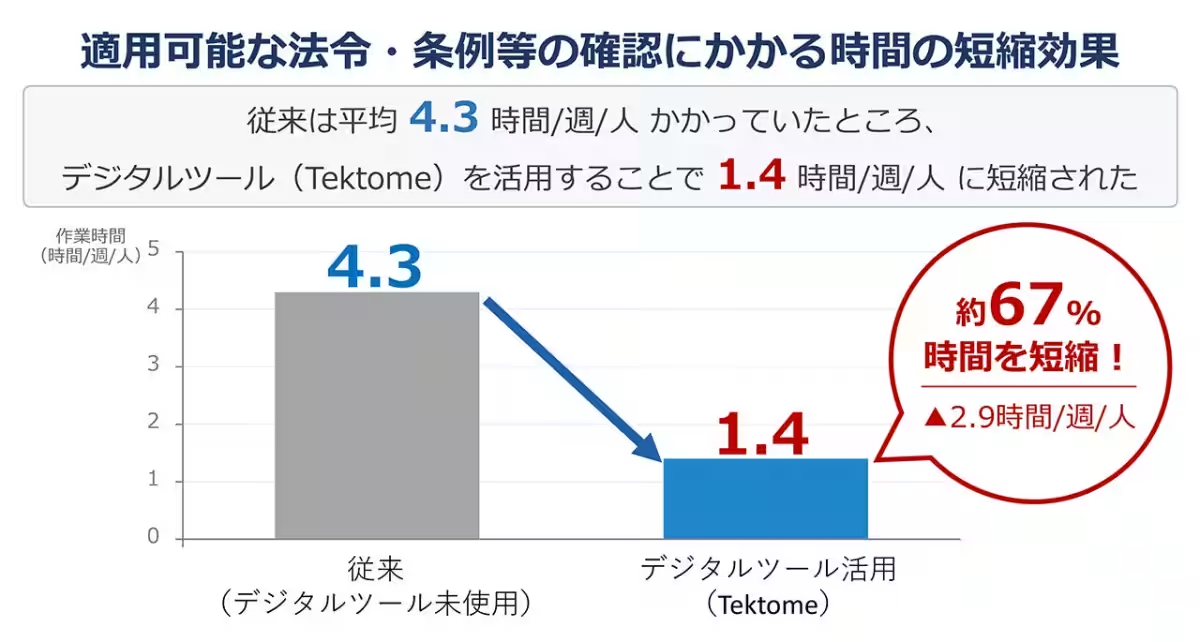
To assess the effectiveness of this generative AI implementation, a study was conducted involving practitioners directly engaged in regulatory compliance and design. The analysis yielded promising results that highlighted significant improvements, including a remarkable 67% reduction in the time required for regulatory research and requirements management.
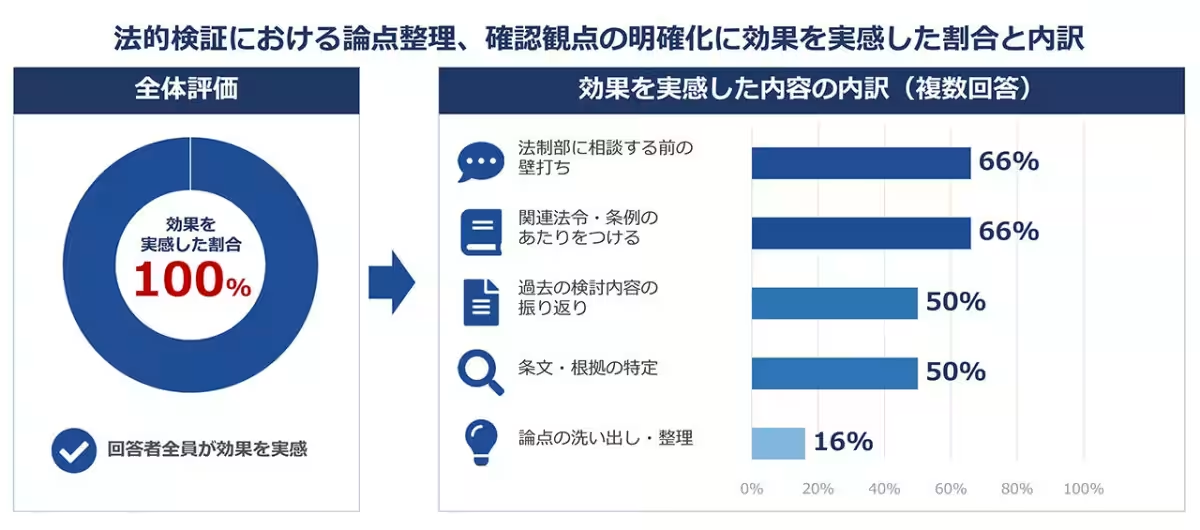
Additionally, an overwhelming 100% of participants reported a clear enhancement in the organization of discussion points and verification perspectives, further validating the potential of generative AI as an auxiliary tool in regulatory adherence and design efficiency.
Future Directions for Obayashi Corporation
Looking ahead, Obayashi Corporation aims to expand upon the insights gleaned through this initiative by deepening the capabilities of generative AI within the design process. This endeavor is crucial for enabling designers to focus more on creative aspects, rather than getting bogged down in compliance matters. The ultimate goal is to not only enhance regulatory compliance and improve design quality but also to elevate the value provided to clients. By weaving generative AI more seamlessly into its operations, Obayashi Corporation stands to reinforce its commitment to delivering superior design outcomes while adhering to strict regulatory standards.
In conclusion, the integration of generative AI in Obayashi's initial design processes marks a significant step toward modernization and efficiency in the construction sector, promising a future where creativity and compliance can thrive in harmony.
Note: The generative AI platform utilized in this project is Tektome, a specialized AI agent platform for the construction industry. The survey referred to was conducted specifically within the company's design department.
Topics Consumer Products & Retail)
【About Using Articles】
You can freely use the title and article content by linking to the page where the article is posted.
※ Images cannot be used.
【About Links】
Links are free to use.