



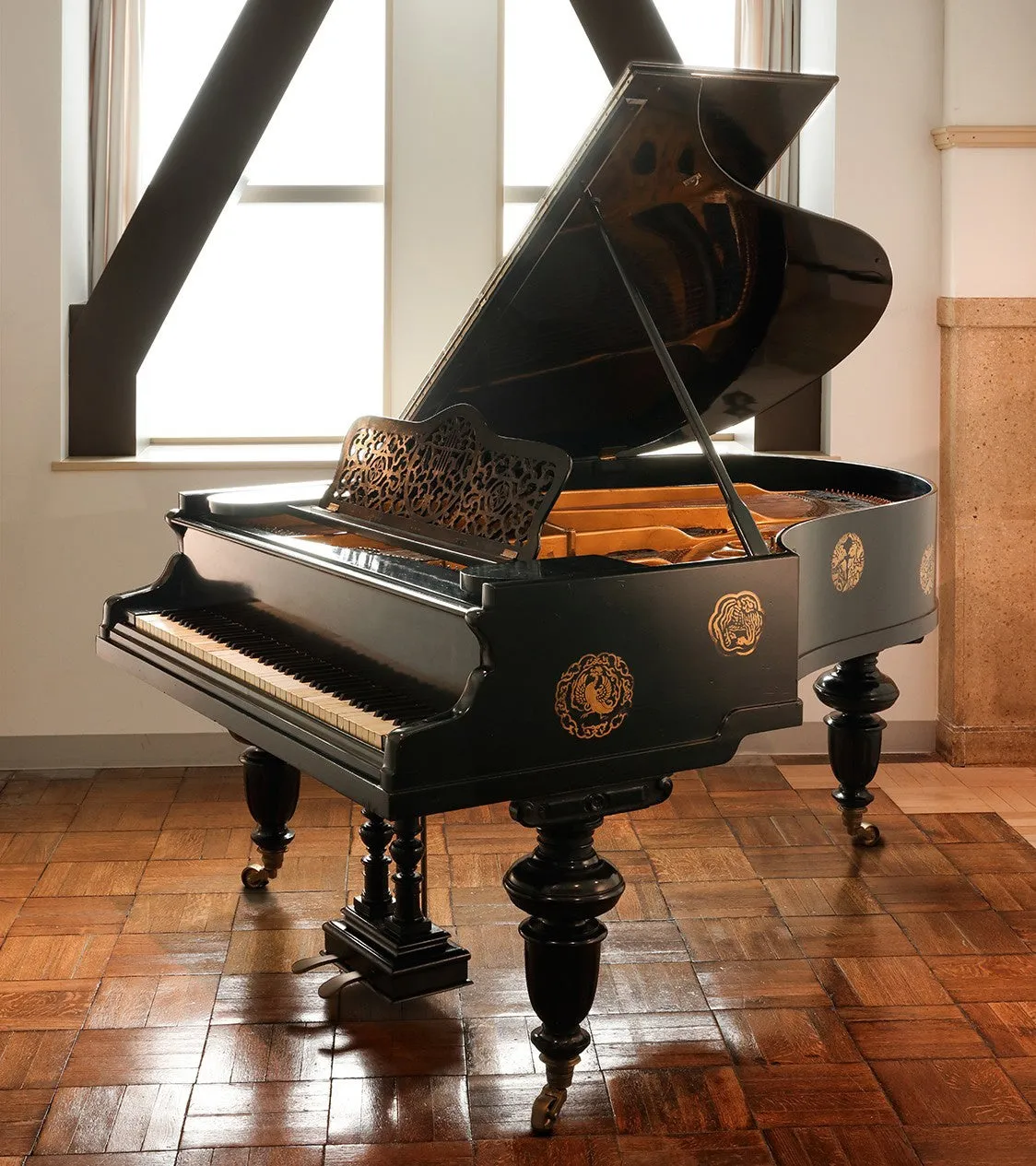
Yamaha Restores Historic Grand Piano, Reviving Japan's Musical Heritage
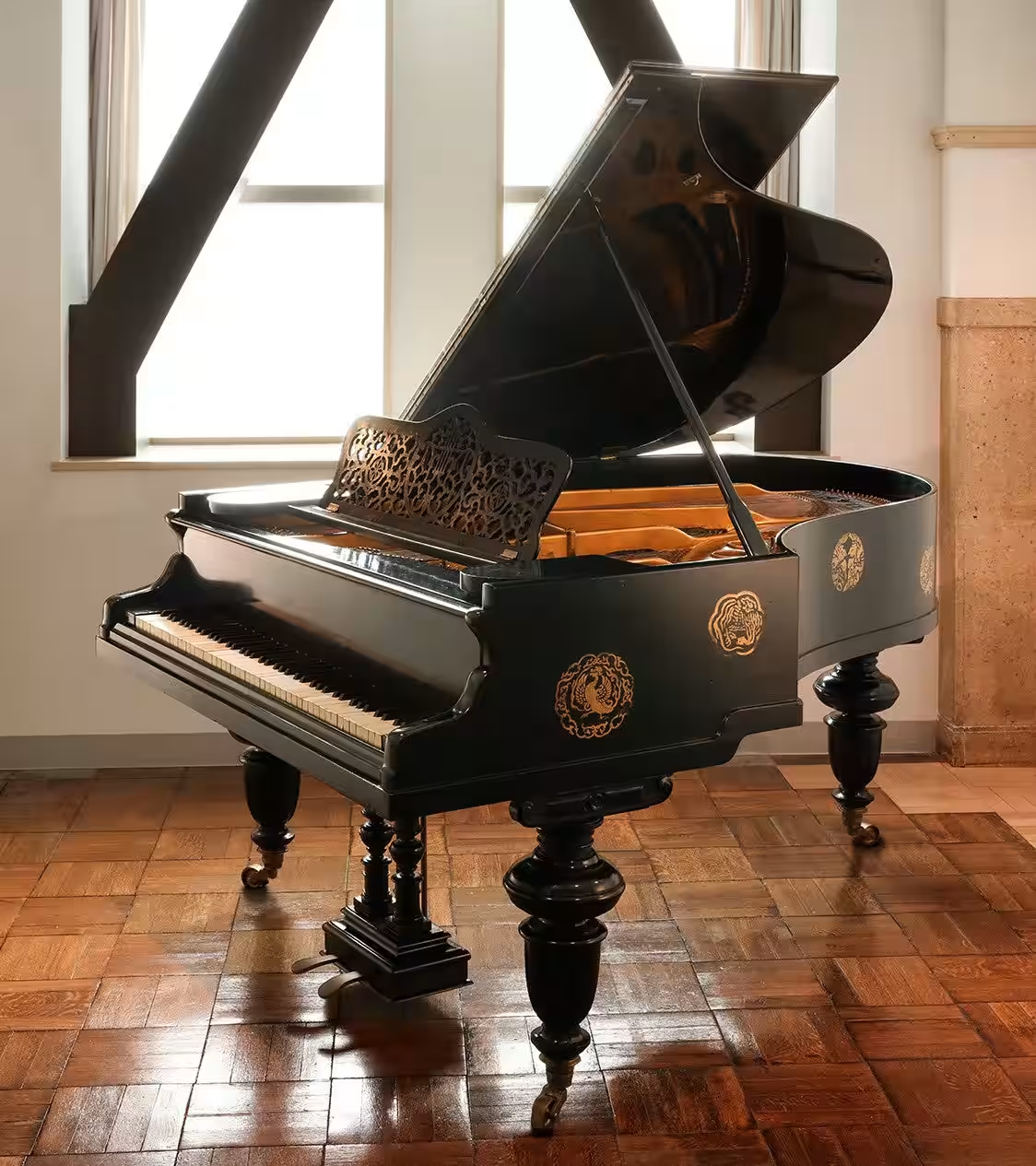
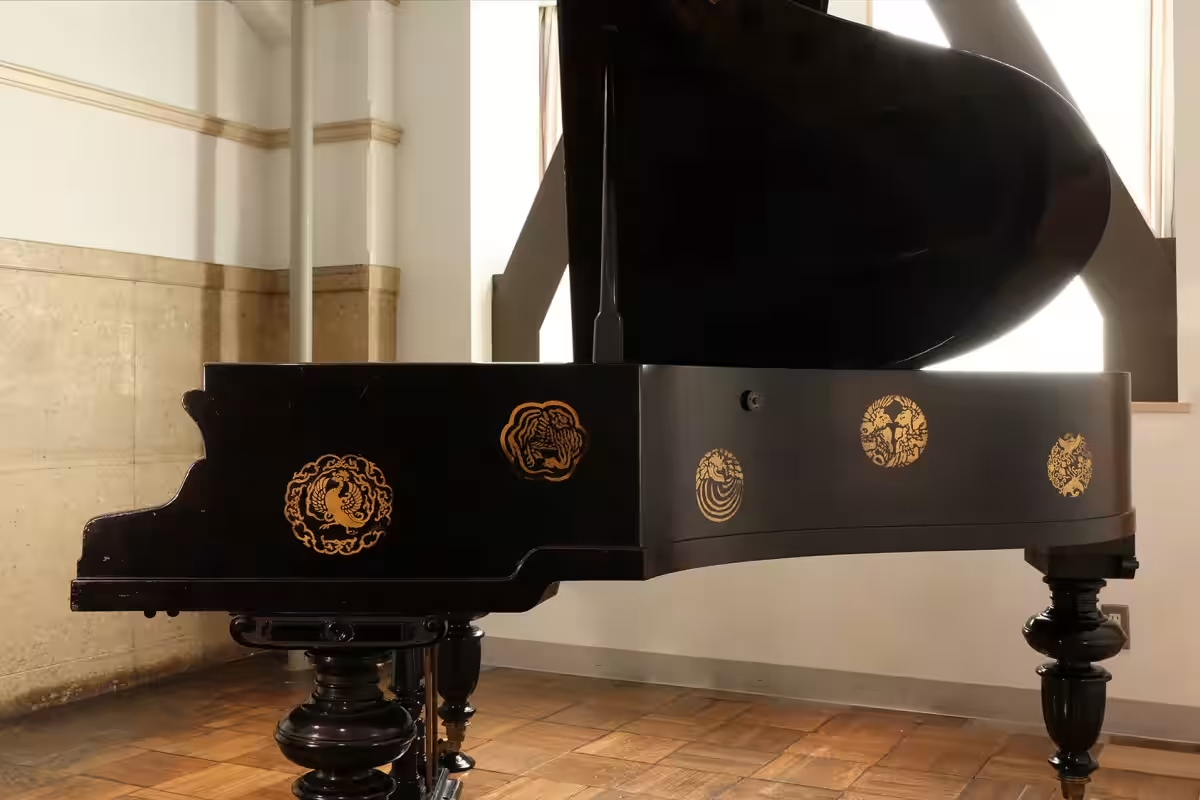
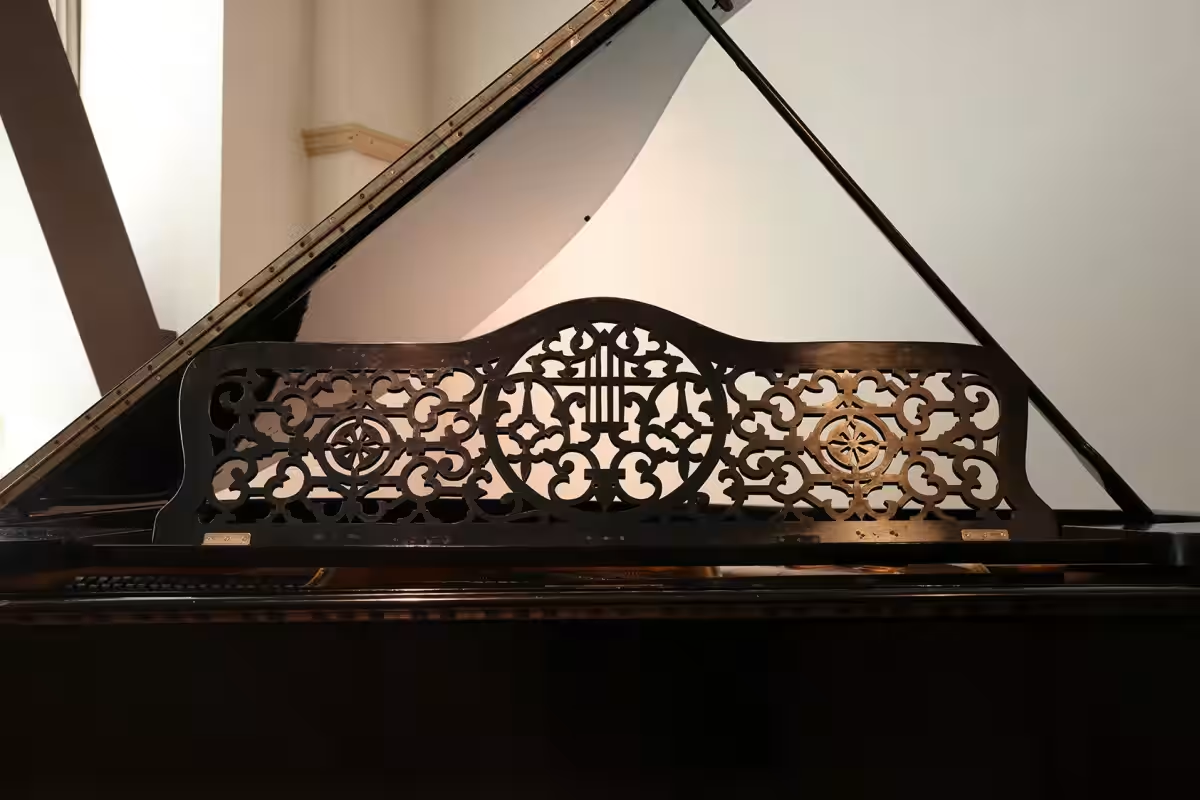
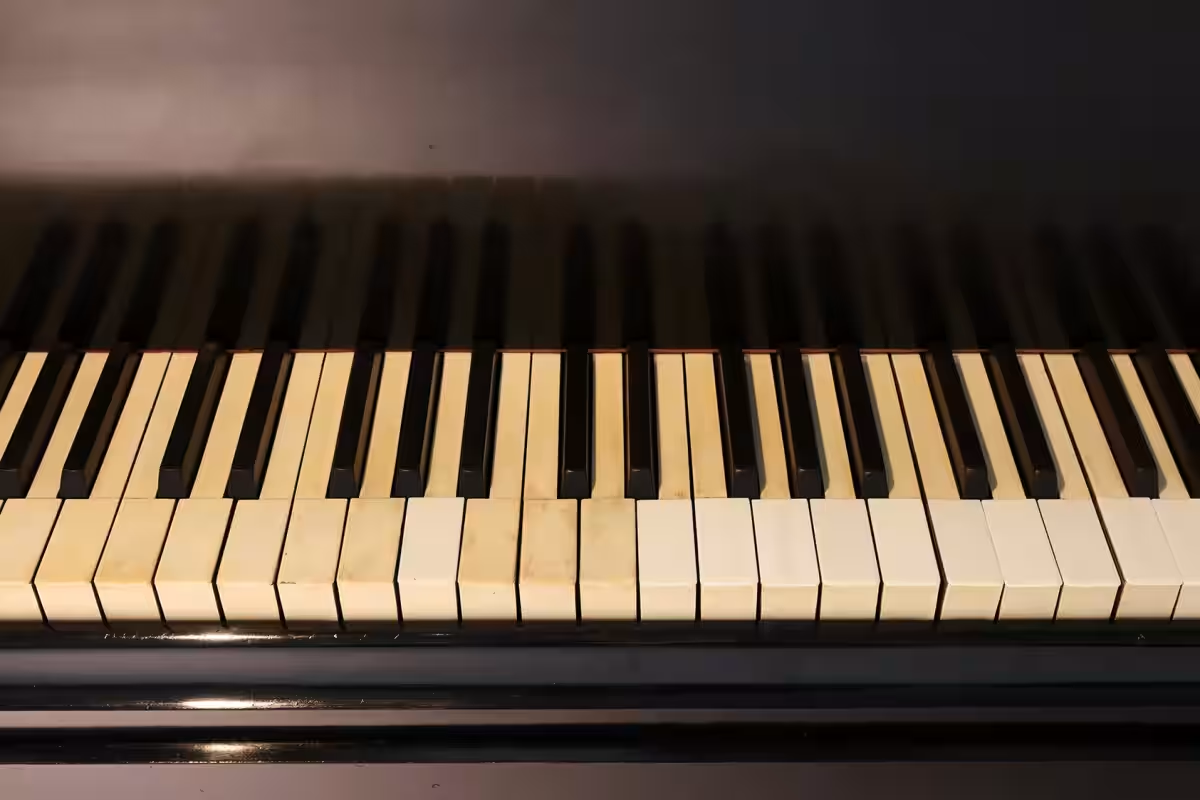
Through careful consultations, the restoration team prioritized maintaining the original components as much as possible. Past repairs were evident, yet the aim was not to restore it to playable condition through part substitutions. Instead, the original materials were preserved, and biodegradable adhesives were utilized for the restoration, guided by appropriate cultural asset preservation techniques from the university.
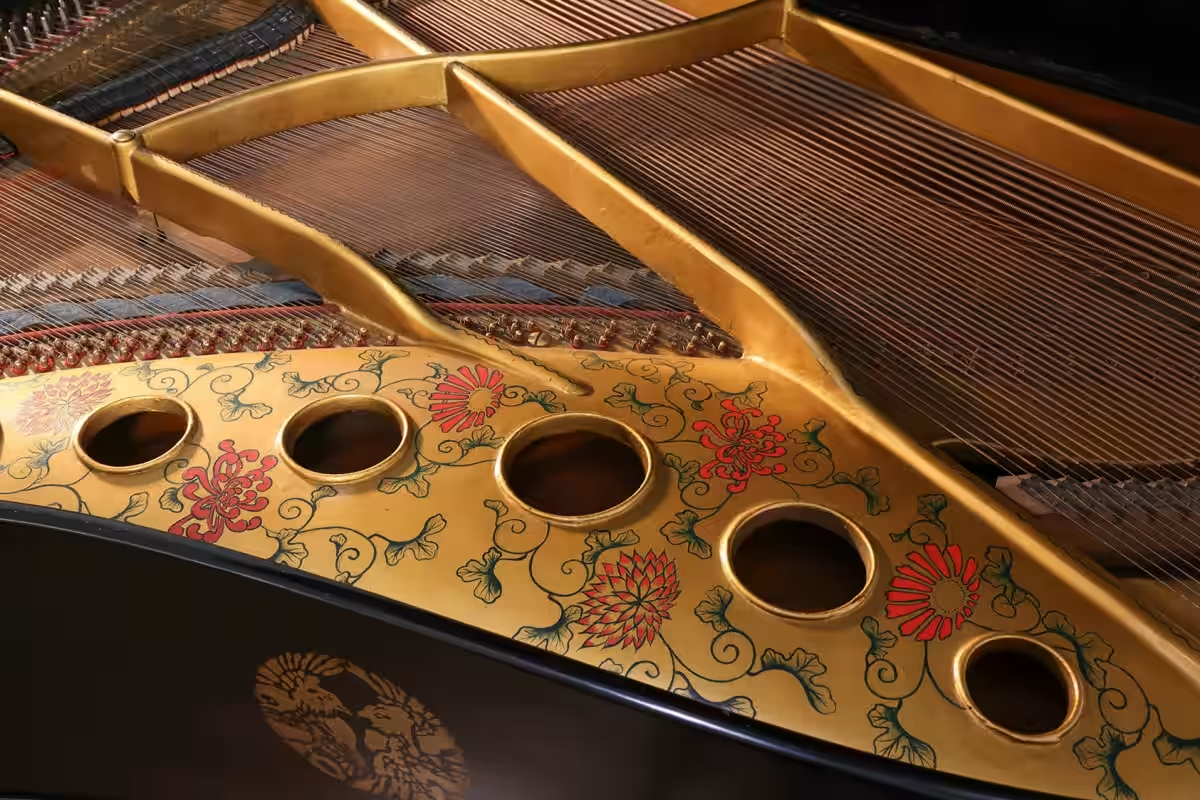
The Graduate School undertook the refinish and treatment of the urushi lacquer surface and maki-e, while Yamaha focused on cleaning the soundboard, strings, metal frame, and action. Some keys and wooden components that had been damaged were also repaired.
Timeline of Restoration
- - April 2024: Contract awarded by Minato Ward
- - July 2024: Piano moved from Minato City History Museum to Yamaha’s Kakegawa factory and Tokyo University of the Arts for restoration
- - March 2025: Restoration at Yamaha's Kakegawa factory completed; restoration at Minato City History Museum initiated
- - March 2026: Full restoration completed
Statements from Yamaha
Hitotsugu Izutani, Director of Yamaha's Piano Development Department, expressed gratitude for the opportunity to engage in the restoration of such a historically significant piece. He noted that the process allowed the team to directly observe the craftsmanship left by the original makers, which was an invaluable experience. Collaborating with the experts from Tokyo University of the Arts provided insights into the unique perspectives and techniques of cultural asset preservation and restoration.
Izutani continues, stating that this project not only contributes to preserving musical history but also plays a role in bridging diverse cultural sectors for future generations.
Conclusion
The restored grand piano reflects the enduring legacy of Japan's craftsmanship and serves as a tangible connection to the country’s rich cultural heritage. As it reenters the public eye, it is poised to inspire appreciation for the traditions and innovations that shaped Japan’s musical landscape.
References
1. Minato Ward Cultural Property General Catalog
2. The 5th National Industrial Exhibition Review
3. The Commemorative Photo Album of the 5th National Industrial Exhibition
4. Current Conditions of Nippon Gakki Company
Topics Entertainment & Media)









【About Using Articles】
You can freely use the title and article content by linking to the page where the article is posted.
※ Images cannot be used.
【About Links】
Links are free to use.