



Understanding Study Abroad Inquiry Trends: Insights from U-GAKU's Customer Interactions
Insights into Study Abroad Inquiries: U-GAKU’s Year of Data Analysis
In the world of international education, understanding customer inquiries is critical for improving services and meeting student needs. U-GAKU, managed by Crepity, recently undertook a comprehensive classification of inquiries received through their official LINE account over the span of twelve months. This study encompassed a total of 6,185 inquiries from 849 unique customers, exploring how these interactions showcased the reality behind study abroad decision-making processes.
Key Findings of the Inquiry Data
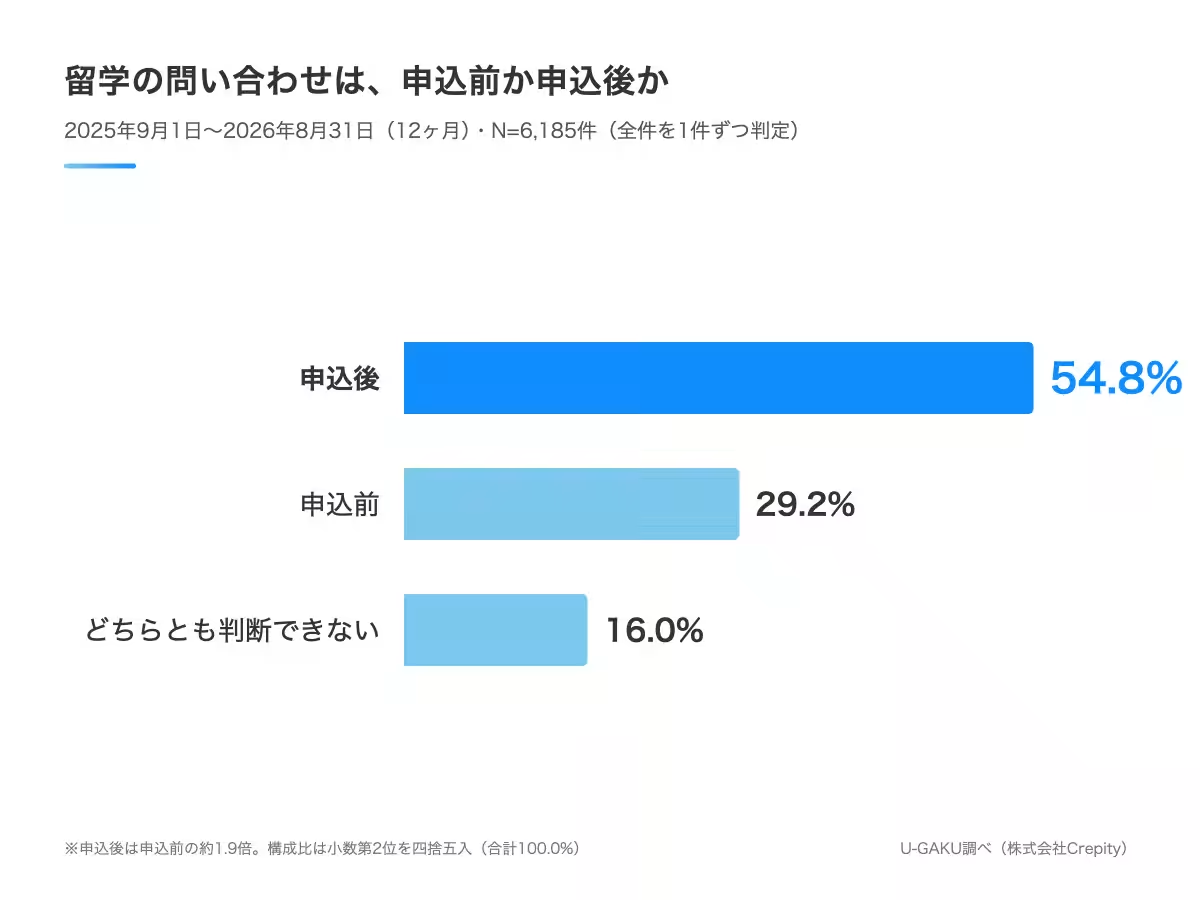
One of the most striking statistics emerging from this analysis is that inquiries made after application represented 54.8% of the total interactions, whereas 29.2% were made before application. This indicates a substantial shift towards post-application communications, essentially 1.9 times more prevalent than pre-application queries. This shift suggests a significant emphasis on supporting prospective students after they have decided to enroll, underlining that the real action and support occur after the decision to study abroad is made.
Inquiry Categories Breakdown
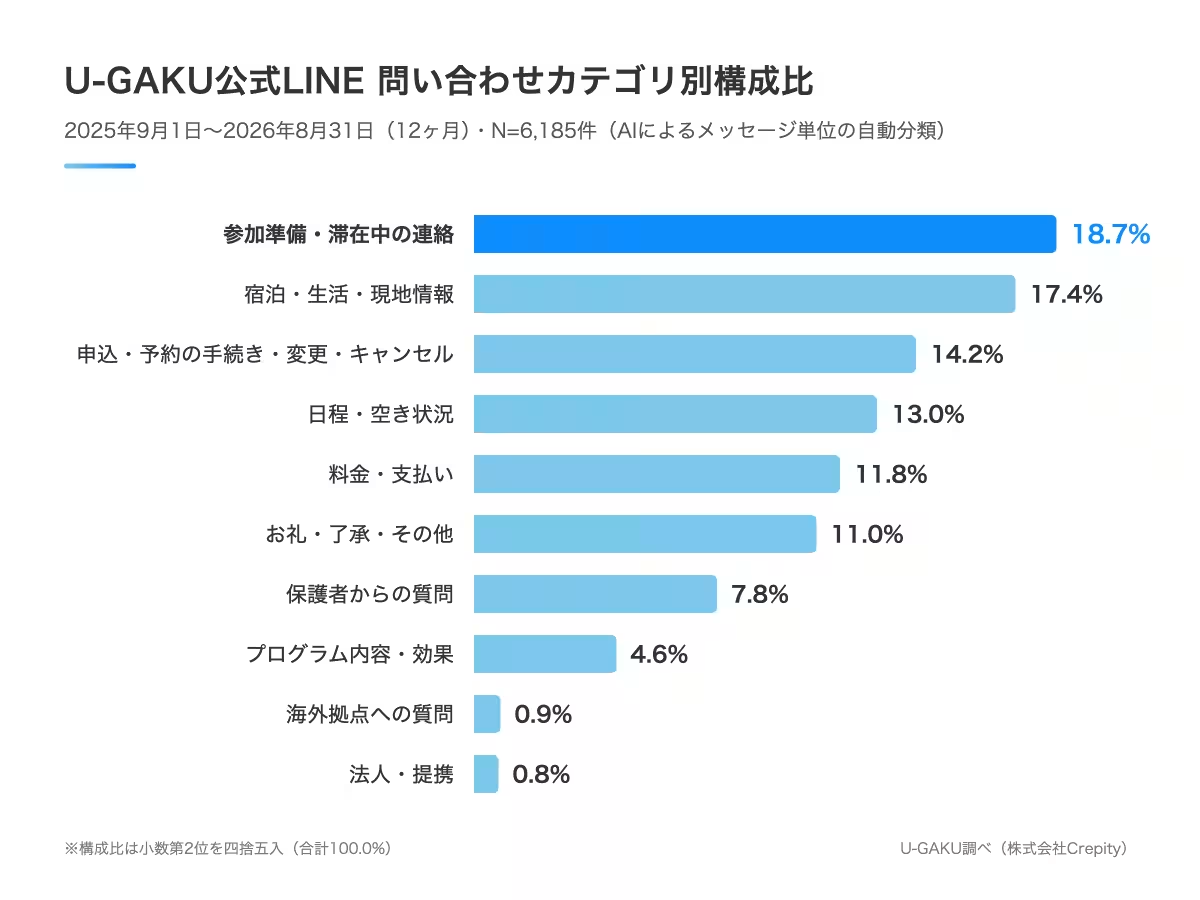
Among the types of inquiries, the most common category was 'preparation for participation and communication during stay', accounting for 18.7% of total inquiries. This finding underscores the importance of operational efficiency and communication in ensuring students feel supported throughout their journey. Interestingly, while many inquiries involved room and living conditions, a notable 54.5% of queries regarding costs and payments came from those who had already registered, indicating that questions about financial aspects often appear post-enrollment.
Moreover, feedback categorized as requiring immediate attention was primarily concentrated in post-application inquiries, with 28.8% deemed urgent, contrasted against only 13.6% prior to application. Consequently, inquiries after subscribing surged, averaging 9.5 messages per customer, thus doubling the volume and urgency compared to the pre-application phase.
Seasonal Patterns in Inquiry Topics
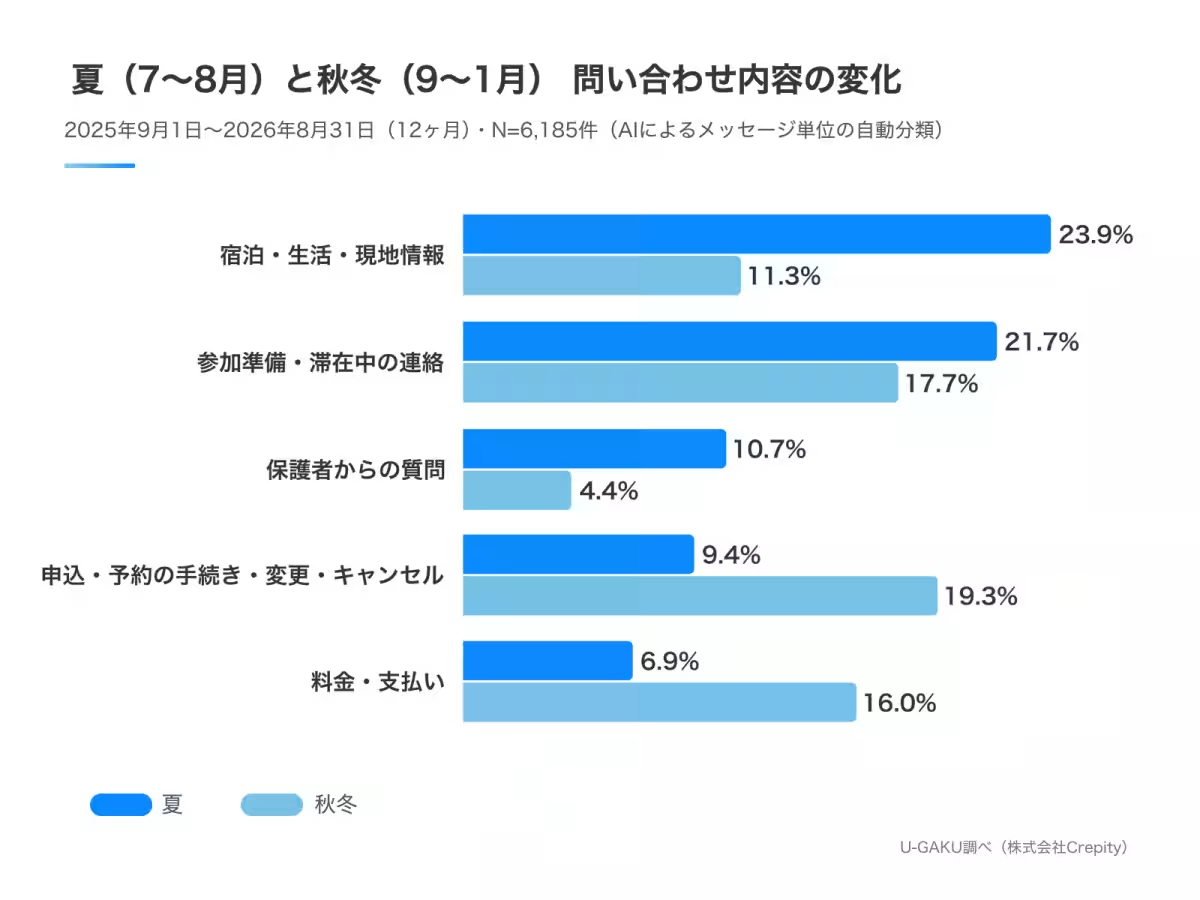
To add further depth, analyzing the inquiries by season revealed distinct fluctuations in the nature of questions. During the peak summer months (July-August), inquiries related to living conditions and local information rose dramatically, showing an acute concern for practical living aspects during students' stays. In contrast, inquiries during fall and winter predominantly revolved around application processes and fees, reflecting a shift towards pre-enrollment uncertainty.
Parents’ Concerns Transitioning Post-Enrollment
Another crucial insight derived from the data is the rising anxiety among parents about their children’s experiences while abroad. Questions sent from parents rose sharply to 10.7% in the summer months, with 70.3% of such inquiries occurring post-enrollment. This pattern illustrates that parental support shifts from pre-departure inquiries to concentrated worries once their children are overseas, emphasizing the need for comprehensive support services tailored to families.
Company Structure Influences Inquiry Nature
Significantly, U-GAKU operates under a unique structure where the same company both recruits participants and manages the educational programs overseas. This integrated approach lends itself to a seamless flow of inquiries through a single portal, enhancing response coherence and improving customer satisfaction.
Implementation of AI in Inquiry Management
The classification of these inquiries was performed using a custom-built AI system powered by Anthropic's Claude and implemented by Crepity. While the AI aids in categorizing and summarizing inquiries based on urgency, human operators ensure that all customer communications are managed with a personal touch. This mixed approach guarantees that customers are heard and engagement quality is maintained.
Conclusion: Emphasizing the Continuity of Support
According to Katsuya Namikubo, CEO of Crepity, the results from this inquiry classification substantiate that providing support is crucial even after students commit to studying abroad.
U-GAKU aims to redefine the study abroad experience, seeking not only to improve academic proficiency but also to foster new perspectives and possibilities for students through diverse encounters abroad. As trends in customer interactions evolve, ongoing adaptations will be essential to refine services aimed at future international students.
For more information on U-GAKU’s programs, visit their official website: U-GAKU.

Topics Other)








【About Using Articles】
You can freely use the title and article content by linking to the page where the article is posted.
※ Images cannot be used.
【About Links】
Links are free to use.