



Investment and Asset Management Trends: Insights from NTT Data Ebiq Survey
Investment and Asset Management Trends: Insights from NTT Data Ebiq Survey
On August 31, 2026, NTT Data Ebiq, headquartered in Minato, Tokyo, released key findings from its latest survey on financial services preferences, conducted in April 2026. This comprehensive study aimed to understand the investment behaviors of individuals aged 18 to 69 across Japan, as well as their interactions with local financial institutions. It explored topics such as investment awareness, the necessity for a unified management approach among financial services, the role of web consultations, and the incorporation of generative AI in investment practices.
Rising Investment Awareness
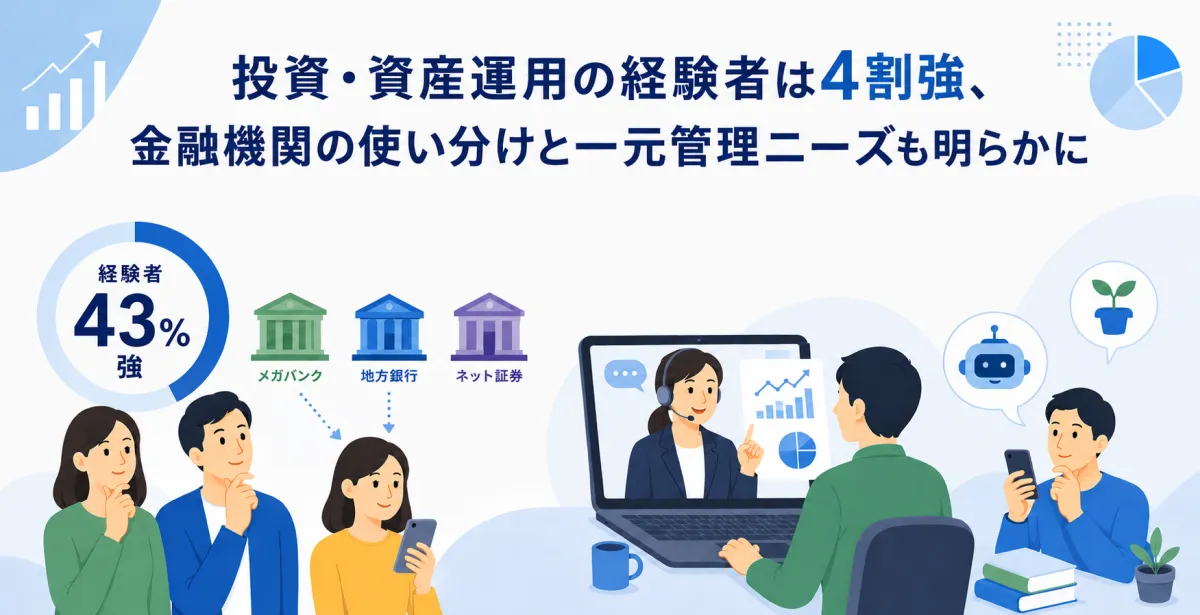
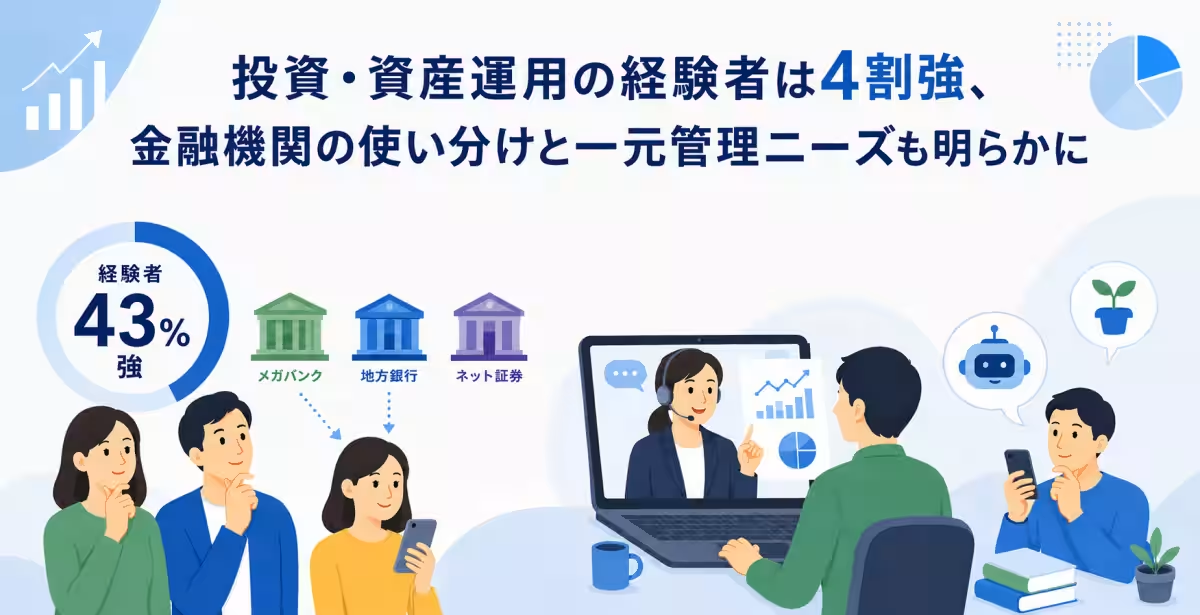
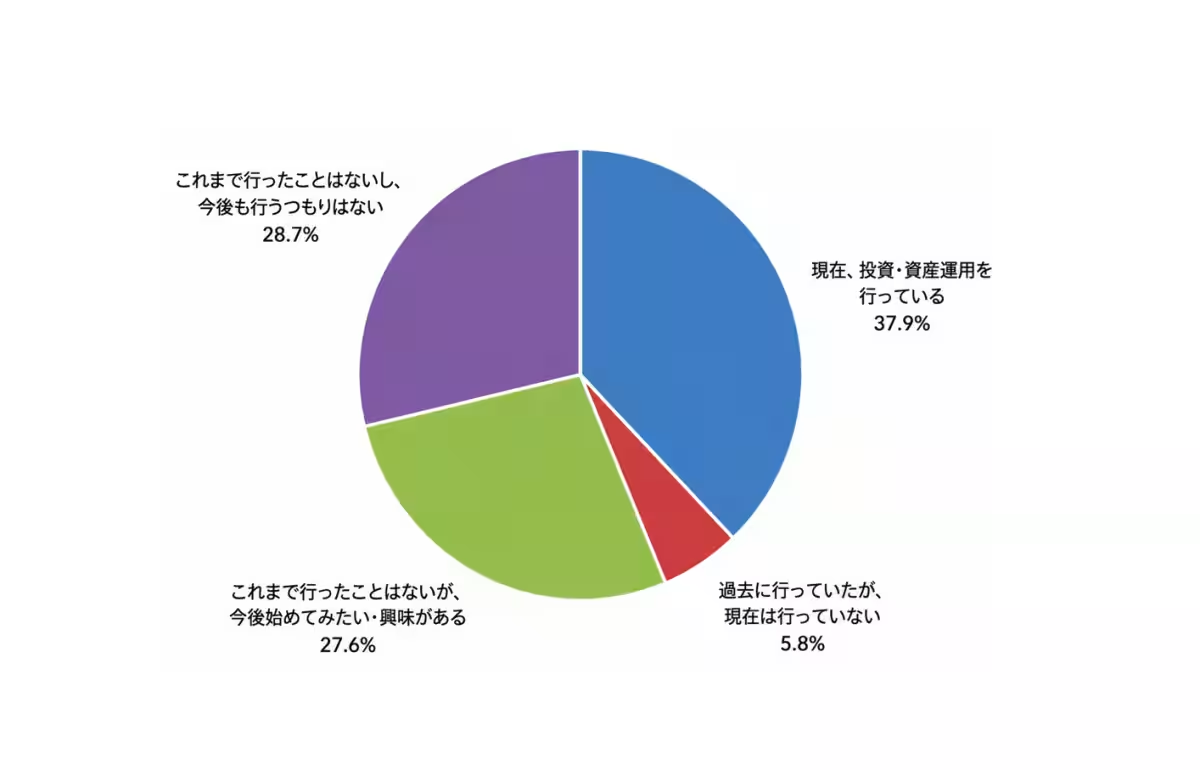
The findings revealed that over 43.7% of respondents have experience in investment or asset management, with 37.9% actively investing today. Interestingly, the survey also found that 27.6% of those without prior investment experience expressed a desire to begin investing in the future. These insights indicate a significant growth in investment consciousness among the population, suggesting that financial education and accessibility will play a crucial role in fostering a more investment-savvy society.
Distinction Among Financial Institutions
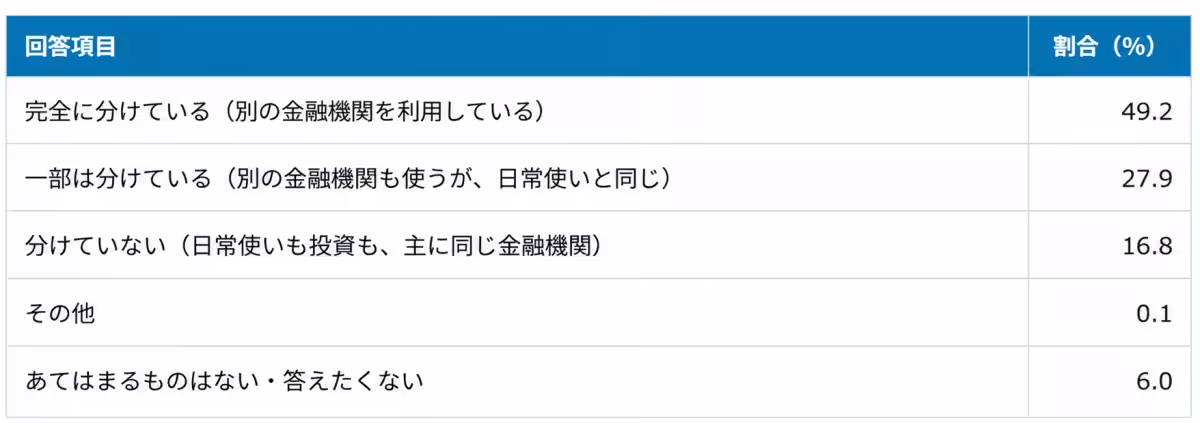
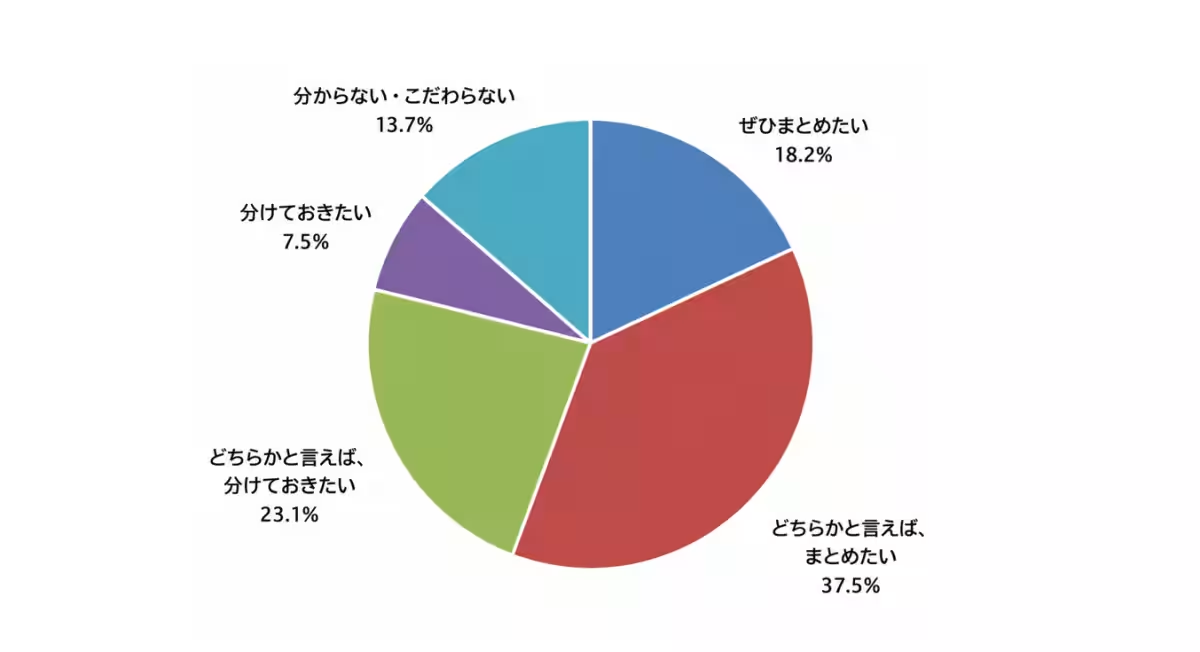
A substantial 77.1% of those with investment experience reported dividing their financial transactions between daily funds management institutions and those meant for investments. However, the study also highlighted a strong inclination towards consolidating their financial dealings. In cases where product offerings and fees were comparable, 55.7% of respondents preferred to simplify their financial management by using one institution.
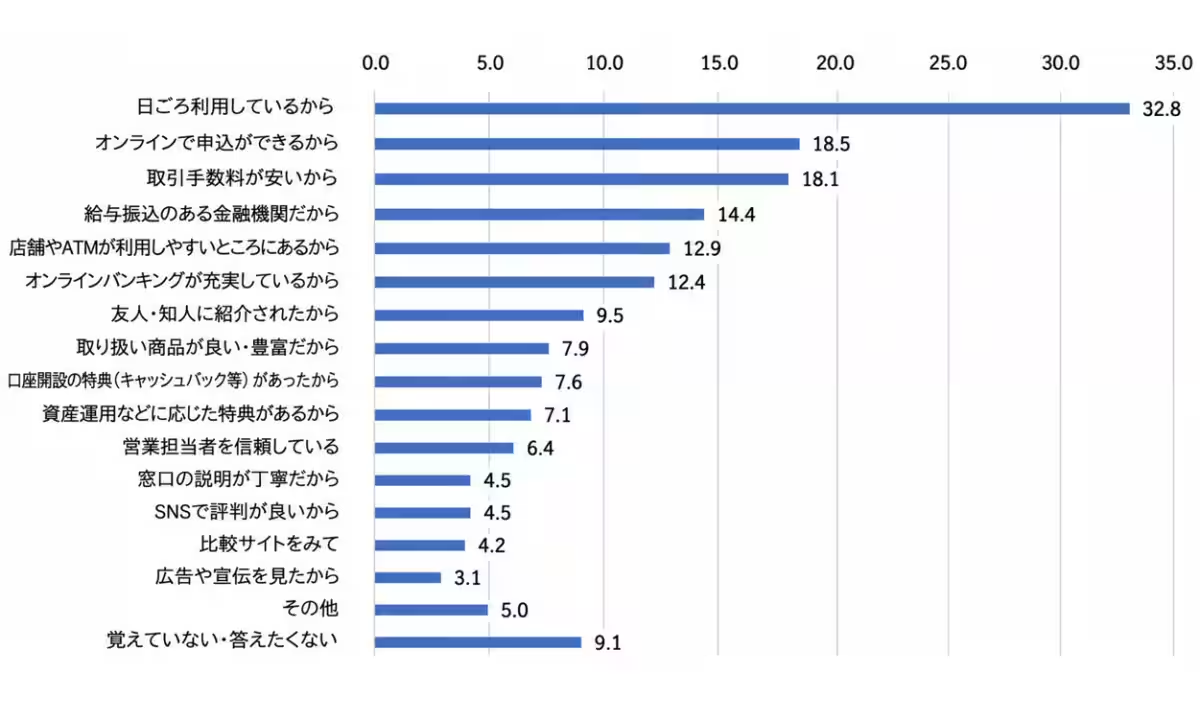
The reasons behind choosing particular institutions were also noteworthy: 32.8% stated they preferred institutions they commonly used, while 18.5% appreciated the ease of online applications and 18.1% opted for lower transaction fees. This trend underscores the necessity for institutions to not only offer competitive products and fees but to elevate their overall user experience.
The Role of Local Financial Institutions
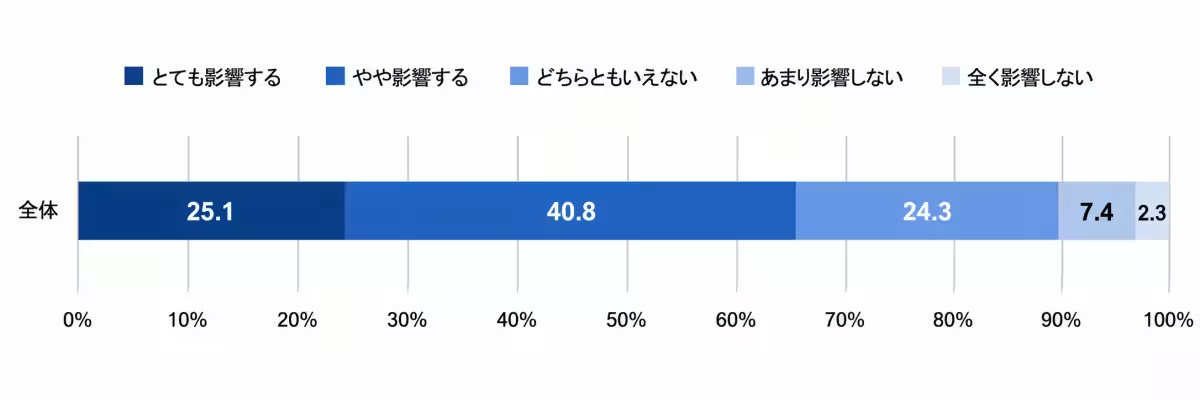
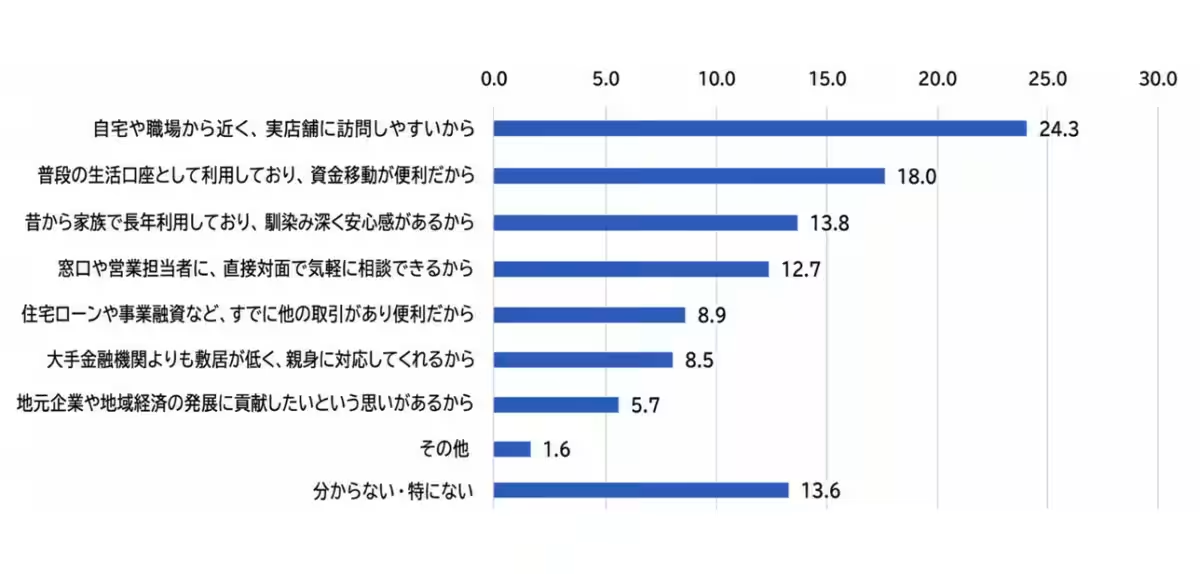
The survey pointed out that local institutions hold a valuable position in the financial landscape. About 24.3% of respondents preferred regional banks for their proximity, making it easier to access in-person consultations. Furthermore, 65.9% of individuals indicated that trust and familiarity with their banks significantly influenced their decision-making concerning asset management.
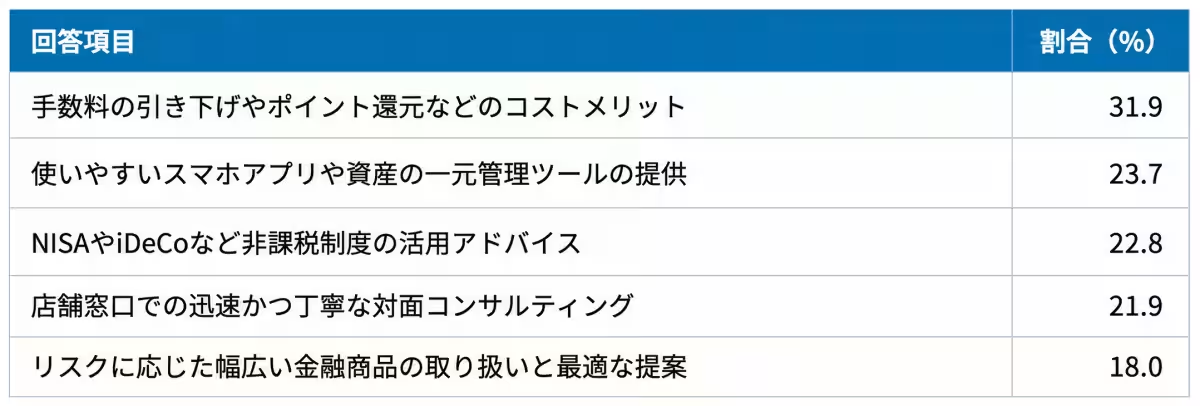
Expectations from local institutions centred around reducing fees and enhancing rewards, with 31.9% expressing a desire for such economic incentives. Additionally, there is a growing demand for user-friendly digital platforms, as well as support for navigating programs like NISA and iDeCo.
Increased Interest in Virtual Consultations
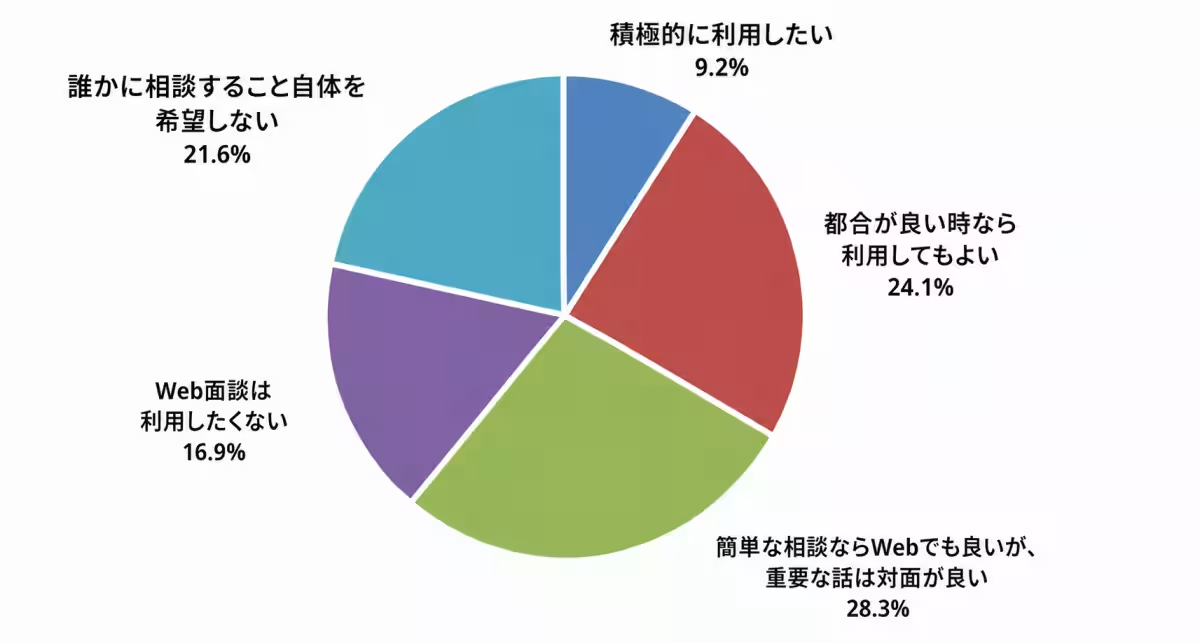
The willingness to seek financial advice also rose, with 78.4% of respondents indicating openness to consultations with financial advisors. Notably, 61.5% expressed interest in utilizing web-based meetings for discussions, which reflects a shift towards more flexible and accessible consultation methods.
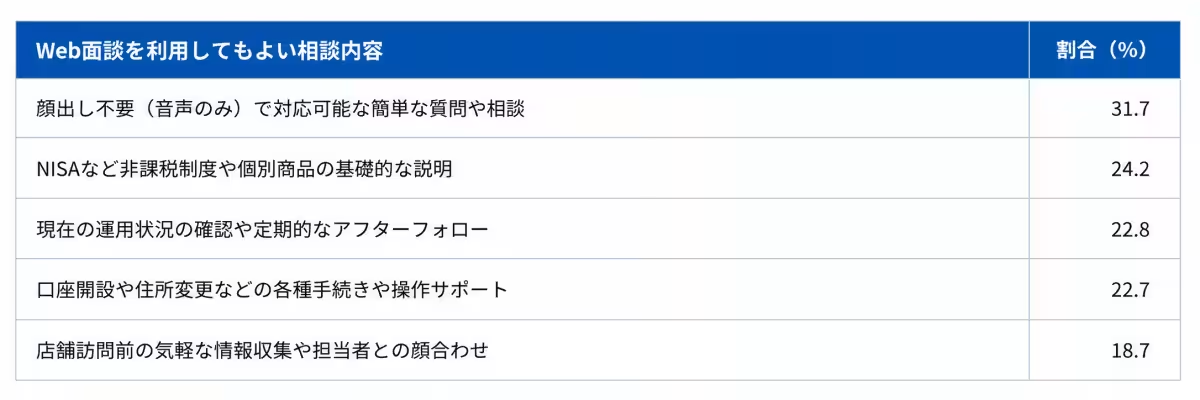
When considering the types of inquiries suitable for online meetings, 31.7% preferred discussions that did not necessitate face-to-face interactions, especially for simple questions or assistance with NISA-related topics. This trend suggests a considerable opportunity for financial institutions to leverage technology, such as generative AI, to enhance client engagement and service provision.
Conclusion
The 2026 Financial Services User Intent Survey highlights evolving trends in investment attitudes and the necessity for financial institutions to adapt to modern demands. As the investment landscape becomes increasingly complex, a balanced approach combining digital tools with personal interactions will be essential. Interested readers can download the full survey summary from NTT Data Ebiq's news page for further insights into these critical findings.
For more detailed insights, NTT Data Ebiq also offers a comprehensive report on this survey, available upon request.

Topics Financial Services & Investing)
【About Using Articles】
You can freely use the title and article content by linking to the page where the article is posted.
※ Images cannot be used.
【About Links】
Links are free to use.