



Examining Two Decades of Senior Imagery in Japan's Stock Photos
Overview: Transforming Perceptions of Seniors in Japan
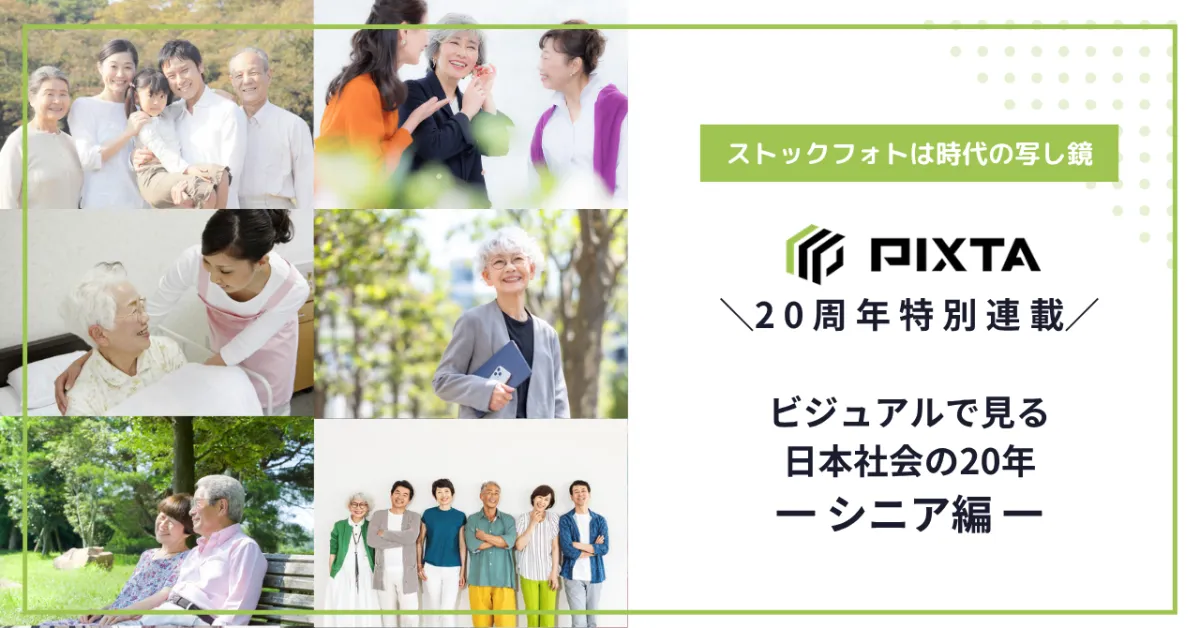
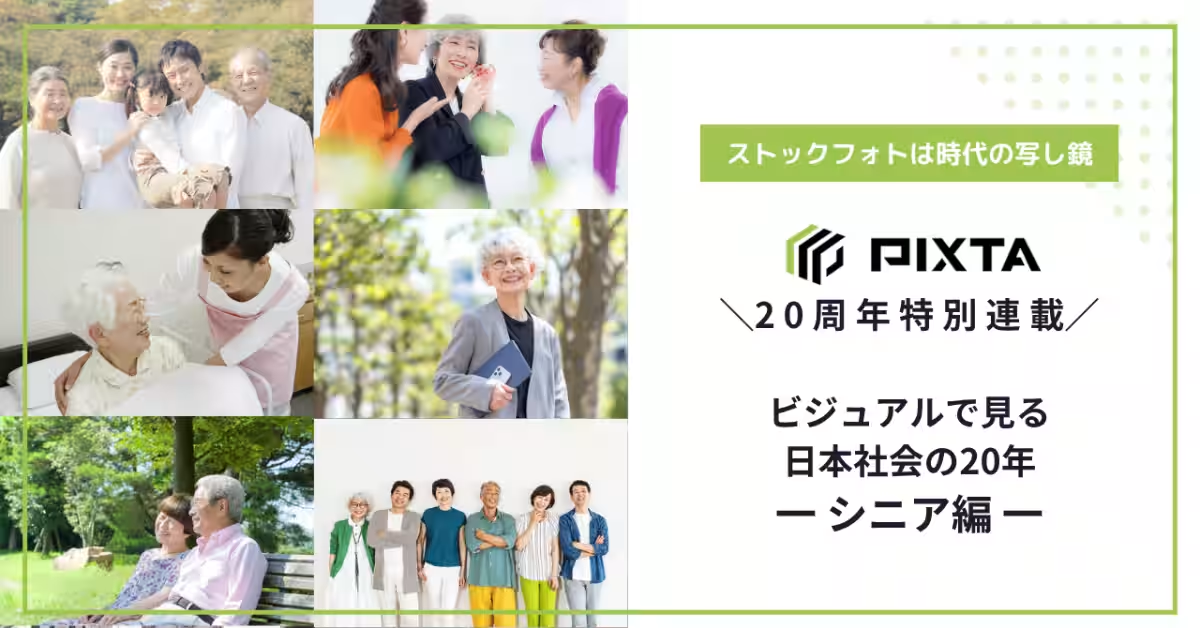
As PIXTA Inc. (Tokyo, Shibuya, CEO: Daisuke Komata, TSE Standard: 3416) approaches its 20th anniversary in May 2026, it has launched a special series titled "Visualizing 20 Years of Japanese Society." This ongoing project, featuring a dedicated website titled "PIXTA's Reflection of Japanese Society in 20 Years," aims to analyze how the imagery of seniors has evolved over two decades, particularly in light of data accumulated since the service's inception.
Ahead of Respect-for-the-Aged Day on September 21, the second installment of the series focuses on the theme of 'Seniors.' By utilizing search data and sales trends from the past 20 years, the project sheds light on the transformation of how seniors are visually represented in stock imagery. Stock photos serve as a mirror reflecting the idealized forms sought by businesses and media of the time. By redefining the extensive archive built over these 20 years as a 'cultural asset of Japan,' this analysis unwraps the deepening values within Japanese society through changing visual data.
Analysis Summary
- - Analyzing Organization: PIXTA Inc.
- - Analysis Period: May 2006 – June 2026 (20 years since service launch)
- - Data Focus: Sales and keyword search data of images and videos on "PIXTA"
- - Theme: Evolution of visual expressions related to seniors
Background
With the looming '2025 Problem' where all members of the baby boomer generation will be 75 years or older, Japan is entering a full-fledged ultra-aging society. The cultural attitude towards this demographic has shifted significantly, with notions like '100 years of life' and 'active seniors' gaining ground, resulting in diversified lifestyles among the senior population. Furthermore, the rapid adoption of smartphones and computers among the elderly has transformed their engagement with technology. As this release illustrates, the visual narrative has shifted from depicting seniors as 'the supported' 20 years ago to highlighting them as 'individuals actively living their own lives' today.
Comparing Historical and Current Representations of Seniors
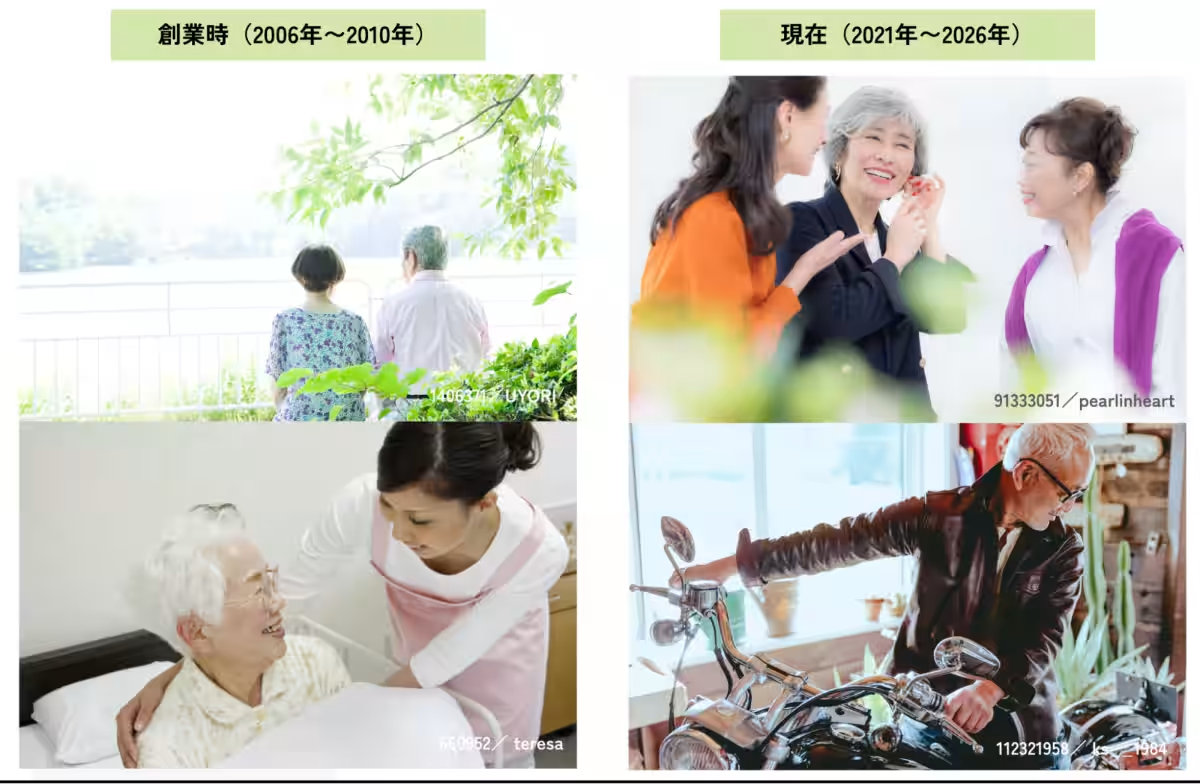
From the beginning of the service until 2010, many images featured seniors as integral parts of family structures, whereas today, the focus has moved to portraying them as individuals. This transition from 'the supported' to 'active individuals' encapsulates a significant shift in the public's perception of seniors.
| Aspect | 2006-2010 | 2021-2026 |
|---|---|---|
| ---- | -------- | ---------- |
| Popular Subjects | Seniors as family or couple members | Seniors as individual portraits |
| Color Palette | Soft tones like beige and grey | Bright, stylish attire |
| Representation | Passive, cared-for figures | Independent, proactive images |
| Usage Context | Photo ads and brochures | Web articles, social media, and governmental materials |
| Key Terms | Baby boomers, retirement, senior market | 2025 Problem, digital engagement, active aging |
Shifts in Senior Imagery Over 20 Years
The analysis reveals that over the past two decades, senior imagery has undergone three significant phases that align with societal changes:
1. 2006-2010: The Era of 'Picturesque Happy Retirement'
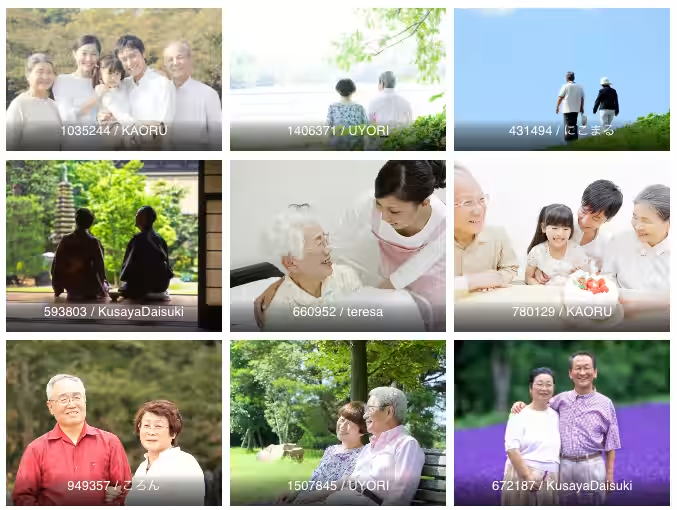
- Predominantly featured couples strolling in parks, three-generational family portraits, and smiling seniors on golf courses. This representation was influenced by the retirement of the baby boomer generation around 2007-2008, marking a significant moment that popularized the term 'senior market' in advertising. During this period, seniors were depicted as enjoying leisurely activities such as travel and spending time with grandchildren. However, themes of employment or digital engagement were not yet prevalent in these visuals.
2. 2011-2020: A Period of Stability
- The following decade saw little change in imagery. Active couples and families continued to dominate the scene, reflecting themes of golf, walking, and gardening. The introduction of the term 'active seniors' in 2016 began to shift visual representations toward somewhat younger expressions. However, visuals focused on employment or community participation remained limited.
3. 2021-2026: Transitioning from 'Leisure' to 'Everyday Life'
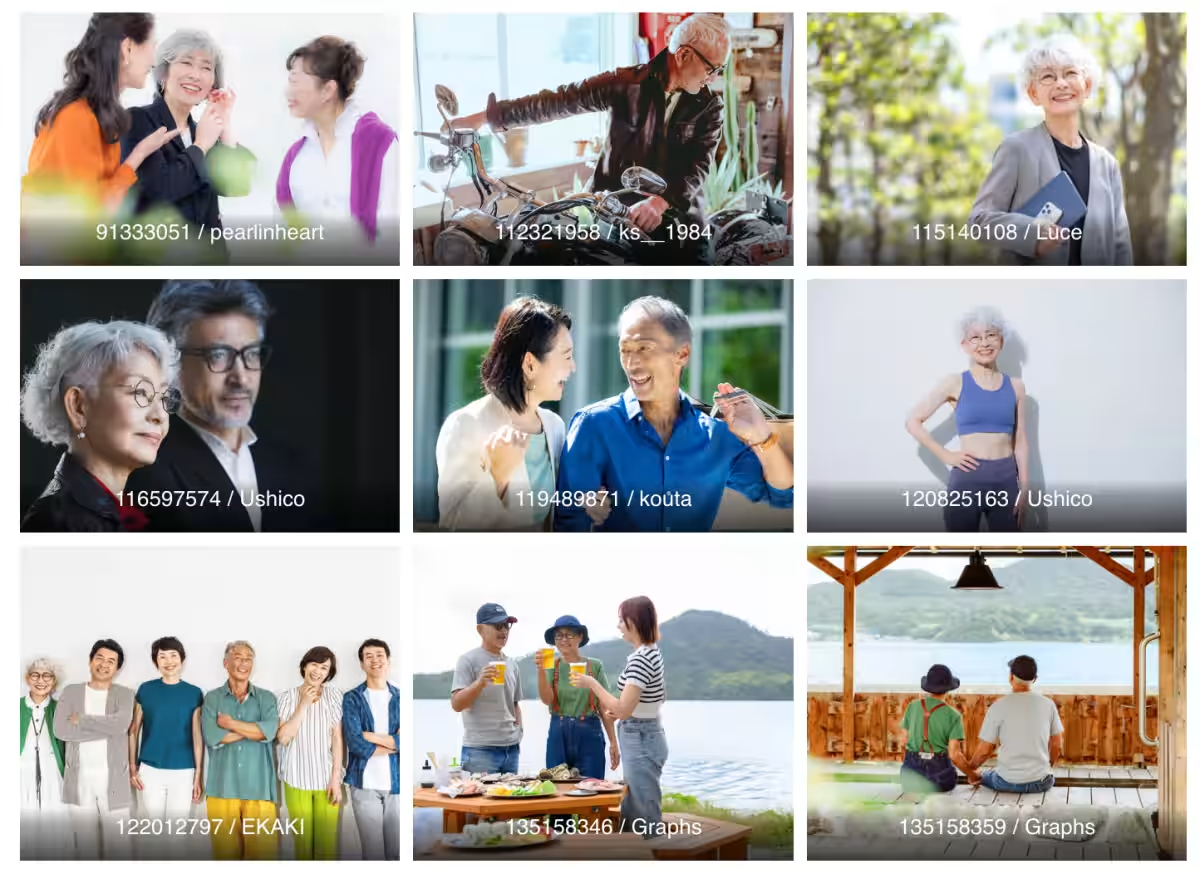
- Current leading stock photo themes showcase seniors navigating technology, thriving in workplaces, and engaging in activities like yoga and bowling. The pandemic has accelerated digital engagement among seniors, raising expectations for their active roles in society. Phrases like '100 year life span' and 'continuing to work throughout life' reflect this new outlook. Seniors are now portrayed not just as consumers in need of care but as active participants in society, rewriting the narrative around aging.
Key Imagery Trends Today
The breadth of current popular imagery captures a diverse range of senior activities, including technological proficiency and self-sufficient lifestyles. The shift is also evident in search trends, with more papers searching for images of seniors independently engaging rather than in family contexts. The intention behind these images has evolved from marketing for brochures to a focus on online articles, social media, and government information. The outdated patterns in representing seniors indicate a growing misalignment with their real-life experiences.
The Value of Data for AI Learning
This project also contributes to the development of AI, providing a cultural diversity foundation through its expansive dataset. This series is only one part of a comprehensive exploration of how Japanese visuals have shifted over 20 years. PIXTA records the cultural and societal changes across fields and hopes to carry this legacy forward.
Future Outlook
PIXTA envisions transitioning from a mere stock photo enterprise to a repository of Japanese culture's data archive. Continuing the series "Visualizing 20 Years of Japanese Society," we will periodically share diverse analyses.
About PIXTA
Launched in May 2006, PIXTA serves as a marketplace for anyone to buy or sell digital assets, including photos, illustrations, videos, and music related to the Japanese culture. The platform is now regarded as Japan's leading digital asset site, providing creative resources and supporting AI development through annotated data services. Additionally, the company offers tailored photography services, connecting businesses with local photographers to fulfill various visual needs.


Topics Consumer Products & Retail)









【About Using Articles】
You can freely use the title and article content by linking to the page where the article is posted.
※ Images cannot be used.
【About Links】
Links are free to use.