



Unraveling the Contradictory Use of Pubellarin in Osaka City Meetings
Unraveling the Contradictory Use of Pubellarin in Osaka City Meetings
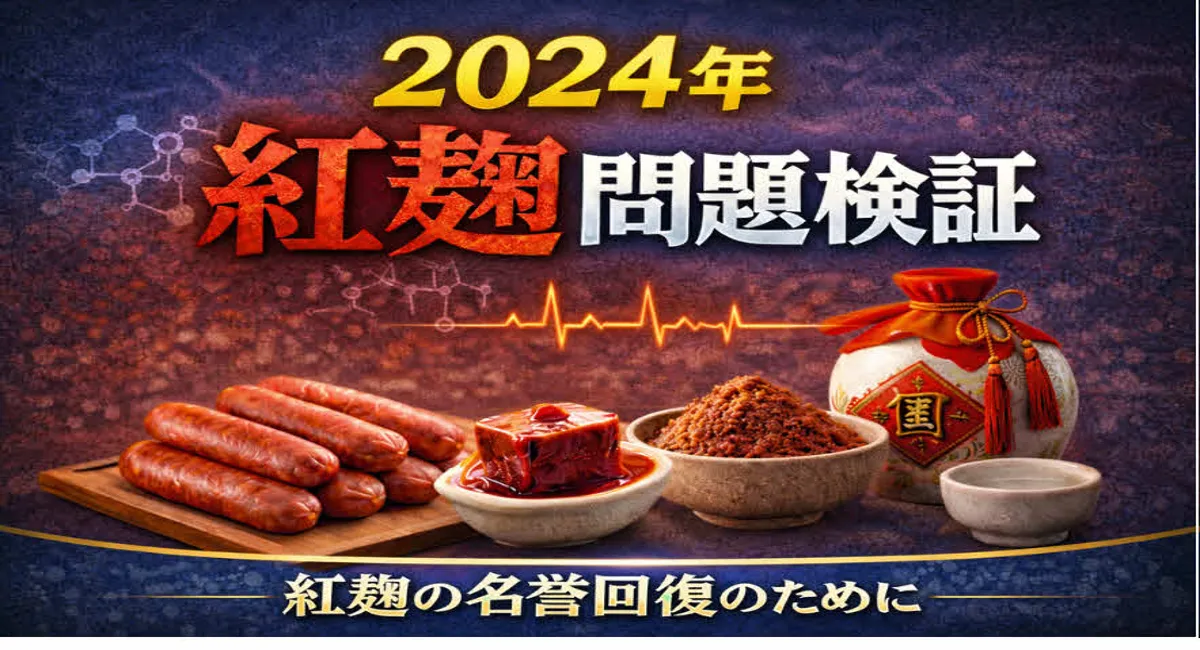
In a recent revelation from Kunsei Club, a food manufacturing company based in Okayama, troubling inconsistencies have come to light regarding Osaka City's handling of the term "Pubellarin". Despite the lack of a formal organizational decision to utilize this term, it has been frequently used in related conferences led by the city. This paradox not only raises concerns about public health communication but also puts the administrative practices under scrutiny.
1. Conflicting Statements
Kunsei Club, represented by pharmacist Masaki Mori, submitted information requests to Osaka City, seeking clarity on its use of Pubellarin. In response, officials confirmed that they had made no internal decisions regarding the usage of this term. As of early March 2026, Osaka City acknowledged in its responses that there were no documented conversations with the Ministry of Health, Labor, and Welfare related to Pubellarin. This discrepancy begs the question: if there were no formal decisions documented, why was the term prevalent in internal discussions?
During the meetings convened by Mayor Hidetaka Yokoyama, the focus on Pubellarin seemed to dominate discussions surrounding the investigation of food poisoning related to a product from Kobayashi Pharmaceutical, which had been tied to red yeast rice. The materials circulated during these meetings utilized the term as a central element of inquiry, creating a clear contradiction in Osaka City's public health narrative.
2. Lack of Independent Evidence
Osaka City eventually disclosed some documents in response to Kunsei's request, but it appears that most of the scientific basis concerning Pubellarin came exclusively from materials submitted by Kobayashi Pharmaceutical. Out of five public documents disclosed by the city, four were indeed created by Kobayashi, revealing the absence of an independent scientific foundation from the city itself. This raises alarms about the reliability of data driving crucial public health decisions.
3. City Communication and Decision-Making
Osaka's officials emphasized, through their responses, that while the term Pubellarin was present in official discussions, organizational decisions regarding its usage hadn't taken place. This raises significant concerns regarding how the term was utilized without a clear official stance or documentation on its validity and implications. During a critical meeting on May 29, 2026, materials distributed repetitively included Pubellarin as a suspect compound, including results from qualitative tests which reinforced its status in health communications.
4. Missing Consultation Records
In their clarifications, Osaka City firmly stated that they had no documentation concerning consultations with the Ministry of Health, Labor, and Welfare when these meetings were being held around March 27, 2026. This is a glaring oversight, especially in managing public safety questions related to foodborne illnesses, as there should be a clear paper trail establishing the basis of any used terms or implicated substances.
Conclusion
The investigation into Osaka City’s practices reveals deep flaws in how administrative bodies communicate and make decisions surrounding public health issues. The recurring use of Pubellarin without a formal confirmation or scientific backing casts doubt on the reliability of the city's public health messaging. For Kunsei Club, the concern isn’t merely the presence of Pubellarin but the entire decision-making process regarding its identification as a potential health hazard. As citizens and stakeholders seek clarity, the demand for transparency in administrative documentation becomes paramount. Kunsei Club will continue to press Osaka City for a thorough explanation of how these procedural inconsistencies occurred, emphasizing the need for accountability and clarity in public health matters.
Topics Health)
【About Using Articles】
You can freely use the title and article content by linking to the page where the article is posted.
※ Images cannot be used.
【About Links】
Links are free to use.