



Why Japan's Manufacturing Sector Struggles in the Age of AI: An In-Depth Analysis
Understanding Japan's Manufacturing Challenges in the AI Era
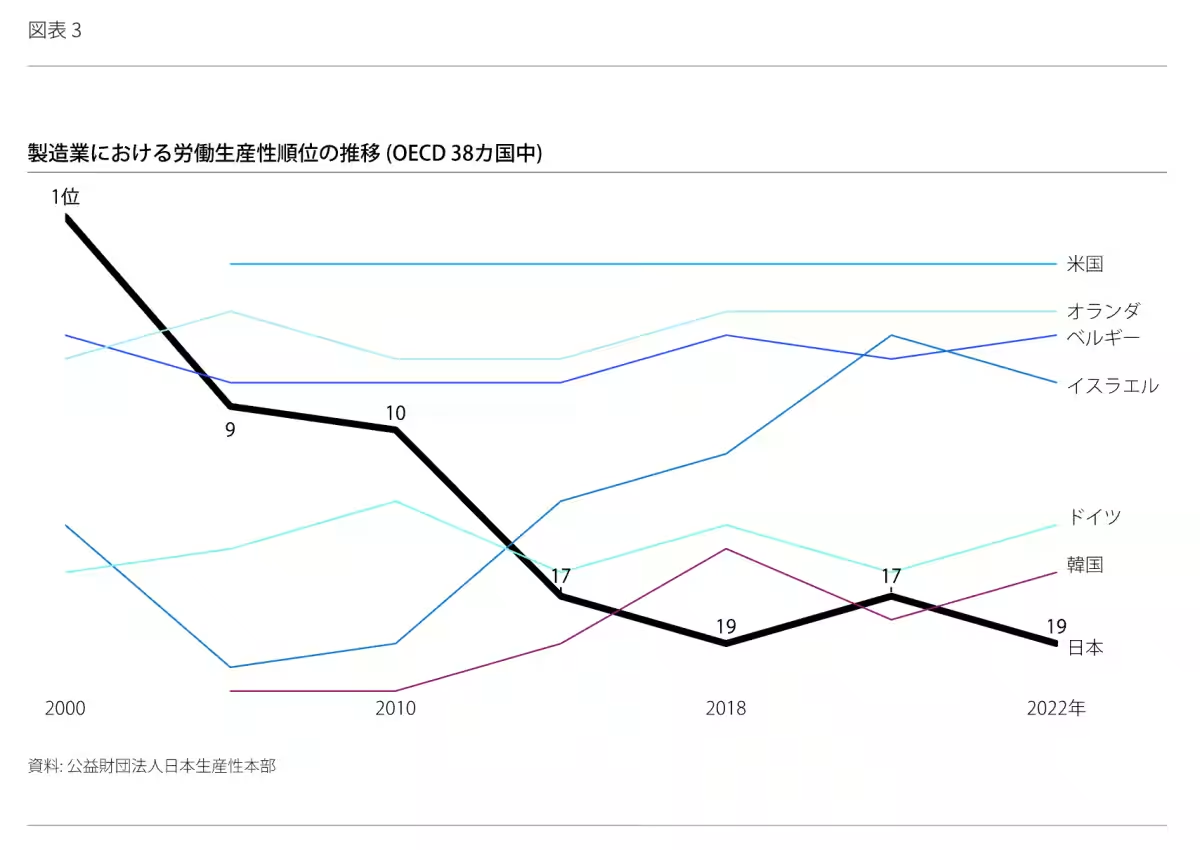
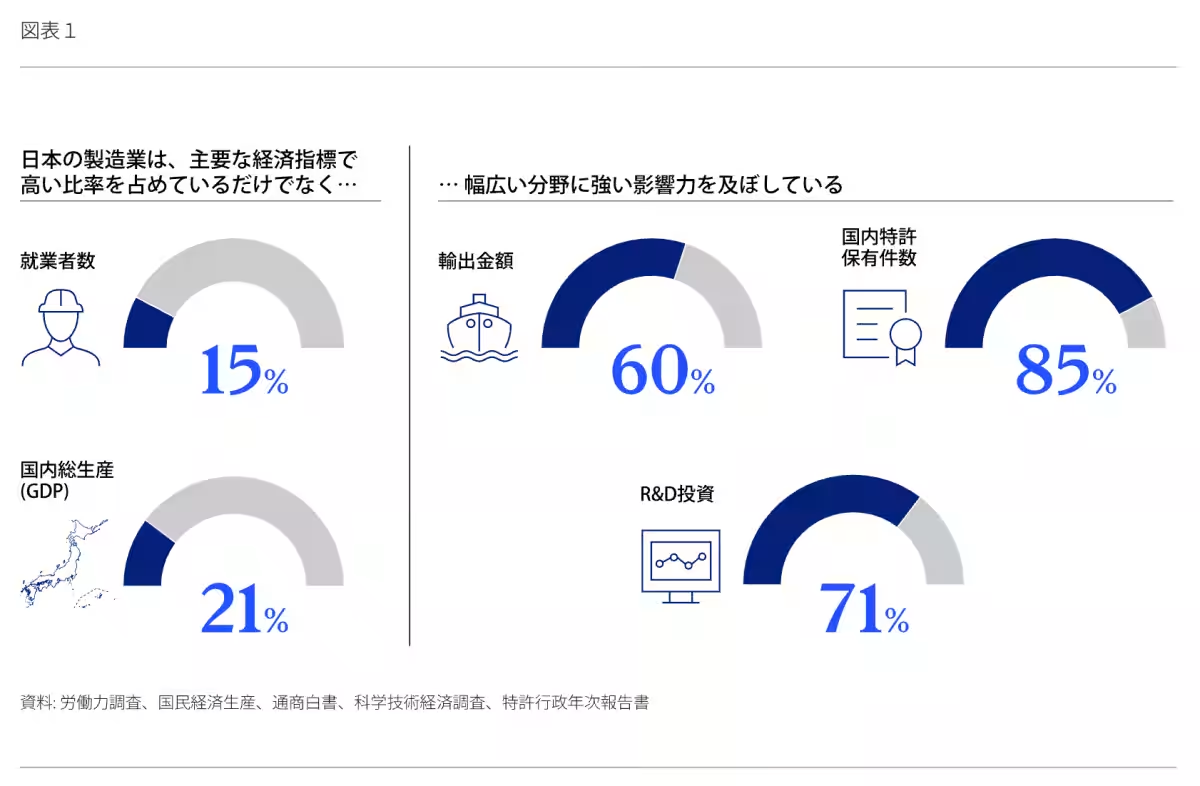
Japan has long been a powerhouse in manufacturing, contributing significantly to the nation’s GDP, exports, and technological advancements. However, recent insights from McKinsey & Company reveal that the country’s manufacturing productivity is not what it once was, slipping from first place among OECD nations in 2000 to 19th place by 2022. This shift raises important questions about the effectiveness of AI and digital technology implementation within the sector.
Labor Productivity in Decline
In 2000, Japan's manufacturing labor productivity ranked number one out of 38 OECD countries. By 2010, it had fallen to 10th, 17th in 2015, and now 19th in 2022. This decline comes at a time when Japan is expected to see a population growth of approximately 3 million in the overall workforce by 2024, but manufacturing employment is projected to decrease by roughly 145,000 workers, a 16% drop.
This insistent decline prompts a deeper analysis into why Japan's esteemed manufacturing sector seems to be faltering, despite having access to advanced technology. Many companies have initiated various proofs of concept (PoC) involving AI — from predictive maintenance to enhanced quality control and optimized production plans. However, these individual efforts often fail to translate into transformative changes across their entire operations.
The Lighthouse Concept: A Global Perspective
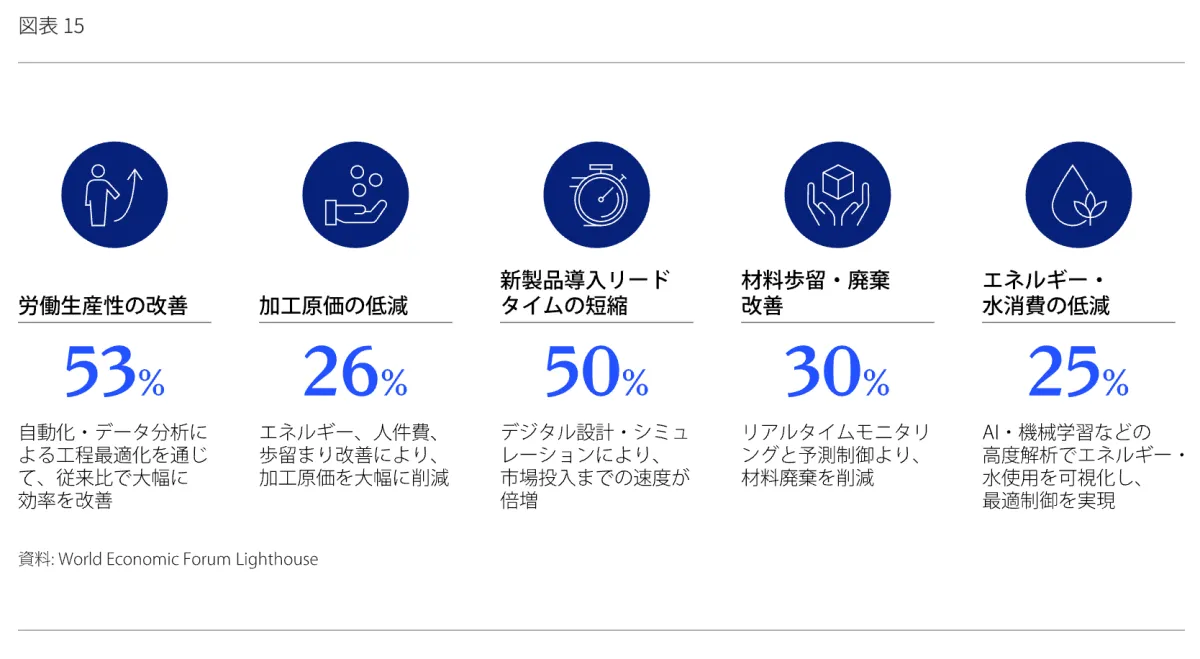
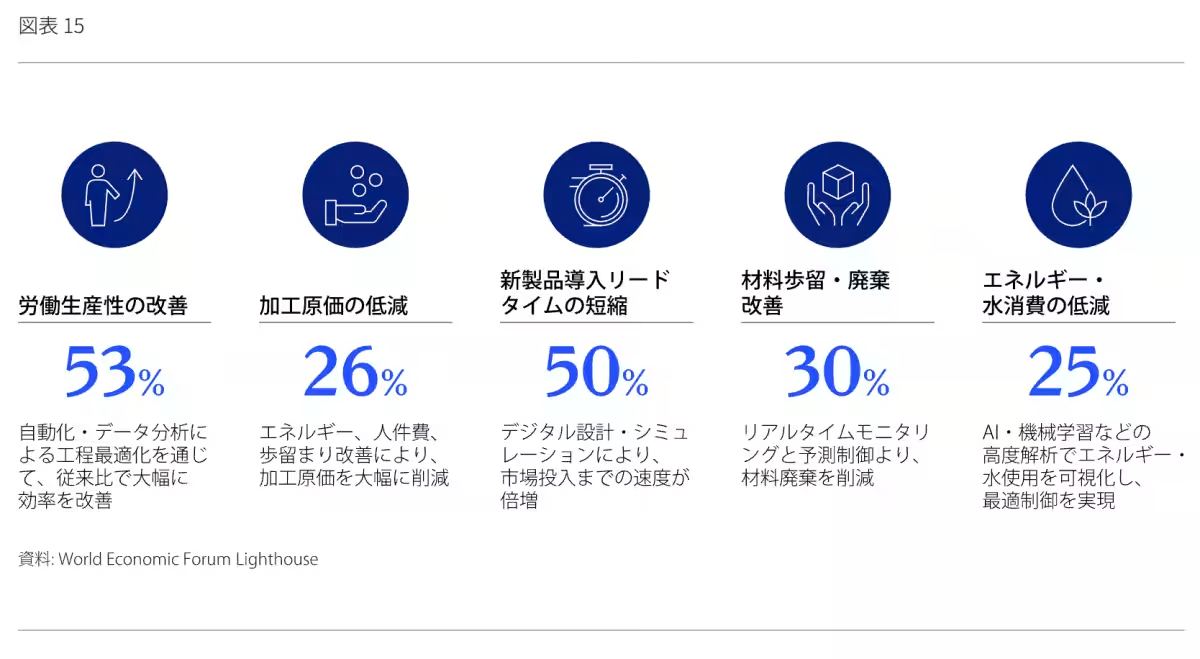
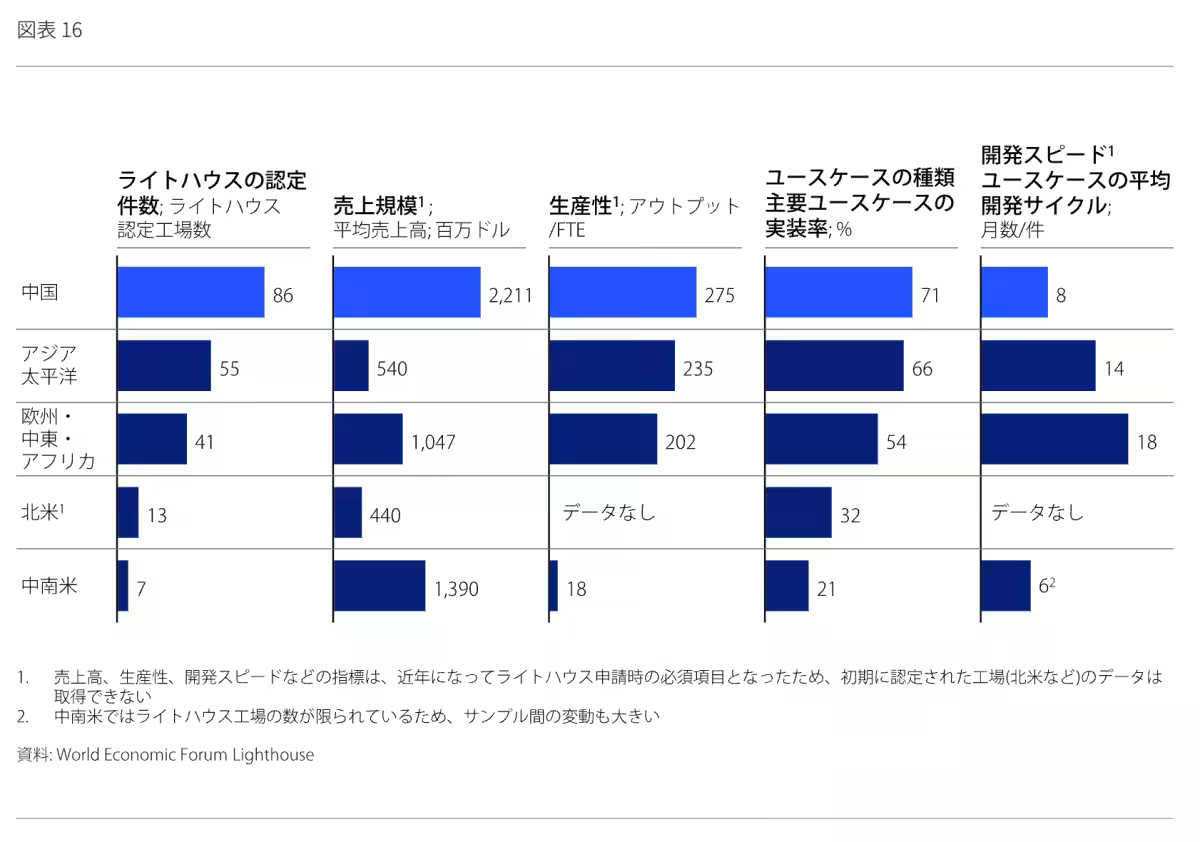
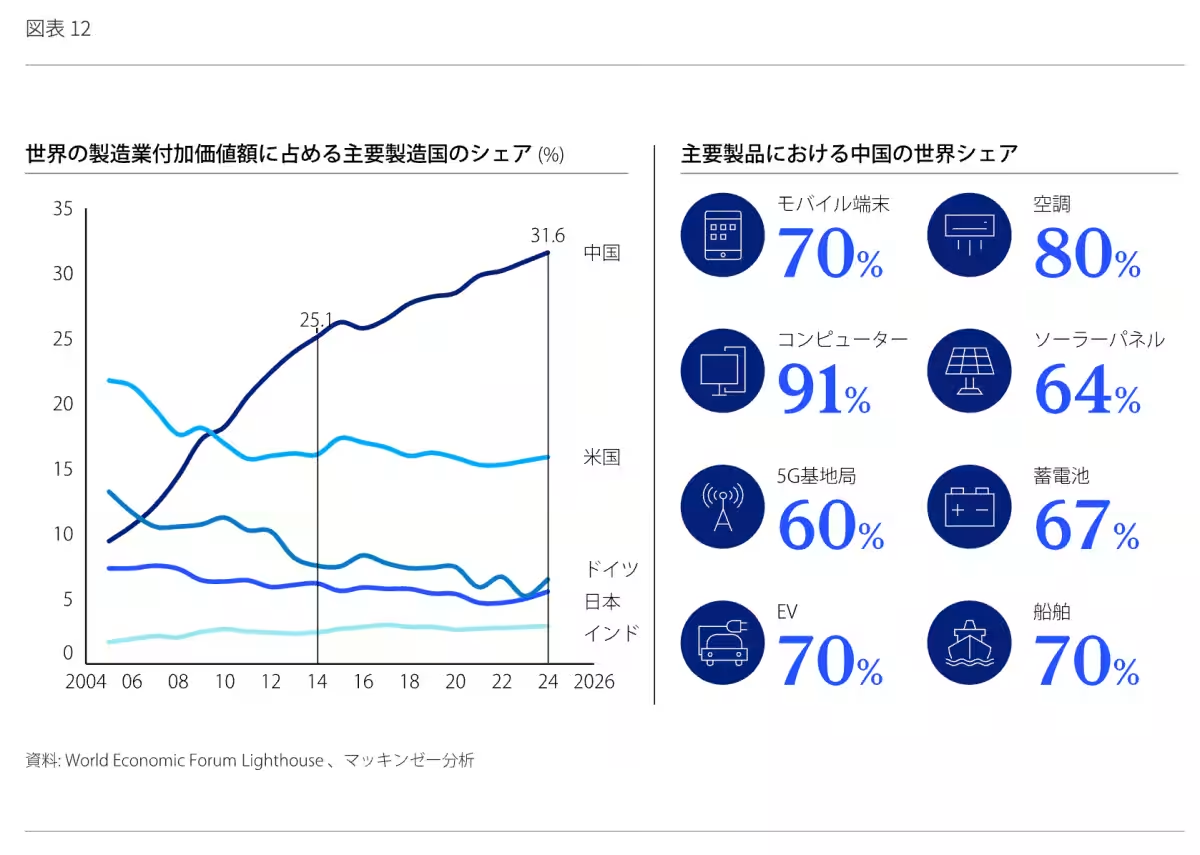
One critical area highlighted in the insights is the World Economic Forum's Global Lighthouse Network (GLN), which identifies factories using cutting-edge technologies like AI and IoT to significantly improve performance metrics — including a 53% average increase in productivity, coupled with reduced manufacturing costs and lead times. Despite being a technological leader, Japan has only three factories recognized as part of this network, unlike China, which comprises over 40% of lighthouse locations worldwide.
The success of lighthouse factories stems from their holistic approach—where AI and digital practices are integrated across data, processes, human resources, and organizations—not merely adopting smart technologies. This comprehensive integration leads to improvements in operational outcomes and enhances resilience and sustainability in supply chains.
Understanding Japan's Setbacks
Several structural challenges hinder Japanese companies from transitioning AI and digital initiatives from pilots to full-scale innovations:
- - The implementation of AI tools often becomes an end in itself rather than a means for broader transformation.
- - Successful outcomes achieved at individual factories don’t scale across the organizational structure due to siloed operations.
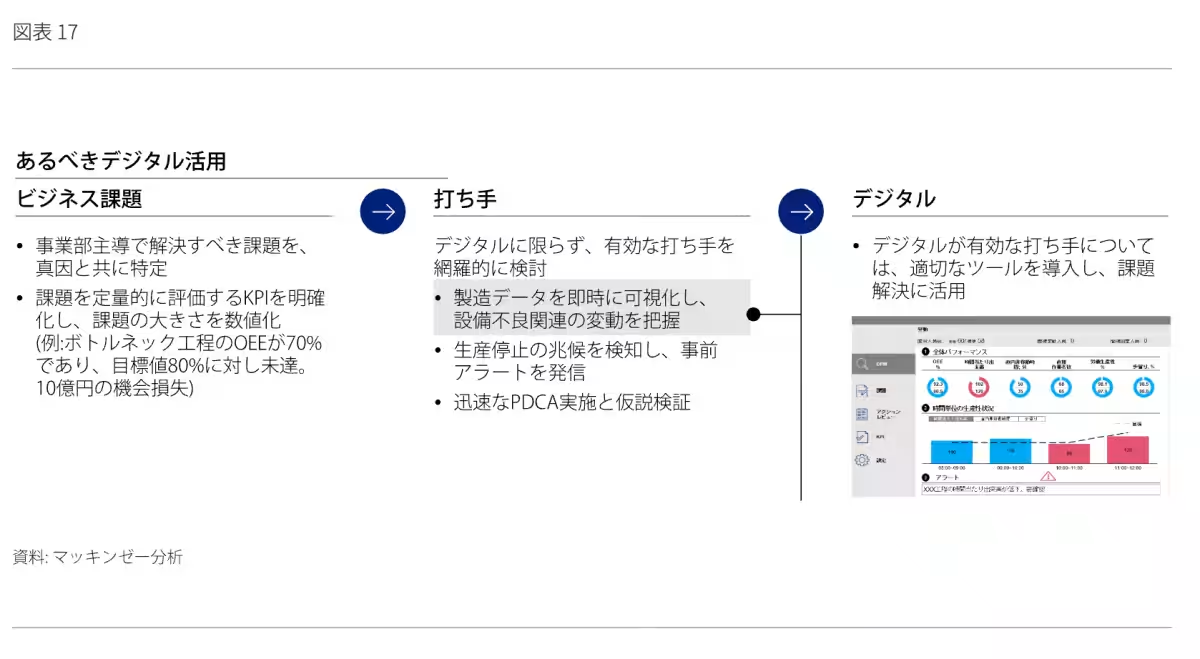
- - A cultural bias where IT departments lead the digital transformation, while business units lack ownership in driving the changes.
- - Dependency on external vendors can stifle the accumulation of internal AI and digital capabilities.
- - Variations in data management, KPIs, and operational processes across facilities make it difficult to replicate successful models.
To overcome these challenges, Japanese companies must evolve from their traditional “Kaizen” mindset that focuses on continuous improvement, to rethinking entire processes based on AI and data-driven decision-making.
Case Study: China's Approach to Transformation
In contrast, China’s manufacturing sector exemplifies a holistic approach to digital transformation. Companies like Midea have implemented long-term strategies encompassing system standardization, digitalization across the value chain, and the establishment of a robust DX platform. Their Shunde factory reports remarkable achievements with AI integration, including a significant reduction in production costs and lead times, underscoring the necessity of a comprehensive strategy rather than fragmented implementations.
Lessons for Japan: Breaking the Pilot Trap
Japan must address the “pilot trap,” where companies get stuck in initial experiments without progressing toward comprehensive applications. Observations point to obstacles such as:
- - The lack of a unified approach to integrating AI across departments.
- - Fragmented implementations hinder the development of a cohesive strategy that ties back to organizational outcomes.
- - Changing dynamics require redefining roles within organizations, ensuring broad collaboration and ownership beyond just IT departments.
- - Maintaining a balance between legacy systems while adopting new technologies plays a role in mitigating innovation speed.
Moreover, AI should not be viewed as a shortcut to bypass existing digital transformation (DX) processes, but rather an accelerator that depends on established processes and quality data management. Organizing workflows, defining clear KPI frameworks, and creating a safe, responsible environment for AI deployment are essential for the future.
Key Takeaways for Reviving Japan's Manufacturing
McKinsey’s insights present several actionable strategies for Japanese firms aiming to harness the power of AI:
1. Focus on core processes that directly impact business outcomes, rather than dispersing efforts across numerous use cases.
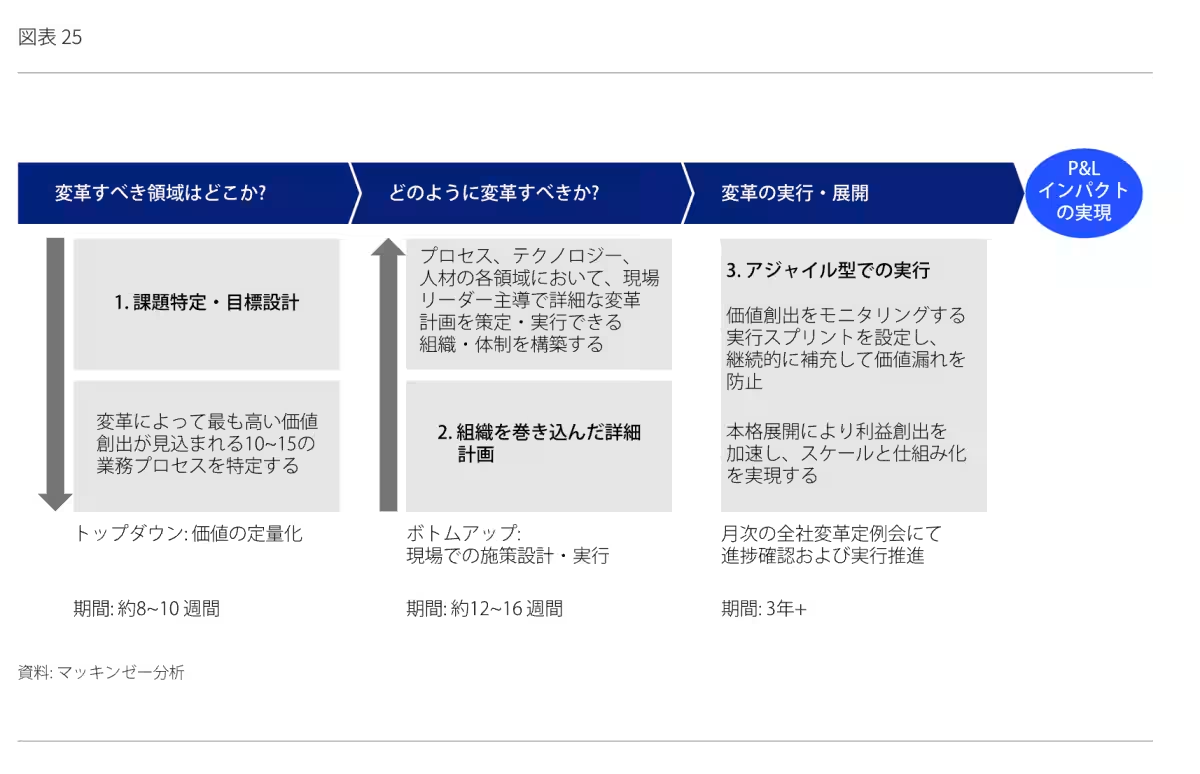
2. Restructure organizational ownership to empower operational departments, fostering collaboration among diverse teams.
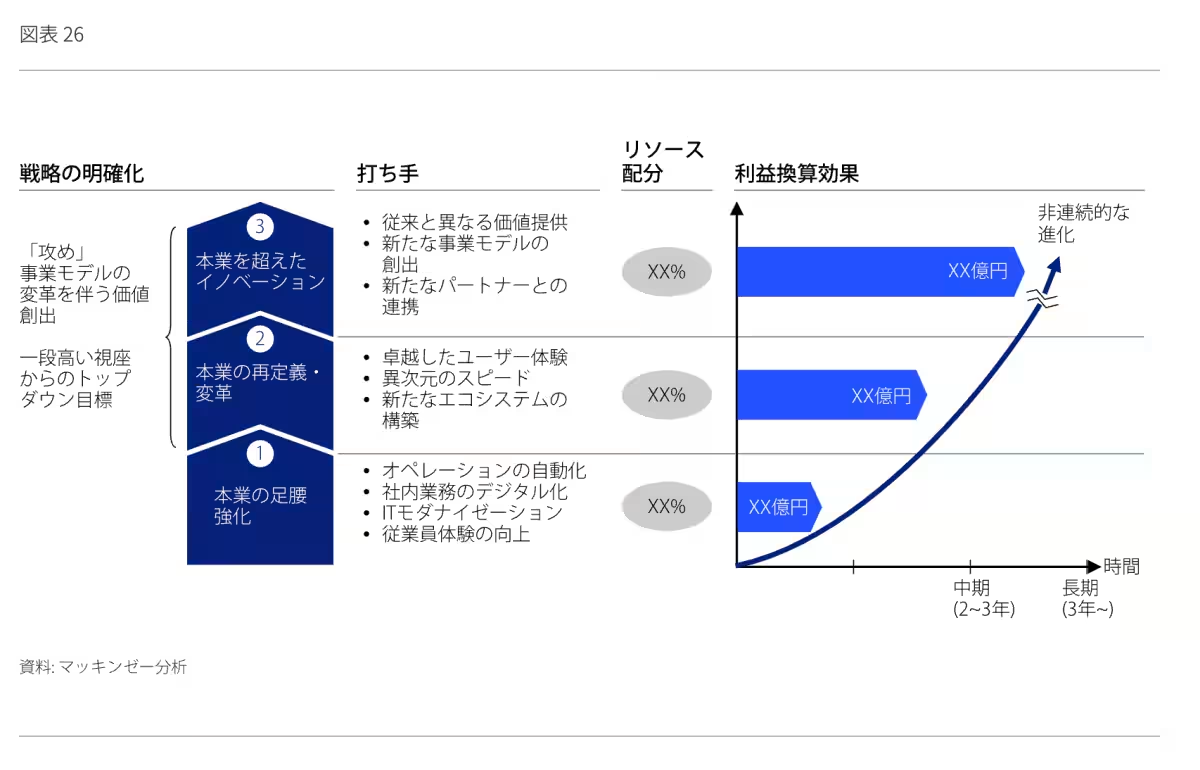
3. Build a flexible technology foundation that can support both scaling and strategic diversification without overburdening legacy systems.
Ultimately, Japan's manufacturing sector can no longer afford to treat AI as an isolated tool. The journey from creating successful use cases to developing assets that can be scaled across various plants is pivotal. For Japan to regain its competitive edge in the global manufacturing landscape, it must move beyond isolated success stories and work towards a unified, adaptable digital future.
Topics Other)
【About Using Articles】
You can freely use the title and article content by linking to the page where the article is posted.
※ Images cannot be used.
【About Links】
Links are free to use.