



Study Reveals Impact of Children's Reluctance to Go to School on Parenting and Work Life
Examining the Impact of Children's Reluctance to Attend School
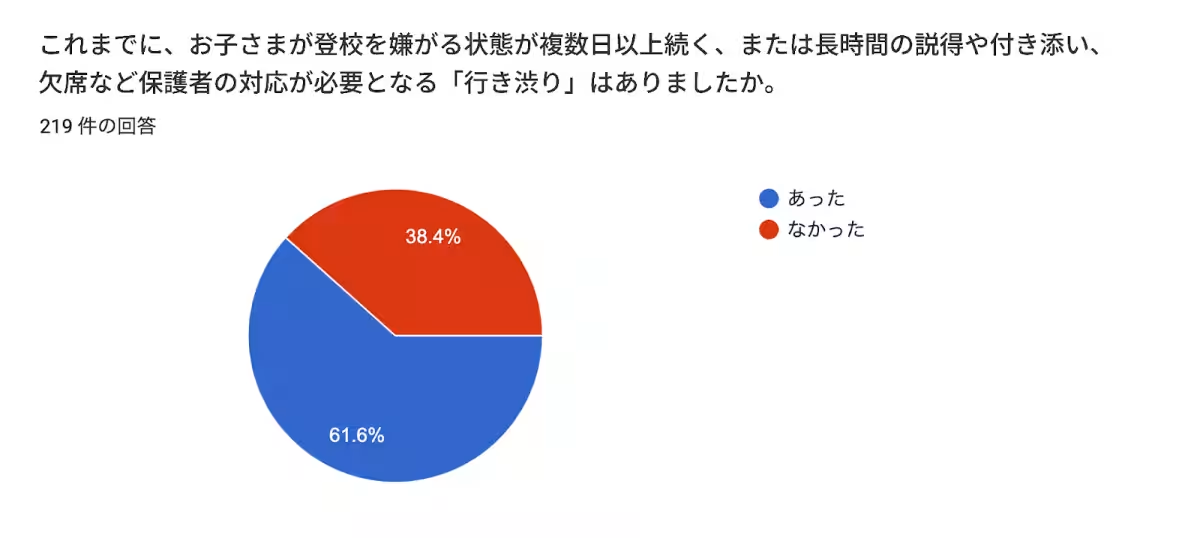
In recent years, the phenomenon of children displaying reluctance to attend school has emerged as a significant concern among parents across Japan. According to a comprehensive study conducted by Hanamaru Educational Research Institute, which targets educational and childcare societal issues, over 60% of parents have faced this challenge with their children. This trend not only tells a tale about the academic pressures of the modern educational environment but also exposes the ripple effects on family dynamics and parental work life.
Understanding 'School Reluctance'
For context, 'school reluctance' refers to a situation where a child persistently resists school attendance, requiring extensive persuasion or parental support for multiple days. This issue has garnered increased attention as a potential precursor to school refusal, and addressing it early could lead to interventions that might prevent further disengagement from education.
The Findings of the Survey
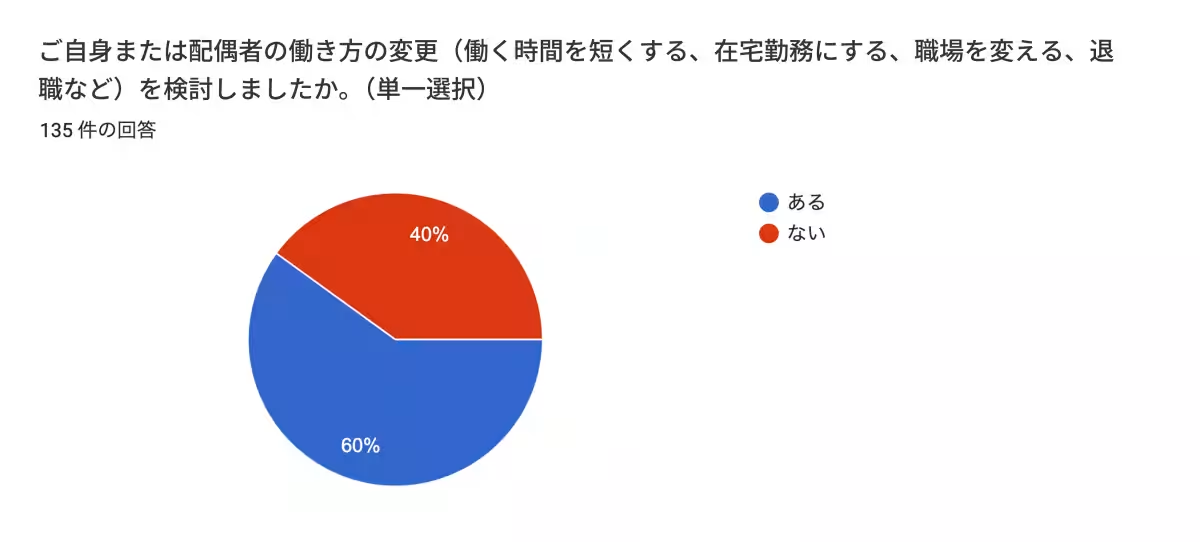
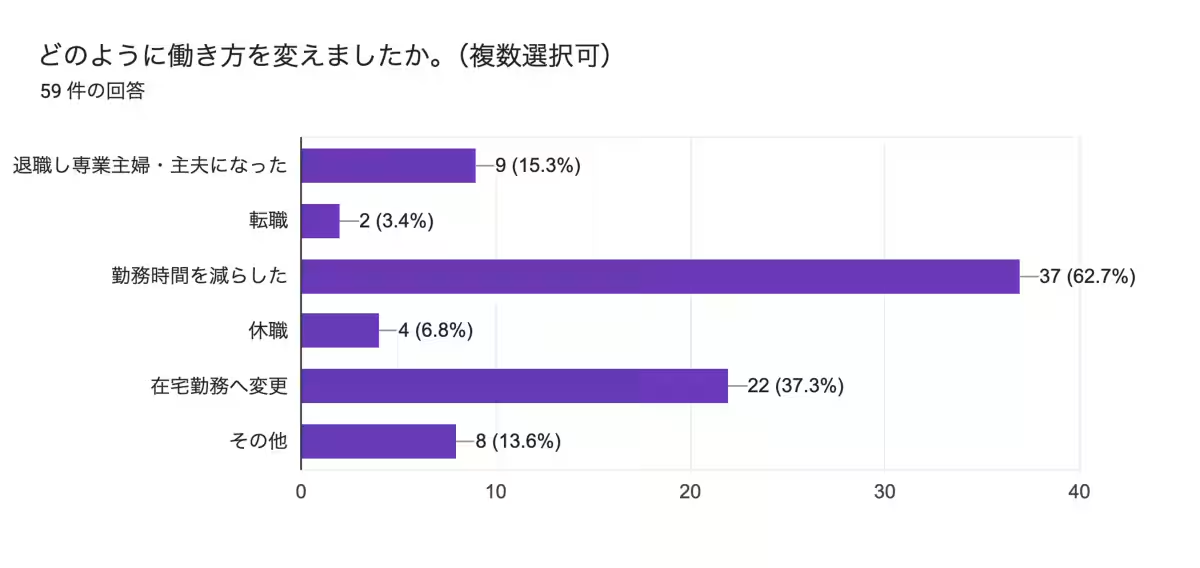
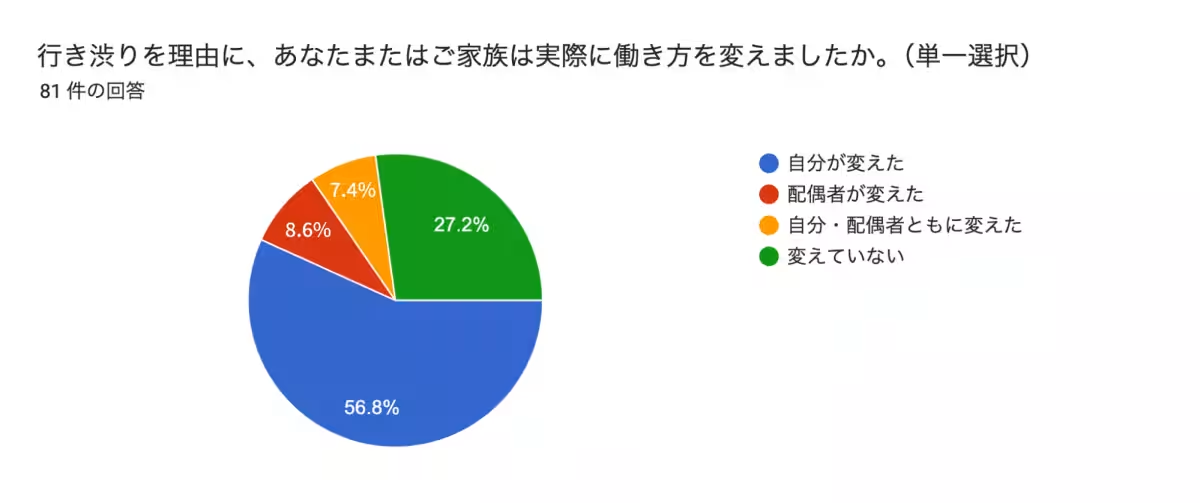
The findings from the survey involving 219 parents illustrate a pressing narrative: becoming attuned to their child's struggles with school has caused almost 60% of parents to contemplate altering their work scenarios. Specifically, 72.8% of those who considered this adjustment ended up making changes, with a focus largely on reducing work hours or switching to remote work. Surveillance of these choices indicates that children's emotional challenges can significantly influence a parent's employment decisions.
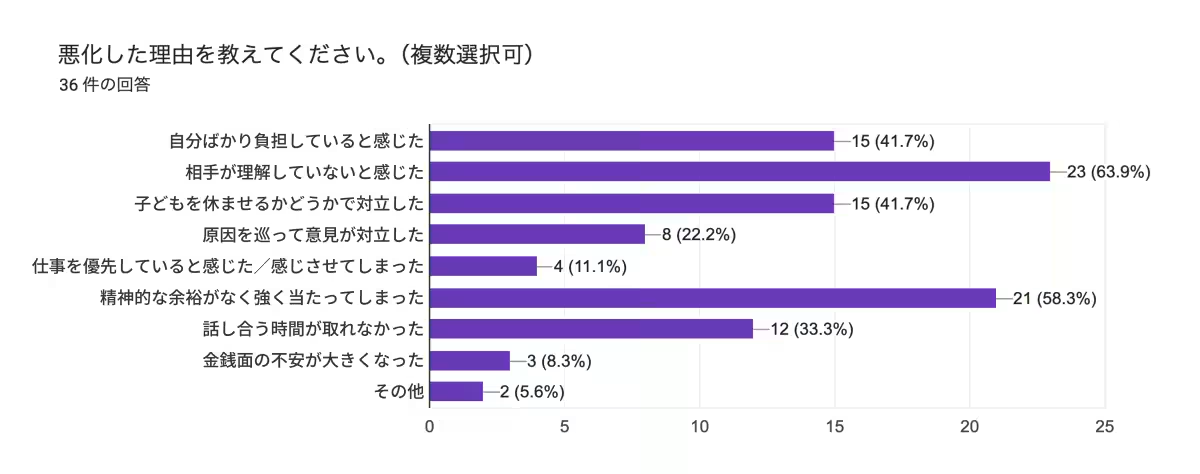
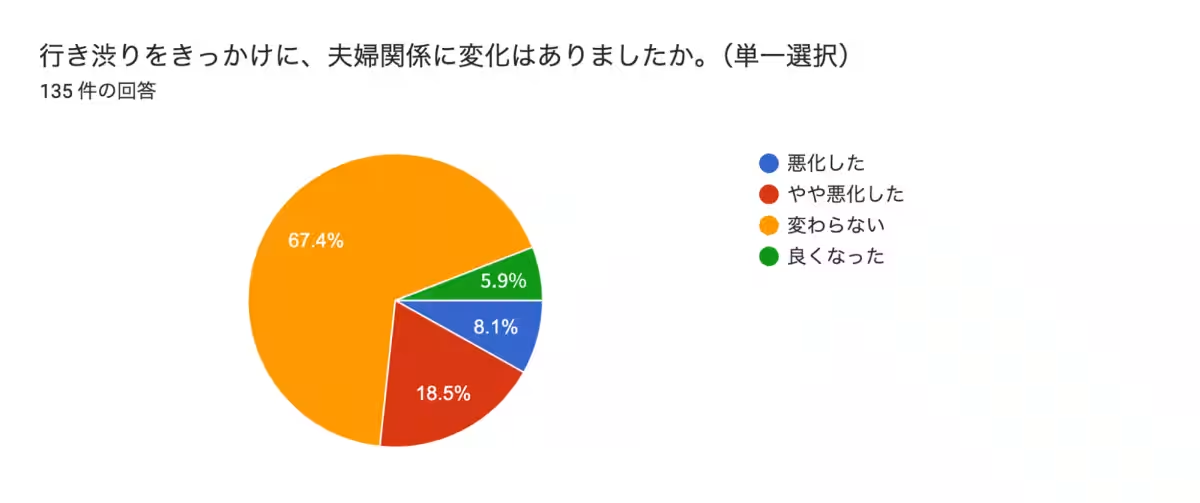
Moreover, approximately 25% of parents reported experiencing a deterioration in their marital relationships due to the stressors surrounding their child's reluctance to attend school. The dynamics within households are evidently fraught with tension, reflecting the struggles many families face when navigating educational hurdles.
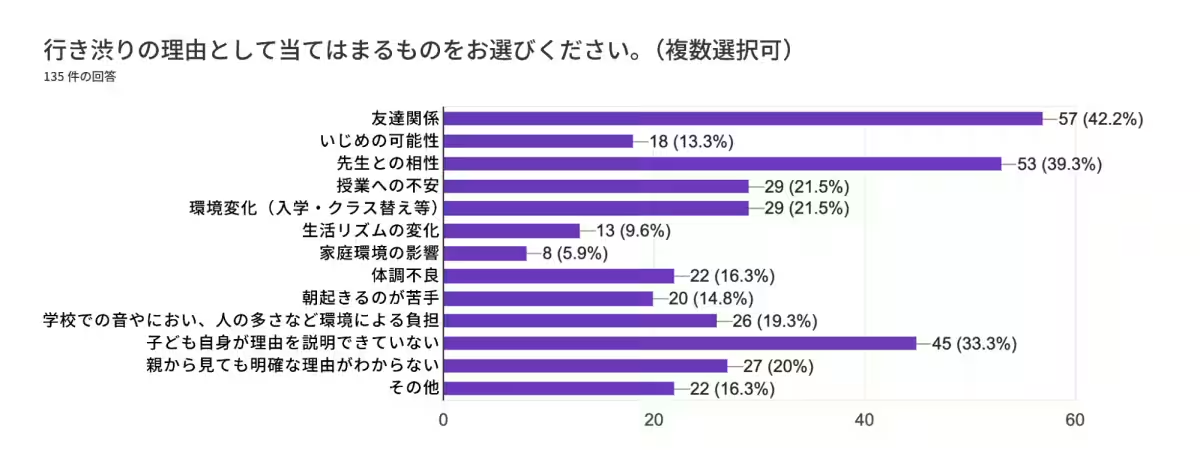
The survey also revealed that a staggering 61.6% of parents have encountered school reluctance with their children, often attributing it to issues such as challenging friend dynamics or misalignment with their teachers.
Persistent Trends
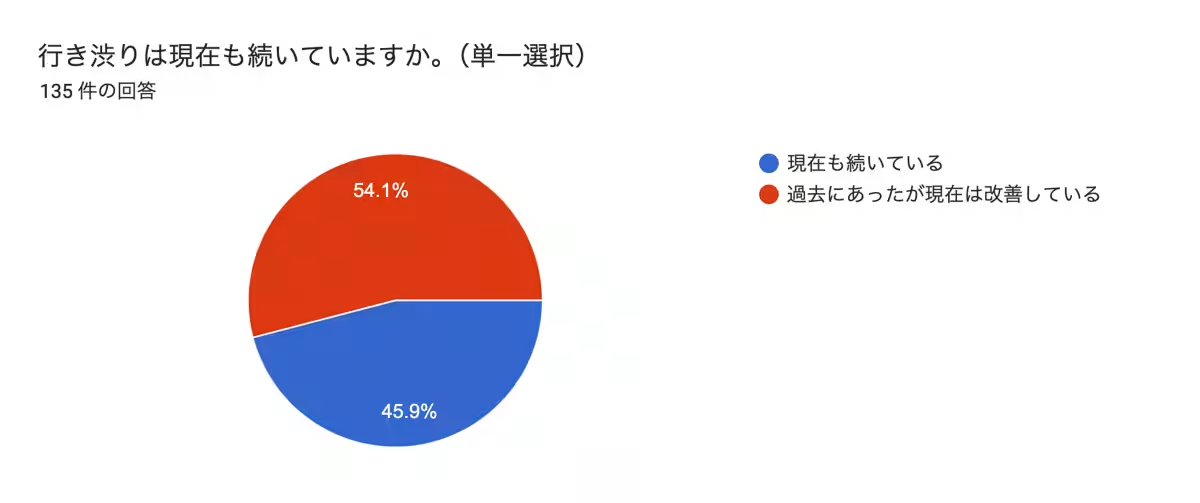
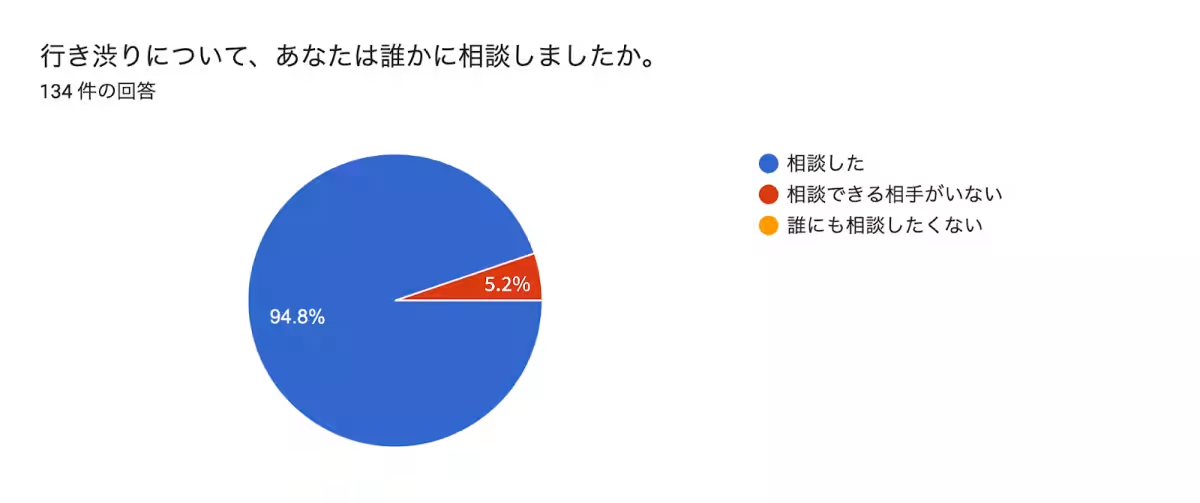
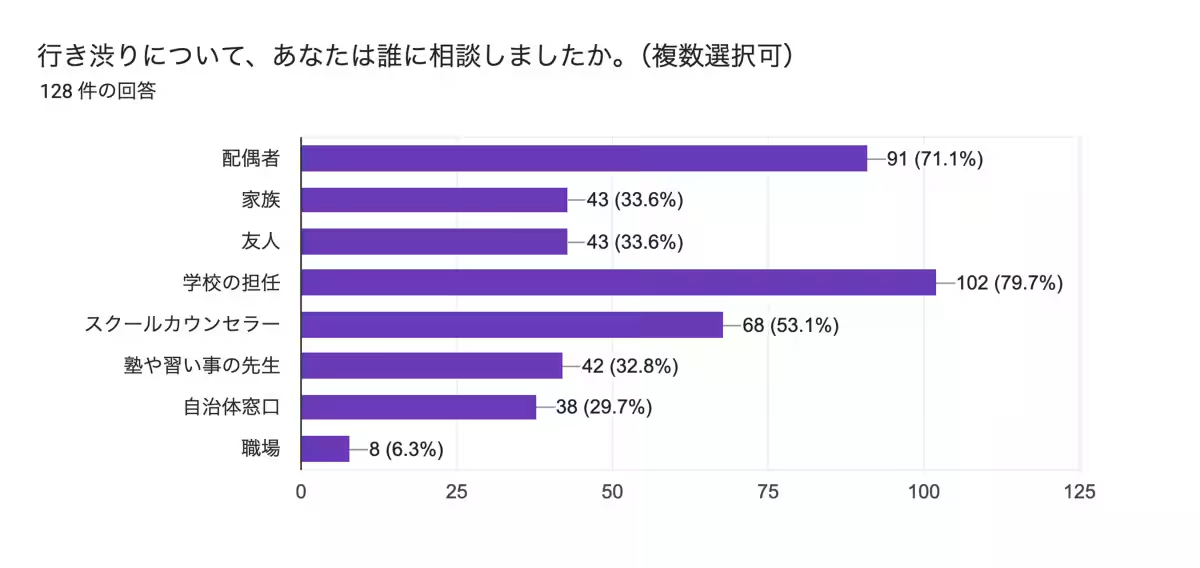
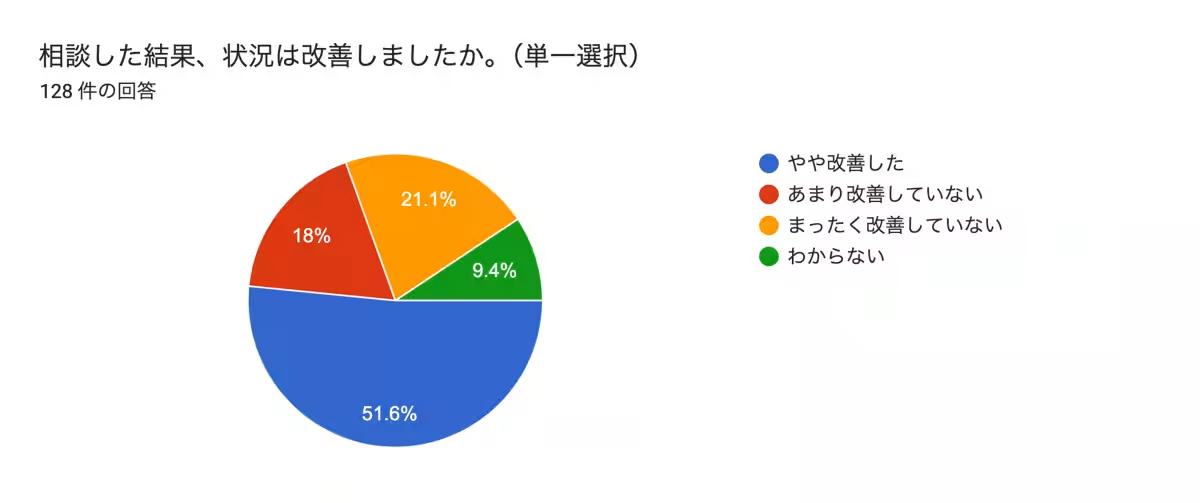
Despite many parents seeking assistance from school counselors or teachers, 40% indicated no measurable progress in alleviating their child’s reluctance. This highlights a critical gap in effectiveness and suggests the urgent need for better support systems.
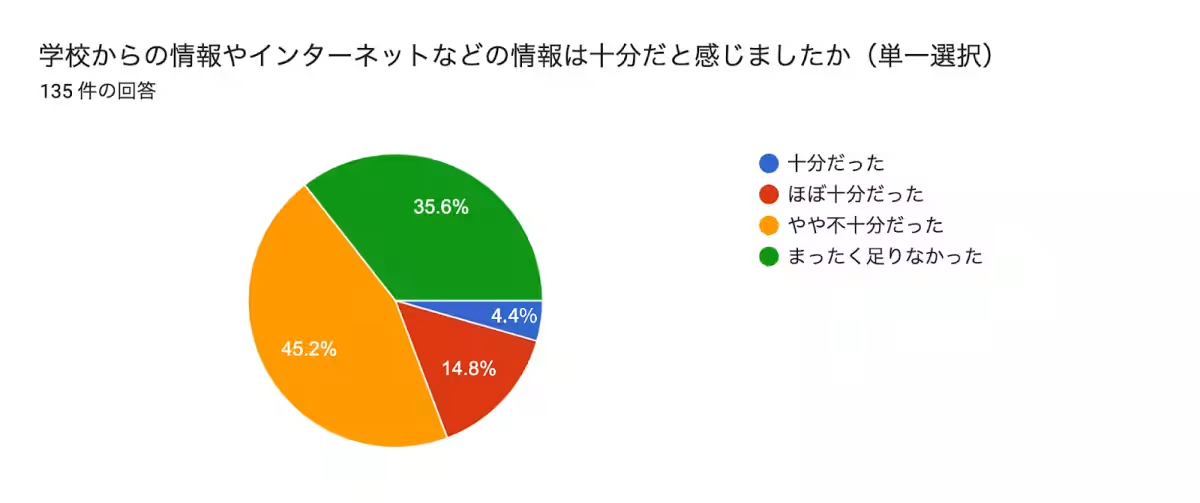
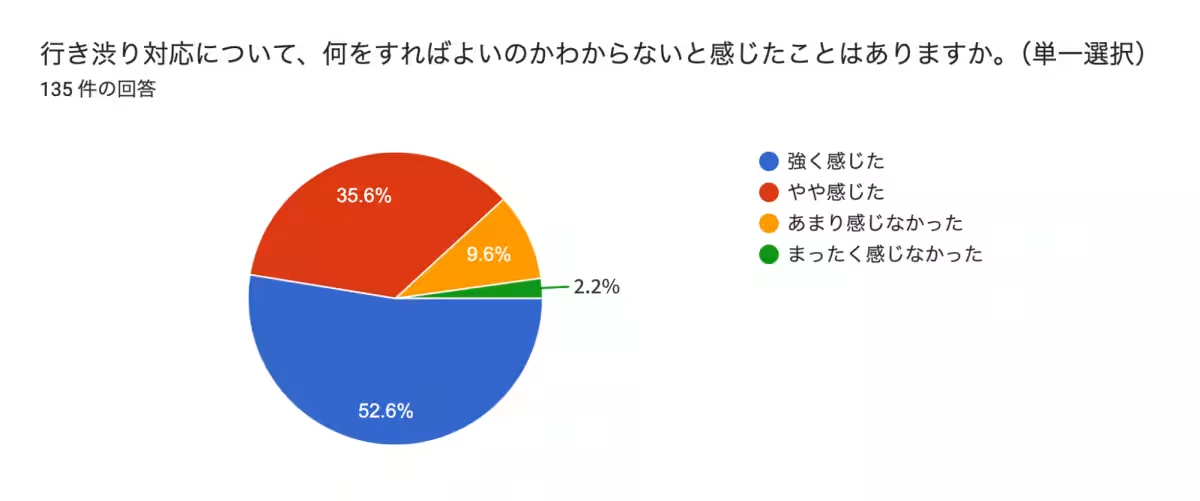
Further illustrating the parental landscape, about 90% of parents expressed feeling lost on how to respond effectively to their child’s reluctance, citing a shortage of informative resources on tackling such issues. Ultimately, 80% reported feeling that information provided on the subject was insufficient.
Looking Back: Reflections from Parents
Many parents have candidly shared their struggles with school reluctance. A mother of a second grader expressed her internal conflict between supporting her child and pushing them to attend school, stating, “I’m unsure whether I should empathize or compel my child to confront their fears.” Similarly, a father of an elder child noted, “The tension caused by my child’s anxiety has impacted our family atmosphere negatively, creating a cycle of distress.” These experiences reveal the arduous nature of handling these situations and the emotional toll on family dynamics.
Insights from Hanamaru Educational Research Institute
Masanobu Takahama, the director of Hanamaru Educational Research Institute, emphasized that school reluctance should be perceived as a common challenge that many families face. Recognizing that sudden shifts in educational experiences can bring forth social inadequacies—where children grapple with academic pressures and interpersonal relationships—is critical. It’s vital that both parents and children gain access to better resources and support structures, allowing for community and familial ties to assist in navigating school reluctance.
Moving Forward: Building a Supportive System
As these reflections and insights underscore, addressing school reluctance requires concerted efforts involving not just parental engagement but also community and societal participation. Programs strengthening connections between schools, families, and local organizations can ensure that children receive comprehensive support as they navigate their education.
Hanamaru Group is dedicated to ramping up initiatives that support both children facing school reluctance and their parents who often feel isolated in this battle. Through robust communication networks and providing resources for parents, Hanamaru is working to shape an environment where both children and their guardians can thrive amidst educational challenges.
The road ahead must be marked by collective understanding, not only to mitigate school reluctance but also to uphold mental health and familial unity—all essential for nurturing well-rounded future generations.
By fostering open dialogues and collaborations among parents, educators, and mental health professionals, we can work toward dismantling the stigma surrounding school reluctance and ensure children's success in school and life.

Topics People & Culture)

【About Using Articles】
You can freely use the title and article content by linking to the page where the article is posted.
※ Images cannot be used.
【About Links】
Links are free to use.