




Understanding the Controversial 'Single Tax': Insights from Tsugawara-kun
The Controversial 'Single Tax'
As Japan prepares for the implementation of the 'Child-raising Support Fund', commonly referred to as the 'Single Tax', a recent survey has shed light on the contrasting perspectives of married and unmarried individuals towards this new tax structure, set to take effect in April 2026.
In a study conducted by the popular tax consultant Tsugawara-kun, who boasts over 1.57 million subscribers on his YouTube channel, respondents were queried about their understanding and feelings regarding this tax, which affects not only parents but also singles without children. The research surveyed 636 individuals aged between 20 and 59, specifically targeting childless unmarried and child-rearing married participants.
Survey Findings
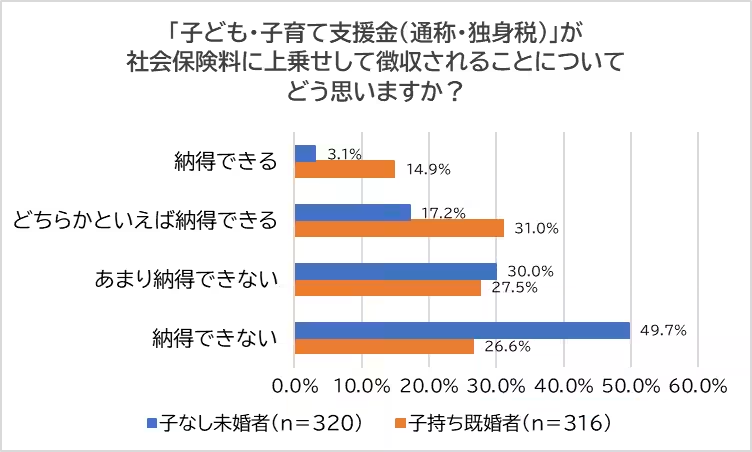
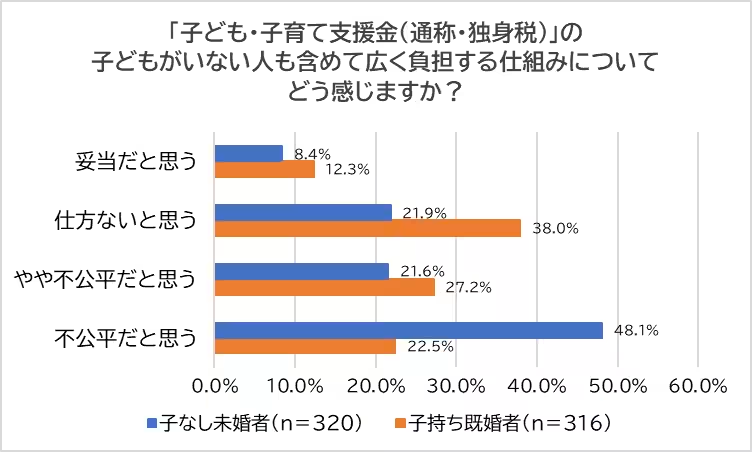
The results revealed significant disparities in awareness and opinions regarding the tax. Notably, a staggering 80% of childless unmarried respondents expressed that they do not agree with the 'Single Tax', while 70% deemed it unfair to include them in the tax burden aimed at supporting families with children. Conversely, married individuals with children showed a more accepting stance, with many believing it to be a necessary measure to support families, indicating a fundamental difference in perception based on marital status.
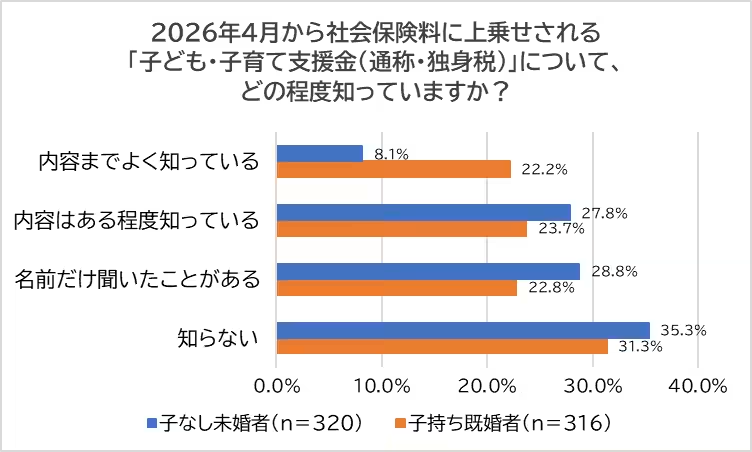
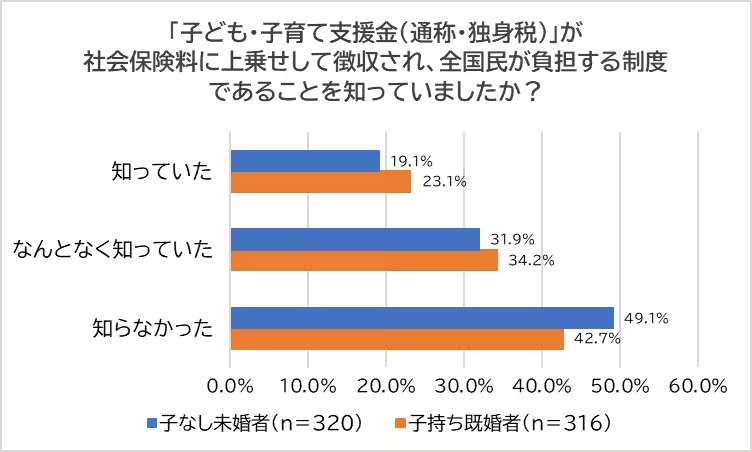
Moreover, while 22.2% of married participants claimed to understand the tax well, only 8.1% of unmarried participants felt similarly informed. This illustrates a worrying gap in knowledge; 30–35% of both groups admitted to having little to no understanding of the system at all. Such a statistic highlights the need for broader public awareness and education about the implications of the 'Single Tax', which is ultimately financed through social insurance contributions.
Financial Burden and Implications
The 'Single Tax', which adds an extra charge to existing social insurance payments, is not isolated to those without children; rather, it impacts a broader audience. Specifically, all individuals contributing to Japan’s public health insurance—whether employed, self-employed, or otherwise—will bear this burden. Starting in 2026, individuals will see an additional charge based on their salaries, varying from approximately 350 yen per month for those earning 2 million yen annually to about 1,650 yen for those with 10 million yen, with employers matching these amounts.
This additional cost raises concerns about the financial strain on unmarried individuals. Many fear that decreased disposable income might adversely affect decisions regarding marriage and childbirth, exacerbating Japan's declining birth rate.
The Support Framework
Despite its name, the 'Single Tax' is intended to fund an expansion of existing child care support services, including increased monthly allowances for children and various benefits aimed at encouraging parenthood. However, there is a growing concern that the burden falls disproportionately on younger, unmarried individuals, as the allocation of these funds may not sufficiently address their specific needs.
A Divided Perspective
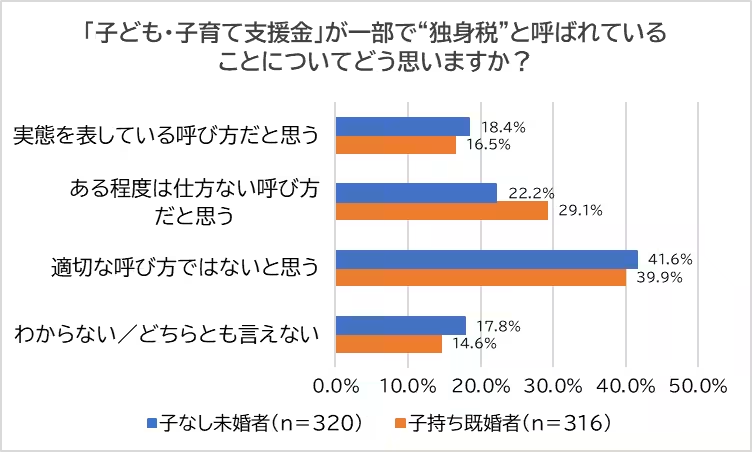
One of the standout results from the survey was the mixed feelings regarding the label 'Single Tax'. Both married and unmarried respondents primarily disagreed with the appropriateness of the term, though some believed it accurately reflects the reality of the tax burden. This indicates the contentious nature of the language used to address financial contributions and their perceived fairness.
Conclusion
As policies evolve, it is crucial to ensure that the implementation of the 'Child-raising Support Fund' is equitable and transparent. The stark differences in perception and understanding of this upcoming tax create an imperative for more comprehensive public education initiatives. This will ensure all citizens—even those without children—are informed about the expectations, benefits, and purposes behind this publicly funded initiative aimed at addressing Japan's declining birth rate. Tsugawara-kun's insights reveal that while the goals of this policy may be noble, the approach must be clarified for the sake of fairness and understanding.
About Tsugawara-kun
Tsugawara-kun, a tax expert and social media influencer, serves as a prominent voice in discussing financial literacy and taxation issues. His work aims to demystify complex tax policies and provide actionable advice for individuals and businesses facing financial burdens in a changing economic landscape.


Topics Financial Services & Investing)




【About Using Articles】
You can freely use the title and article content by linking to the page where the article is posted.
※ Images cannot be used.
【About Links】
Links are free to use.