



Understanding the Importance of UV Protection Ahead of the Summer Solstice
Understanding the Importance of UV Protection Ahead of the Summer Solstice
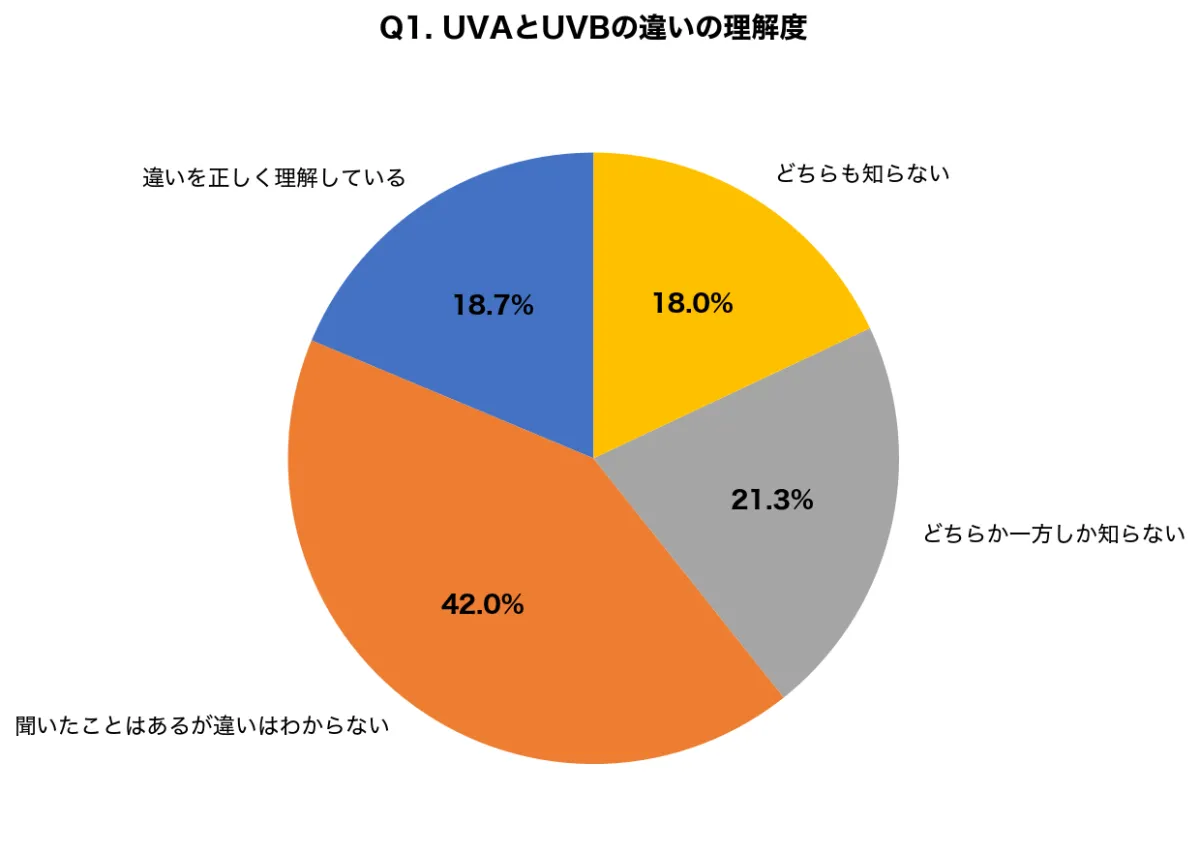
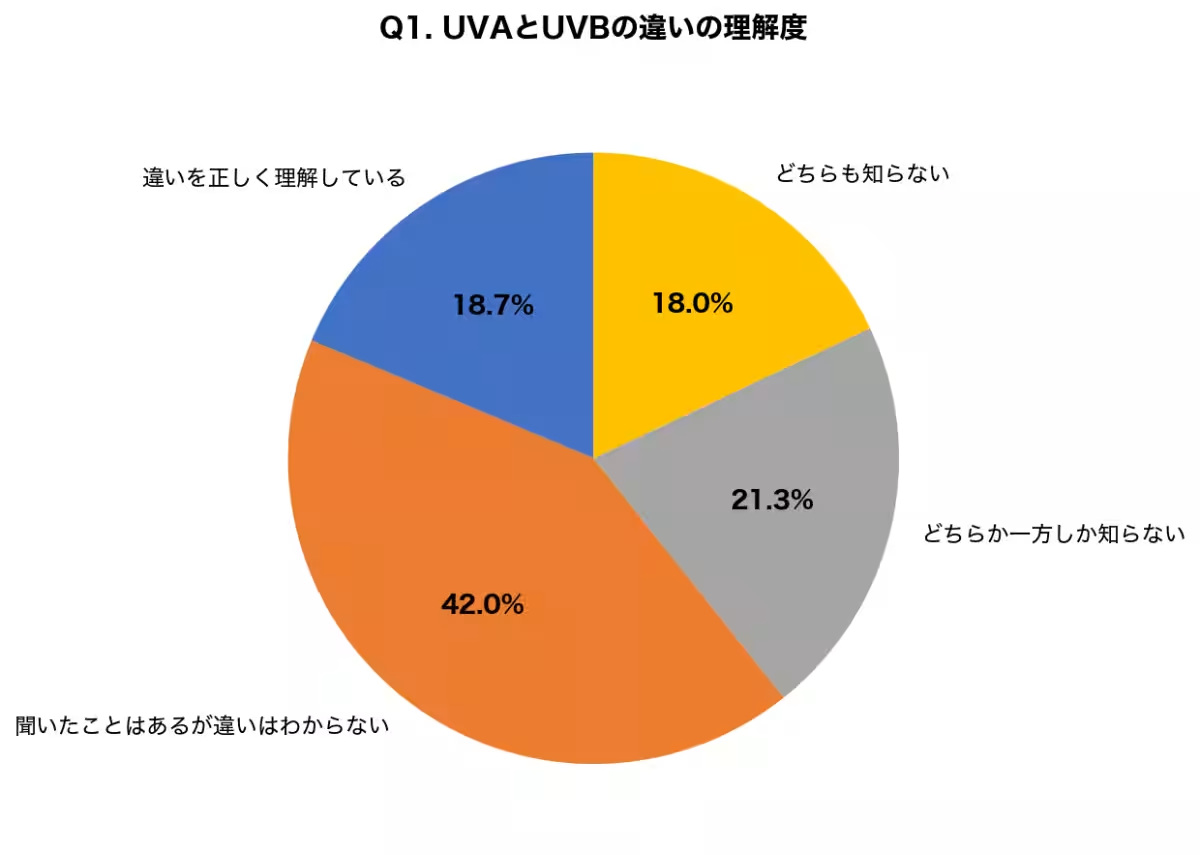
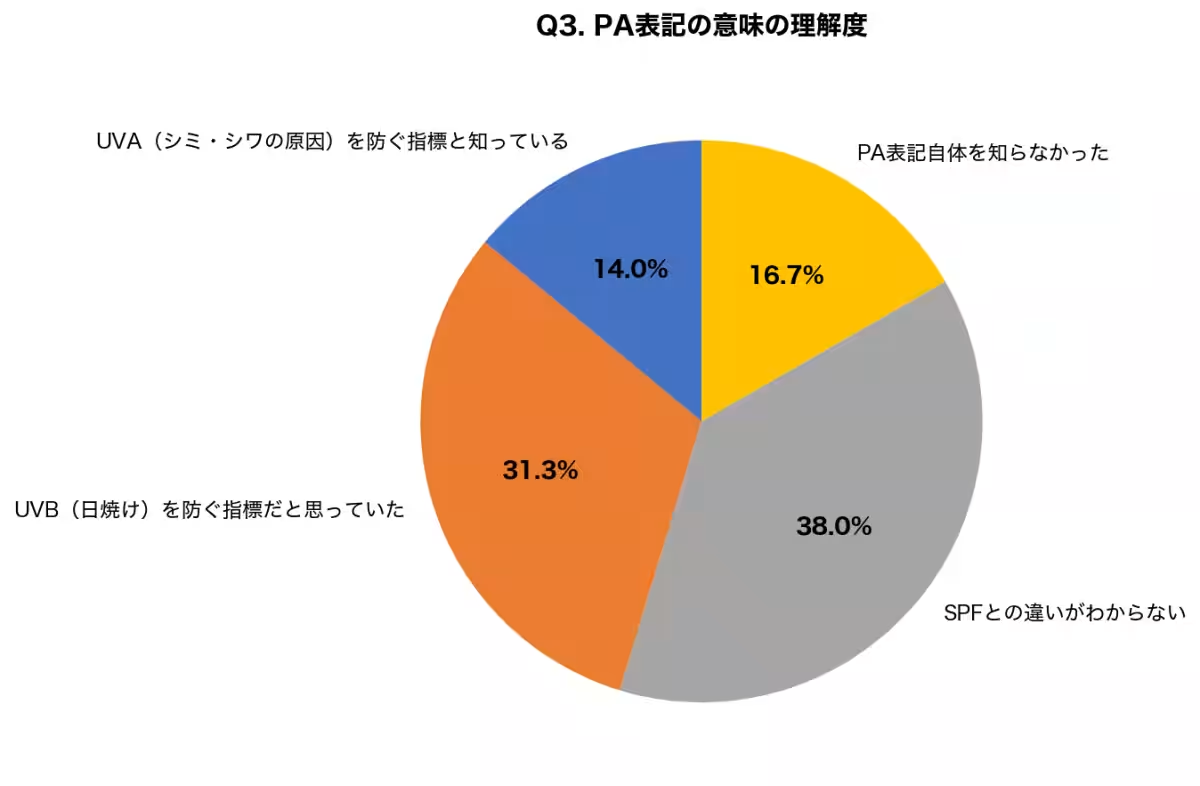
As the summer solstice approaches, the amount of ultraviolet (UV) rays in the atmosphere reaches a peak. A recent survey revealed that a mere 18.7% of respondents understood the critical differences between UVA and UVB rays, while only 14.0% correctly identified the meaning of the PA ratings on sunscreen products. This lack of understanding is particularly alarming given that exposure to UV rays can lead to significant skin damage and increase the risk of skin cancer.
What Are UVA and UVB?
UVA rays range from 320 to 400nm and penetrate deep into the skin, targeting the dermis and leading to issues like wrinkles, age spots, and sagging. Unlike popular belief, these rays can penetrate clouds and window glass, making them a persistent threat even on seemingly overcast days.
UVB rays, with a shorter wavelength of 280 to 320nm, primarily affect the skin's surface, causing sunburns and inflammation. They are particularly intense during outdoor summer activities and are closely linked to the risk of skin cancers.
The Importance of Sunscreen Ratings
SPF, or Sun Protection Factor, measures a sunscreen's effectiveness against UVB rays, while PA ratings signify UVA protection, denoted by a '+' system. The general recommendation is to use SPF 30 and PA+++ for daily activities, while SPF 50 and PA++++ are suggested for prolonged outdoor exposure.
However, despite the importance of these measures, the survey indicated that as many as 85% of respondents misinterpreted the purpose of PA ratings. This fundamental knowledge gap not only affects daily sun protection practices but may also exacerbate skin health issues in the long run.
The Survey Findings
Conducted by the I.C. Clinic in June 2026, the survey scrutinized the UV awareness of 300 individuals aged 20 to 60 across Japan. Key insights included:
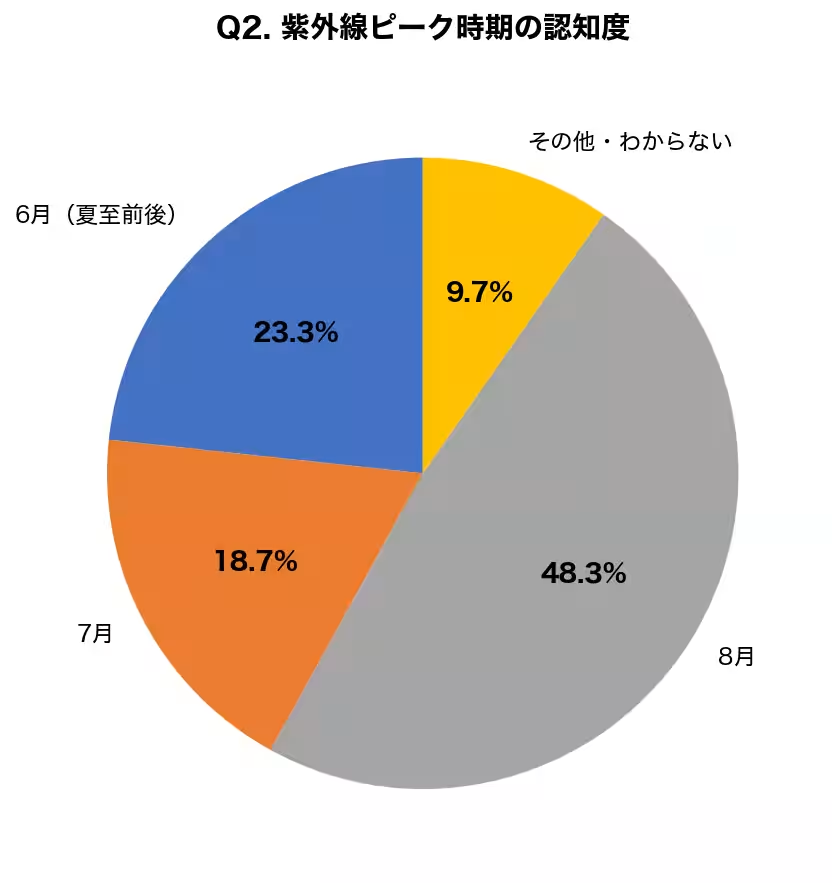
- - Only 23.3% recognized June as the peak month for UV exposure, while 76.7% mistakenly believed it to be August, revealing a significant misconception about seasonal UV patterns.
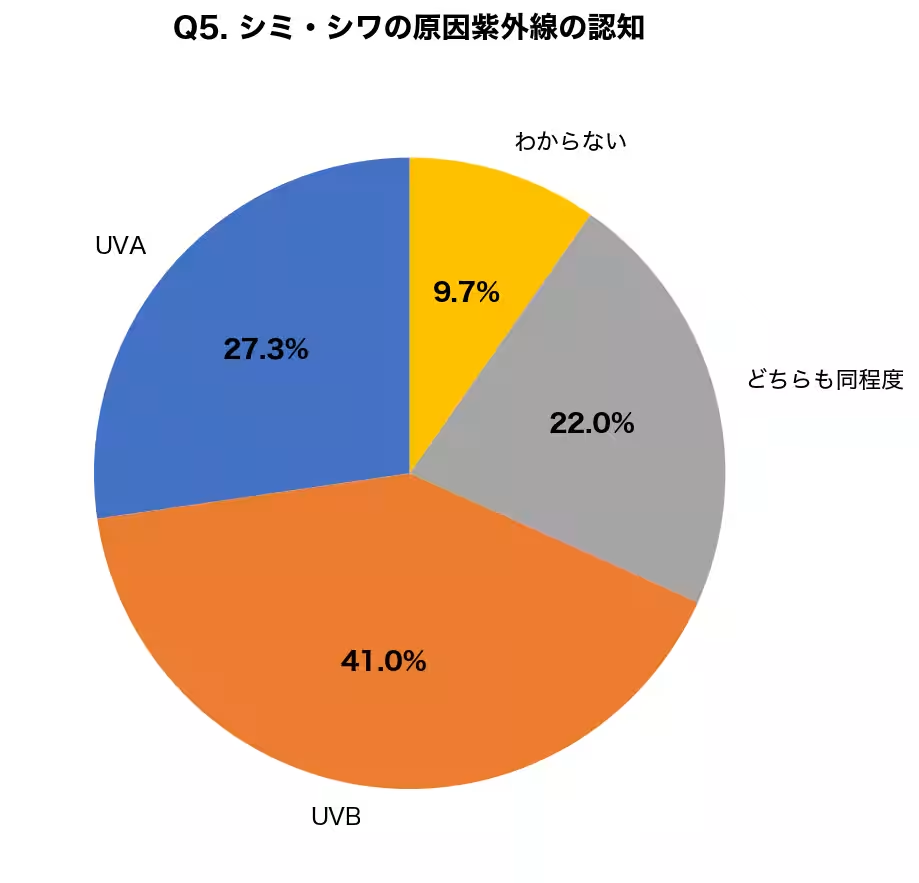
- - 42.0% knew UVA and UVB existed but couldn’t differentiate between them, and only 27.3% could accurately identify UVA as the primary cause of skin aging.
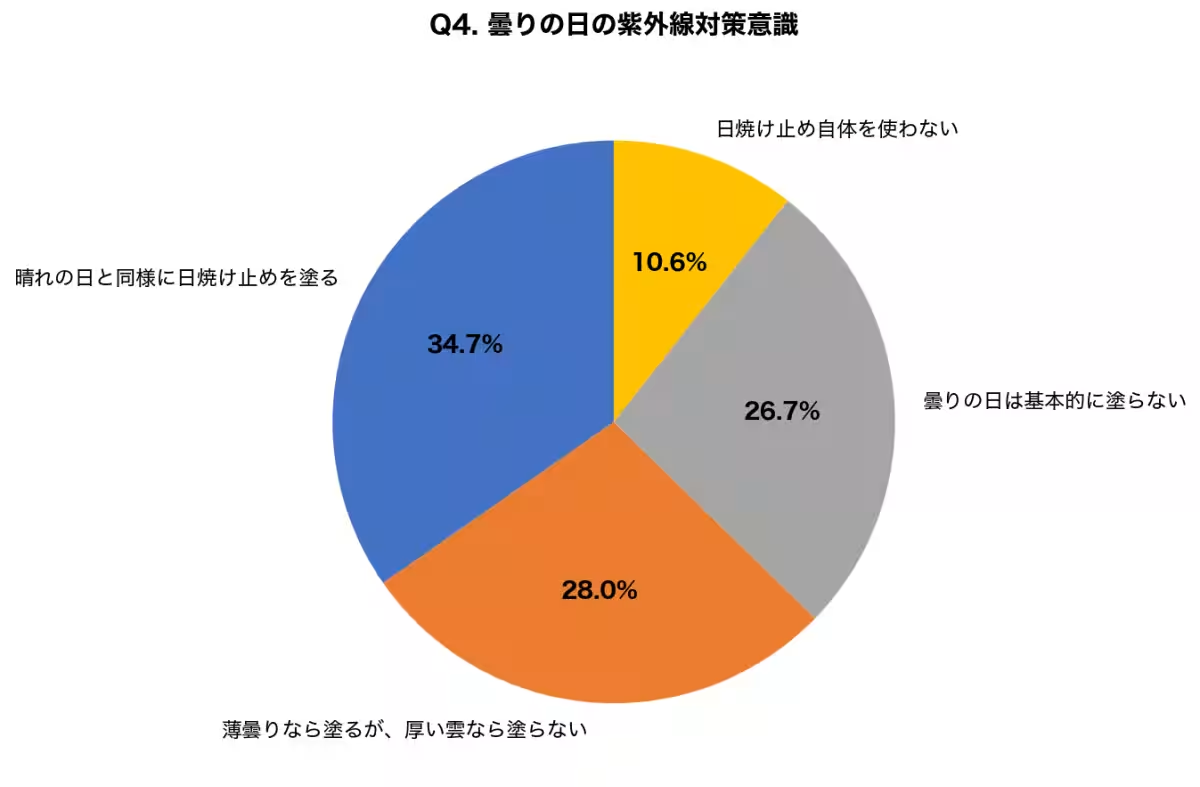
- - A disheartening 65% reported neglecting UV protection on cloudy days, despite the fact that approximately 80% of UVA rays can reach the ground regardless of the weather.
The Risks of Neglect
The consequences of inadequate UV protection can be dire, resulting in not just cosmetic issues like premature aging but also long-term health risks such as skin cancers. The persistent UV exposure that goes invisible under cloudy skies requires continuous and thorough prevention strategies throughout the year, especially in June, when levels peak.
Expert Opinions
Dr. Kouta Takakuwa, a physician at I.C. Clinic specializing in dermatology, asserts that effective UV protection hinges on both the dissemination of accurate knowledge and the consistent application of protective measures. He emphasizes that both UVA and UVB rays pose unique threats to skin health, and everyone must educate themselves accordingly.
Final Recommendations
To effectively defend against UV exposure, consider the following guidelines:
- - Year-Round Protection: UVA can penetrate clouds and windows. Therefore, consistent year-round sun protection is critical.
- - peak UV Awareness in June: As UV levels peak in June, ensure that proper protection is prioritized regardless of the weather.
- - Reapplication of Sunscreen: For effective results, sunscreen should be reapplied every 2-3 hours.
- - Choose Wisely: Daily use should involve SPF 30 and PA+++. For extended outdoor activities, opt for SPF 50 and PA++++.
In conclusion, as we approach the summer solstice, public education on UV protection is more vital than ever. Awareness and proactive protective measures can help preserve skin health and prevent long-term damage from UV exposure.
Topics Health)
【About Using Articles】
You can freely use the title and article content by linking to the page where the article is posted.
※ Images cannot be used.
【About Links】
Links are free to use.