


Understanding the Low Awareness of Hidradenitis Suppurativa: A Chronic Skin Condition
Understanding Hidradenitis Suppurativa
Hidradenitis Suppurativa (HS) is a chronic inflammatory skin condition that often goes unnoticed or misdiagnosed. A recent survey conducted by the IC Clinic explored the awareness levels and common misconceptions about HS, revealing alarming statistics about its recognition and the implications for patients.
What is Hidradenitis Suppurativa?
Hidradenitis Suppurativa is characterized by painful lumps and pus-filled sores that typically occur in areas containing apocrine glands, such as the armpits, groin, buttocks, and underneath the breasts. The condition begins with blocked hair follicles, leading to recurrent bacterial infections and the potential formation of sinus tracts, which can complicate the treatment and prolong the suffering of patients.
The Results of the Survey
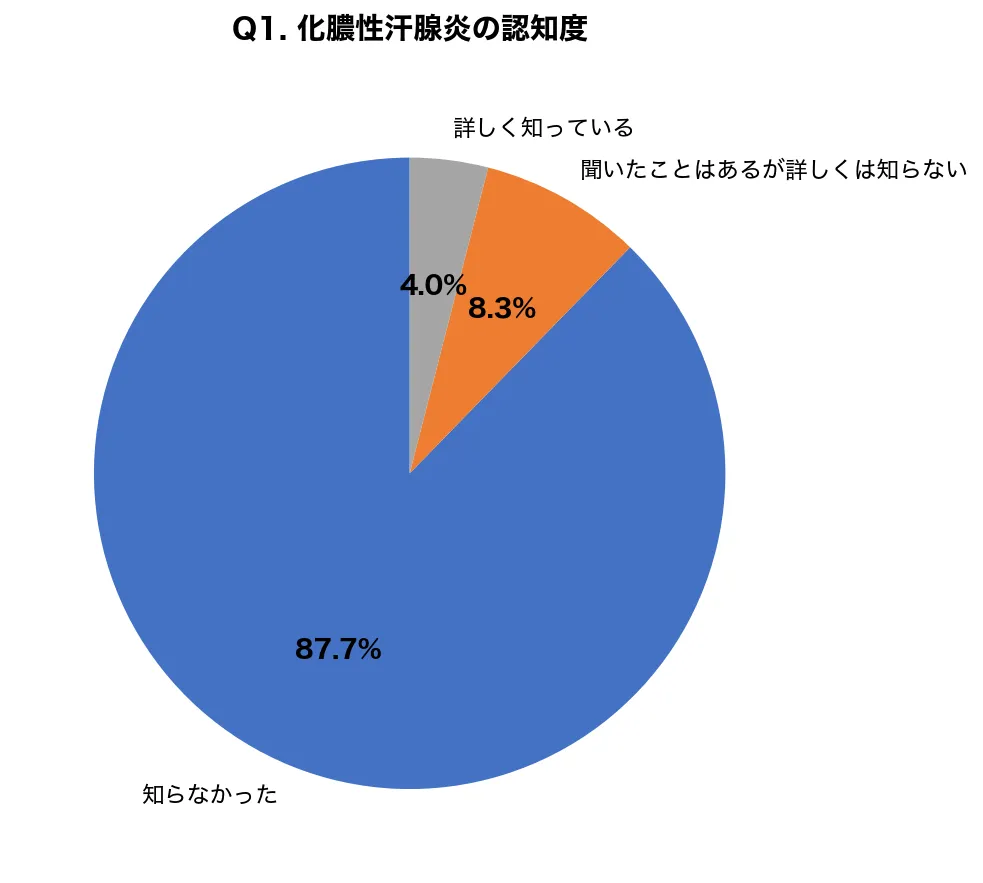
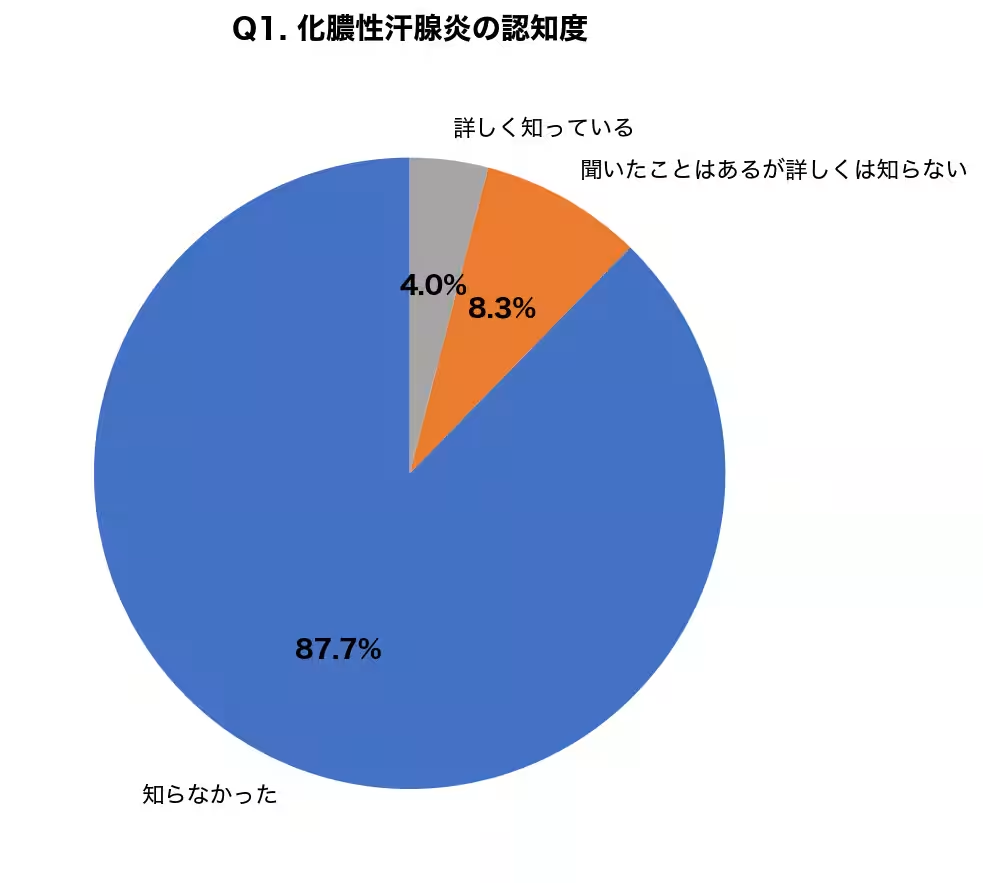
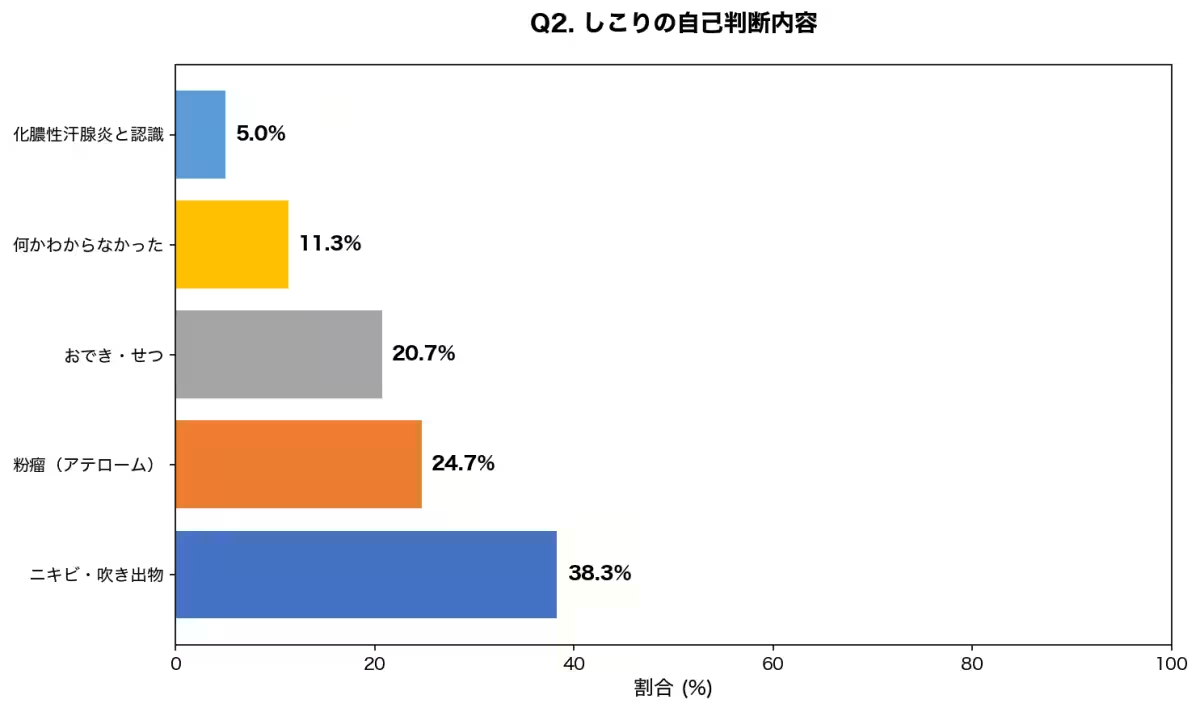
The research included 300 individuals aged 20 to 60 who have experienced recurring lumps in sensitive areas. Shockingly, only 12.3% of participants were aware of Hidradenitis Suppurativa, and 87.7% didn't even recognize the term. Of those who experienced recurring lumps, 83.7% misidentified their symptoms as acne, sebaceous cysts, or boils.
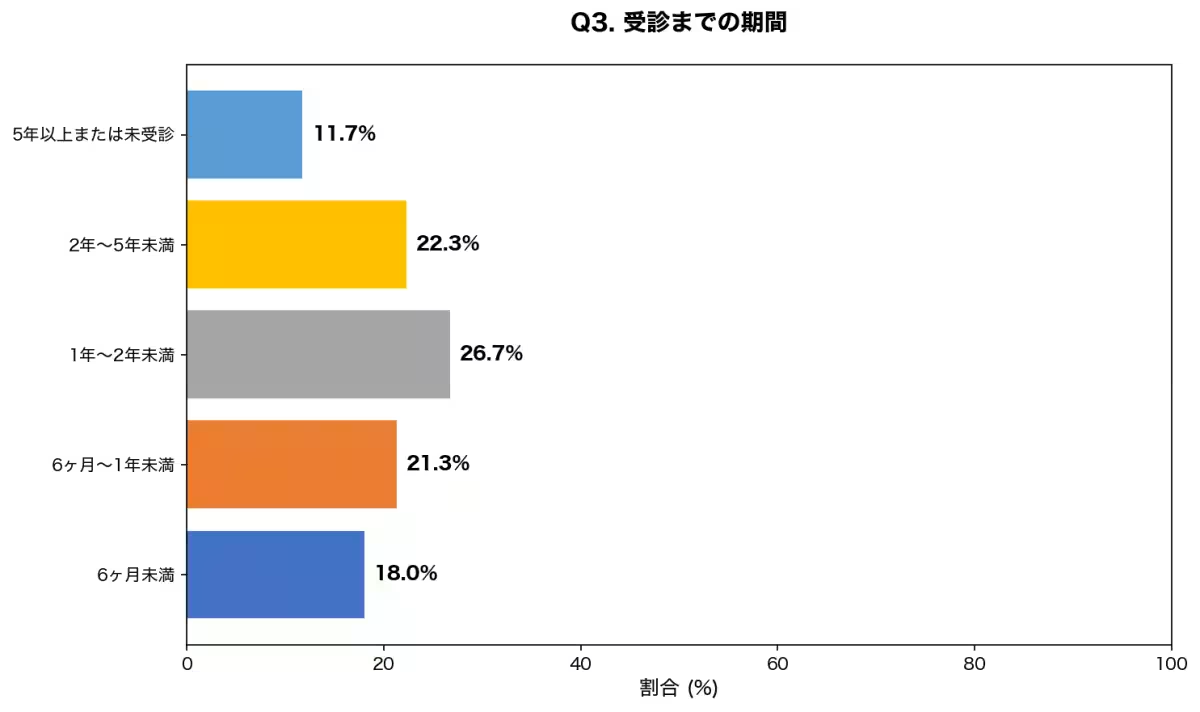
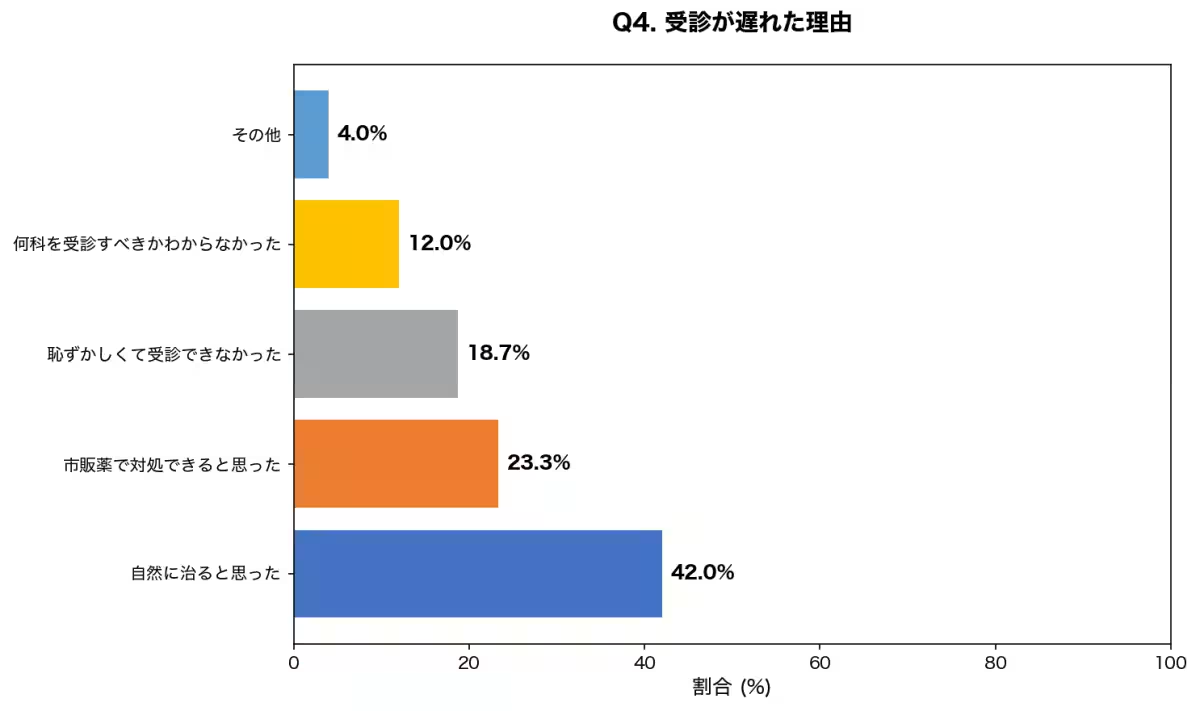
Patients often took an average of 2.4 years from symptom onset to seek medical help, with 67.3% indicating that their condition worsened during this period. Notably, 42.0% believed their symptoms would resolve on their own without medical intervention, highlighting a common misconception that contributed to the delay in diagnosis.
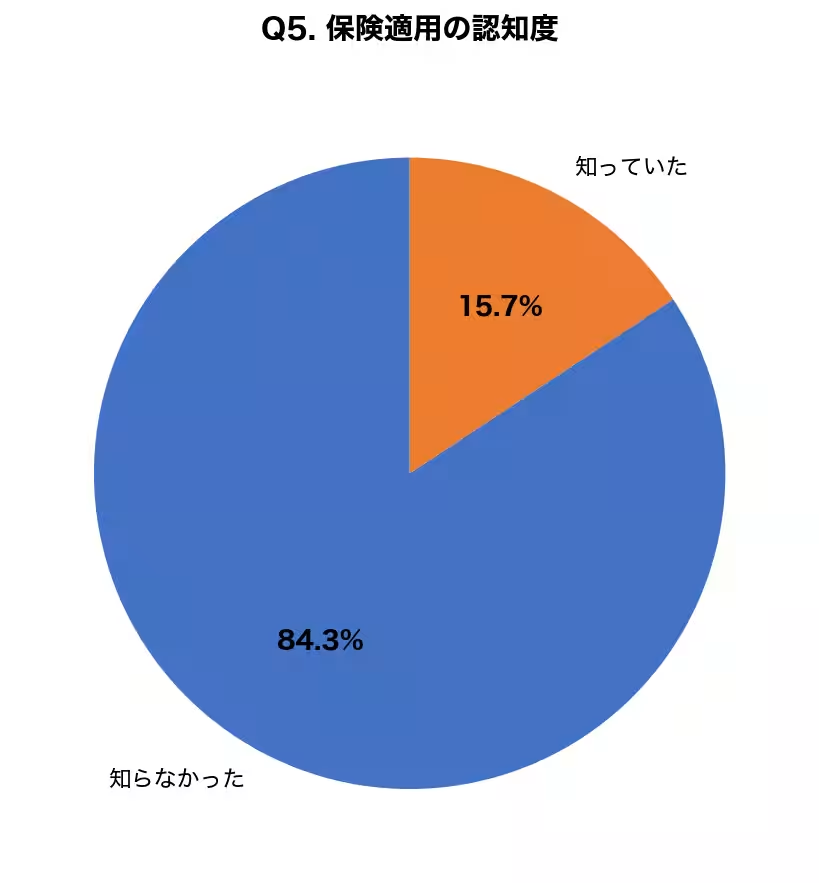
Furthermore, only 15.7% of respondents were aware that treatment for Hidradenitis Suppurativa is covered by health insurance, adding to the barriers preventing individuals from seeking help.
Differences Between Hidradenitis Suppurativa, Sebaceous Cysts, and Acne
To clarify the distinctions:
- - Hidradenitis Suppurativa: Recurrent lumps often painful, primarily in areas rich in apocrine glands; typically presents as multiple interconnected lesions and may involve pus drainage.
- - Sebaceous Cysts: Usually solitary, these painless lumps result from blocked sebaceous glands and can be removed via surgery with low chances of recurrence.
- - Acne: Commonly affects areas like the face, back, and chest, characterized by smaller, less painful lumps.
Understanding these differences is critical for prompt and effective treatment. The unique chronic nature of HS requires specific management techniques, often including antibiotics, biological agents, or surgery, depending on severity.
Challenges in Diagnosis and Treatment
A major barrier to diagnosis is the stigma associated with the body's sensitive areas, leading some individuals to feel embarrassed to seek treatment. This lack of awareness and misconceptions can have severe impacts on an individual's quality of life (QOL). Patients often suffer from repeated flare-ups, pain, and social discomfort, which could potentially lead to scarring and extensive surgical procedures if left untreated.
As underscored by Dr. Kōta Takakuwa, a specialist at IC Clinic with over 30,000 surgeries to his credit, early intervention is crucial. Recognizing the signs early—such as recurrent painful lumps or pus drainage—can lead to less invasive treatment options and improved patient outcomes.
Importance of Education and Awareness
This study emphasizes the urgent need for public education regarding Hidradenitis Suppurativa. Awareness campaigns could significantly decrease the time taken for patients to seek medical help, ultimately improving their quality of life.
In conclusion, if you or someone you know is experiencing recurring lumps in your underarm, groin, or buttock areas, consider consulting a dermatologist or surgical specialist. There is hope, and effective treatments are available, often covered by health insurance, but only if patients take the critical step to seek help.
Topics Health)






【About Using Articles】
You can freely use the title and article content by linking to the page where the article is posted.
※ Images cannot be used.
【About Links】
Links are free to use.