



Examining Risky Advertisement Practices Under Pharmaceutical Regulations in Japan
Examining Risky Advertisement Practices Under Pharmaceutical Regulations in Japan
In an effort to scrutinize advertising practices that may violate Japan’s Pharmaceutical and Medical Device Act (PMD Act) and the Law against Unjustifiable Premiums and Misleading Representations, REGAL CORE has conducted a detailed survey on pertinent advertisement expressions associated with article landing pages (LPs). This investigation is ongoing, with the latest results released in August 2026. The need for this scrutiny is underscored by repeated findings of potential legal violations in ad messaging.
Research Overview
The survey conducted from June to August 2026 focused on multiple selected web media platforms. The core of the analysis revolved around advertisements displayed as article LPs, particularly those highlighting promoted products. Employing a bi-weekly assessment framework, the study aimed to evaluate whether the advertisement expressions adhere to the stipulated legal criteria designed to protect consumers.
Through this meticulous examination, instances of advertising expressions that could be problematic under PMD law and premium representation guidelines were identified. The results echo previous findings whereby identical issues surfaced, raising significant concerns for consumer safety.
Key Findings
Risks in Health Food Advertisements
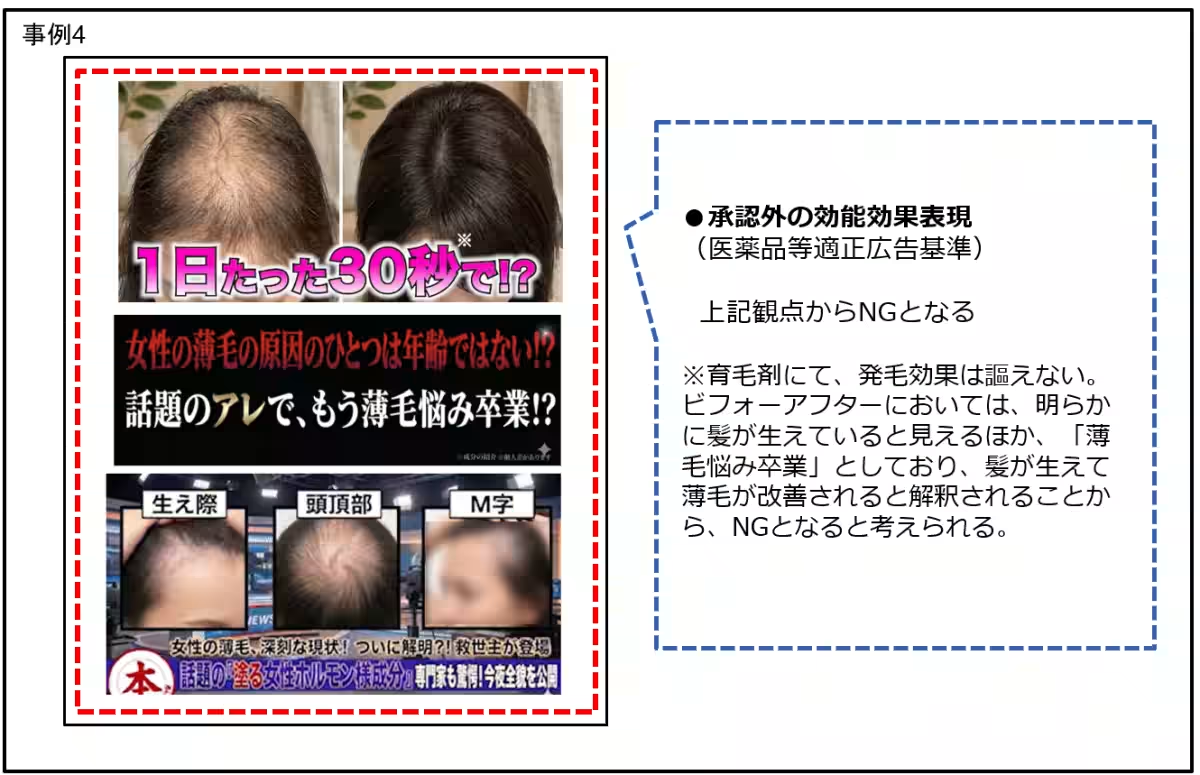
One concerning trend observed was related to health food products making claims that could be construed as medicinal or exaggerated, thus violating relevant laws. Below are some specific examples of advertising creatives that could mislead consumers:
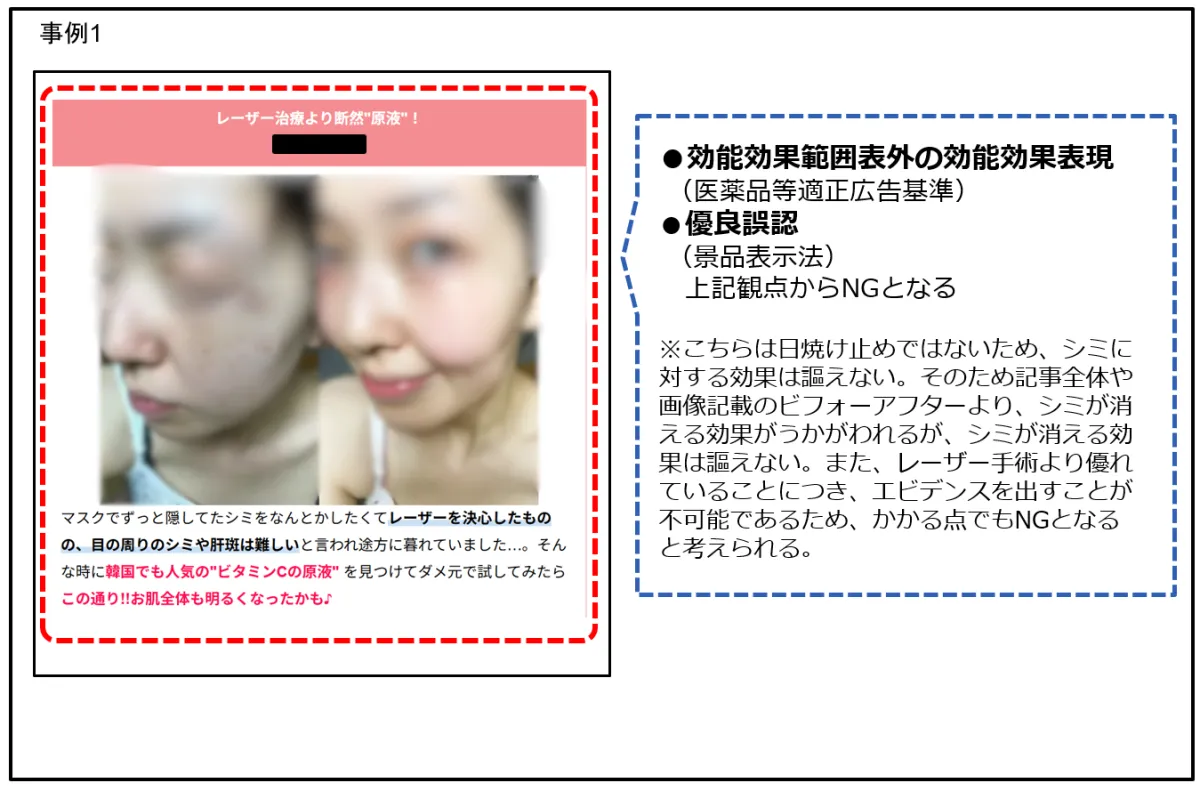
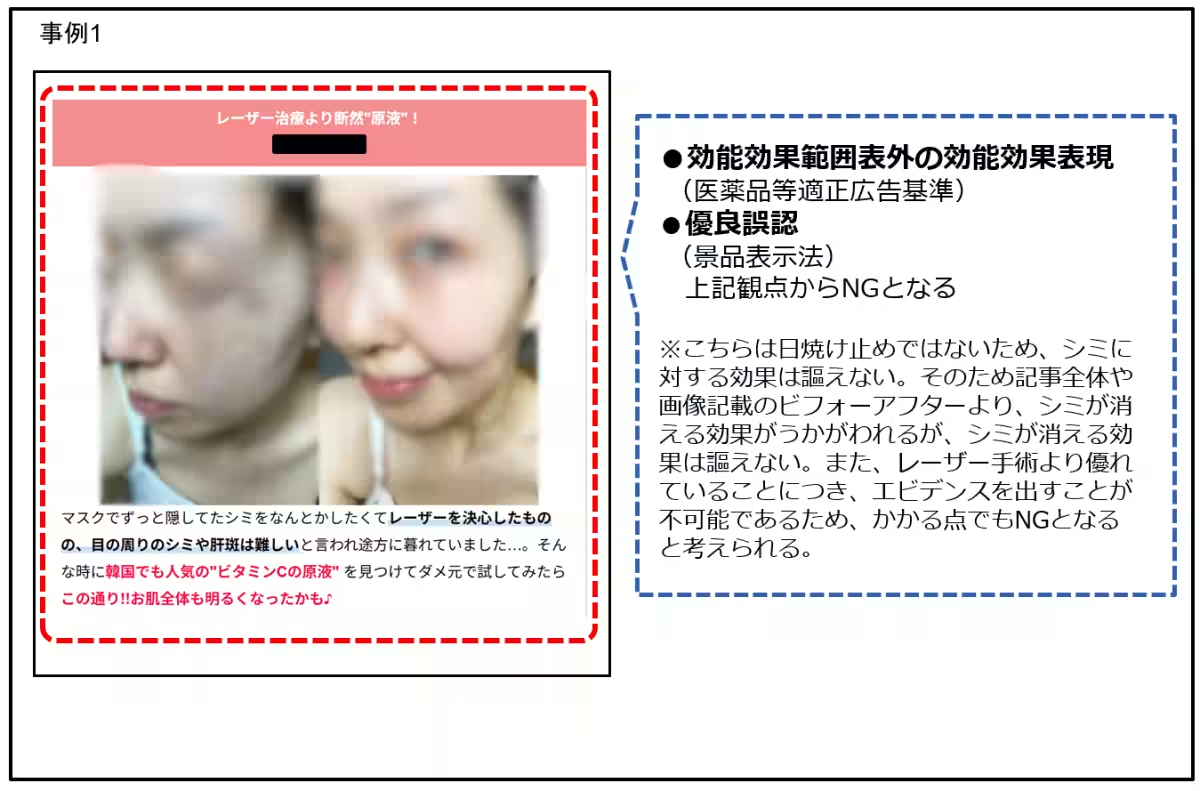
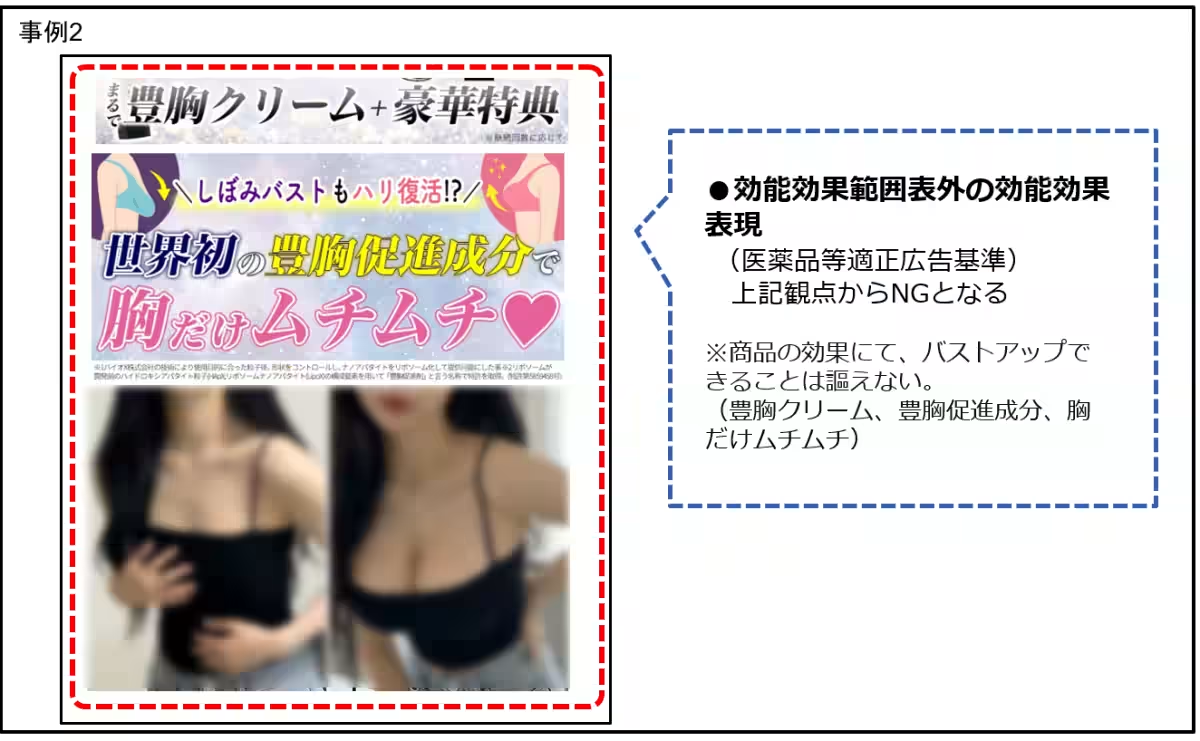
1. False Health Claims: Expressions suggesting unintended benefits, such as enhancing female hormone functions or significantly improving breast attributes:
- “Amplifying the working of female hormones, attain voluptuous breasts effortlessly.”
- “Detoxifying effects that lead to younger-looking skin.”
2. Misleading Weight Loss Claims: Claims that imply miraculous weight loss results without effort:
- “Guaranteed weight loss up to 13.1 kg in two weeks.”
- Expressions implying that merely consuming a product will lead to fat burning or weight reduction.
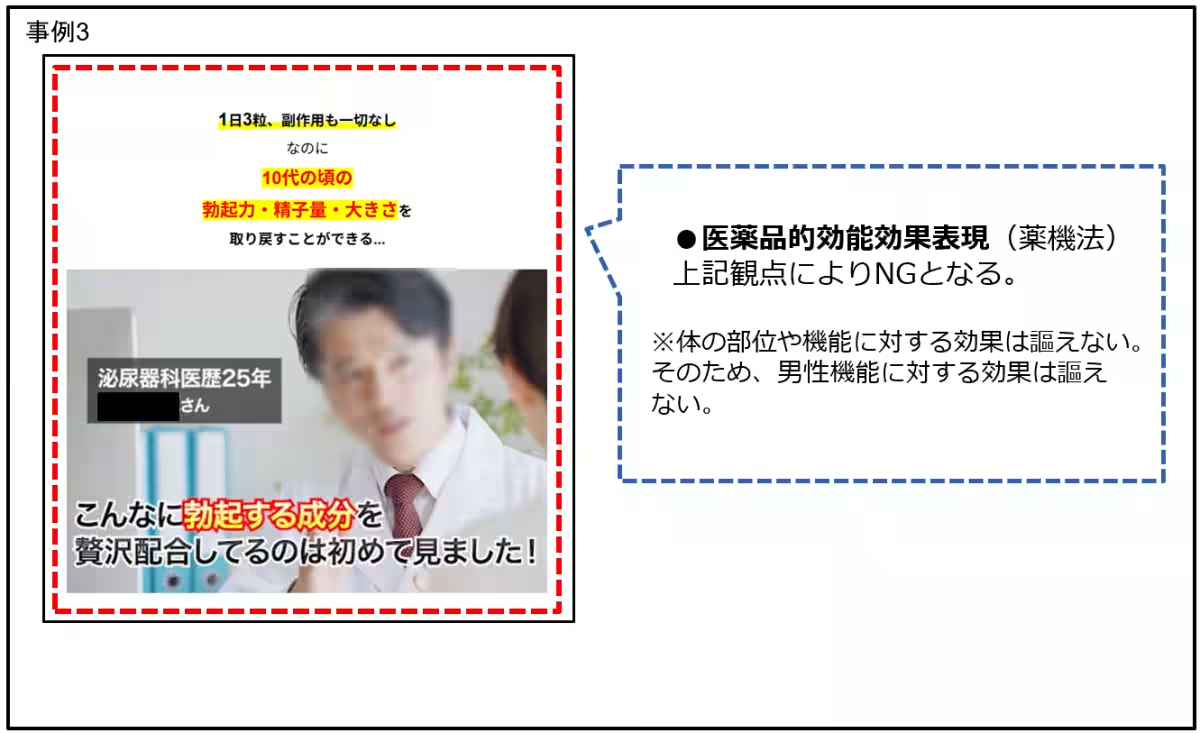
3. Unsubstantiated Benefits for Men's Health: Claims indicating enhancements to male sexual functions that are unfounded, with expressions like:
- “Take this male hormone for unmatched libido boosts.”
Misleading Functional Claims in Foods
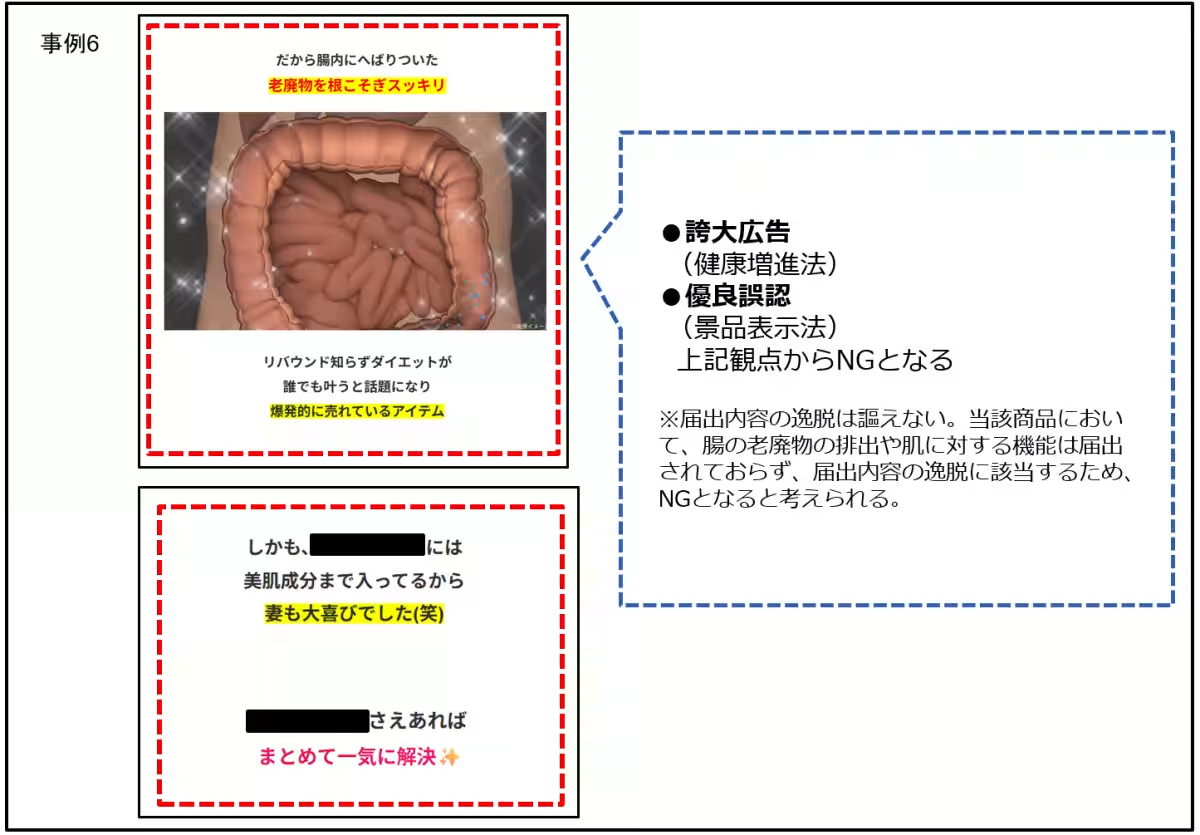
For functional foods that require disclosure notifications, advertisements often exceeded claimed functionalities, leading to misleading consumer perceptions:
- - Claims suggesting fundamental improvements to vision without needing glasses can severely mislead.
- - Exaggerated claims about weight loss or metabolism often imply unrealistic outcomes such as losing 10 kg in a month without exercise.
Misrepresentation in Cosmetics
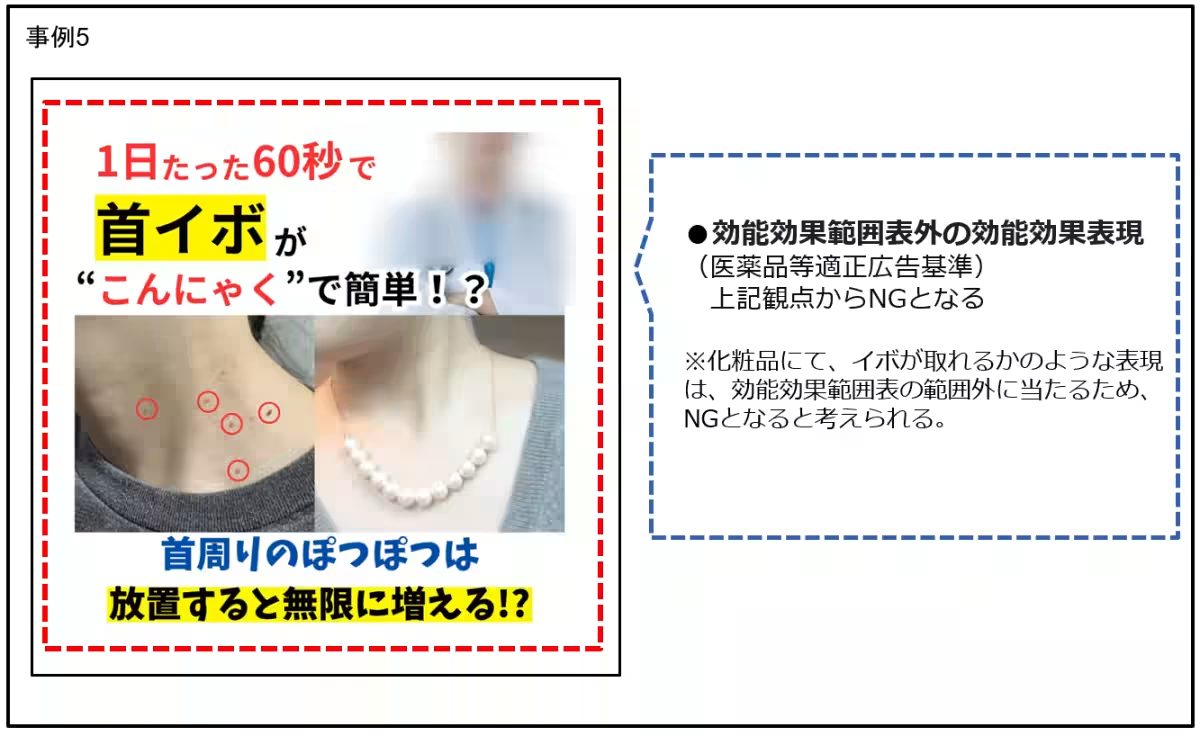
Cosmetic products, including medicated cosmetics, were also identified with problematic claims, including:
- - Exaggerated effectiveness in items like hair removal creams and skincare products with claims like permanent hair removal or dramatic skin rejuvenation.
- - Promotions that imply immediate packing or long-lasting effects on skin conditions without substantial backing.
Pharmaceutical Misrepresentation
Misleading expressions in pharmaceutical advertising reiterate the need for ongoing scrutiny. For instance, terms like
Topics Health)
【About Using Articles】
You can freely use the title and article content by linking to the page where the article is posted.
※ Images cannot be used.
【About Links】
Links are free to use.