



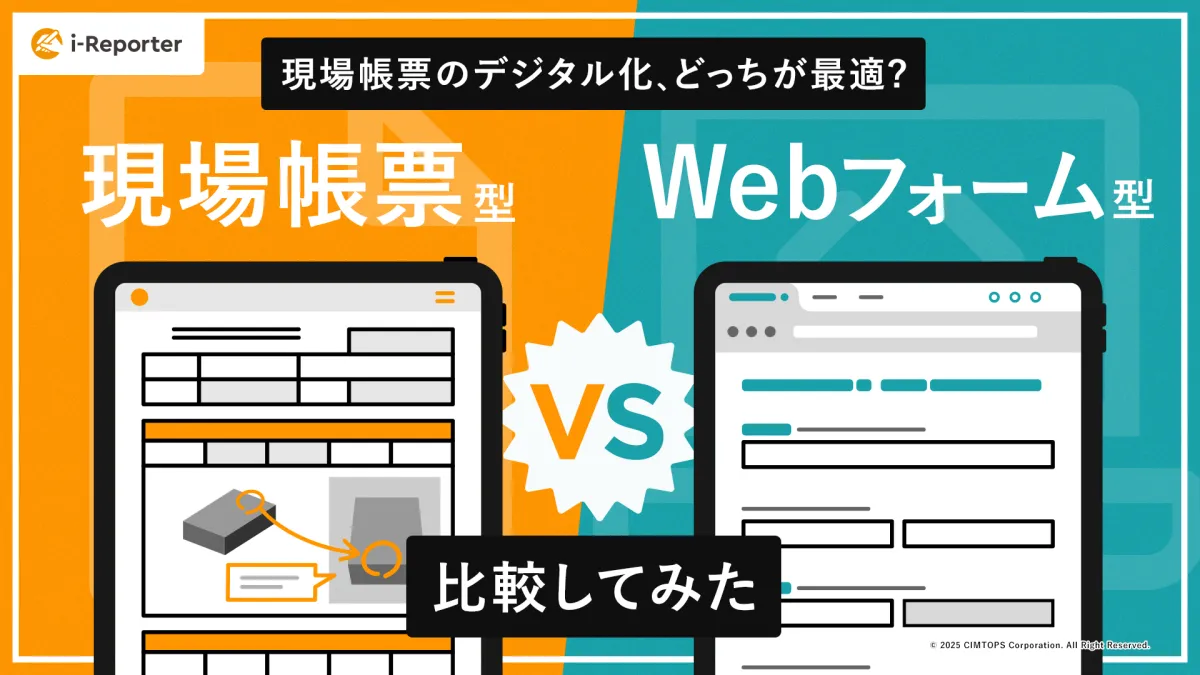
Comparative Analysis of Two Approaches for Digitizing On-Site Reporting Forms
Comprehensive Comparison of On-Site Reporting Form Digitization Approaches
In the realm of modern manufacturing, digitization is no longer a choice but a necessity. With companies like Simtops Co., Ltd., headquartered in Shinagawa, Tokyo, leading the charge with their flagship system, i-Reporter, the focus is on the critical shift from traditional paper-based processes to digital solutions. Recent research reveals alarming trends in the manufacturing sector, where approximately 69.6% of companies continue to rely on paper or Excel for form management—a 5.9% increase since 2022, indicating a backward trend towards analog methods. To combat this, Simtops has released a white paper that rigorously compares two primary system approaches to digitalizing on-site reporting forms: the On-Site Reporting Type and the Web Form Type.
The Current State of On-Site Document Management
The findings from Simtops' recent survey, titled “Current Practices of On-Site Reporting in Manufacturing,” which was conducted in April 2025, highlight that a significant portion of businesses still grapples with outdated document management practices. This stagnation can be attributed to several factors:
- - Routinization of Paper and Excel: Many organizations have become accustomed to these tools, perceiving them as convenient despite their inefficiencies.
- - Lack of Understanding Among Decision-Makers: Key stakeholders may not fully comprehend the benefits of shifting to digital systems.
- - Resistance to Cloud Solutions: Some companies hesitate to adopt modern technologies, impacting their overall progress in digitization.
This white paper aims to provide actionable insights for officials driving digital transformation initiatives, helping them select the most suitable system type based on the unique needs of their operations.
Breakdown of the White Paper
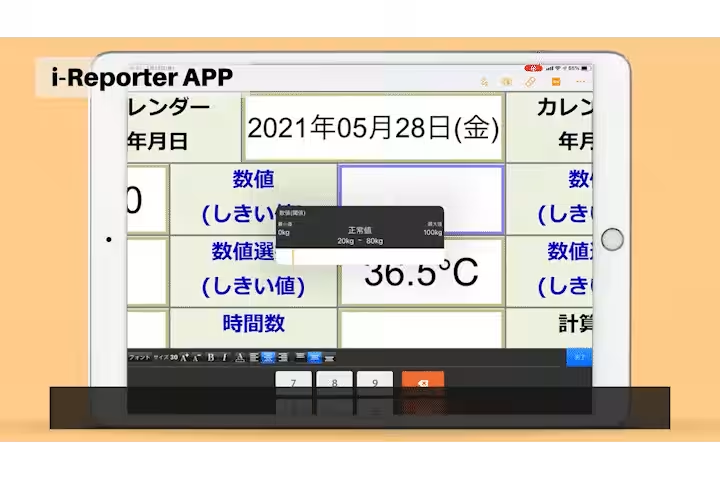
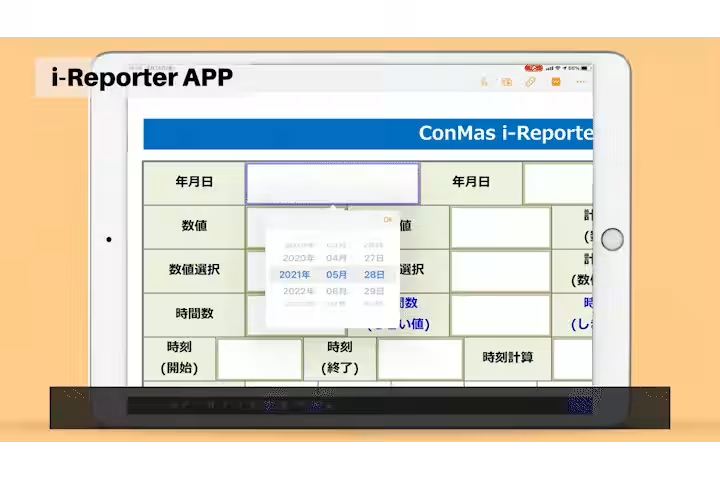
1. In-Depth Comparison of System Types: The document analyzes the features, strengths, and weaknesses of the On-Site Reporting Type, which aims to replicate paper and Excel layouts seamlessly, alongside the minimalistic approach of the Web Form Type. This section is invaluable for organizations weighing their options in terms of functionality and user experience.
2. Critical Selection Criteria: Understanding the factors that impact the adoption rate of these systems is crucial. The paper outlines evaluation points including usability, operational burden for on-site workers, and scalability, guiding organizations to avoid pitfalls when integrating new technologies.
3. Practical Diagnostic Checklist: Readers will find a questionnaire designed to help organizations quickly assess which system is the best fit for their operations, streamlining the selection process considerably.
The Role of Digital Transformation
It is critical to note that digital transformation transcends mere digitization; it fosters enhanced communication both within organizations and externally, paving the way for swift decision-making processes. A parallel study conducted on the utilization of Generative AI in manufacturing indicates that 74.1% of desk workers are leveraging this technology for tasks ranging from email drafting to technical data summarization. Such data collected on the ground serves as a foundation for advanced analyses, predictive modeling, and automation, effectively bridging the gap between operational and administrative functions.
Target Audience and Applications
The white paper has been crafted for DX (digital transformation) proponents and executive leadership alike who are facing challenges in decision-making related to on-site reporting systems. It also includes insights from Yanmar Construction Equipment, a company renowned for its innovative small construction machinery. Interviews with key officials from Yanmar illuminate real-world applications and benefits derived from both system types.
How to Access the White Paper
Recognizing the imperative for businesses to adapt, Simtops offers this white paper free for download, allowing organizations to access crucial information that can drive their operational efficiencies. Interested parties can obtain the document at:
Download White Paper
Conclusion
In conclusion, the transition from traditional paper-based systems to digital solutions represents not just an operational shift, but a cultural one within the manufacturing industry. As noted in the recent studies, the future of manufacturing will heavily rely on the effectiveness of these digital systems to enable collaboration and data utilization. Thus, leveraging insights from the white paper can position organizations to not only adapt but thrive in this digital landscape.


Topics Consumer Technology)
【About Using Articles】
You can freely use the title and article content by linking to the page where the article is posted.
※ Images cannot be used.
【About Links】
Links are free to use.