



Over 70% of Care Workers Report Increased Workload Due to Recruitment Issues
Challenges in the Caregiver Industry: Insight on Recruitment Issues
A recent survey conducted by Cordiality Care Corporation, headquartered in Shibuya, Tokyo, indicates that a significant majority of caregivers believe that staffing strategies at their workplaces are adversely affecting workplace dynamics. The survey focuses on recruitment mismatches in the caregiving sector, revealing critical issues that are exacerbating the workload on existing staff members.
Industry Background
The caregiving sector is currently under severe pressure due to an aging population and a shrinking workforce. Many facilities are struggling to attract and retain qualified personnel, leading them to prioritize rapid hiring to meet immediate staffing needs. However, this rush often results in hiring individuals whose qualifications or values do not align with the facility's requirements. Such mismatched hires place an undue burden on existing employees, leading to frustration, fatigue, and even turnover.
Survey Summary
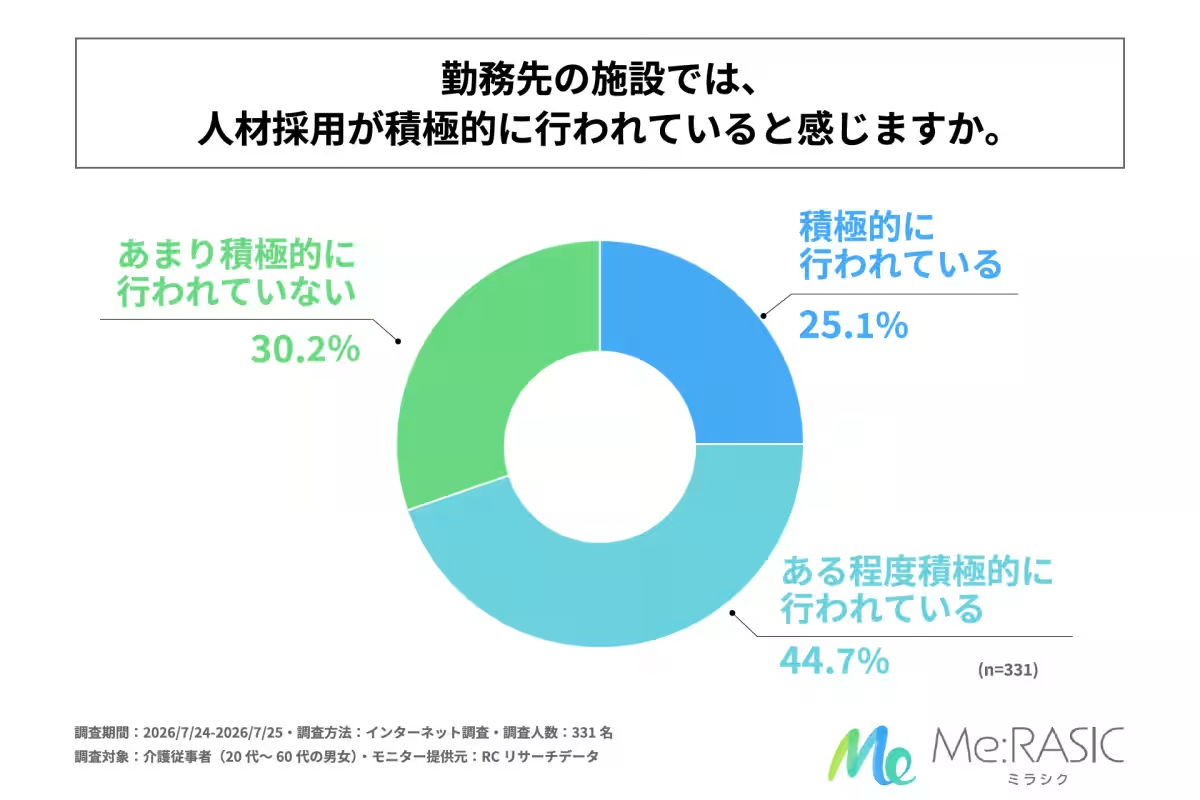
- - Approximately 70% of caregivers feel that their facilities are actively recruiting new staff.
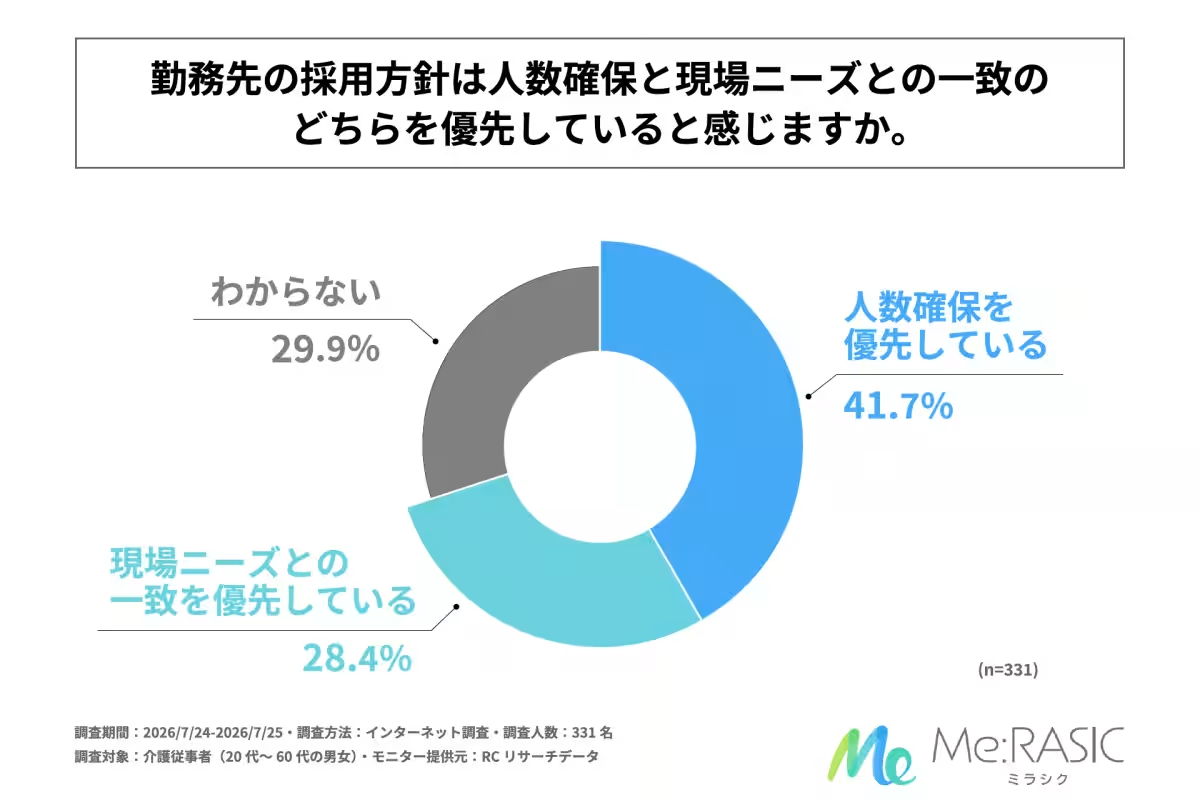
- - Over 40% of caregivers believe that the hiring policy at their facilities prioritizes numbers over matching the needs of the workplace.
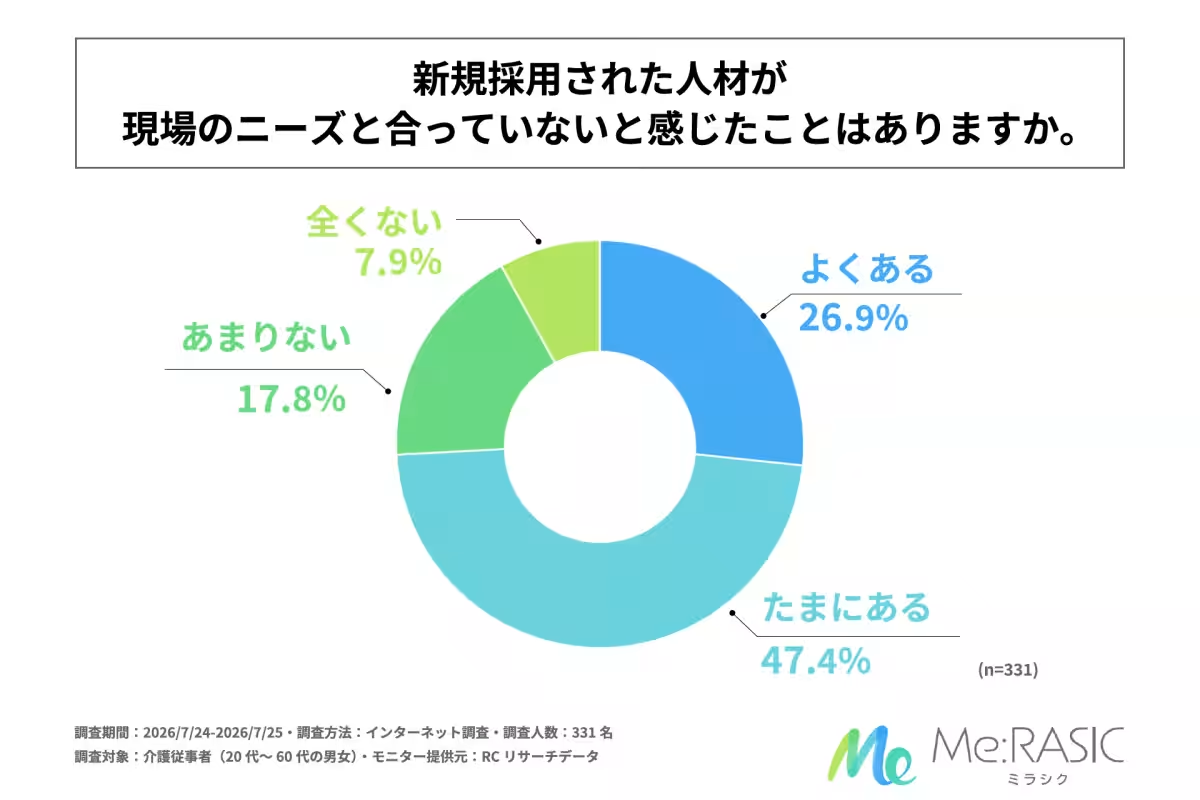
- - More than 70% of caregivers have experienced issues with newly hired staff not meeting job expectations.
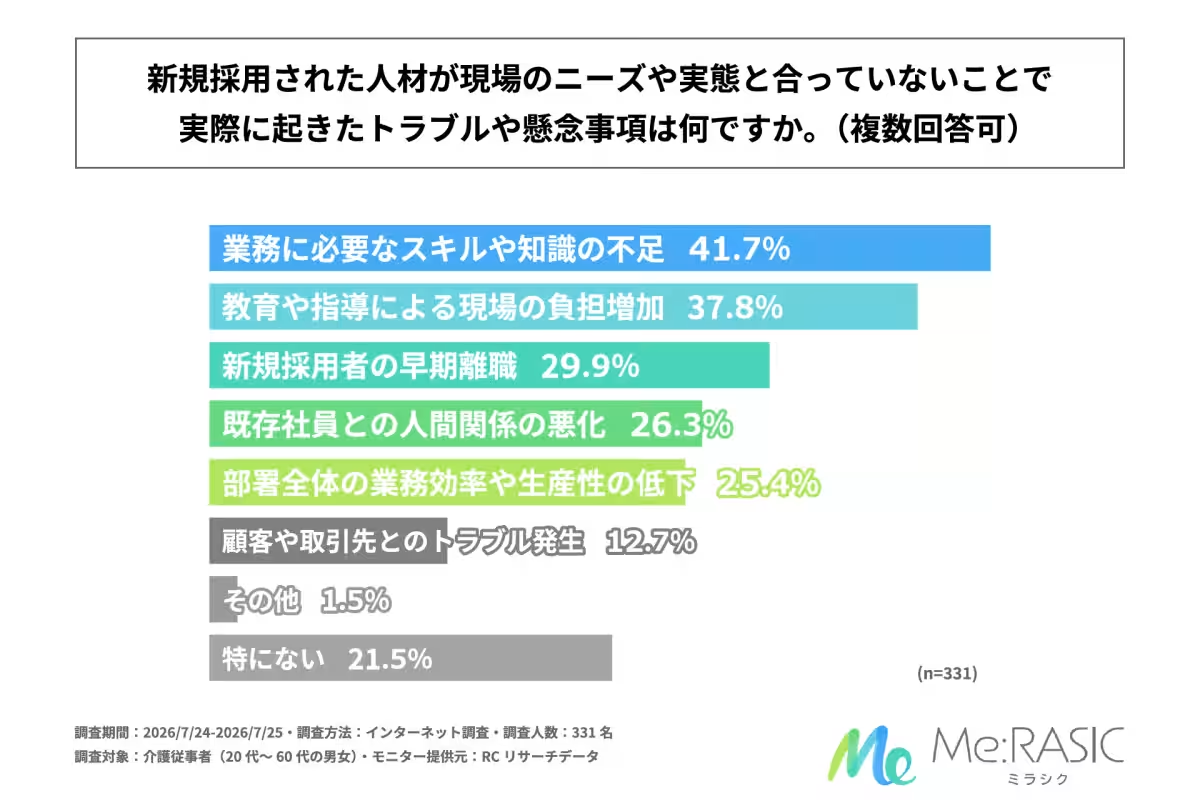
- - The top three concerns cited regarding mismatched hires include:
2. Increased burden from training and supervising new hires
3. Early turnover of new hires
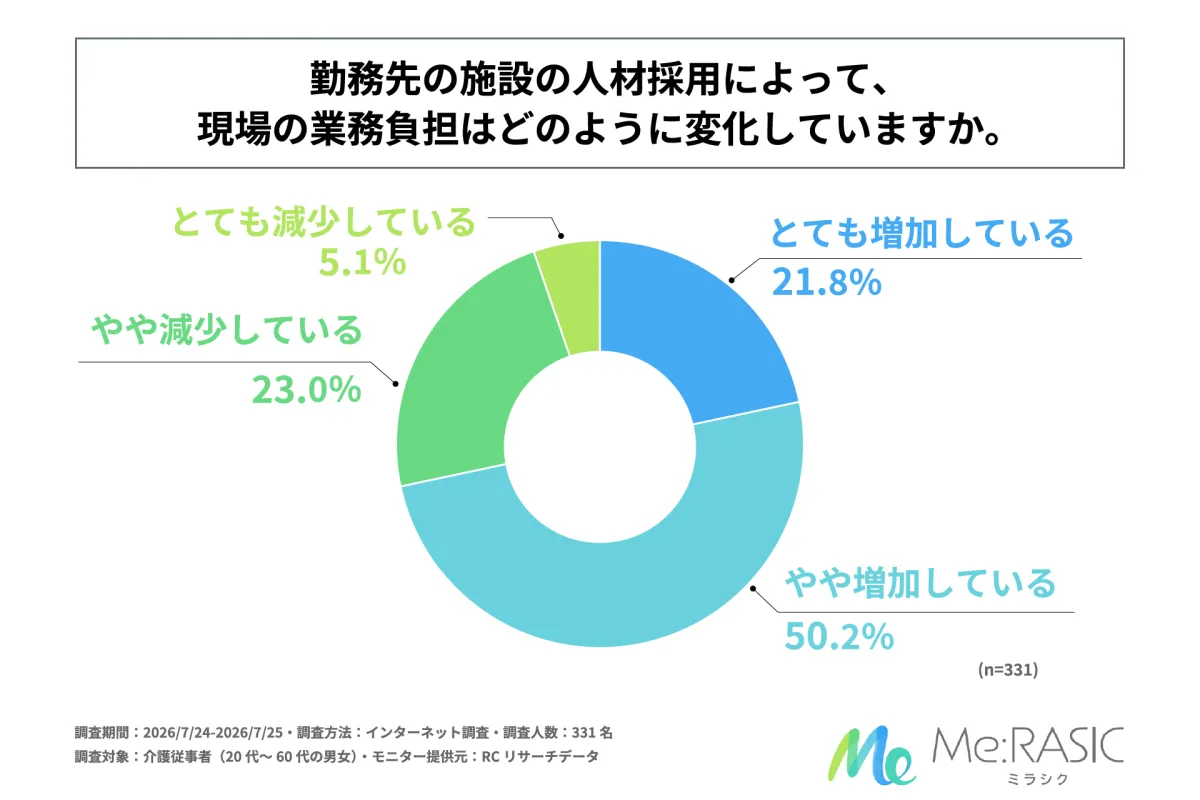
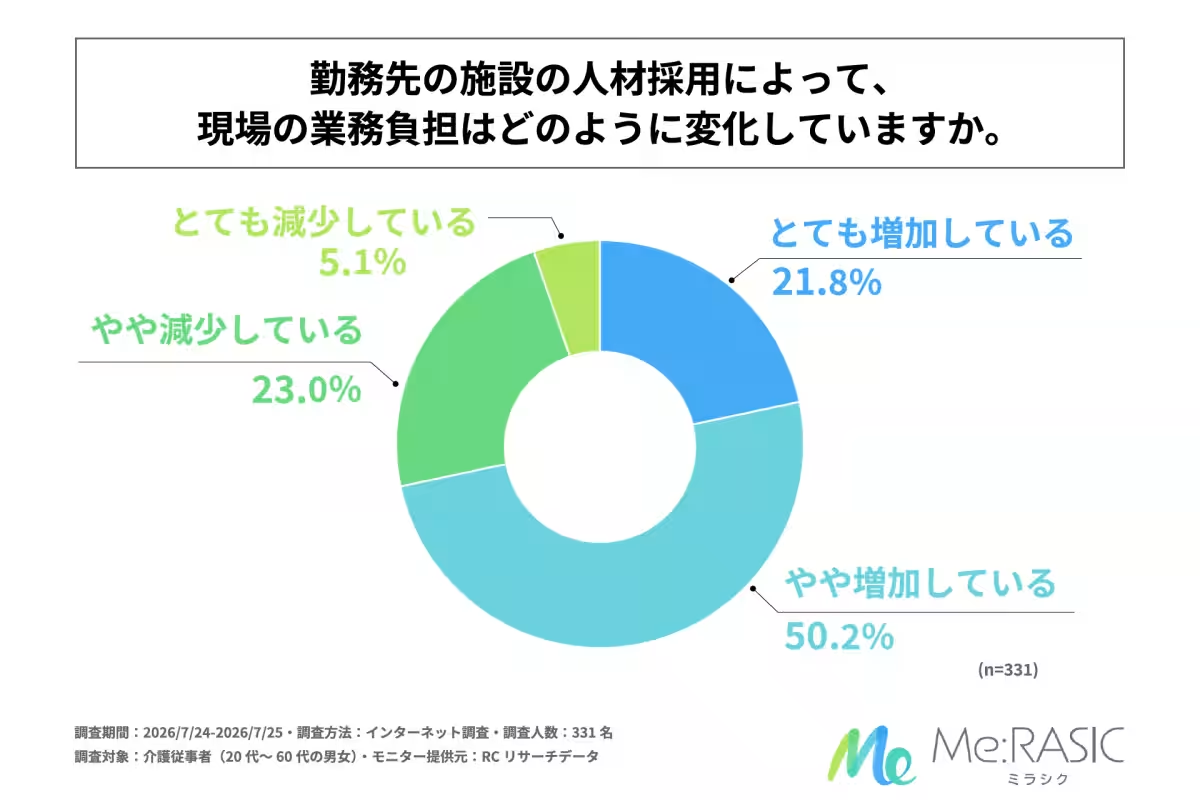
- - Over 70% of caregivers reported an increase in workload due to new hiring practices.
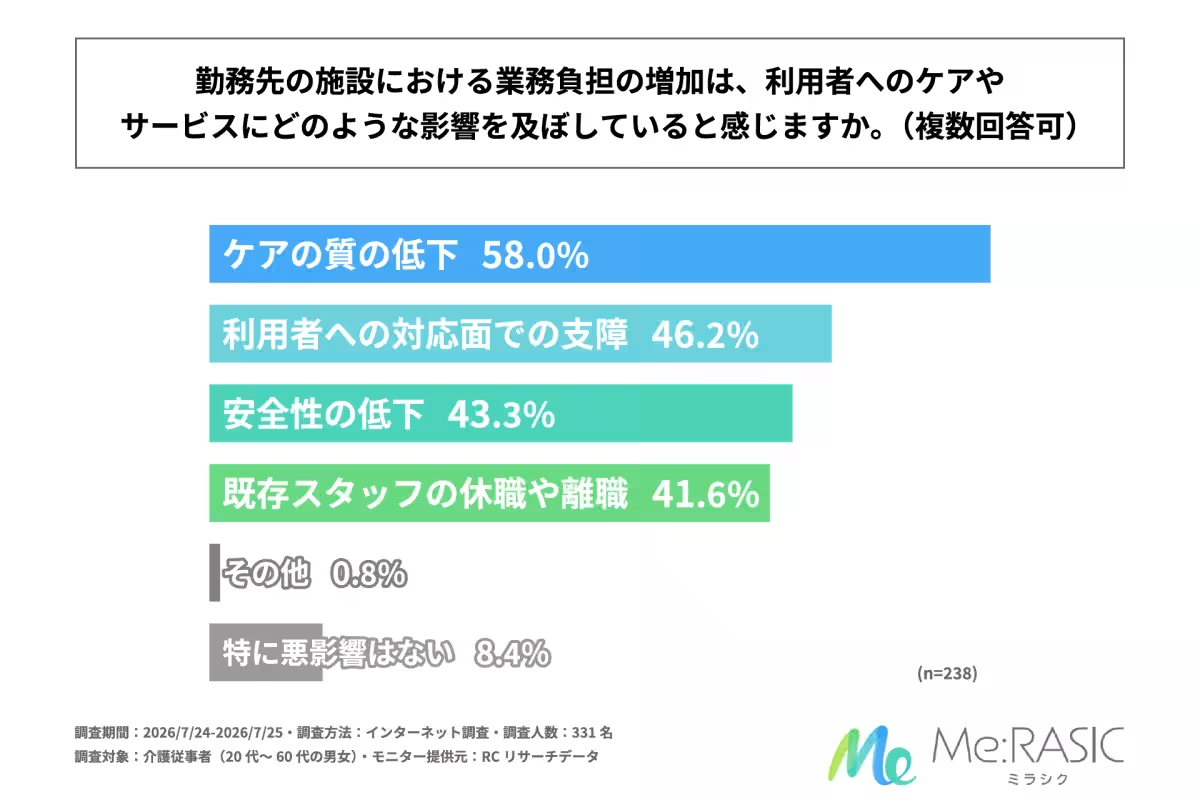
- - Approximately 60% feel that increased workloads are negatively affecting the quality of care provided to clients.
Detailed Findings
Recruitment Practices
When asked about their perceptions of the recruitment practices at their facilities, results showed that 44.7% of caregivers felt recruitment was moderately aggressive, while 25.1% stated that recruitment practices were actively robust. This suggests that nearly 70% of respondents acknowledge some level of proactive recruitment in their workplaces.
Focus on Quantity Over Quality
When questioned about whether their facility prioritizes hiring numbers or matching qualifications with job needs, a staggering 41.7% indicated a preference for quantity. This was higher than those who felt that matching skills to needs was prioritized. This perception highlights a worrying trend towards hastily filling vacancies rather than ensuring that new hires possess the requisite skills to succeed in their roles.
Impact of Mismatched Hiring
Further inquiry into how mismatched hires affect the workplace illuminated notable highlights. A significant 41.7% pointed to a deficit in the essential skills required for effective task completion as the major issue caused by this mismatch. This was closely followed by 37.8% who highlighted the additional strain placed on existing staff as a result of needing to train or supervise new employees lacking sufficient knowledge.
The Workload Dilemma
When it came to assessing changes in their workload due to staffing policies, a combined 72% of caregivers reported an increase in workload, with 50.2% stating a slight increase and 21.8% claiming a significant workload increase. This suggests that staffing challenges are not only stressful for caregivers but are also impacting the quality of service delivered to clients.
Deterioration in Care Quality
The consequences of increased workloads are stark. Caregivers cited several negative implications for client care:
1. Reduction in quality of care (58%)
2. Challenges in client interactions (46.2%)
3. Decrease in safety (43.3%)
These statistics illustrate that pressures from misaligned hiring practices are not just an administrative issue but have far-reaching impacts on client outcomes and safety.
Conclusion
The findings from the


Topics Other)




【About Using Articles】
You can freely use the title and article content by linking to the page where the article is posted.
※ Images cannot be used.
【About Links】
Links are free to use.