



Understanding the Global Impact of PFAS Regulations on the Semiconductor Industry
Understanding the Global Impact of PFAS Regulations on the Semiconductor Industry
As nations worldwide strengthen regulations regarding PFAS (per- and polyfluoroalkyl substances), the semiconductor industry is facing a significant transition. This article examines these regulations, their implications on manufacturing processes, and the shift towards alternative materials.
The Necessity of PFAS Regulations
PFAS are notorious for their durability and resistance to degradation, earning them the moniker “forever chemicals.” Although they have been fundamental in various applications due to their unique properties—such as heat resistance, water repellence, and chemical stability—growing concerns about their impact on human health and the environment have prompted regulatory changes across the globe. Countries are now prioritizing the limitation of PFAS usage, thereby compelling industries to find viable replacements.
Current Regulatory Landscape
In the semiconductor sector specifically, PFAS are utilized in numerous manufacturing processes, from photolithography to etching and cleaning, and even in the materials that comprise fabrication equipment. Major regulations include the POPs (Persistent Organic Pollutants) Treaty, the European REACH (Registration, Evaluation, Authorization and Restriction of Chemicals) legislation, and various frameworks in the United States and Japan. This increasing regulatory pressure requires semiconductor manufacturers to assess their reliance on these substances and to begin the daunting task of replacing them.
The upcoming REACH regulations proposed in Europe are particularly concerning for the industry, as they aim to impose comprehensive restrictions on all PFAS types. This could significantly impact production practices and costs, making immediate adaptation necessary.
Semiconductors and Their Dependency on PFAS
The semiconductor manufacturing process is intricate and multi-step, and PFAS play various roles, including in photoresists, etchants, and cleaning agents. Historical reliance on substances such as PFOS and PFOA highlights how entrenched these chemicals are in the industry. Transitioning from these established materials not only presents technical challenges but also necessitates substantial investment and innovation.
Past efforts towards diversification have often ended up with substitutes that were, nonetheless, PFAS-based, inadvertently extending the cycle of dependency. The evolving regulatory stance amplifies the urgency for semiconductor companies to pivot towards sustainable alternatives while ensuring that performance standards are met.
In light of this shift, 3M's announcement in 2021 to cease all PFAS production by the end of 2025 following contamination incidents signals a clear warning to the industry: changes are imminent, and preparedness is essential to maintaining operational continuity.
The Path Forward: Alternatives to PFAS
Innovations in non-PFAS materials are steadily gaining traction. Research is being conducted on alternative compounds that offer similar properties without the environmental risks associated with PFAS. For instance, developments in polymer chemistry and advances in functional coating materials are providing new opportunities for materials manufacturers.
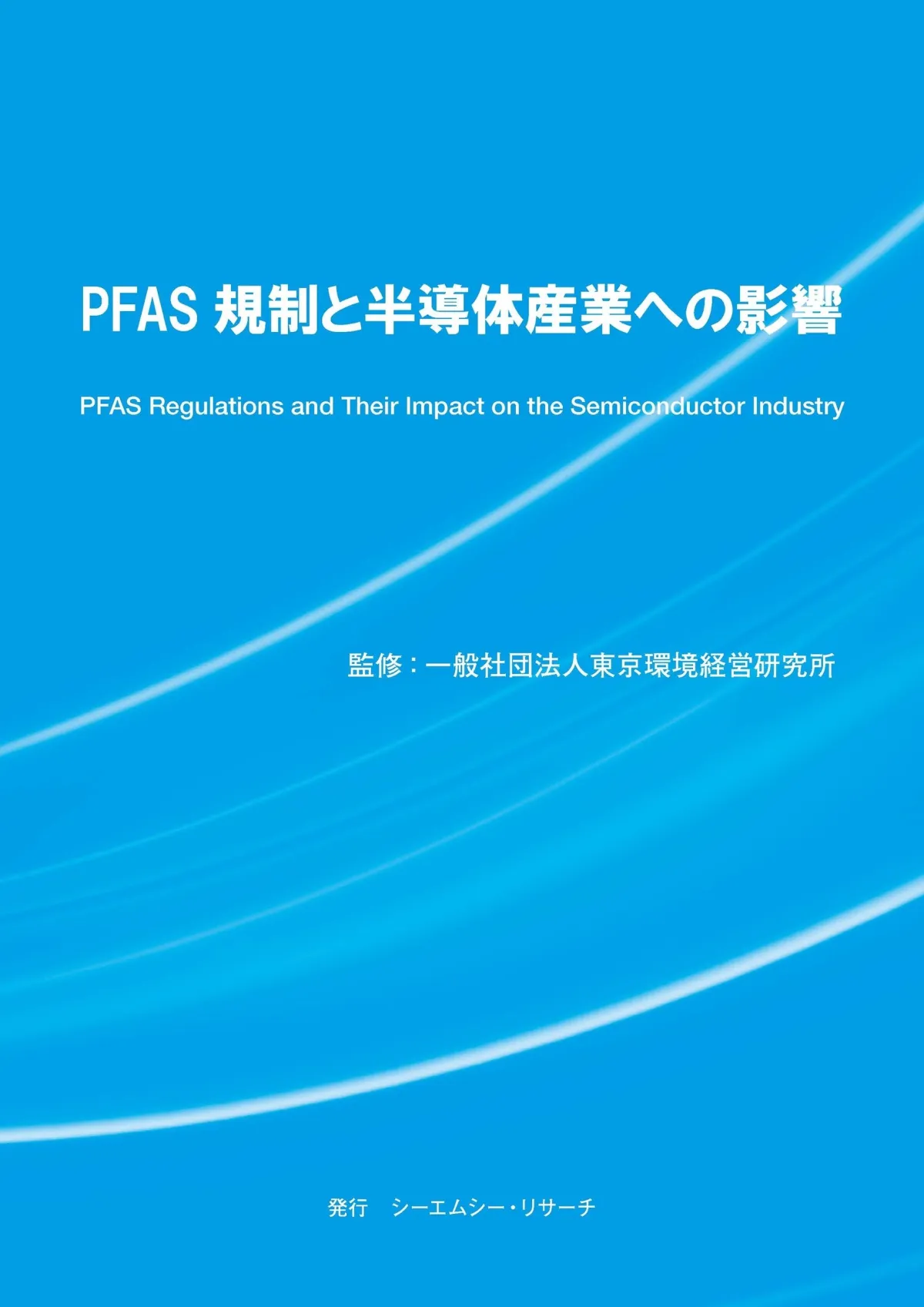
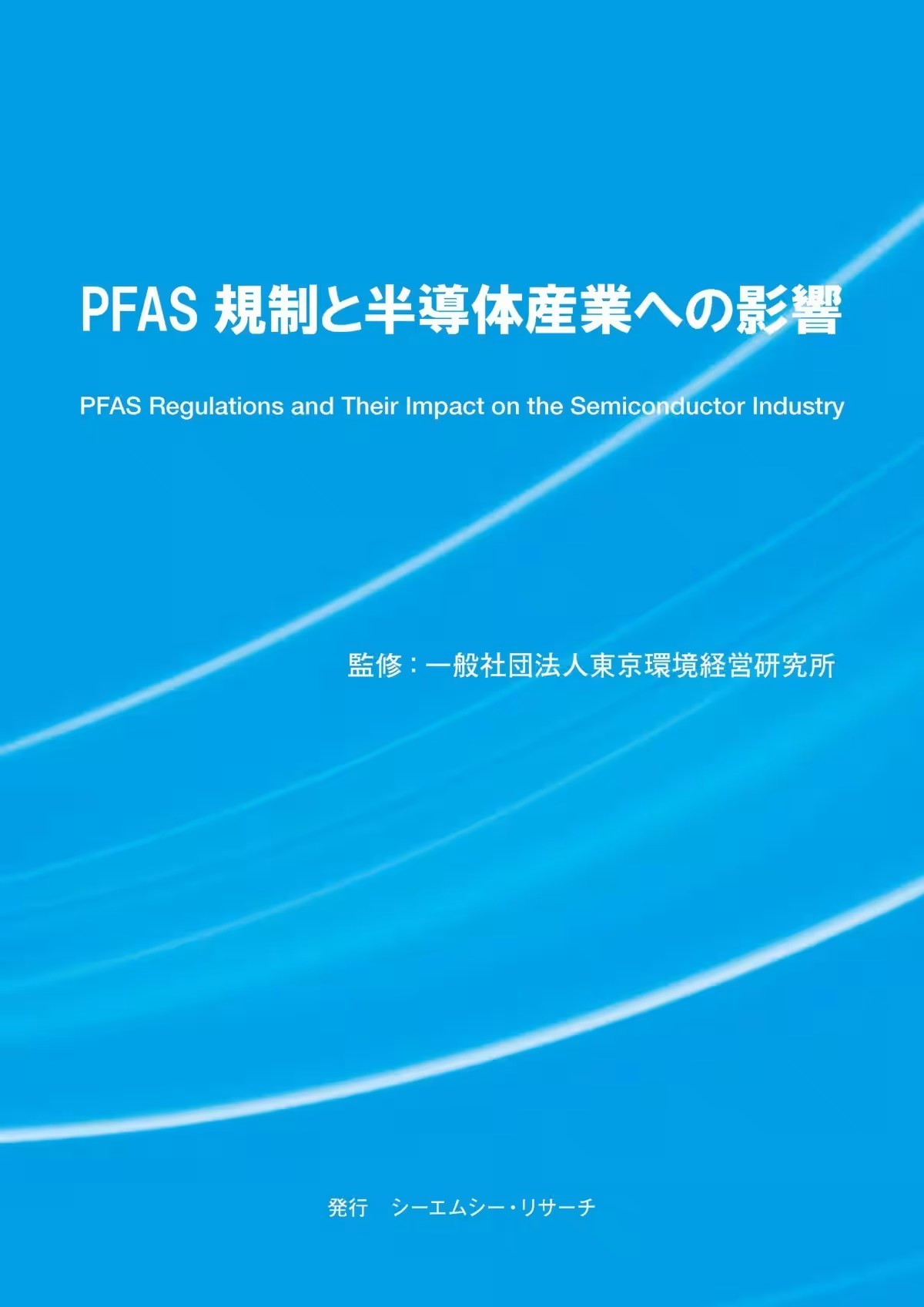
Book “PFAS Regulations and Their Impact on the Semiconductor Industry,” published by CMC Research in July 2026, serves as an essential guide, elucidating various categories of PFAS, detailing regulatory developments in various jurisdictions, and proposing alternative technologies and materials. The publication's thorough breakdown of the implications for the semiconductor field positions it as a pivotal resource for industry players navigating these pressing regulatory changes.
Conclusion
The semiconductor industry stands at a crossroads—confronted with the need to evolve amidst growing challenges connected to PFAS regulations. By understanding these dynamics and investing in innovative solutions, stakeholders can mitigate risks associated with regulatory compliance while harnessing the potential of emerging alternatives. Through strategic adjustments and collaborative efforts, the industry can pave a sustainable future that prioritizes environmental stewardship alongside technological advancement.
The insights provided in this article and the referenced book aim to prepare industry professionals for the inevitable transformations that PFAS regulations will bring. As the landscape shifts, proactive adaptation will be the key to thriving in this new era of semiconductor manufacturing.
For further insights, consult the complete resources and market analyses available from CMC Research.
Topics Consumer Technology)
【About Using Articles】
You can freely use the title and article content by linking to the page where the article is posted.
※ Images cannot be used.
【About Links】
Links are free to use.