



TM Forum Launches High-Reliability Autonomous Network Solutions for Core Networks
Introduction
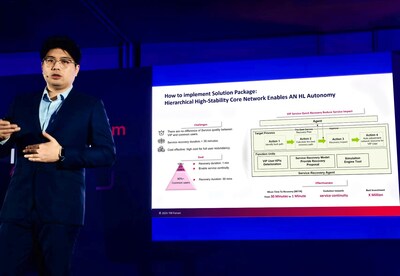
In a recent masterclass focused on autonomous networks in Asia, the TM Forum (TMF) unveiled an innovative package of solutions aimed at enhancing the reliability of core networks. Led by Michael Wang, a prominent expert from Huawei, this launch is poised to initiate a transformative shift in the paradigms of autonomous networks. The solutions come equipped with advanced features designed for high stability and robust fault management, setting the stage for commercial deployment in core network environments.
Key Features of the Solution Package
This newly introduced package addresses the intricate demands of ensuring the stability of core networks through seven crucial dimensions. These include:
1. High-stability deployment architecture
2. Disaster recovery protocols for control and user plans
3. Infrastructure disaster recovery strategies
4. Robust signal load handling capabilities
5. Risk prediction capabilities
6. Service degradation recovery measures
7. Systematic end-to-end resilience frameworks
Utilizing the Management Data Analysis Function (MDAF) as outlined in the 3GPP TS 28.104 standard, the solution package presents a comprehensive strategy for core network reliability. By incorporating digital twin technology, it enables a closed-loop management system that encompasses risk forecasting and automated optimization, significantly enhancing the network's ability to withstand extreme scenarios such as signal avalanches.
Risk Evaluation and Management
A standout feature of this solution package is its innovative approach to assessing the risk of signal avalanches. Using digital twin modeling, the package creates a virtual network environment that allows for proactive defense implementations. Prior to a potential signal surge, the system gathers essential data, including traffic statistics, node connection details, and synchronization configurations. Moreover, it employs simulation engines to generate impact models, enabling a detailed understanding of the network’s capacity and offering optimization recommendations. This proactive measure aims to identify and rectify potential failures before they escalate.
Industry Adoption and Standardization
The solutions adhere strictly to the TM Forum’s IG1500 standards, providing seamless integration with existing systems via standardized APIs. Wang emphasized during his presentation that this package not only offers a technical implementation model but also showcases its feasibility through real-world scenarios explored in the Catalyst project. Notably, he highlighted how an operator successfully optimized their disaster recovery processes by accurately identifying VIP users, swiftly recovering operable access paths, and generating quick recovery solutions. The goal here is to reduce the recovery time for VIP users from 30 minutes down to merely 1 minute, while maintaining a recovery target of 30 minutes for regular users. This differentiated service assurance approach not only enhances the experience for high-value users but also mitigates economic losses resulting from the loss of VIP clientele.
Impact and Future Directions
With the launch of this comprehensive solution package for autonomous networks, the assurance of core network stability has been officially integrated into the TM Forum's standard scenarios. Huawei's scalable and reproducible model for developing high-reliability networks equips operators with a powerful tool to bolster resilience. Furthermore, it offers essential support for monetizing network assessments, thus aiding telecom operators in navigating the complexities of modern network demands.
In conclusion, TM Forum's initiative signals a noteworthy advancement in the telecommunications landscape, paving the way for more resilient and efficient network operations that can meet growing consumer expectations.
Topics Telecommunications)
【About Using Articles】
You can freely use the title and article content by linking to the page where the article is posted.
※ Images cannot be used.
【About Links】
Links are free to use.