



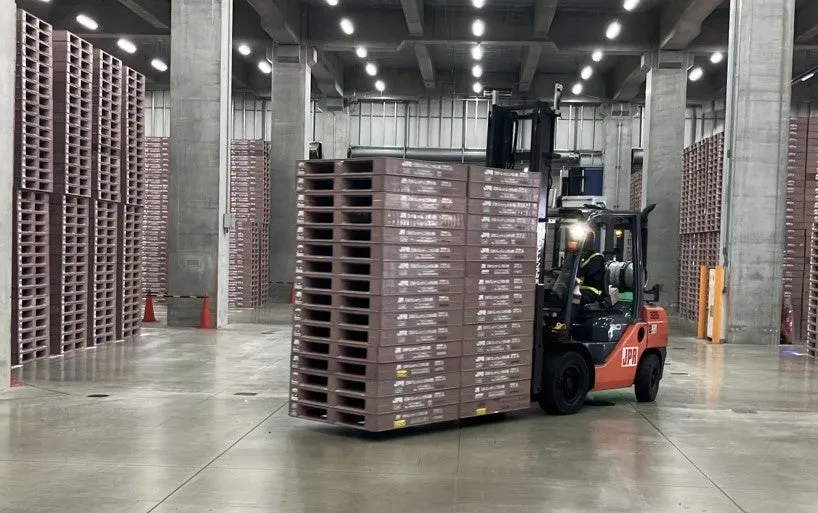
Rising Demand for Rental Pallets Drives JPR to Record Supply Levels in 2025
The Rising Demand for JPR Rental Pallets
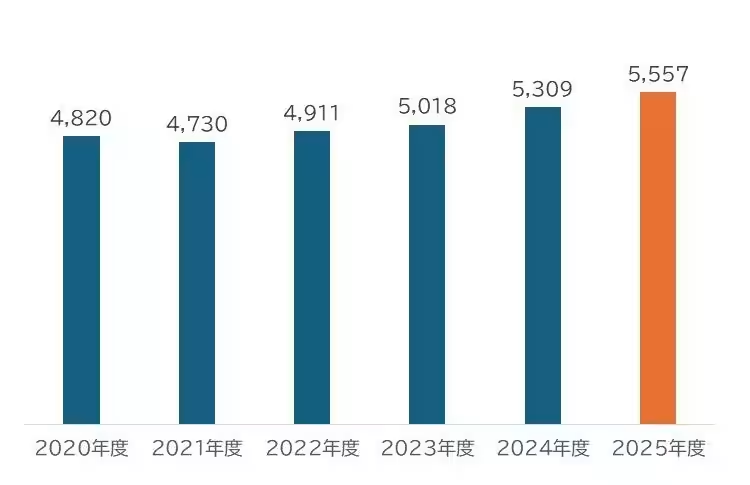
In a notable trend affecting the logistics industry, Japan Pallet Rental Co., Ltd. (JPR), led by President Atsushi Numura, has reported that its supply of rental pallets is set to reach approximately 55.57 million units in fiscal year 2025, marking a 4.7% increase compared to the previous year. This figure not only sets a new record but also reflects the ongoing shift in how companies are managing their transportation needs, particularly in light of the new logistics efficiency law enacted by the government.
Growth in Pallet Supply
The average annual growth rate for rental pallet supplies from 2020 to 2025 has been about 2.9%. However, the projected increase for 2025 is significant, chemicaling the necessity for businesses to ensure reliable truck availability. A surge in demand for pallet transport is seen among various sectors, primarily in processed foods and everyday essentials, as well as agriculture, frozen foods, and confectionery industries.
Background Analysis
The ongoing shortage of truck drivers has prompted the government to encourage businesses to adopt more efficient loading and unloading methods through the revised logistics efficiency law. Many logistics companies are increasingly shunning clients that require manual loading and extensive waiting times for cargo, making it more challenging for businesses to secure the necessary vehicles for their goods transportation. JPR has identified this shift as a key factor contributing to the increase in rental pallet supplies, with more industries turning towards pallet transport solutions.
Services Enabling Pallet Transport
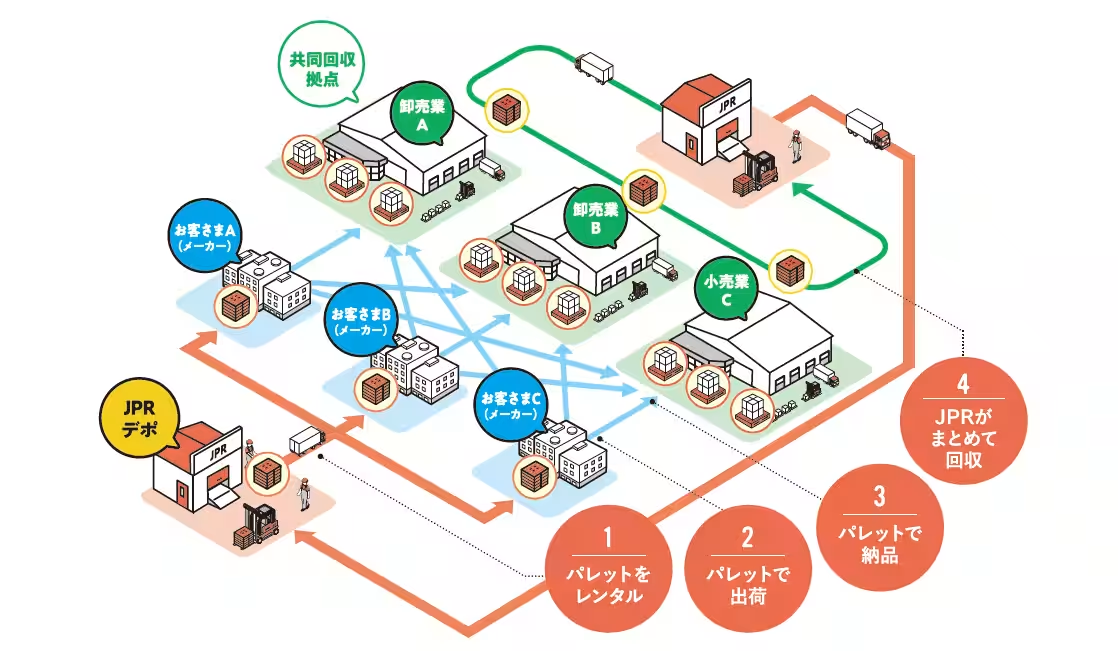
JPR provides a comprehensive service that facilitates pallet transport. By owning standardized pallets on behalf of companies and supplying them from strategically located depots nationwide, JPR has created a cohesive system. The company has also implemented a collaborative collection system, wherein they recuperate empty pallets from wholesale and retail logistics centers, rather than leaving the responsibility to the client.
The collaborative collection concept allows multiple businesses to share pallets, streamlining transport without needing to repack the products during the journey (termed “integrated palletization”). Typically, manual loading for a large truck takes approximately 1.5 to 2 hours. However, with JPR's rental pallets and a forklift, this time can be reduced to about a quarter of the original time.
This efficiency not only eases the physical demands on truck drivers but also significantly reduces labor time, enabling client companies to maintain stable vehicle availability.
Expansion of the Collaborative Collection System
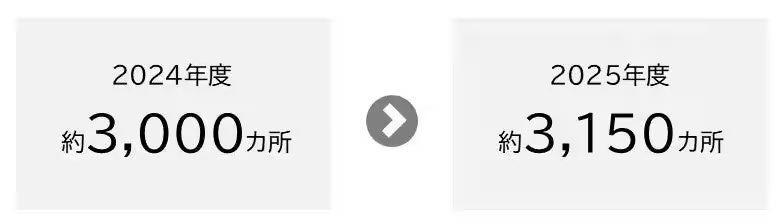
In their efforts to improve pallet transport logistics, JPR has been expanding its cooperative collection hubs, reaching over 3,150 registered locations by 2025. This network primarily supports wholesalers and retailers dealing with processed foods and everyday products, while also branching into new categories.
Strengthening Supply Framework
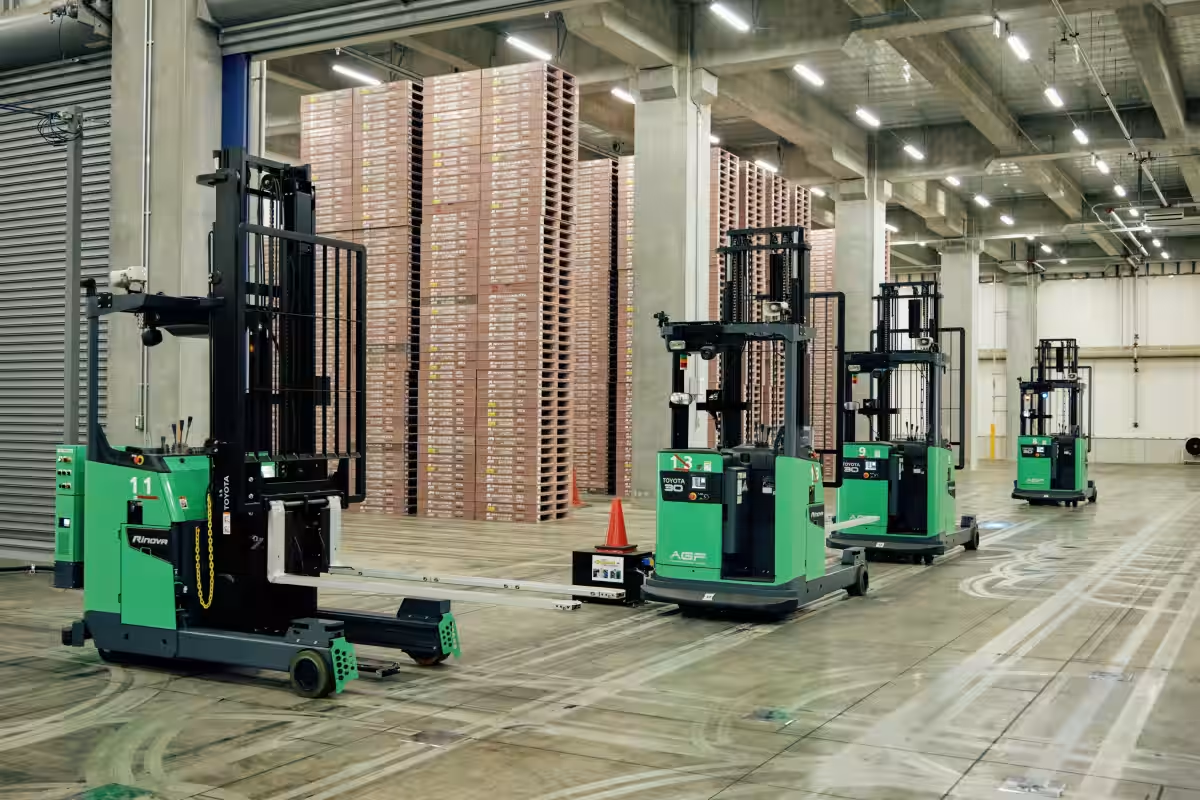
To meet the rising demand for rental pallets, JPR continually enhances its supply framework. For instance, in 2025, they completed the construction of a new facility at the JPR Tojo Depot, along with re-evaluating the locations of its depots to reduce the need for back-and-forth movements of empty pallets between regions. This strategic relocation effort has led to a decrease in the number of trucks needed for transport. Additionally, the company is automating and streamlining operations at each depot, further optimizing their service delivery.
In summary, JPR’s rental pallet service is creating a paradigm shift in logistics, enabling businesses to navigate challenges effectively and meet the ever-increasing need for efficient and reliable transportation.
Topics Consumer Products & Retail)




【About Using Articles】
You can freely use the title and article content by linking to the page where the article is posted.
※ Images cannot be used.
【About Links】
Links are free to use.