



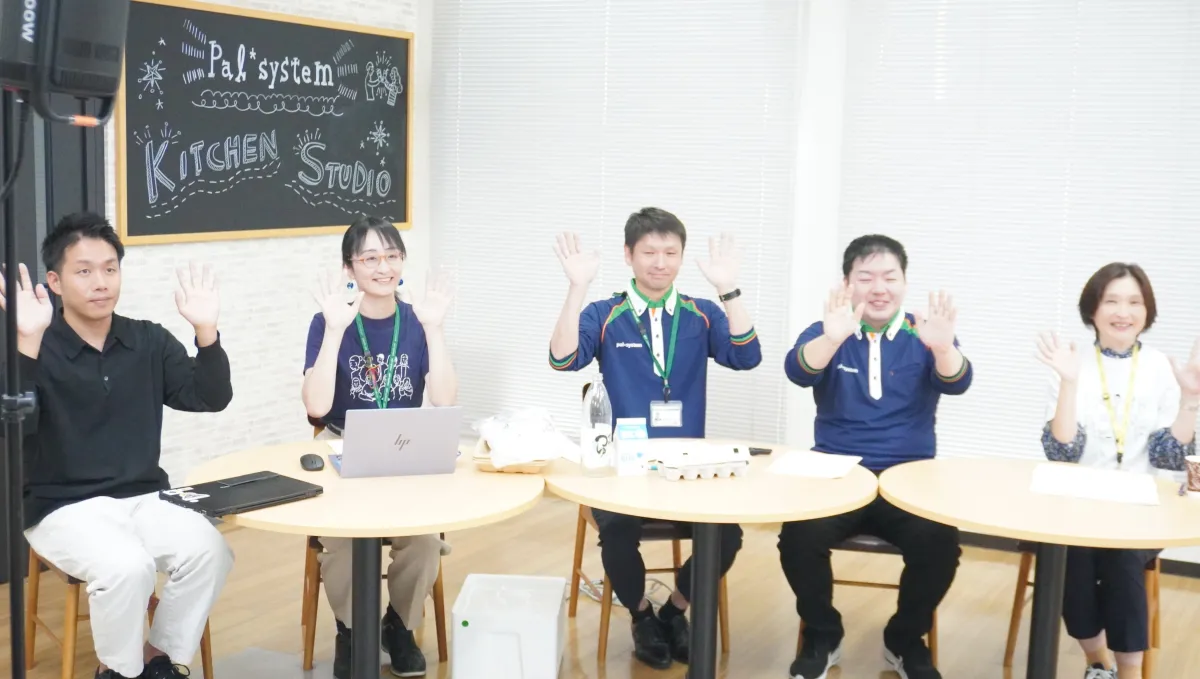
Exploring Waste Management Economics at Pal System's Online Event
Understanding the Economics of Waste Management
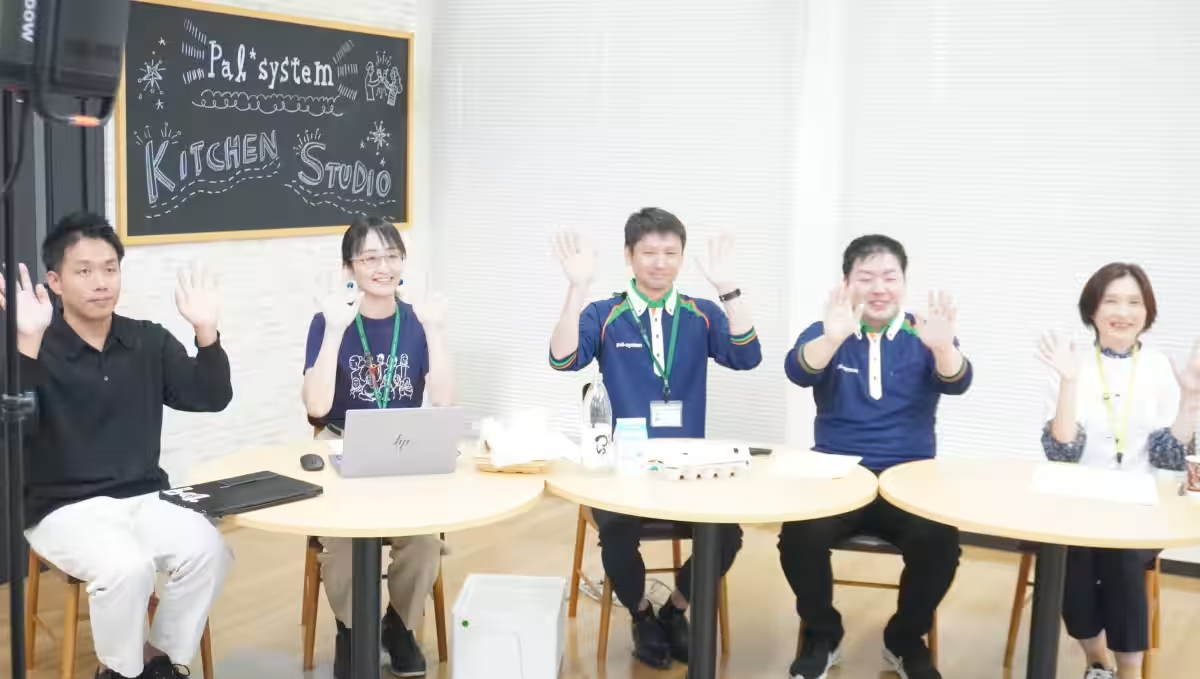
Recently, the Pal System Union (headquarters: Shinjuku, Tokyo) hosted an insightful online event titled "Let's Talk About Money Related to Waste: Ask Terai-san from the School of Waste," scheduled for October 10, 2025. This event aimed to provide a comprehensive understanding of waste management and recycling economics, involving speakers who deal directly with waste collection, sorting, and environmental issues on a daily basis. The event captured the attention of 103 participants, who engaged in discussions and quizzes related to contemporary waste challenges.
Historical Context: How Japan's Waste Management Has Evolved
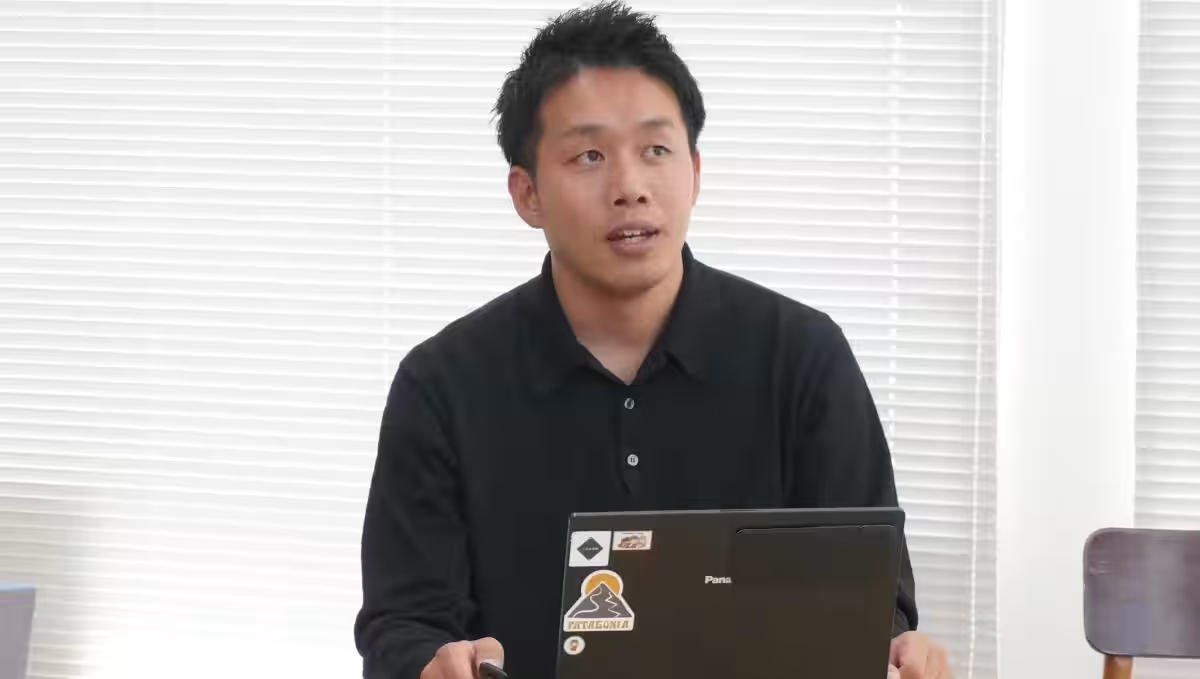
The event featured an opening address by Masayuki Terai, the representative of the School of Waste, a company that focuses on education and awareness regarding waste management. Terai provided a fascinating overview of Japan’s history of waste management, drawing parallels from the Edo period to the present day. He described an era where the culture of repairing items instead of disposing of them significantly reduced waste, making Edo one of the cleanest cities globally.
During and after the World Wars, waste production also remained low due to the prevailing attitudes of restraint and conservation. However, post-war economic growth fueled mass production and consumption, leading to an increase in both the volume and variety of waste, and subsequently, pollution issues emerged, prompting the regulation of industrial waste.
Starting from the 1990s, Japan faced a looming shortage of landfill space. Consequently, various recycling laws were introduced to decrease waste disposal rates. The introduction of the 3R approach (Reduce, Reuse, Recycle) initiated a movement towards a circular economy.
Breaking Down Costs: The Financial Side of Waste
A significant point raised during the event was the financial aspects related to waste, specifically recycling materials and waste processing costs. For instance, recycling glass bottles has a selling price of about 2 yen per kilogram, whereas aluminum cans can fetch around 100 yen. The processing cost for waste typically ranges between 60 to 80 yen per kilogram, which is often funded by taxpayer money for routine waste disposal.
Terai further elaborated on variances in waste disposal regulations across different municipalities, influenced by their respective financial resources and facilities such as incinerators. Presently, Japan is projected to have roughly 20 years remaining of usable landfill space while grappling with other pressing issues like food waste and marine plastic pollution.
He stressed the importance of individual responsibility in waste management, advocating small yet impactful actions such as drying out food scraps, rinsing out plastics before recycling, and being mindful of impulsive purchases in favor of long-term use.
Insight from Industry Professionals
The latter part of the event featured professionals from Pal System Kanagawa, who have hands-on experience in the collection and sorting of reuse and recycling materials. They engaged in thought-provoking discussions with Terai about their initiatives.
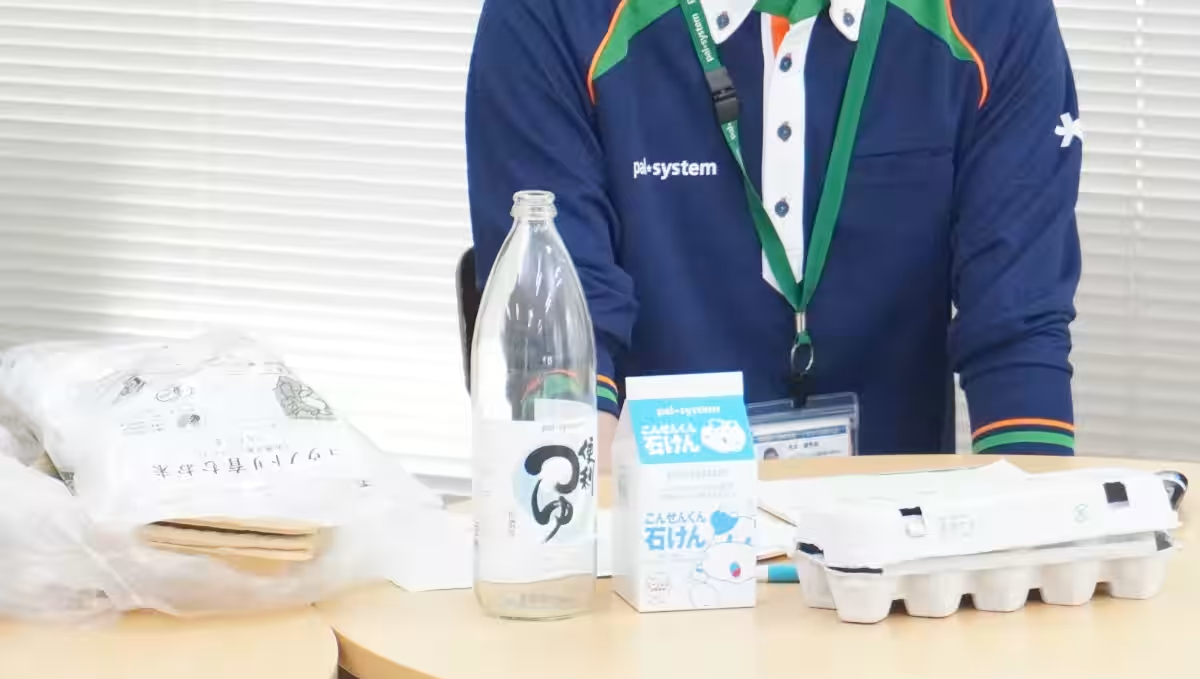
This included explanations of Japan’s Container and Packaging Recycling Law and details on Pal System's resource recovery practices, like the collection of milk cartons and rice bags. The speakers appreciated the contributions of users in resource collection and urged even better practices, such as segregating containers without using rubber bands to enhance recycling efficiency.
Terai acknowledged the remarkable initiatives led by Pal System, remarking on the increasing engagement of users in daily recycling habits and proposing the sharing of best practices to foster a collective commitment.
A Vision for a Sustainable Future
In closing, participants highlighted their vision to create an exciting society through waste management. Ideas such as fostering a world where items last longer, transforming waste into resources, and rewarding active participation in resource recycling were discussed. Terai mentioned that few countries exhibit such a close partnership between users and businesses in resource circulation, and he expressed hope that the "Pal System Model" could be developed further.
Pal System utilizes its unique delivery and pickup mechanism to enhance resource circulation, pushing eco-friendly initiatives in packaging and materials while promoting 3R practices among users. Their commitment to caring for the environment involves collaborating with users in various activities focused on reducing environmental load.
In 2023, the Pal System Group established an environmental and energy policy aimed at achieving a decarbonized, circular, and symbiotic society. Furthermore, they plan to enact the "Pal System Nature Positive Declaration" by April 2025, emphasizing initiatives to mitigate climate change and preserve biodiversity.
Through their campaigns like "Thanks Earth! - Actions We Can Take Now for the Planet,” they continue to promote activities such as cleanup initiatives and food waste reduction. Pal System is dedicated to evolving resource utilization practices in collaboration with users, aspiring towards a sustainable society and environment.

Topics Environment)
【About Using Articles】
You can freely use the title and article content by linking to the page where the article is posted.
※ Images cannot be used.
【About Links】
Links are free to use.