



Creating Consistent Visual Rules in Game Design: Insights from Top Creators
Establishing Visual Consistency in Game Design
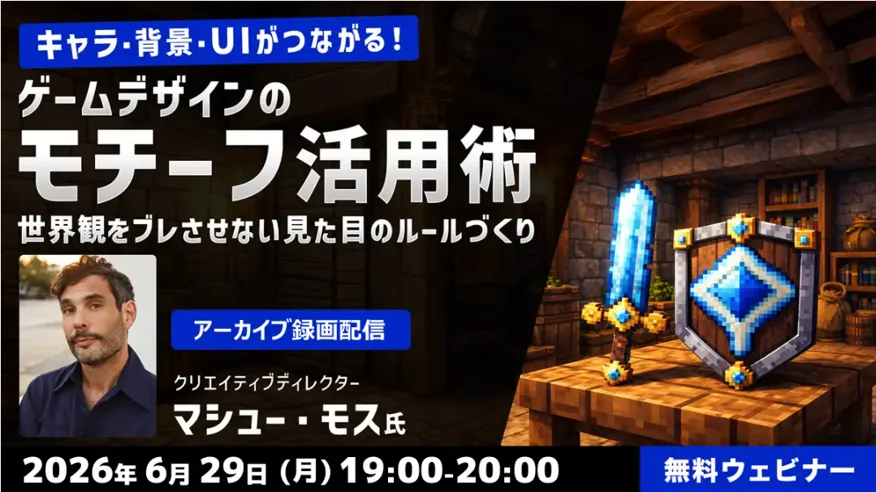
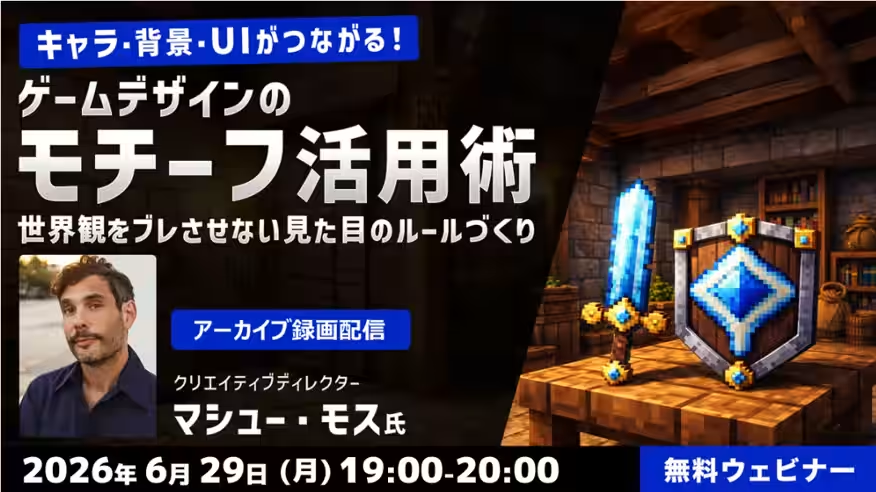
In the rapidly evolving landscape of game design, creators often face the challenge of maintaining a coherent visual identity. This topic was explored in a recent online seminar organized by Creek & River Company (C&R), held on June 29. The seminar, titled "Connecting Characters, Backgrounds, and UI: Utilizing Motifs in Game Design", focused on the concept of visual motifs and how they contribute to a unified game world.
Importance of Visual Motifs
Visual motifs serve as fundamental guidelines that dictate the style and coherence of visuals across various components of a game, including characters, backgrounds, UI elements, and items. By establishing a limited set of visual rules, creators can ensure that their projects possess a certain level of consistency, which is crucial in crafting immersive gaming experiences. During the seminar, experts shared their insights on how understanding and applying these motifs can lead to a more organized design process.
Key Takeaways from the Seminar
The seminar featured Matthew Moss, a seasoned creative director with over 18 years of experience working in Tokyo and the United States, collaborating with notable companies like Disney and LEGO. His deep understanding of the industry provided invaluable perspectives on the practical applications of motifs in game design.
Efficient Decision-Making
One of the primary benefits of implementing visual motifs is the acceleration of decision-making processes. With established guidelines in place, teams can quickly evaluate and execute design choices, reducing the time spent on revisions and discussions. When developers know what works within the set visual parameters, consistency is more easily achieved throughout various stages of the project.
Streamlining Repetitive Tasks
The seminar also emphasized how using motifs can simplify repetitive tasks, thereby enhancing the workflow for designers and developers. By adhering to a unified visual language, teams can create assets more efficiently, leading to significant time savings and allowing for a more focused approach to creative challenges.
Maintaining Style Integrity
As project scopes increase, remaining true to the established visual identity can become a daunting task. However, with a well-defined set of motifs, teams can navigate larger projects while maintaining stylistic integrity. This strategy is especially beneficial for larger teams where multiple contributors are involved, ensuring that everyone is aligned with the core visual principles of the game.
What the Seminar Offered
The online seminar was an excellent opportunity for participants to explore:
- - The concept of motifs and their role in visual unification
- - Specific applications of motifs connecting characters, backgrounds, and UI
- - Techniques for effective motif design that enhance decision-making
- - Practical approaches for team collaboration
- - Strategies for maintaining consistency throughout project lifecycles
Who Should Attend?
The insights shared during this seminar are particularly beneficial for:
- - Game designers and planners
- - UI/UX designers
- - Character and background artists
- - Art directors and visual developers
- - Students of game design
- - Anyone looking to strengthen the world-building aspect of their creative projects
The archive of this valuable seminar is available for free access, allowing individuals who were unable to join live to benefit from the extensive knowledge shared by industry leaders.
In conclusion, the establishment of visual motifs is essential for creating coherent and immersive experiences in game design. By learning from experienced creators and applying these principles, developers can ensure their projects not only stand out but also resonate deeply with players.

Topics Entertainment & Media)
【About Using Articles】
You can freely use the title and article content by linking to the page where the article is posted.
※ Images cannot be used.
【About Links】
Links are free to use.