



Decoding the Performance Decline of Solid Electrolytes Due to Moisture: A Scientific Breakthrough
Understanding the Decline of Solid Electrolyte Performance
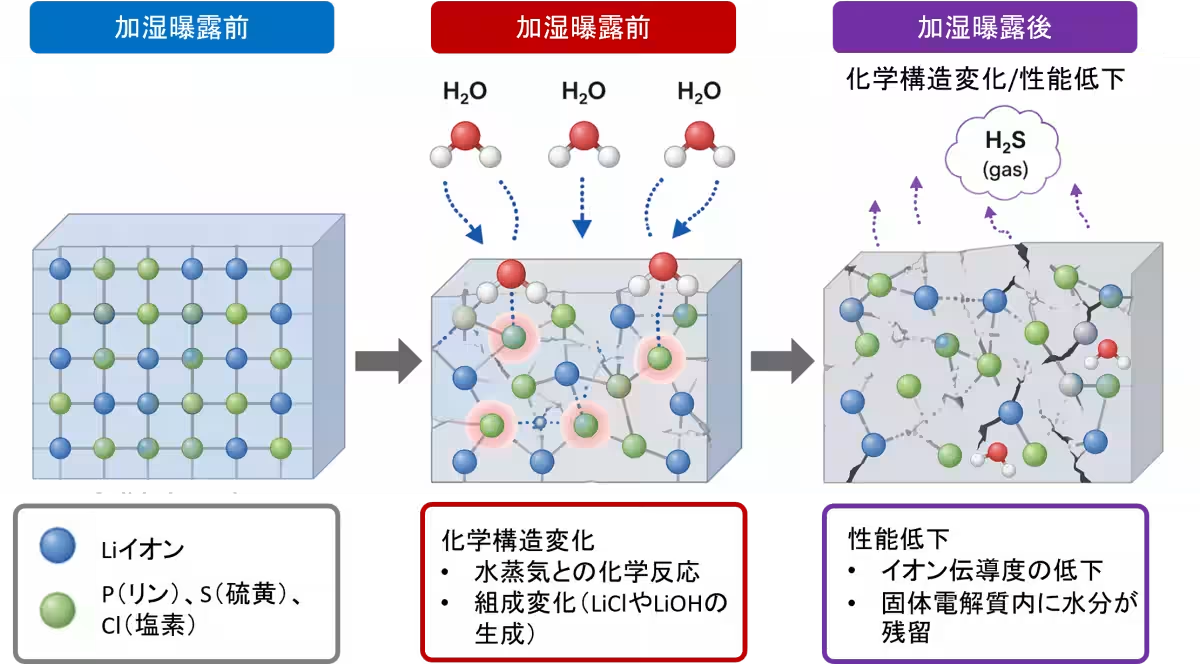
The Toray Research Center (TRC), located in Chuo-ku, Tokyo, has made a significant breakthrough in understanding how moisture exposure affects the performance of sulfide solid electrolytes used in all-solid-state batteries. Using a combination of spectroscopic analysis and crystallographic studies, the team has identified that both chemical structural changesdue to reactions with moisture and the impact of residual moisture within the solid matrix lead to a decline in ionic conductivity.
Background and Significance
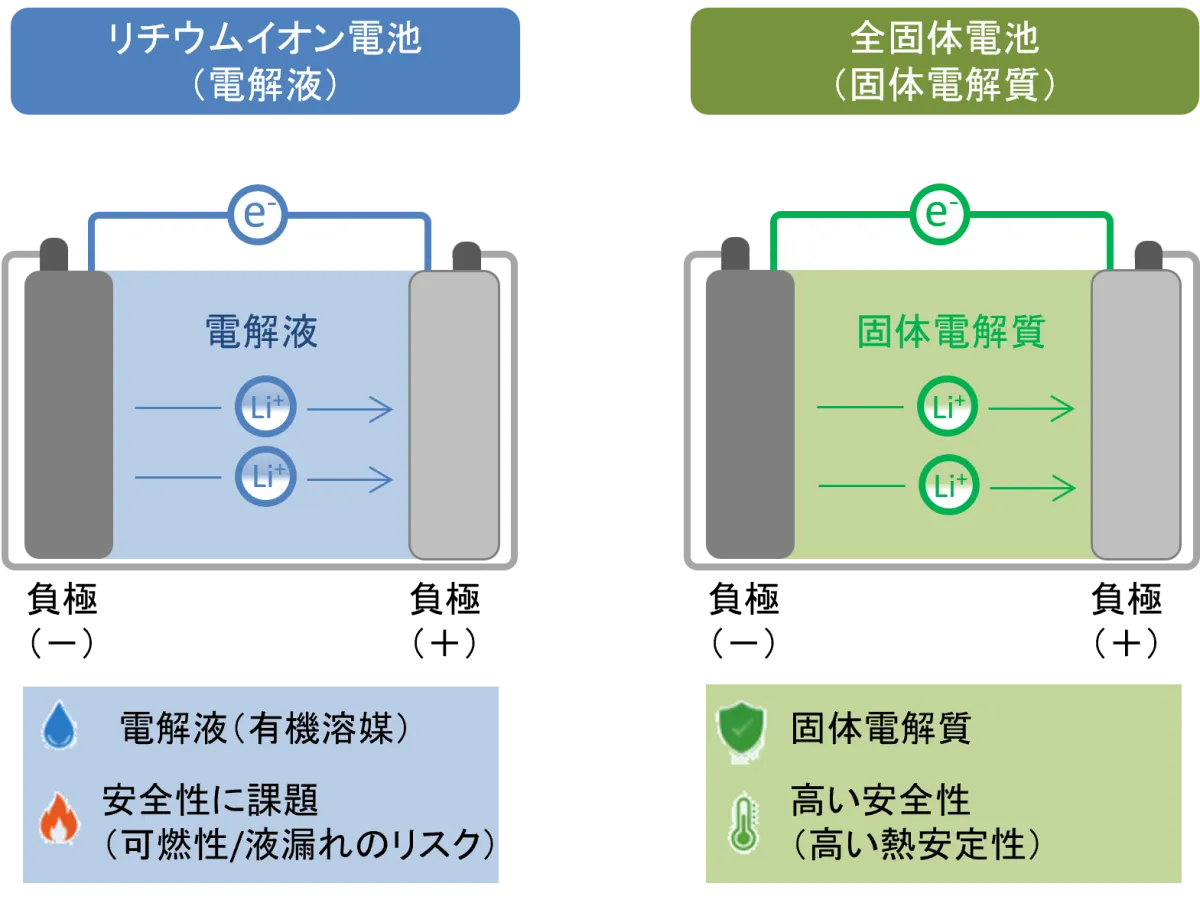
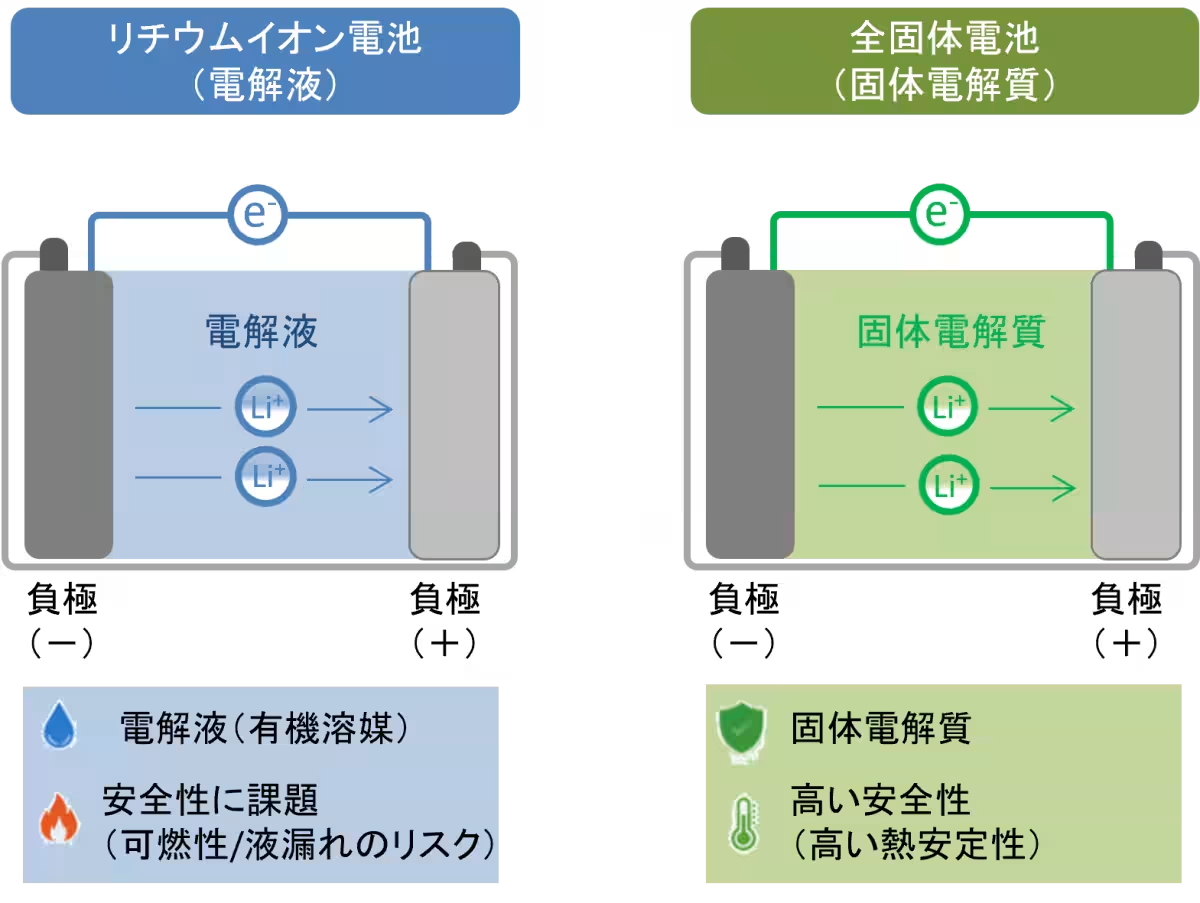
All-solid-state batteries, distinguished by their use of solid electrolytes instead of liquid ones, have garnered attention for their superior ionic conductivity and enhanced safety profile. Research indicates that these batteries possess characteristics that make them ideal candidates for next-generation energy storage solutions, particularly for electric vehicles and various compact electronic devices. However, a notable drawback is their susceptibility to moisture in ambient air, which can significantly diminish their electrochemical properties. As researchers aim for commercial viability, understanding the mechanisms of moisture-induced degradation has become crucial.
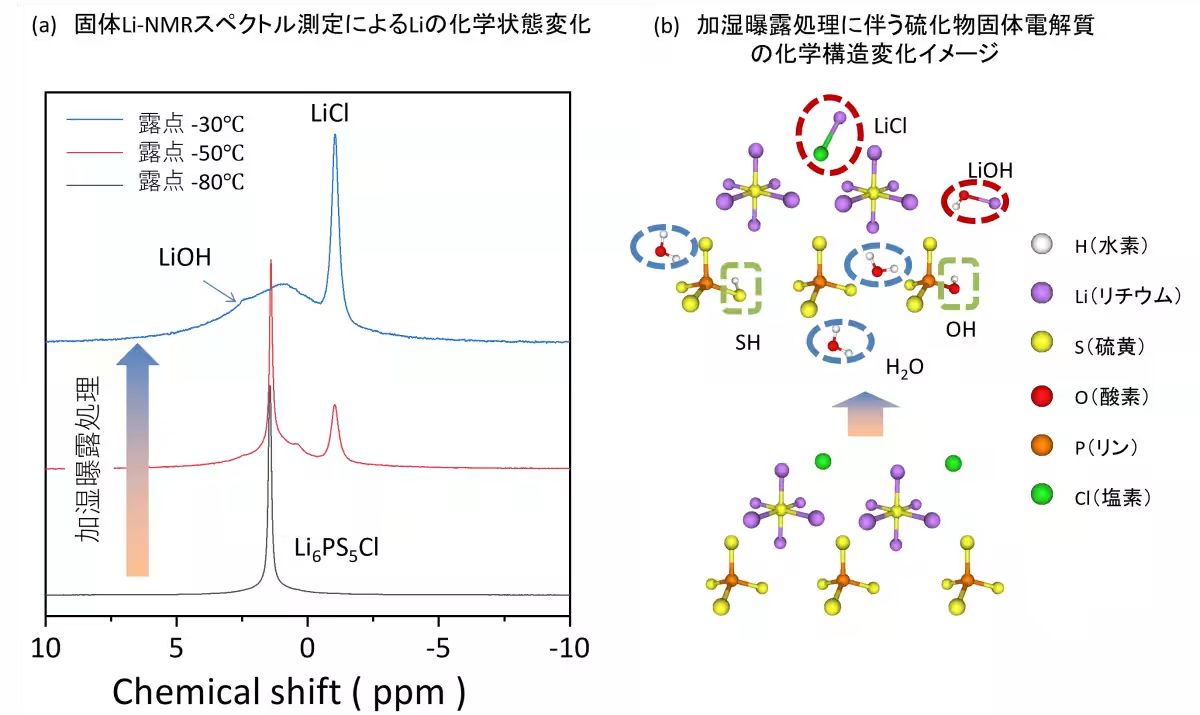
In addressing these issues, the TRC team focused on the argyrodite-type sulfide electrolyte, Li6PS5Cl. Under controlled humidity conditions, they meticulously evaluated changes in ionic conductivity. Disturbingly, findings demonstrated a substantial drop in conductivity due to moisture exposure, particularly at dew points as low as -30°C, where the material's effectiveness was almost entirely nullified.
Detailed Research Findings
Analysis using solid-state Nuclear Magnetic Resonance (NMR) and X-ray diffraction revealed significant alterations in chemical structure upon moisture exposure. The formation of byproducts like LiOH and LiCl indicated a deterioration of the initial chemical configurations within the electrolyte. Notably, as environmental humidity increased, oxygen infiltrated the primary PS43- structure, fostering a myriad of structural changes.
The implications of these findings extend beyond surface reactions; the team discovered that moisture impacts not just the outer layer of the electrolyte but propagates throughout the material itself. It was also identified that a considerable fraction of moisture remains embedded within the solid electrolyte, undissociated, contributing further to the decline in ionic conductivity.
Graphs illustrating the performance degradation mechanisms of the sulfide solid electrolyte underscore the dual effects of structural changes and trapped moisture acting synergistically to diminish conductivity.
Future Prospects
These findings foster a greater understanding of the quantitative and mechanistic effects of moisture on solid electrolytes. With this knowledge, researchers can advocate for enhanced humidity control in battery manufacturing processes. Strategies for optimal dry-room designs and new operational guidelines are expected to arise from this research.
Moreover, it opens up avenues for the design of materials that exhibit superior moisture resilience and advancements in quality control technologies to better assess degradation states. The multifaceted analytical approaches established in this study also hold promise for application in evaluating other solid electrolyte types and future battery materials.
TRC is committed to advancing analytical technologies and insights within various battery sectors, including all-solid-state batteries. Their endeavors span materials development to optimizing production processes and troubleshooting within the battery supply chain, ultimately contributing to industry-wide progress.
About Lithium-Ion Batteries
Lithium-ion batteries (LIBs) are rechargeable energy storage devices characterized by high energy density, lightweight properties, and longevity, making them suitable for a broad range of applications, from smartphones to electric vehicles. In contrast, all-solid-state batteries utilize solid electrolytes, offering improved safety and longevity but requiring rigorous investigation to mitigate risks associated with moisture.
Conclusion
As this research paves the way for innovative battery technologies, it emphasizes the critical importance of understanding material interactions within varying environmental conditions, ultimately laying the groundwork for the future of energy storage solutions.
Topics Energy)
【About Using Articles】
You can freely use the title and article content by linking to the page where the article is posted.
※ Images cannot be used.
【About Links】
Links are free to use.