



A Study on AI's Impact on the Job Application Process Reveals Startling Trends
The Impact of AI on Job Applications: Insights from LANY's Recent Study
In the world of job searching, the emergence of AI tools such as ChatGPT is reshaping how candidates gather information about potential employers. A recent investigation conducted by LANY, a digital marketing support company based in Shibuya, Tokyo, has unveiled significant trends in how candidates utilize AI in their job application processes. This study, part of their LANY LLMO LAB initiative, involved 111 participants aged 25 to 45, all of whom had utilized AI tools to research specific companies over the past year. The findings, published on June 4, 2026, underscore a concerning trend known as 'silent withdrawal' in the hiring process.
Key Findings of the Study
The survey yielded several critical insights into candidates' experiences with AI in job applications:
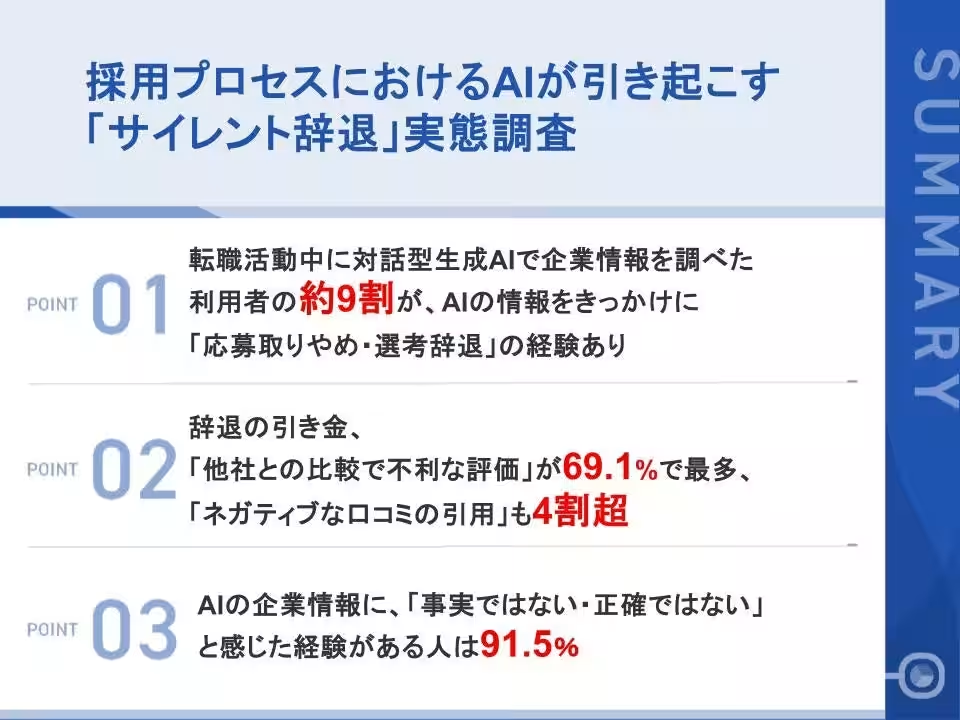
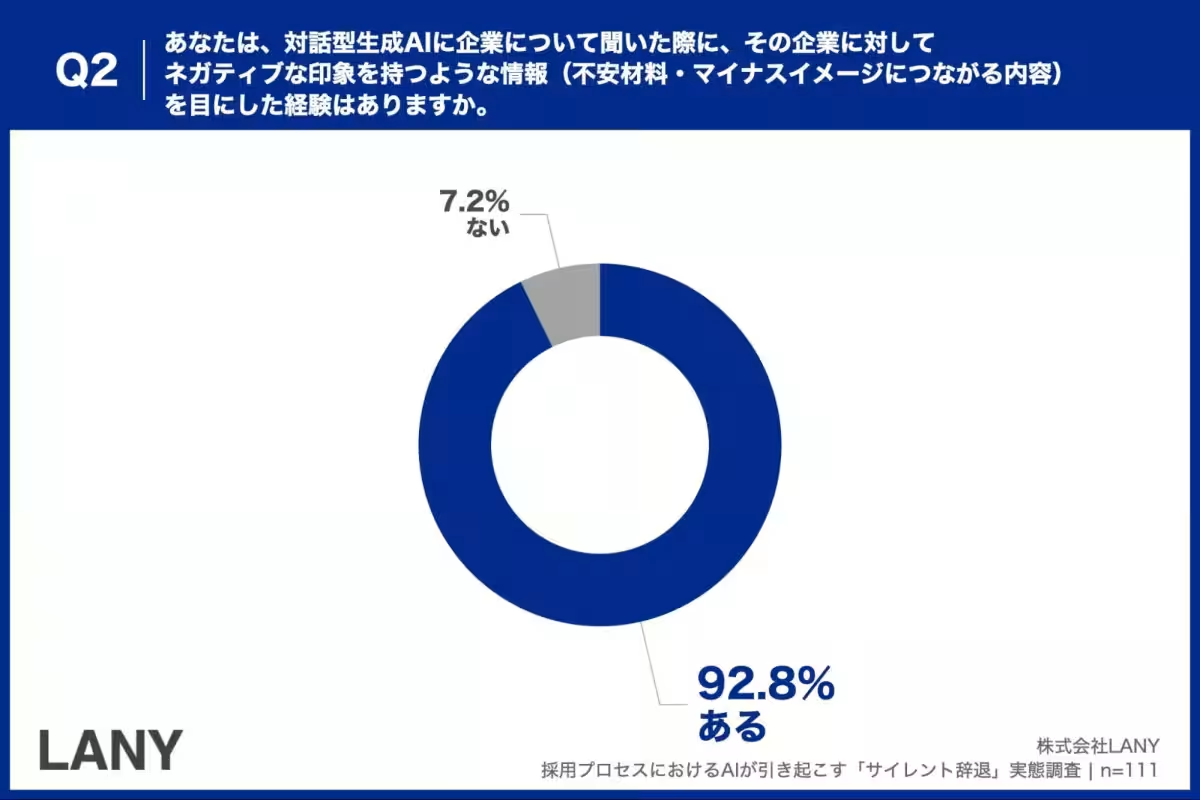
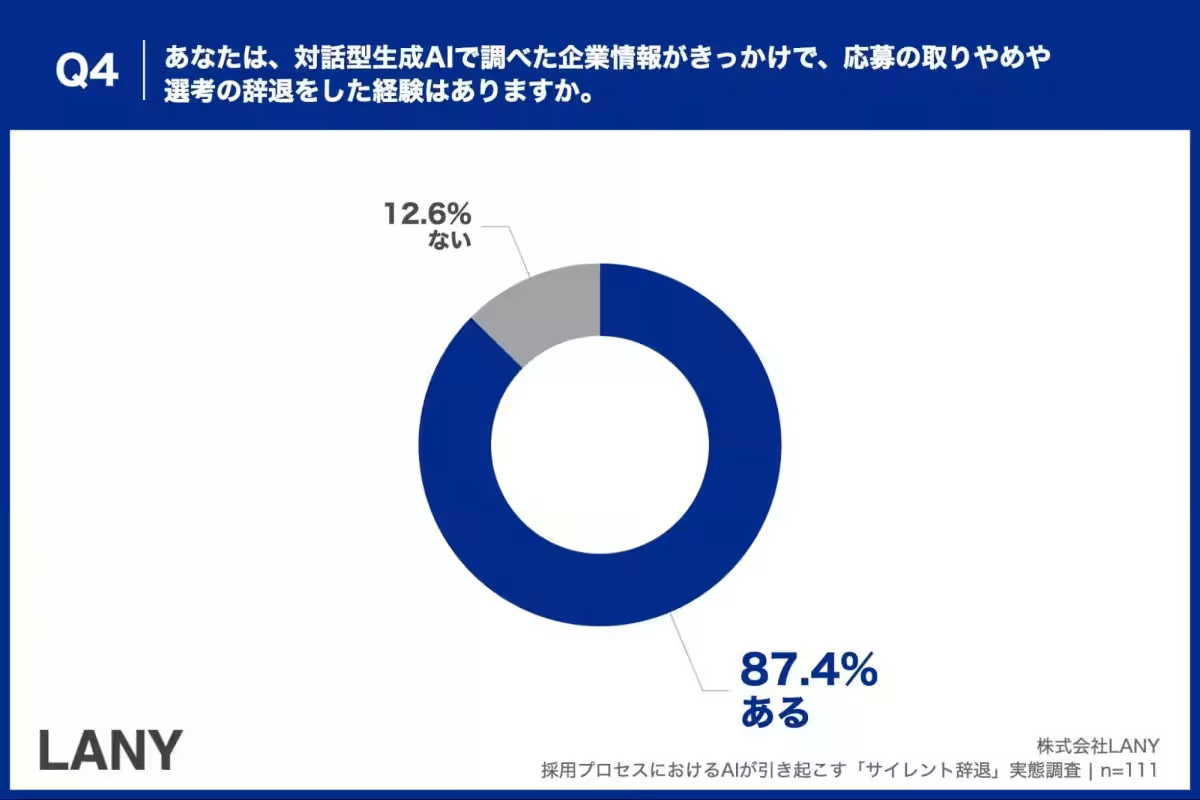
1. High Rate of Withdrawal: Approximately 90% of respondents who used generative AI for company research reported withdrawing or declining to proceed with their applications based on the information received.
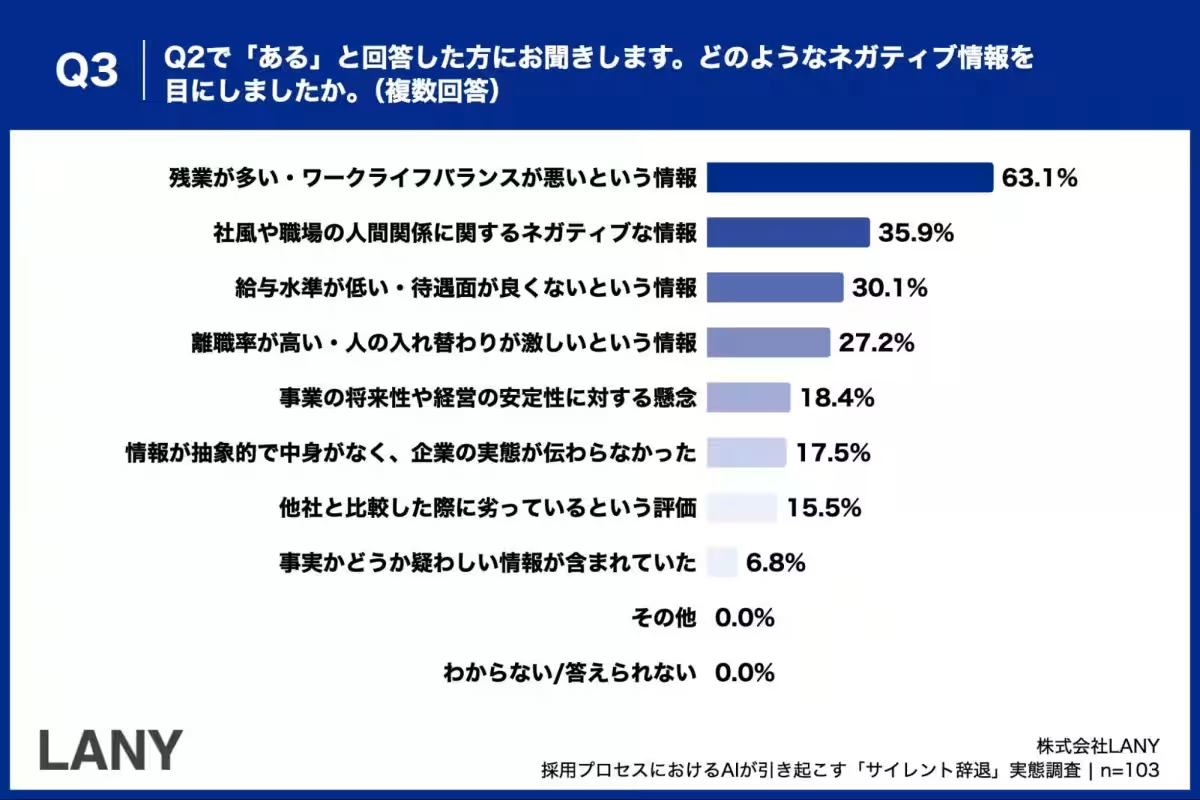
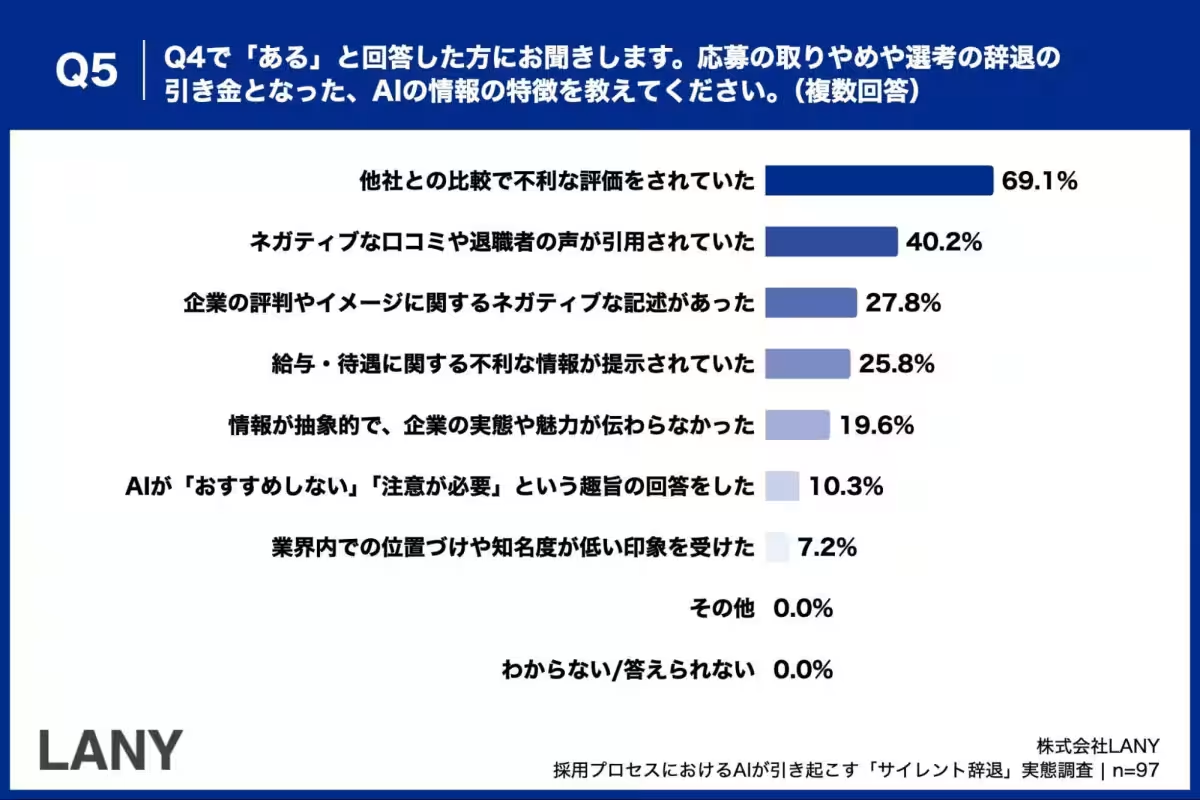
2. Adverse Information Influence: Over 69% cited unfavorable comparisons with other companies as the primary reason for their withdrawals, with more than 40% referencing negative reviews.
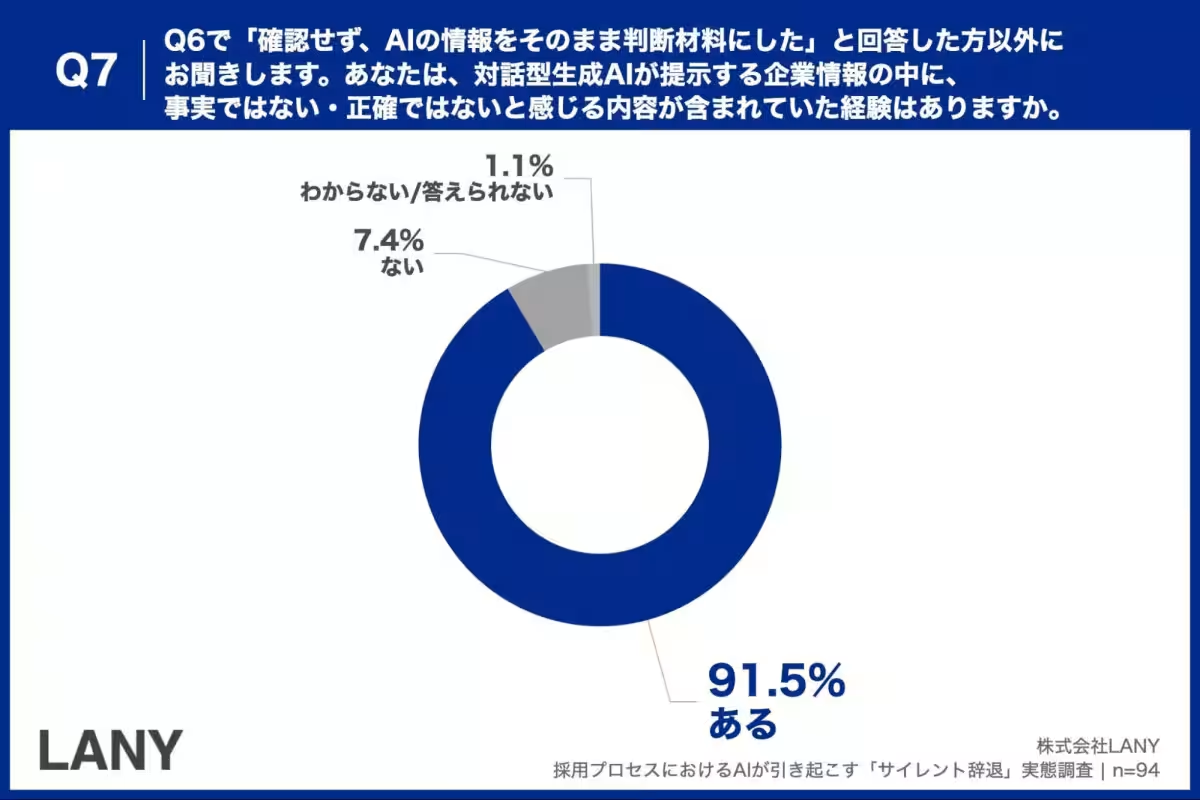
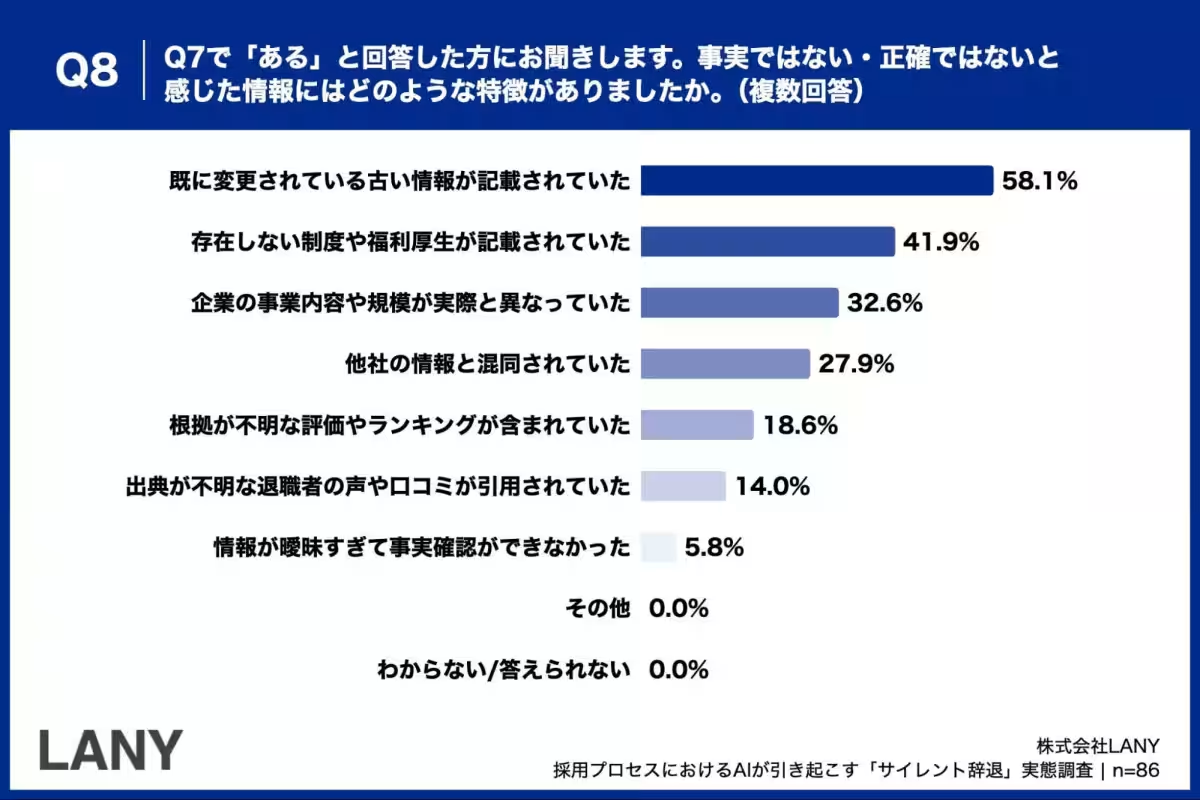
3. Questionable Accuracy: A startling 91.5% felt that the information retrieved from AI sources was either inaccurate or false.
The Role of AI as a Double-Edged Sword
This study sheds light on the delicate balance candidates must navigate between utilizing AI for efficiency and the potential pitfalls of misinformation. According to the analysis, AI is acting as a new filter through which job seekers assess companies, altering their decision-making process before they even engage directly with hiring managers.
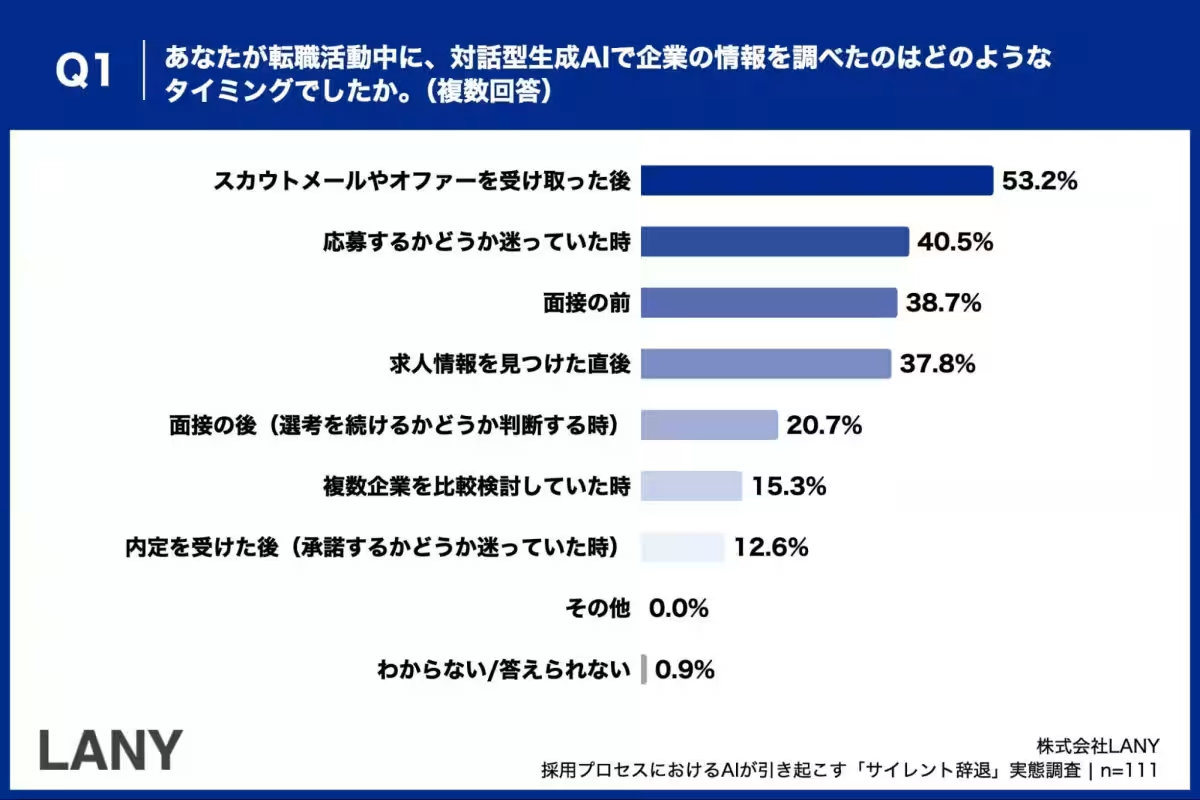
Participants indicated that the most common time they would research a company through AI was after receiving a scout email or offer (53.2%), showcasing how AI influences perceptions based heavily on initial impressions.
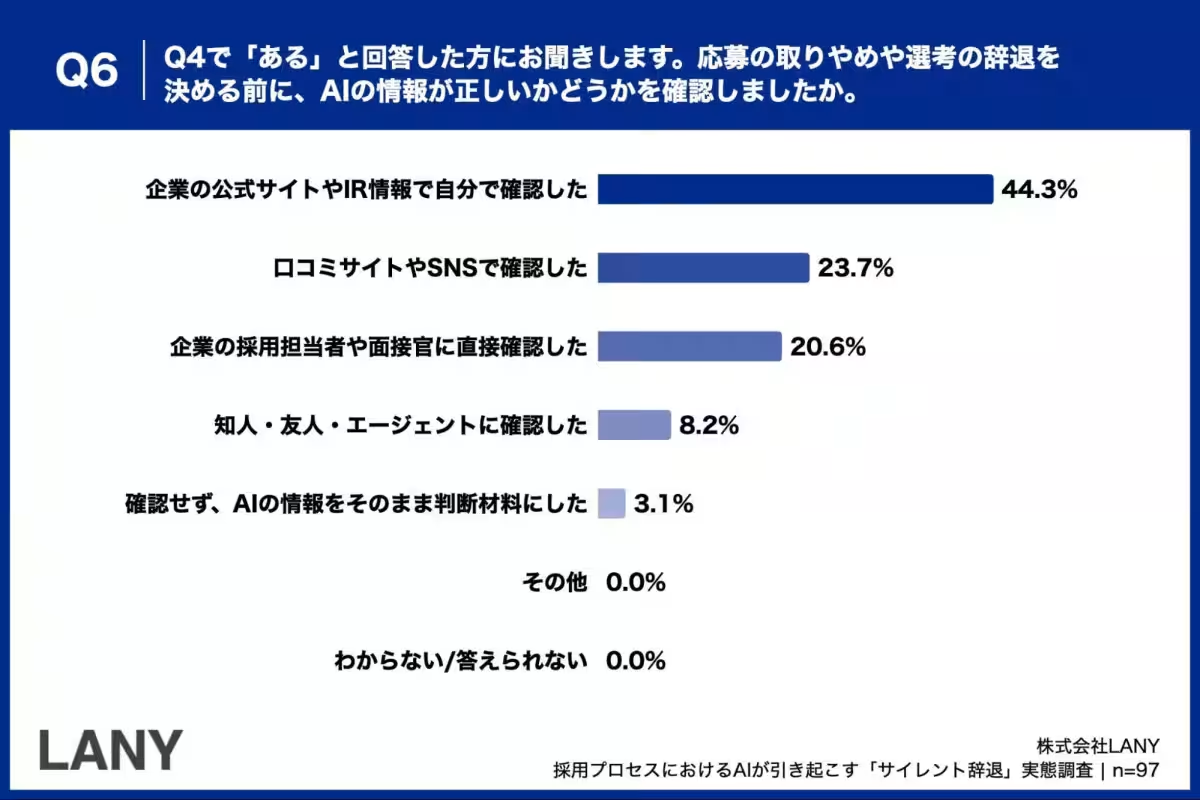
Despite a strong inclination to verify the AI-gathered data, 87.4% of candidates still experienced a withdrawal from applications based on adverse insights, indicating the deep-seated impact of negative information.
Experts Weigh In
The study's findings prompted comments from Keita Takeuchi, representative director of LANY and head of LLMO LAB, emphasizing the necessity for employers to be aware of how they are represented by AI. He notes: “It’s crucial for companies to monitor their online presence and optimize their information sources comprehensively, ensuring they are positively portrayed in AI searches.” This response underscores the urgency for organizations to adopt Large Language Model Optimization (LLMO) practices, aimed at refining the accuracy of AI-generated content concerning their branding.
Implications for Recruitment Strategies
LANY's research highlights that understanding candidates' prompts and responses to AI information will significantly inform future recruitment strategies. To combat the silent withdrawal phenomenon, companies must not only ensure accuracy in their public messaging but also engage in active PR to counter negative AI impressions.
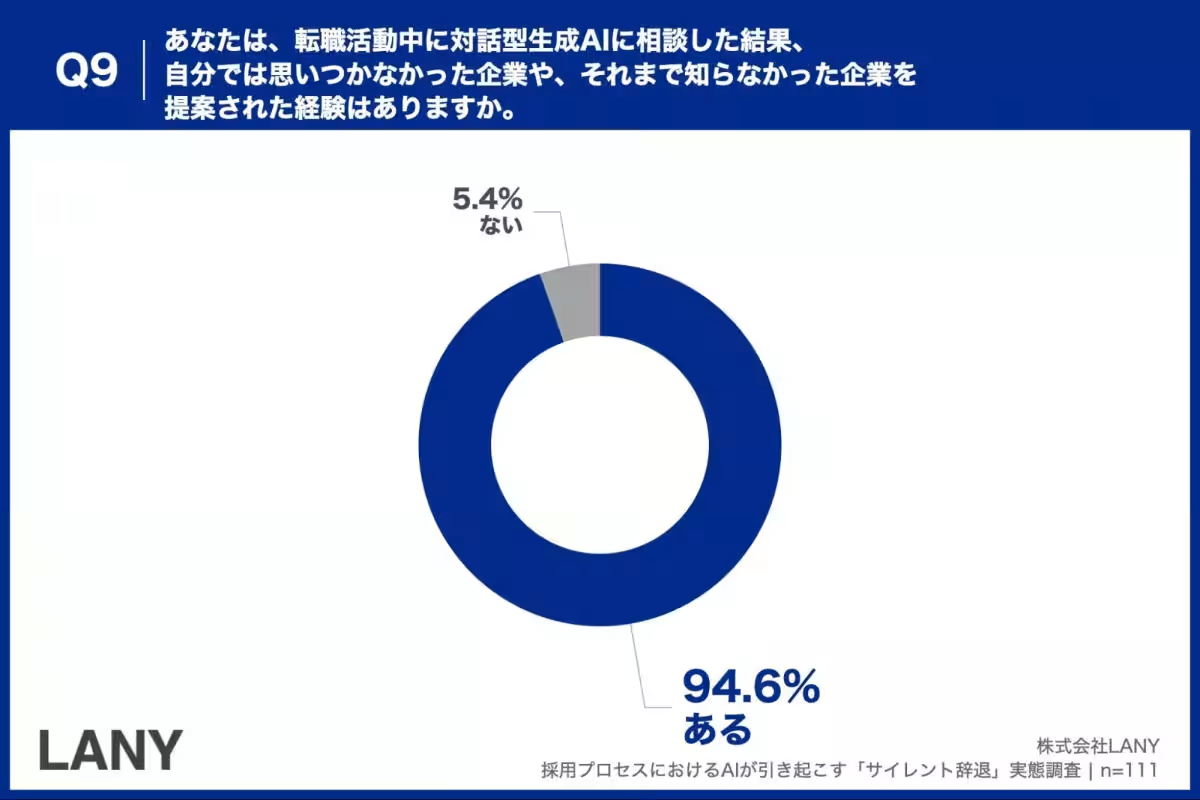
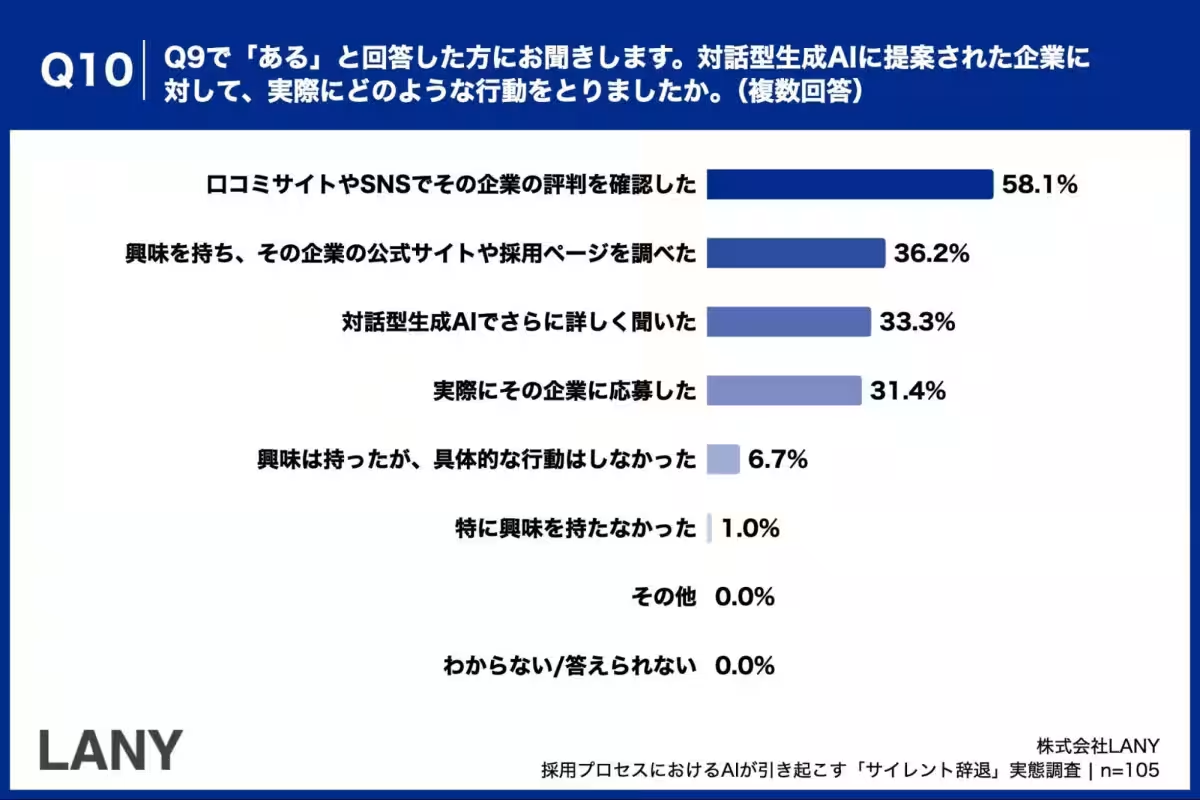
The findings indicate a paradigm shift where candidates are shaping their professional trajectories based on AI outputs, making it imperative for organizations to adapt to this new reality. With 94.6% of participants acknowledging that AI introduced them to companies they were previously unaware of, there lies an opportunity for businesses to harness AI strategically to both mitigate risks and enhance their recruitment reach.
Conclusion
The current landscape of job searching illustrates the profound effect that AI tools have on the applicant experience. As companies navigate this evolving environment, investing in not only the accuracy of their information but also in proactive strategies to manage their digital reputation is essential. Employers must recognize the dual potential of AI: as a risk factor in candidate withdrawal, but also as a gateway to new talent pools. Ultimately, adapting to these changes will be pivotal in maintaining competitive advantage in the modern job market.

Topics Other)
【About Using Articles】
You can freely use the title and article content by linking to the page where the article is posted.
※ Images cannot be used.
【About Links】
Links are free to use.