



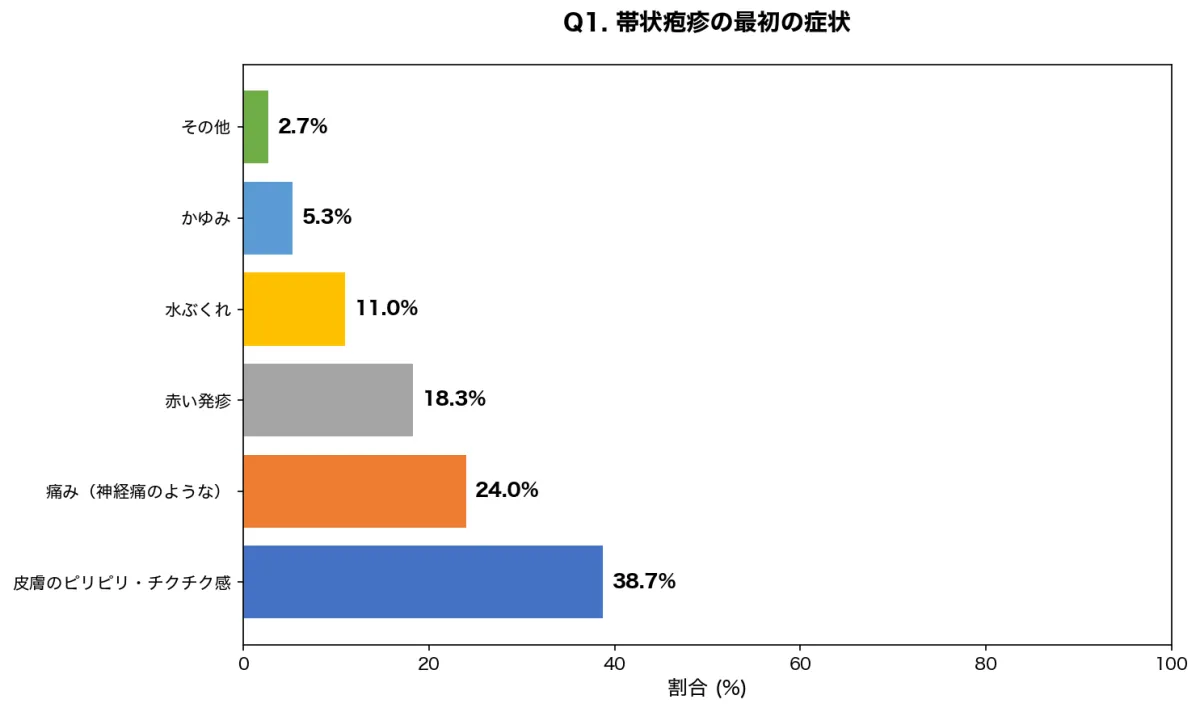
Starting Treatment for Shingles Within 72 Hours Reduces Neuropathic Pain Risks by 85%
New Insights on Shingles: Early Treatment is Key
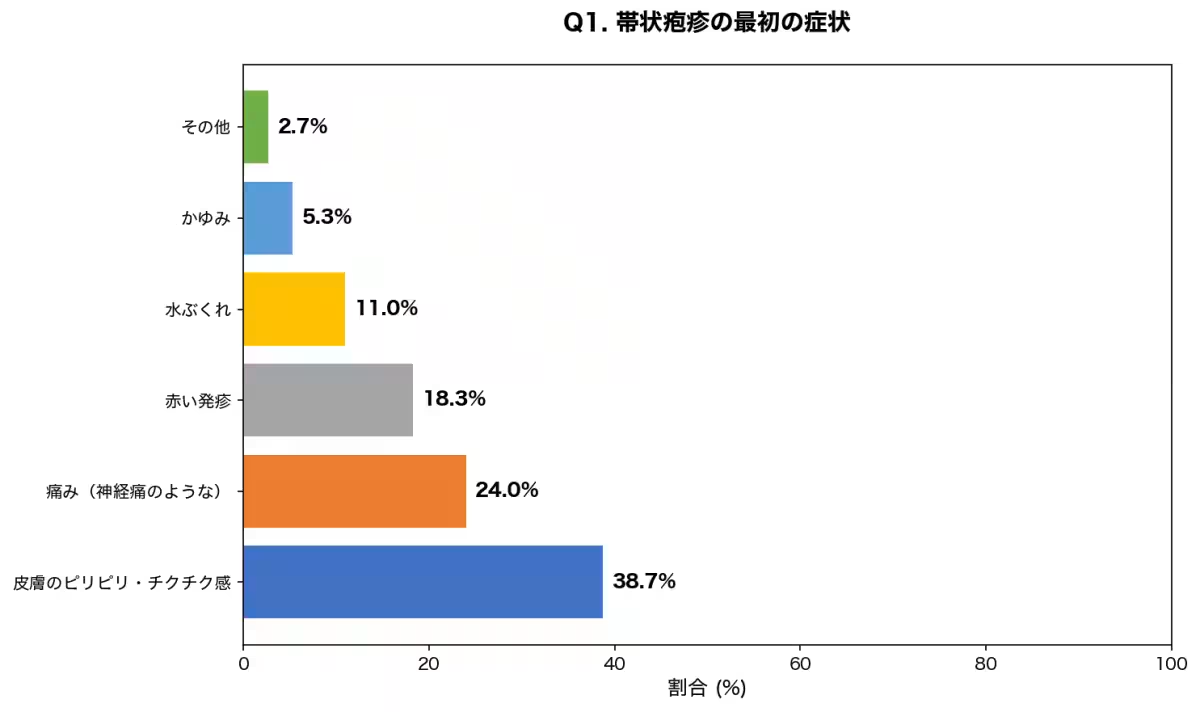
Shingles, or herpes zoster, is caused by the reactivation of the varicella-zoster virus (VZV), often affecting those who have previously had chickenpox. The disease typically starts with a tingling sensation or discomfort on one side of the body, followed by the appearance of painful blisters. Recent findings reveal that beginning antiviral treatment within 72 hours of the onset of symptoms can drastically lower the risk of developing postherpetic neuralgia (PHN), a condition marked by chronic pain lasting for months or even years after the rash has healed. Unfortunately, the research conducted by IC Clinic revealed that a staggering 82.3% of individuals who experienced shingles failed to recognize the initial symptoms in time, leading to delayed treatment.
Key Findings from Recent Research
1. Significance of Early Treatment: The study found that patients who commenced antiviral treatment within 72 hours of symptom onset had a PHN occurrence rate of only 14.7%. In stark contrast, those who started treatment later than 72 hours reported an incidence rate soaring to 58.2%. This staggering difference highlights the critical importance of timely medical intervention.
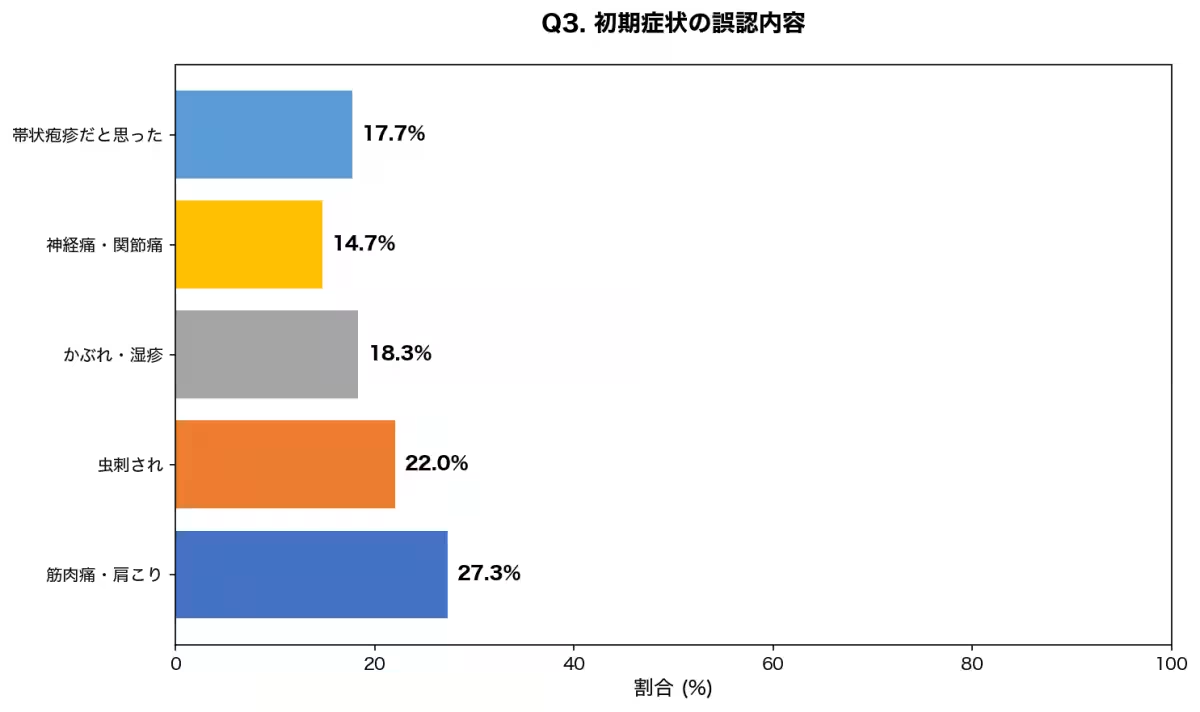
2. Misidentification of Initial Symptoms: Many individuals confuse early shingles signs, such as tingling and localized pain, with common ailments like back pain or insect bites. As a result, they delay seeking medical help. This oversight can be detrimental, as quick action is essential for effective treatment and pain prevention.
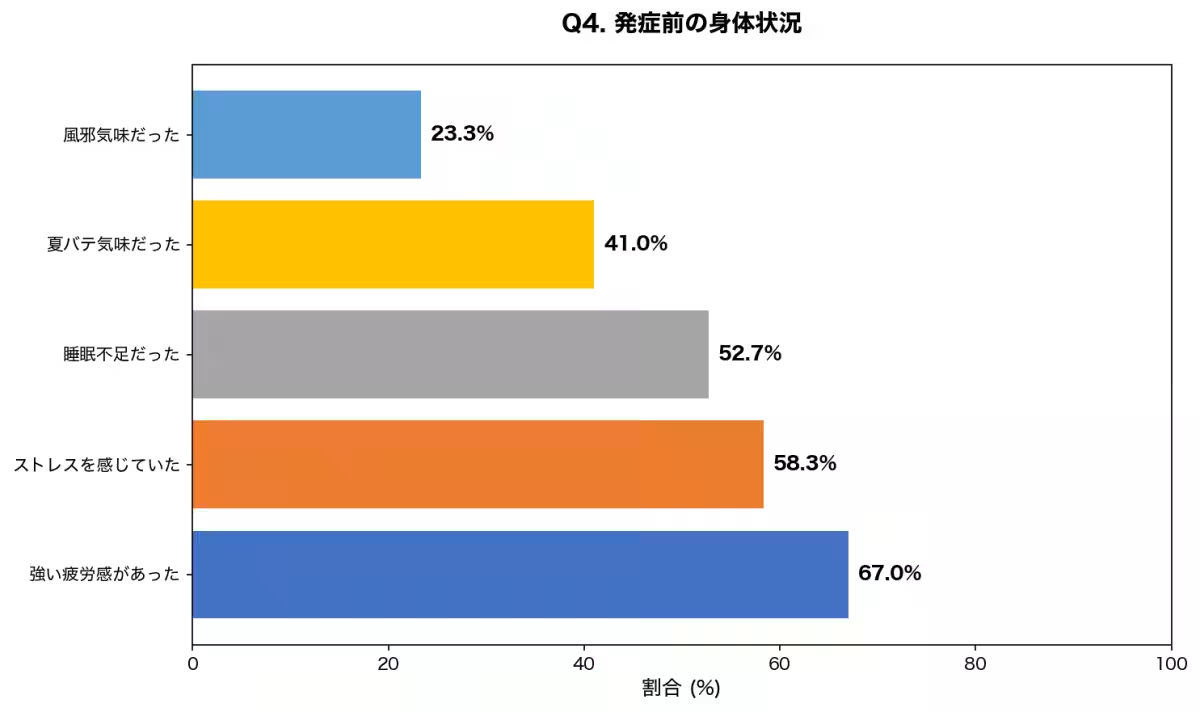
3. Stress and Fatigue as Contributing Factors: The research indicated that 67% of patients experienced significant fatigue or stress in the two weeks leading up to their shingles outbreak, suggesting that these factors may play a crucial role in the disease's development.
What is Shingles?
Shingles arises when the dormant VZV reactivates, often triggered by a weakened immune system due to factors like stress or advanced age. Symptoms begin with localized pain on one side of the body, typically followed by the appearance of red, itchy blisters. Proper diagnosis and swift treatment can lead to a quicker recovery, reducing the risk of complications.
Postherpetic Neuralgia Explained
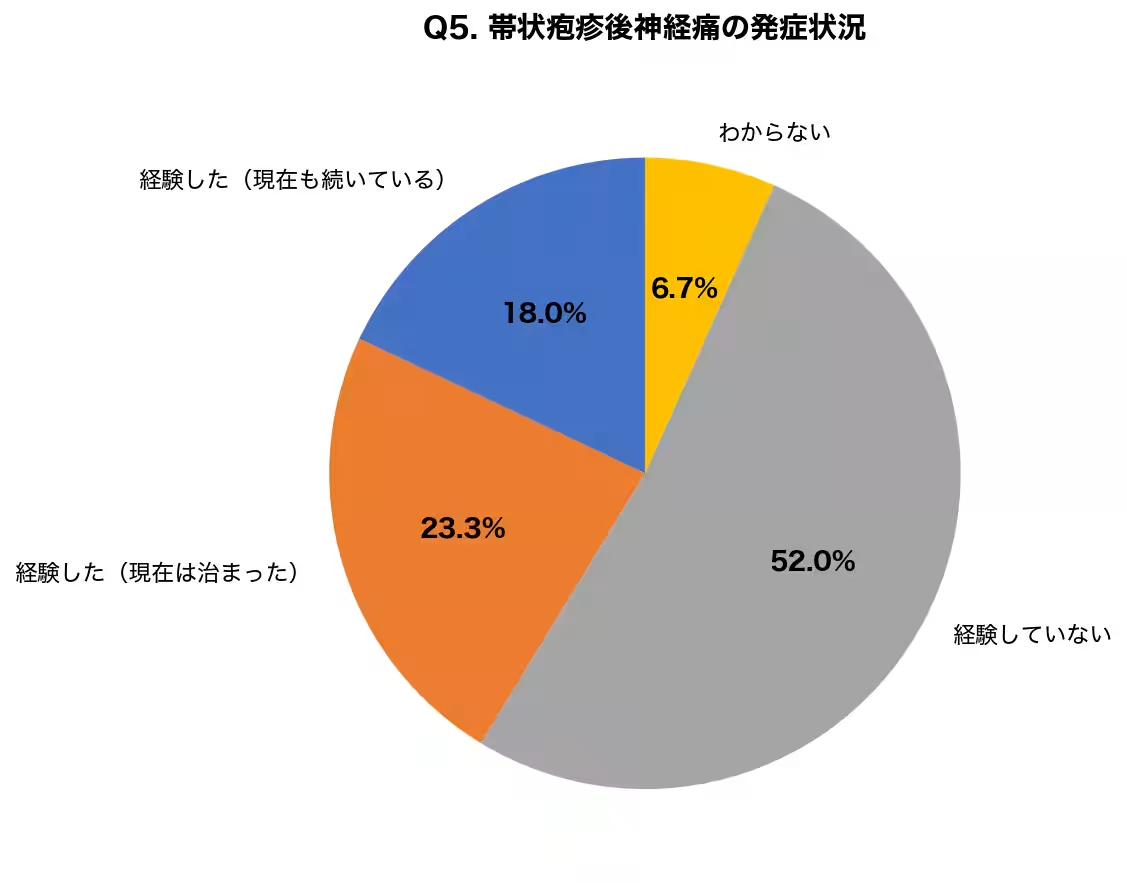
PHN is a debilitating condition that affects a significant percentage of shingles sufferers, characterized by pain persisting beyond the initial rash. It can lead to severe discomfort and significantly impair quality of life, making timely treatment even more critical. Notably, the study indicates that individuals over 50 are at a higher risk for PHN, emphasizing the importance of rapid intervention for older adults.
Antiviral Treatments
Antiviral drugs such as acyclovir, valacyclovir, and famciclovir suppress the virus's replication, thereby decreasing symptoms and speeding up recovery. Optimal results are achieved when these medications are administered within the first 72 hours post-symptom emergence.
The Need for Awareness
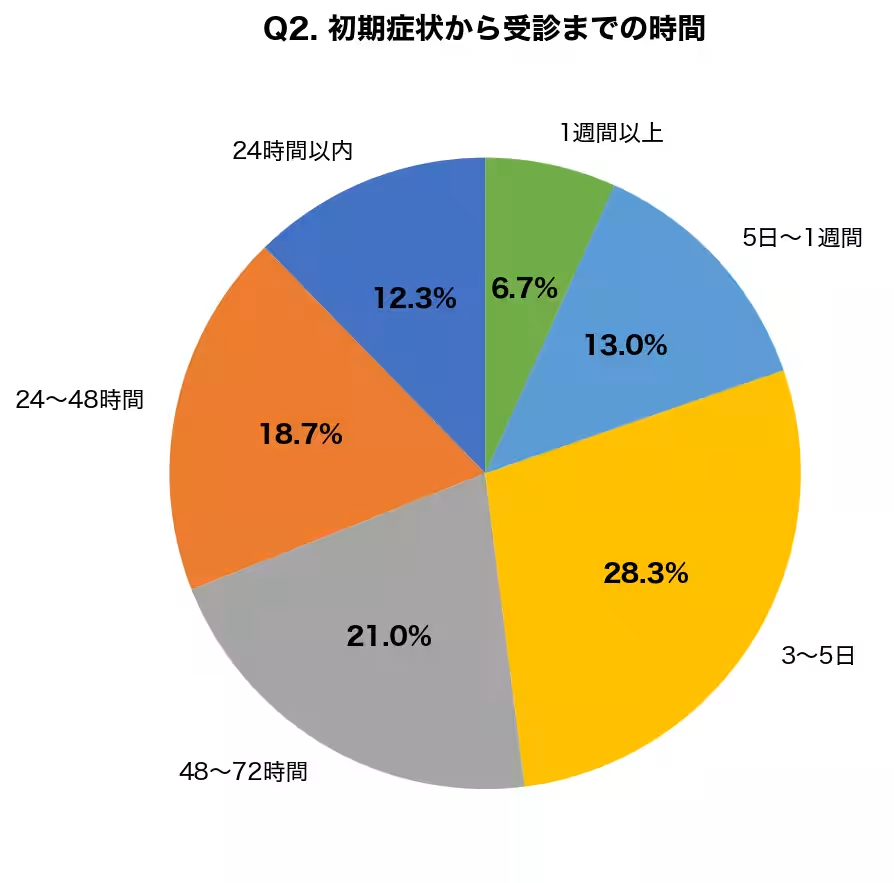
Despite the straightforward nature of early symptoms, awareness remains low. Almost half of the participants in the study waited too long to seek medical advice, missing their chance to receive antiviral treatment within the critical 72-hour window. The importance of education and awareness campaigns cannot be understated in promoting early recognition and timely treatment of shingles. Furthermore, nearly all respondents acknowledged the presence of factors that could weaken their immune response preceding their outbreaks, suggesting that monitoring stress levels and overall health is paramount for prevention.
In conclusion, shingles is a common condition but can lead to severe, persistent pain if not treated promptly. The emerging data underscores the importance of recognizing early signs and seeking help immediately. Regular self-checks, especially for those aged 50 or over, can enhance awareness and lead to better health outcomes. Remember, the best defense against postherpetic neuralgia lies in early detection and swift treatment.
Conclusion
As shingles cases seem to climb, particularly during summer months when stress levels are high, it is vital to understand the disease's symptoms, seek early medical intervention, and consider vaccination options for older adults. By raising awareness about shingles and its implications, we can significantly impact individuals' health and quality of life.
Topics Health)
【About Using Articles】
You can freely use the title and article content by linking to the page where the article is posted.
※ Images cannot be used.
【About Links】
Links are free to use.