



Growing Interest in 'Care Beauty' Opens Doors for Career Changes to Nursing
The Rise of 'Care Beauty' Amid an Aging Society
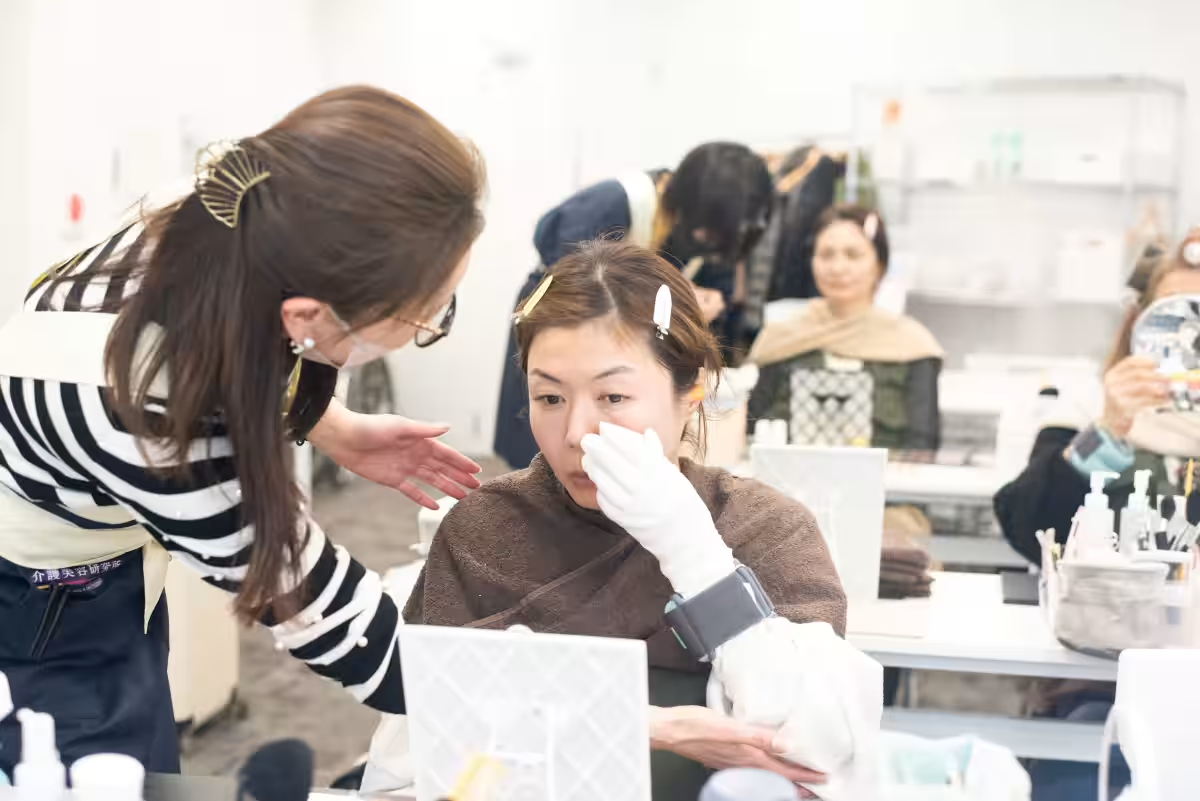
In a rapidly aging society, the demand for caregivers is escalating. A notable trend is emerging as more individuals from various industries aspire to transition into caregiving roles through the avenue of 'Care Beauty.' This term refers to the practice of combining beauty care with caregiving, emphasizing not just physical assistance but also enhancing the quality of life (QOL) of the elderly.
Increasing Interest in Caregiving Careers
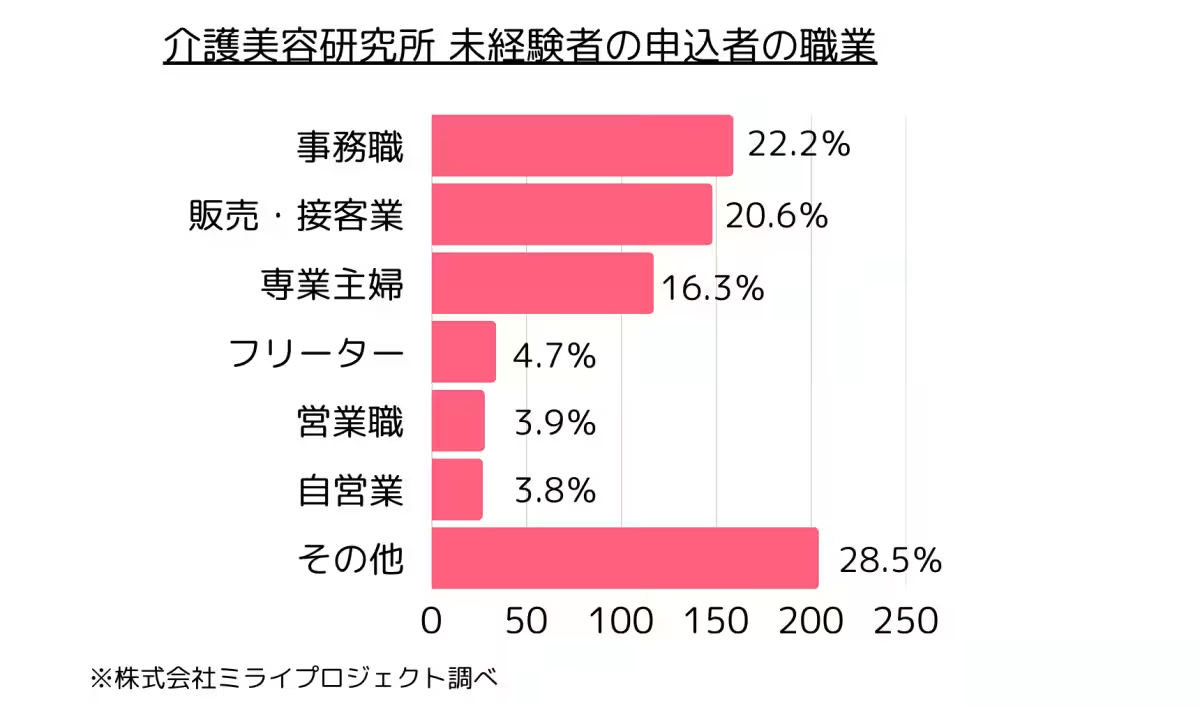
Recent statistics reveal that 56.8% of applicants for caregiver training programs have no prior experience in nursing. This new wave of interest is fueled by a societal shift toward valuing personalization in caregiving, where emotional support is as critical as the physical. With the aim of improving mental well-being through beauty treatments, the 'Care Beauty' approach has become an attractive career pathway, drawing individuals from various professions including office work, hospitality, and even stay-at-home parents.
Profiles of Job Seekers
The diversity of these applicants is impressive:
- - Administrative roles (including medical administration): 22.2%
- - Customer service, sales, and food industry: 20.6%
- - Stay-at-home parents: 16.3%
This diverse background indicates that 'Care Beauty' is effectively serving as a new entry point for individuals looking to shift their careers towards caregiving.
Educational Expansion: Quarterly Adjustments
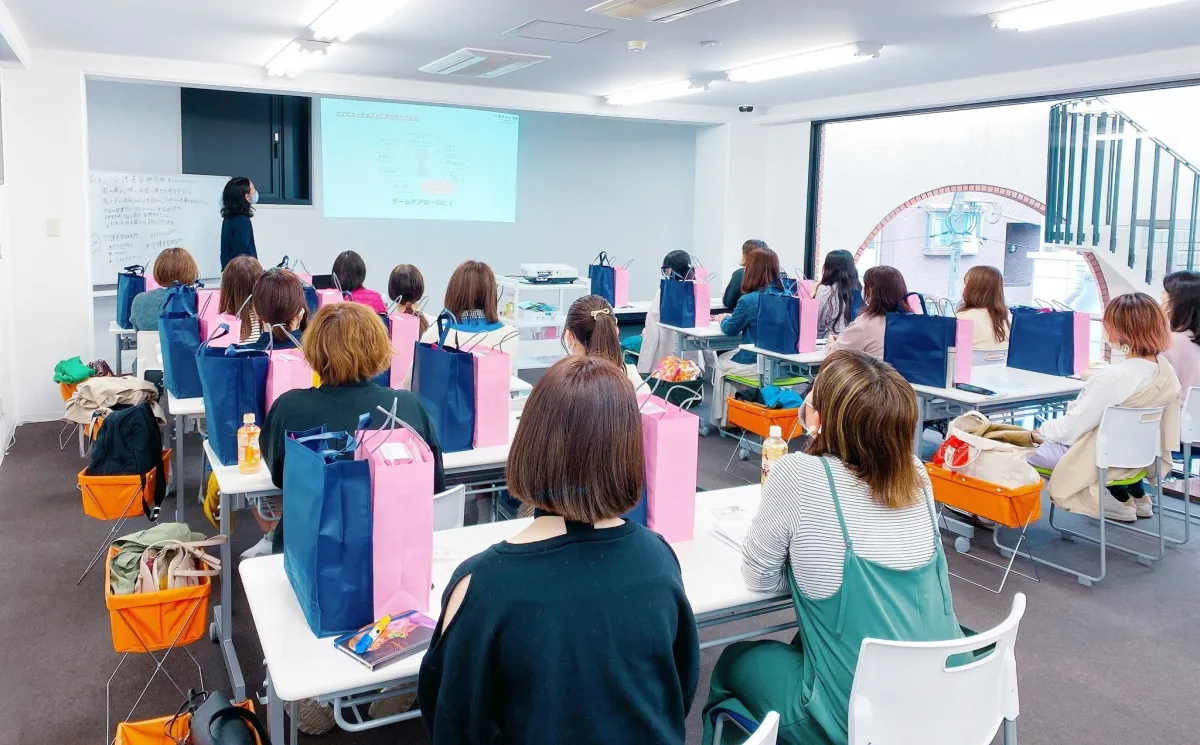
In response to the surge in interest, the Tokyo-based 'Care Beauty Institute' run by Miraiproject Co., Ltd. has decided to revise its annual enrollment schedule, transitioning from biannual admissions in April and October to a quarterly basis. This change is aimed at accommodating the growing number of second-career seekers and those from entirely different fields eager to enter the caregiving sector. As a result, the institute is introducing a new admission cycle in July, encouraging potential students to start their journey whenever they feel ready.
This new structure will initially roll out in Tokyo and Osaka, with future expansions planned for other regions based on demand.
Motivations Behind Choosing Care Beauty
Surveys conducted among prospective students reveal a range of motivations that drive their interest in 'Care Beauty':
- - Career uncertainty: Many are reassessing their current jobs, seeking stability and assurance that their skills would remain relevant, particularly in roles less likely to be replaced by AI.
- - Personal caregiving experiences: Some candidates have had transformative experiences caring for family members, which heightened their appreciation for the importance of maintaining one's appearance during challenging times.
- - Rekindling a love for beauty: Past beauty industry professionals express a desire to merge their skills in a way that positively impacts the elderly, emphasizing that personal grooming can boost mental health.
Success Stories: Alumni Navigating Unique Paths
The success stories of alumni who have switched careers underscore the possibilities within 'Care Beauty.' One such example is Miki Hara (50), who transitioned from a restaurant service role to a caregiver specializing in beauty treatments. During her time at a senior facility in Tokyo, she thrives on providing nail care and enjoys seeing the joy it brings to her clients.
Another inspiring figure is Kana Miyazaki (43), former beauty consultant turned independent beauty caregiver after navigating personal experiences with her father’s passing. Now, she works freelance, visiting over 20 facilities a month in the Kansai area, catering to elderly needs through beauty interventions.
Upcoming Orientation Events
With a surge in inquiries—over 80,000 in the past two years alone—the 'Care Beauty Institute' will host detailed guidance sessions in Tokyo and Osaka. These sessions are designed for individuals considering a career change and will include insights into actual working conditions and steps toward employment or freelance opportunities in the sector. This includes a unique campaign for the newly introduced July cohort, which offers exclusive benefits for early registrants.
In conclusion, 'Care Beauty' is not just a niche; it is a significant career transition opportunity that reflects societal changes toward aging and care. As the demand for empathetic, beauty-focused caregivers rises, so too does the need for relevant training programs to support this new workforce.


Topics Health)
【About Using Articles】
You can freely use the title and article content by linking to the page where the article is posted.
※ Images cannot be used.
【About Links】
Links are free to use.