



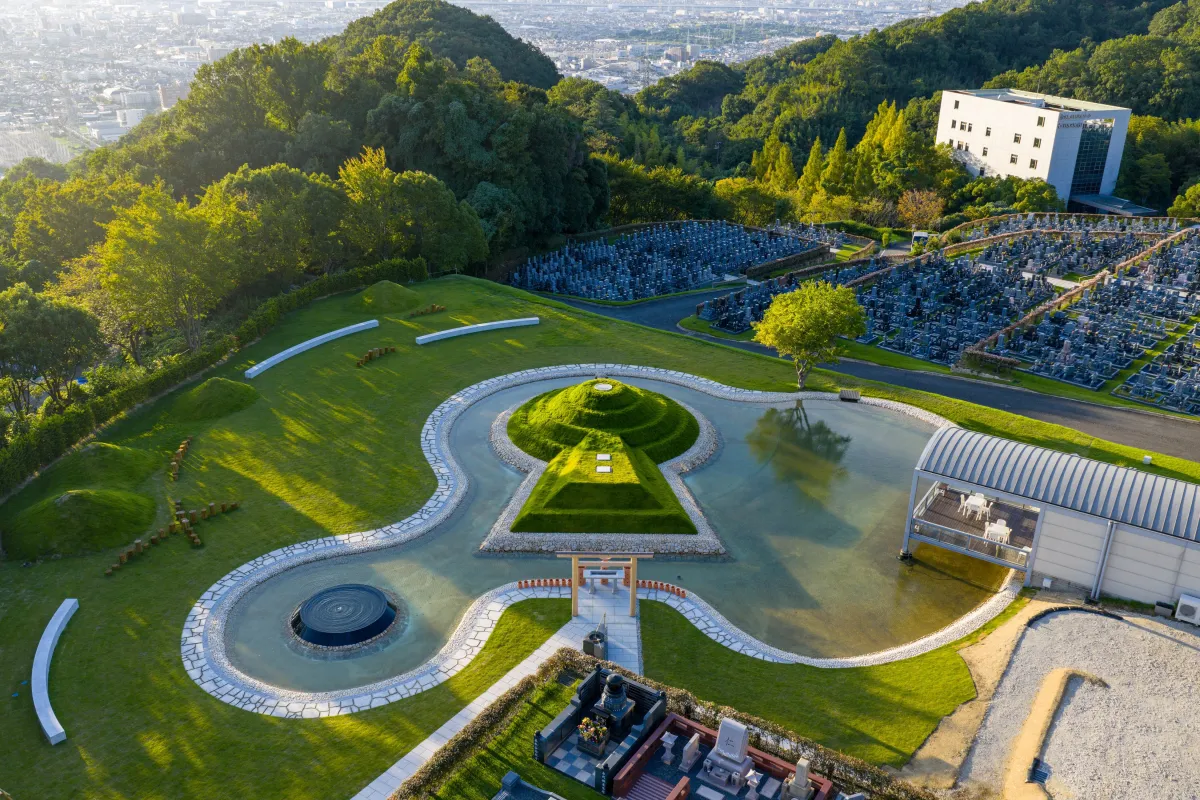
New Era of Eternal Rest: Takeda-style Kofun Cemetery Debuts in Daito City
A Unique Approach to End-of-Life Planning
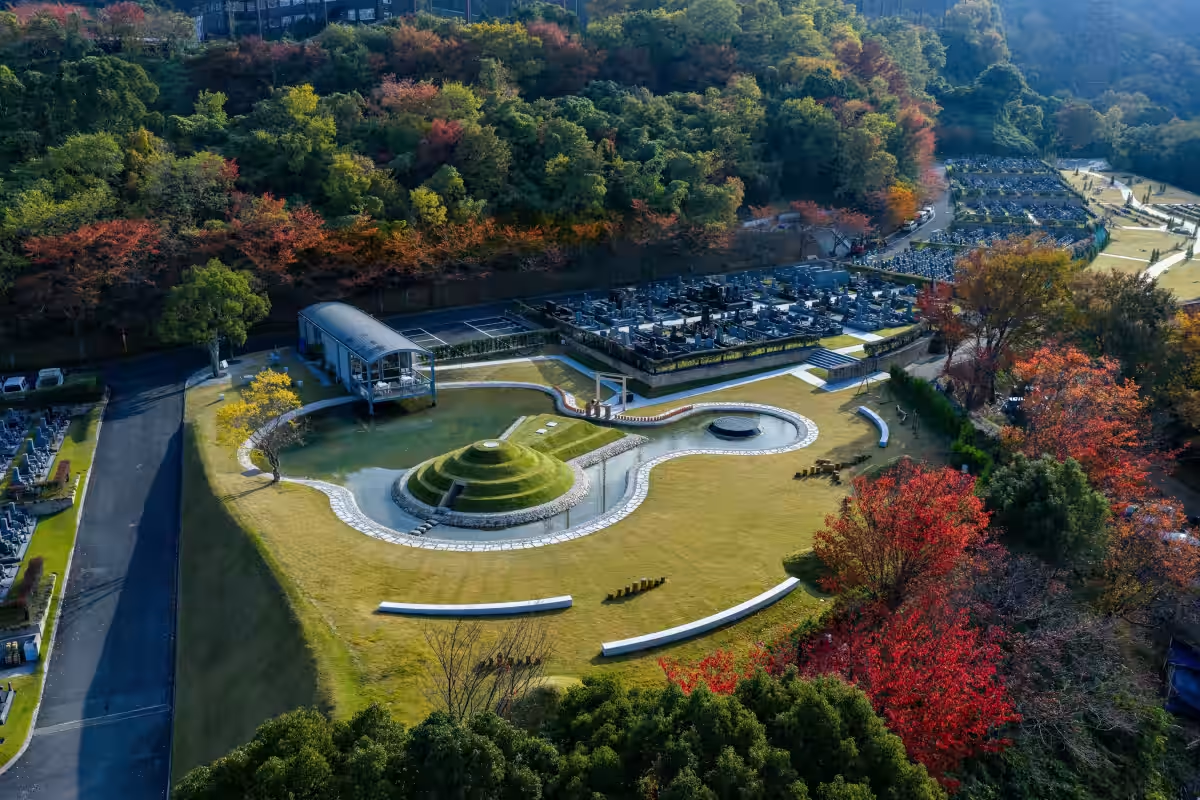
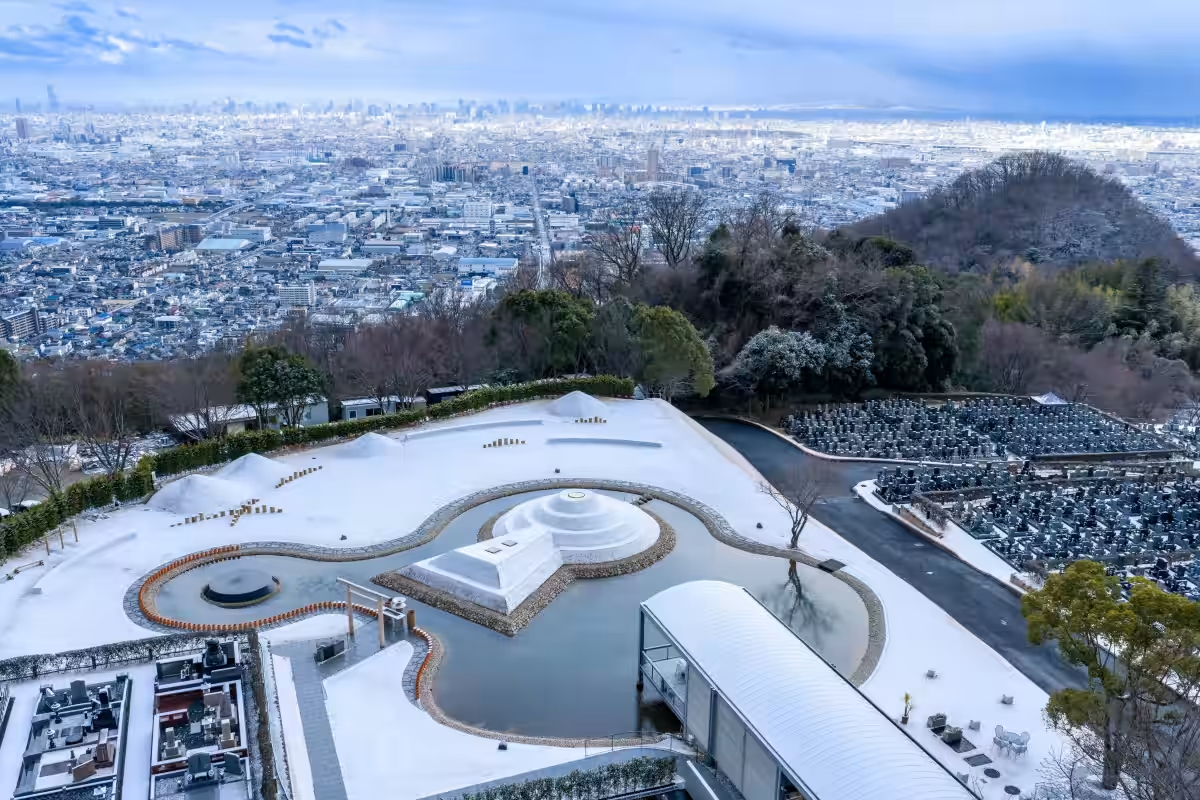
Daito City in Osaka Prefecture has just launched an exceptional cemetery model known as the "Takeda-style Kofun" as part of its hometown tax donation program. This innovative concept was revealed by Zenpokoenfun Co., Ltd., in collaboration with Osaka Memorial Park Corporation, allowing donations for maintaining a traditional burial site. With a potential maximum donation amount of ¥7.5 million, this initiative intertwines end-of-life care with community contribution, addressing pressing social issues like the inheritance of graves and the challenges of declining birthrates and aging populations in Japan.
The Project's Background
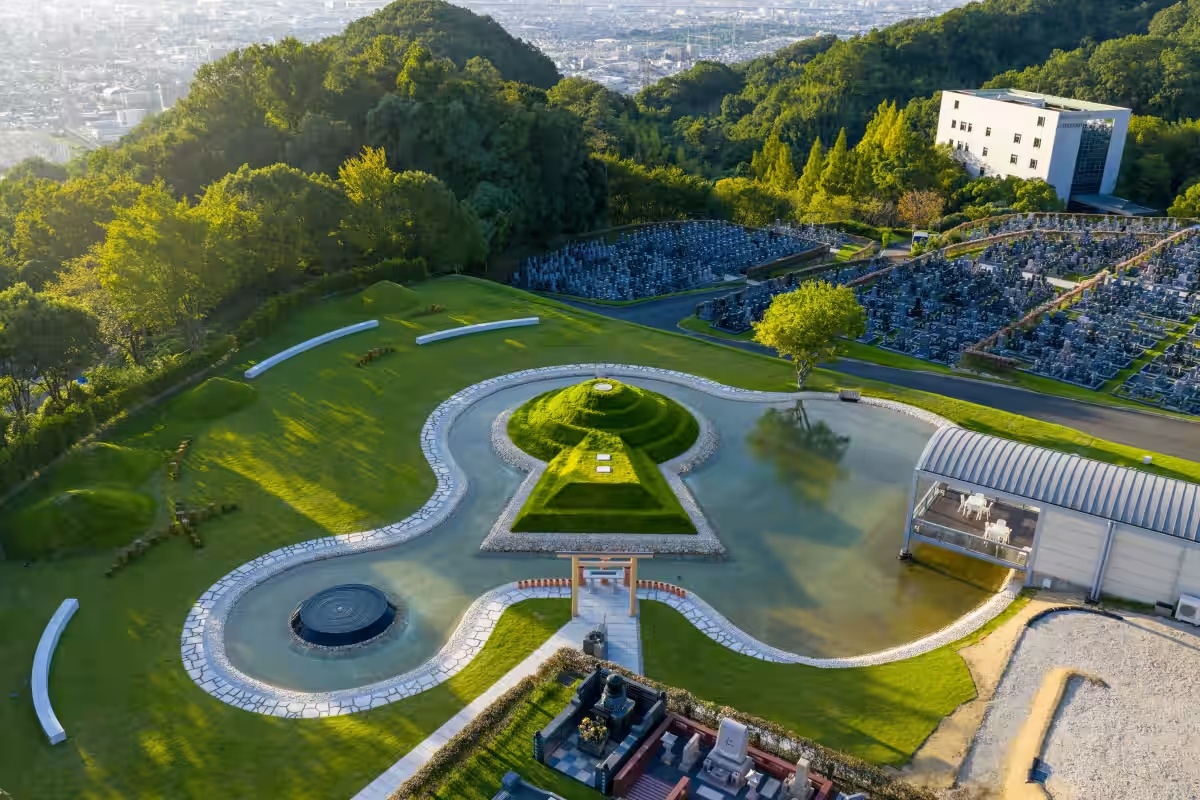
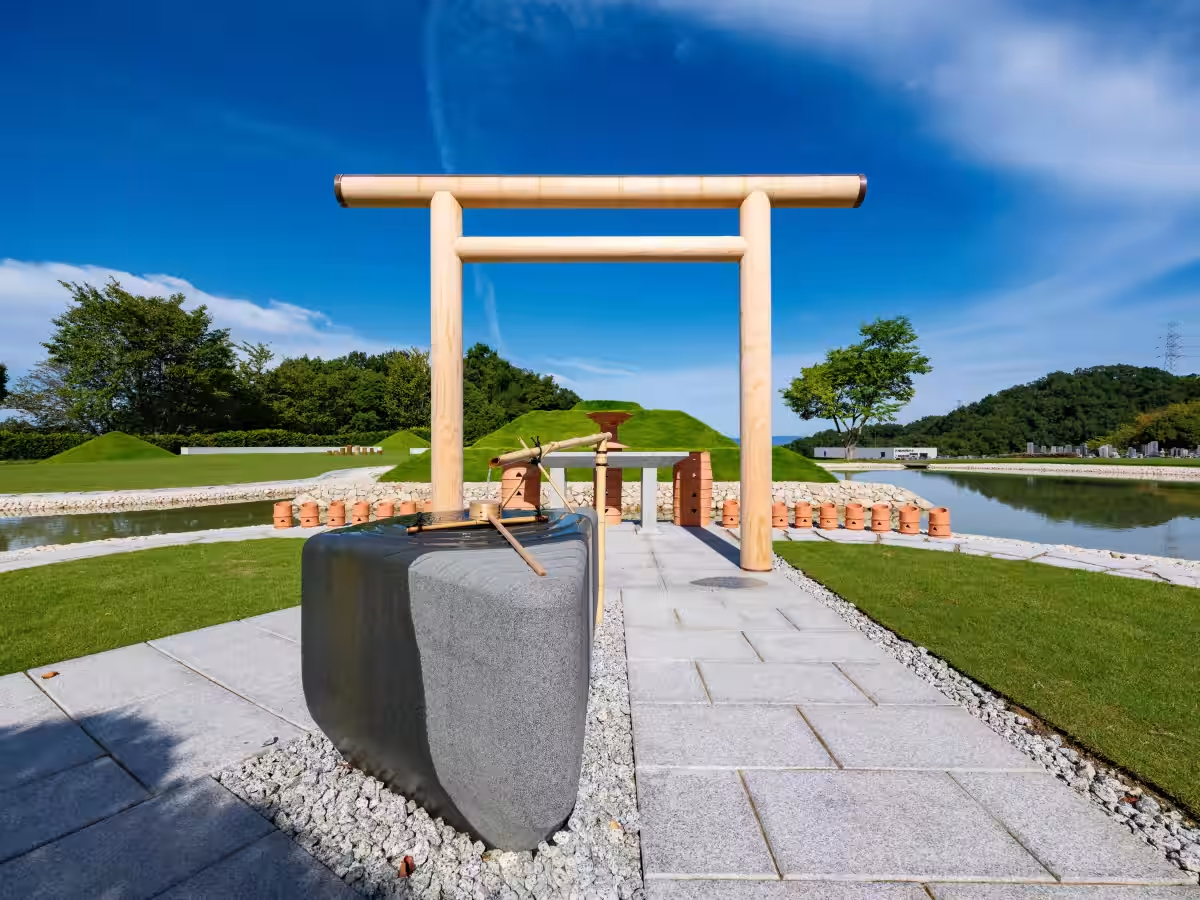
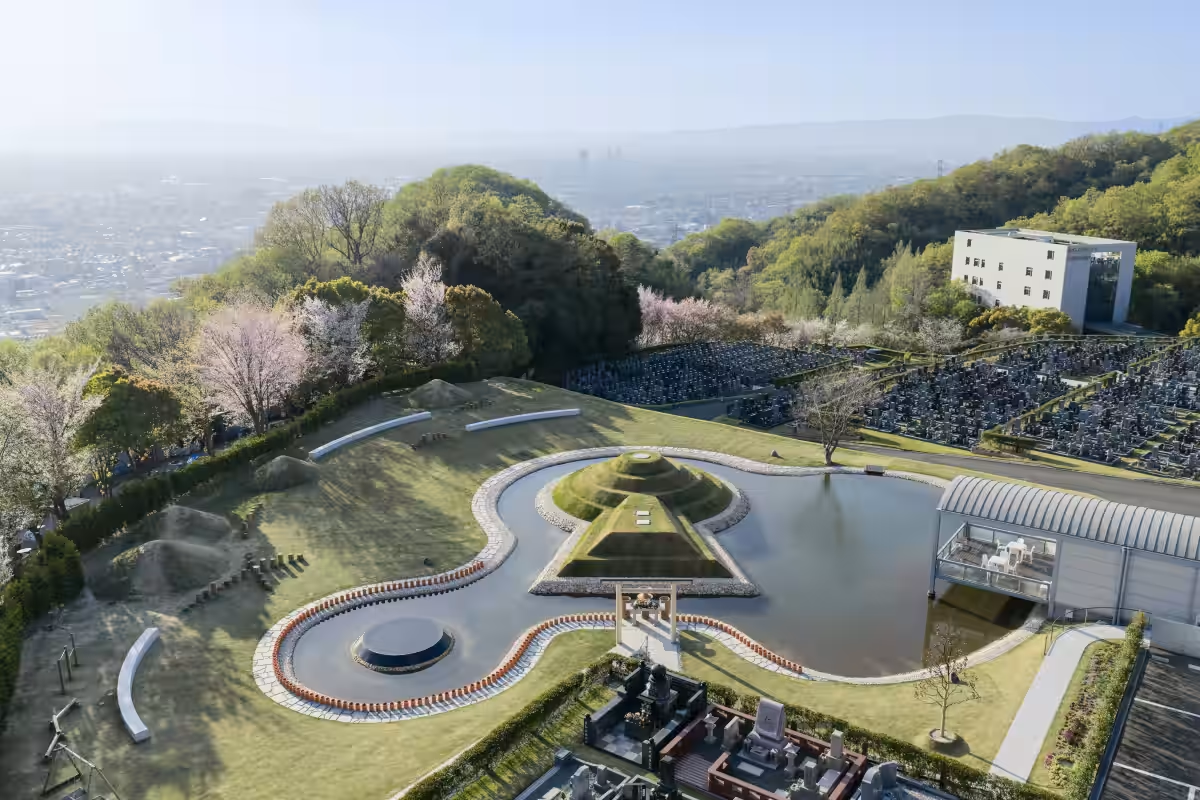
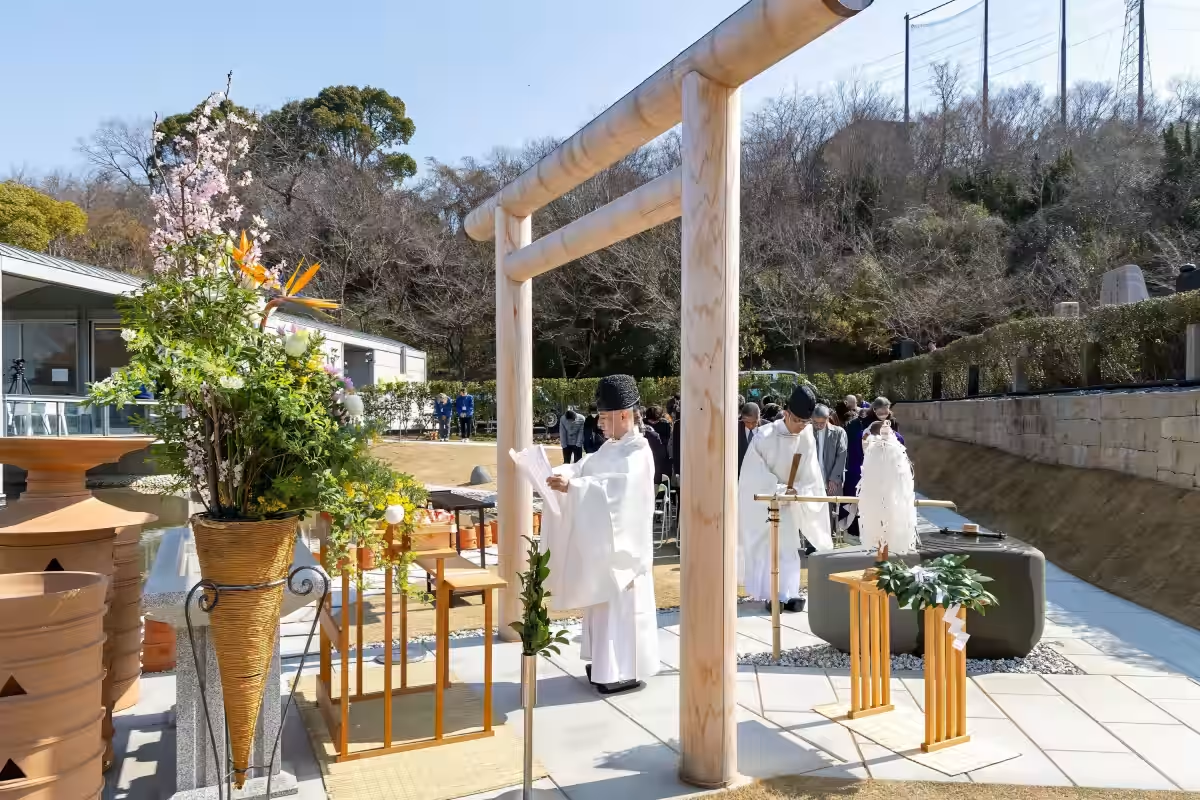
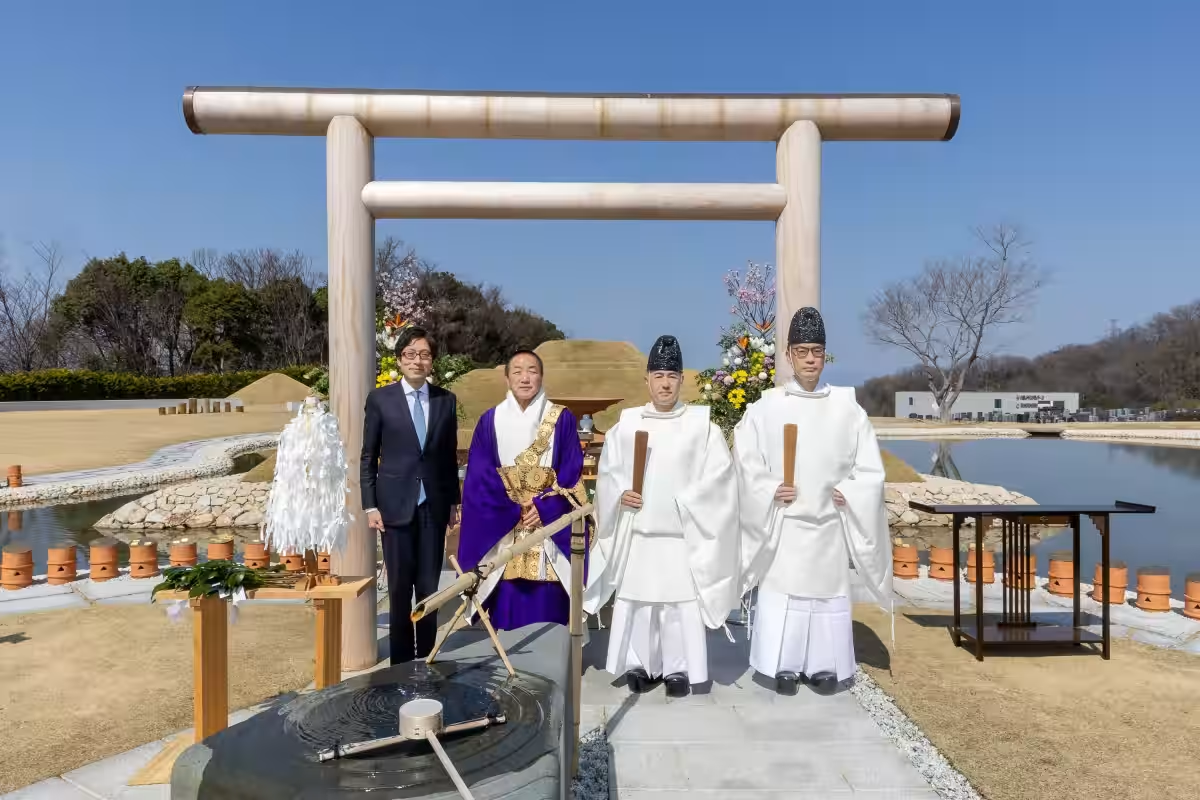
The Takeda-style Kofun aims to revitalize the ancient burial structures known as kofun, which traditionally represented both a resting place for revered figures and a symbol of cultural heritage. The project is spearheaded by Takeda Tsunetaka, the company's CEO, who has reshaped these historic landmarks into modern prayer locations, attracting considerable public attention.
In light of widespread concerns over grave maintenance and the future of cemetery sites, this initiative serves as a bridge—connecting donors to the community while promoting the local development of Daito City. The program allows contributions from individuals nationwide, empowering them to engage in community-building through their donations while securing their peace of mind.
Innovative Beneficiary Model
The Takeda-style Kofun is not just a cemetery; it presents an opportunity for donors to ensure the site remains a meaningful place for future generations. There are multiple burial options available, including shared eternal resting spaces and individual plots tailored to family needs, allowing for personal preferences in memorialization.
This initiative goes beyond merely providing a financial incentive as a reward for donations; it fosters an ongoing relationship between the families of contributors and Daito City, encouraging families to visit their loved ones over the years—a sustainable community-centric model of remembrance that combats feelings of disconnection or "muen" (being without kin).
Why Focus on Kofun and Hometown Tax Now?
1. Personal Legacy: Choosing the Takeda-style Kofun through hometown taxes allows individuals to secure their resting place while simultaneously contributing to community projects in education, welfare, and urban development. This resonates with the desire to lead impactful lives until the end.
2. Cultural Significance: The kofun, a cultural emblem, reclaims its identity in a contemporary context. By intertwining Japan’s rich heritage with modern needs, donors align themselves with practices that protect local landscapes, while also contributing to the history that proudly represents their lineage.
3. Building Connections: Addressing concerns regarding grave ownership and maintenance, the program helps foster lasting ties to Daito City, ensuring that future generations create memories through continued visits. By partnering with local governments, this model promotes a new avenue for sustainable remembrance.
How to Contribute
Interested individuals can contribute by visiting Daito City’s official hometown tax donation page, which lists various platforms such as Rakuten, Furunavi, and Amazon for processing donations. Each payment pathway specifics the different burial options and their corresponding donation amounts.
Upcoming Opportunities
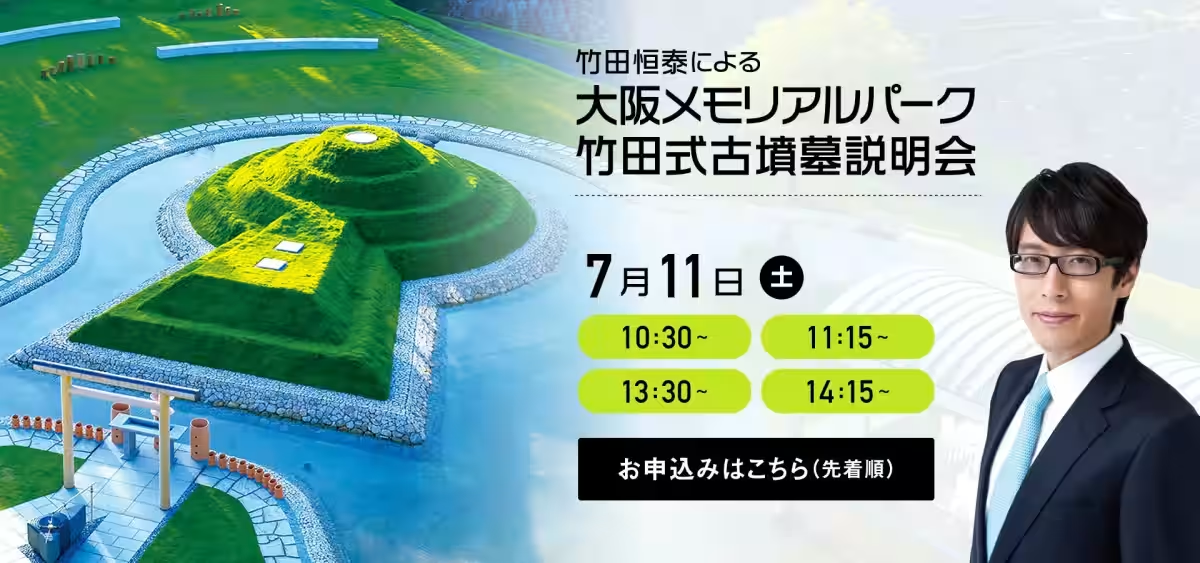
On July 11, Osaka Memorial Park will host an on-site explanation session led by Takeda Tsunetaka. Participants keen on exploring this novel burial concept will learn more about the Takeda-style Kofun, its historical significance, and the management processes in place. Those considering permanent memorial options or interested in heritage burial practices are encouraged to attend.
Conclusion
The Takeda-style Kofun cemetery represents the innovative merging of tradition with modern societal needs, rendering it a pioneering model in Japan. This novel approach not only honors life but also enhances community cohesion, assuring families that their memories and legacies will be cherished, creating a brighter, connected future for all involved.
Topics Consumer Products & Retail)
【About Using Articles】
You can freely use the title and article content by linking to the page where the article is posted.
※ Images cannot be used.
【About Links】
Links are free to use.