



Addressing the Weight of Silence: Special Cleaning Expert Speaks at Medical Association
Understanding the Importance of Specialized Cleaning in Preventing Loneliness Deaths
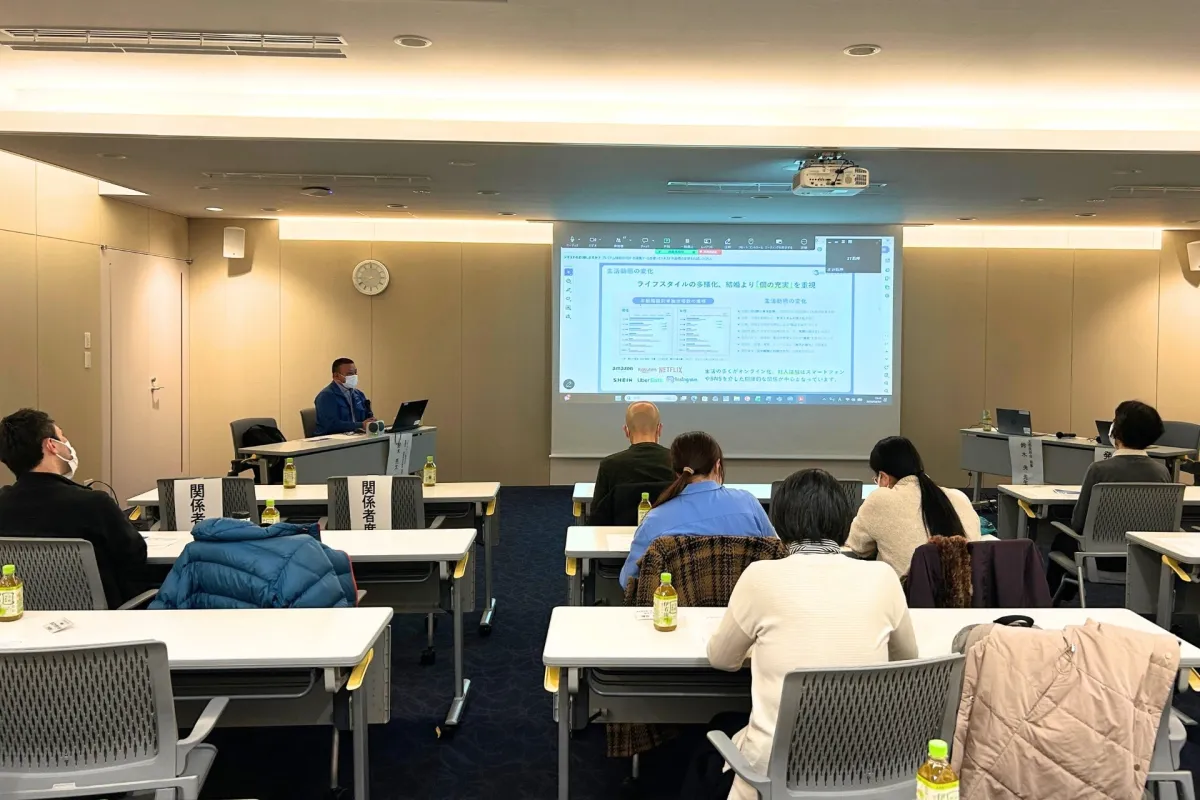
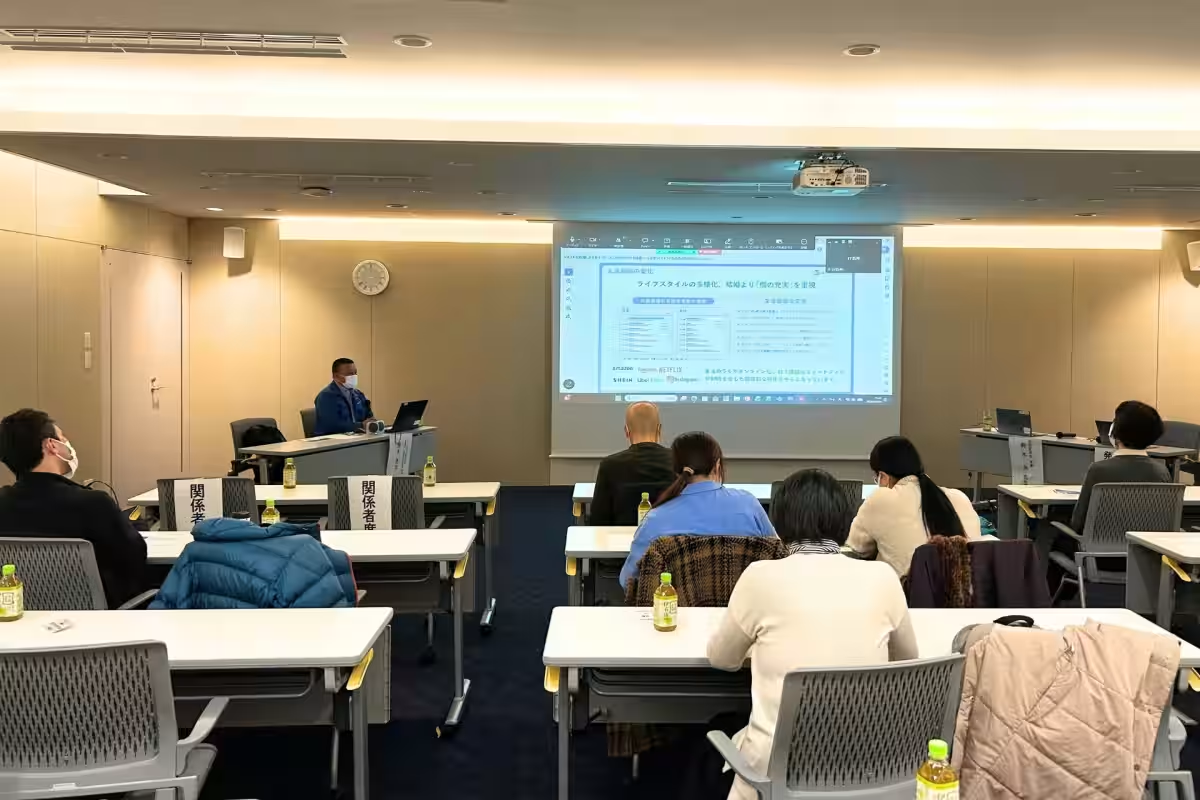
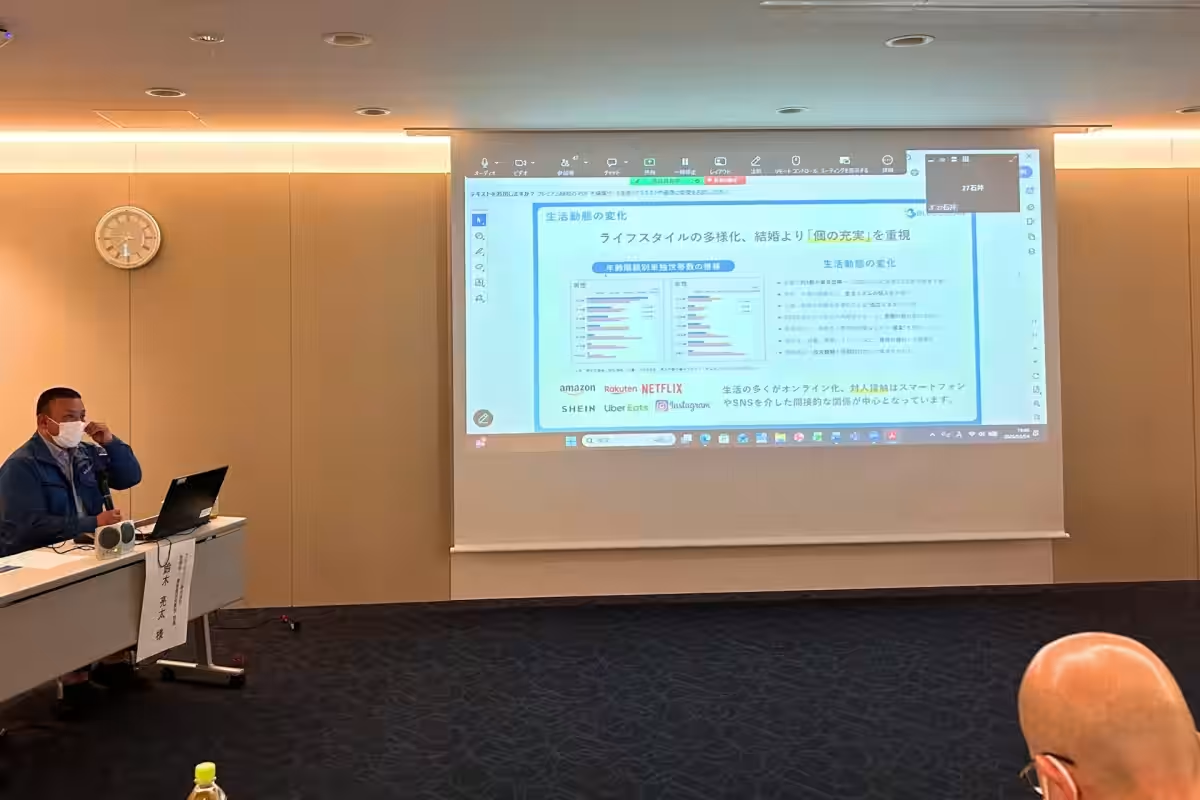
On March 4, 2026, at the Omori Medical Association building, a significant conference was held focusing on the realities of loneliness deaths and self-neglect, featuring a talk by Ryota Suzuki, Director of the Environmental Recovery Department at BlueClean Co., Ltd. This event was a part of the 5th Community Comprehensive Care Conference, aimed at healthcare and welfare professionals. With over 70 participants attending both in person and online, the discussion was pivotal in consolidating knowledge on this pressing issue.
Context of the Conference
Loneliness deaths, a phenomenon associated with individuals passing away alone without anyone noticing, have become a practical risk in local healthcare and welfare settings. The rise of single-person households is contributing to an alarming increase in such cases, highlighting the need for professionals in healthcare and welfare to recognize early signs of neglect or decline.
As cited in projections by the National Institute of Population and Social Security Research, it is estimated that single-person households will represent 44.3% of total households by 2050, up from 21.15 million in 2020. Such statistics underscore the importance of addressing challenges related to loneliness deaths at a community level, moving beyond local knowledge to develop more comprehensive support systems.
Key Takeaways Regarding Signs of Loneliness Deaths
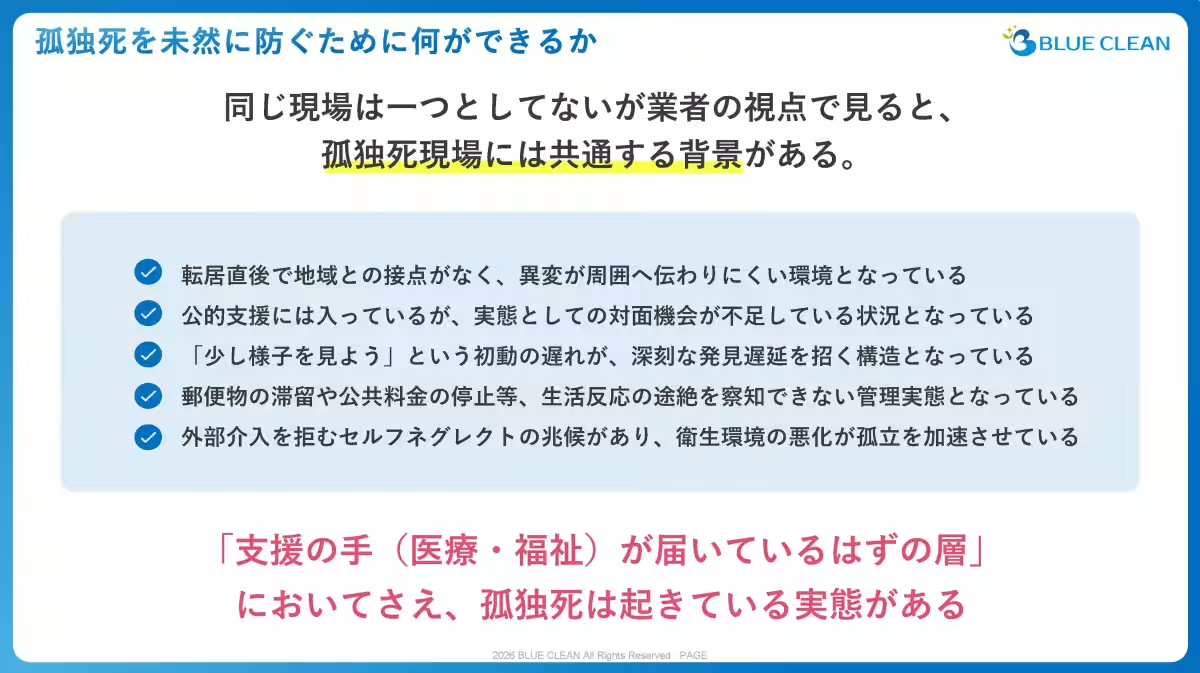
During his talk, Suzuki outlined five common indicators of loneliness deaths, emphasizing the importance of recognizing these signs to prevent adverse outcomes:
1. Isolation After Moving: Individuals who have recently moved into an area often lack local connections, making it difficult for neighbors to notice changes in behavior.
2. Lack of Face-to-Face Support: While individuals may be receiving public assistance, genuine interpersonal interaction may be insufficient, leading to unnoticed risks.
3. Delayed Response in Interventions: Hesitation in taking immediate action can lead to critical delays in addressing situations, resulting in severe consequences.
4. Failure to Detect Changes: Indicators such as undelivered mail or halted utility services may go unnoticed due to inadequate management, leading to grave situations.
5. Rejection of External Help: Signs of self-neglect often coexist with declining sanitation conditions, which can further accelerate a person’s isolation.
The Roundtable Discussion
The Q&A session provided a platform for attendees to pose relevant questions concerning safety measures and specialized qualifications in the field of hazardous cleaning. Suzuki highlighted the importance of protective gear, such as reinforced gloves and slip-resistant shoes, that can be easily procured. This ensured that workers who enter compromised spaces are adequately protected while working in sensitive environments.
Attendee Reflections
Dr. Hiroshi Suzuki from Suzuki Internal Medicine noted the heroic efforts of those in specialized cleaning, expressing admiration for their commitment to restoring safety in communities burdened by the aftermath of loneliness deaths. He emphasized the reality that factors leading to such tragedies are complex and often unavoidable, prompting healthcare providers to reflect on their capacities to intervene effectively.
Nurse Rena Naze from the Omori Medical Association echoed similar sentiments, recalling the alarming realities faced by cleaning crews and the substantial social isolation permeating through numerous single-person households. She stressed the collective responsibility of healthcare and welfare professionals to recognize signs of loneliness and engage actively in support systems to ensure community safety.
Looking Forward
BlueClean remains committed to fostering collaborative models between local healthcare services and specialized cleaning professionals to curb the increasing trend of loneliness deaths. Through educational conferences, the company aims to disseminate critical insights gathered from real cases and advance the quality of welfare support in communities. The goal is to proactively address the rising concerns surrounding solitary living environments and related public health issues, facilitating a unified response to these pressing challenges.
For organizations, municipalities, or groups interested in learning more about collaborative engagements and educational outreach, BlueClean invites inquiries via their contact channels.
Inquiries
For more details, please contact:
- - BlueClean Co., Ltd.
- - Phone: 0120-194-902 (8:30 AM - 9:00 PM, excluding New Year holidays)
- - Website: BlueClean Contact
Company Profile
- - Business: Bio-Recovery Services (including hazardous cleaning and sanitation recovery services)
- - Philosophy: "Clean hearts, clean earth."
- - Headquarters: 1-6-10 Hagihara, Ota, Tokyo

Topics Health)
【About Using Articles】
You can freely use the title and article content by linking to the page where the article is posted.
※ Images cannot be used.
【About Links】
Links are free to use.