



Understanding the Impact of Summer UV Damage on Skin Discoloration and the Importance of Early Treatment
The Connection Between Summer UV Exposure and Skin Spots
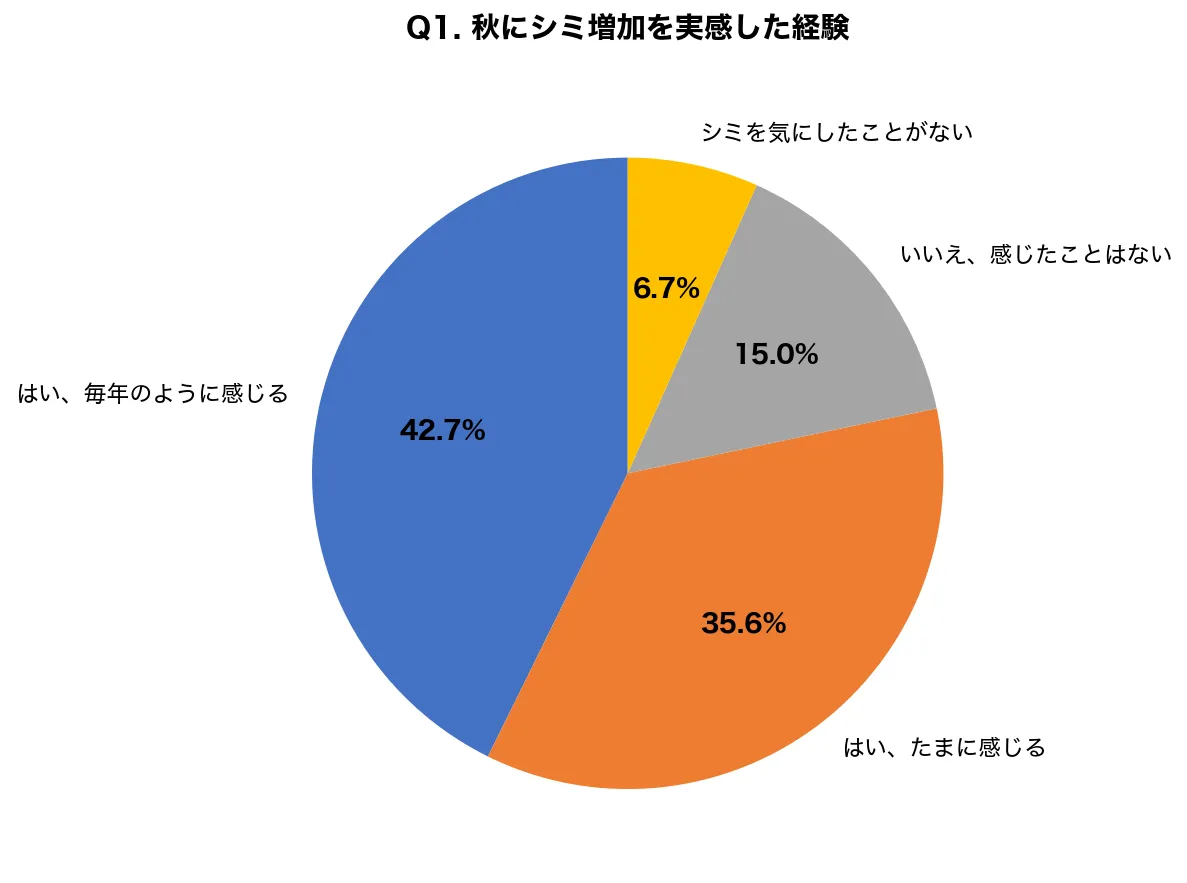
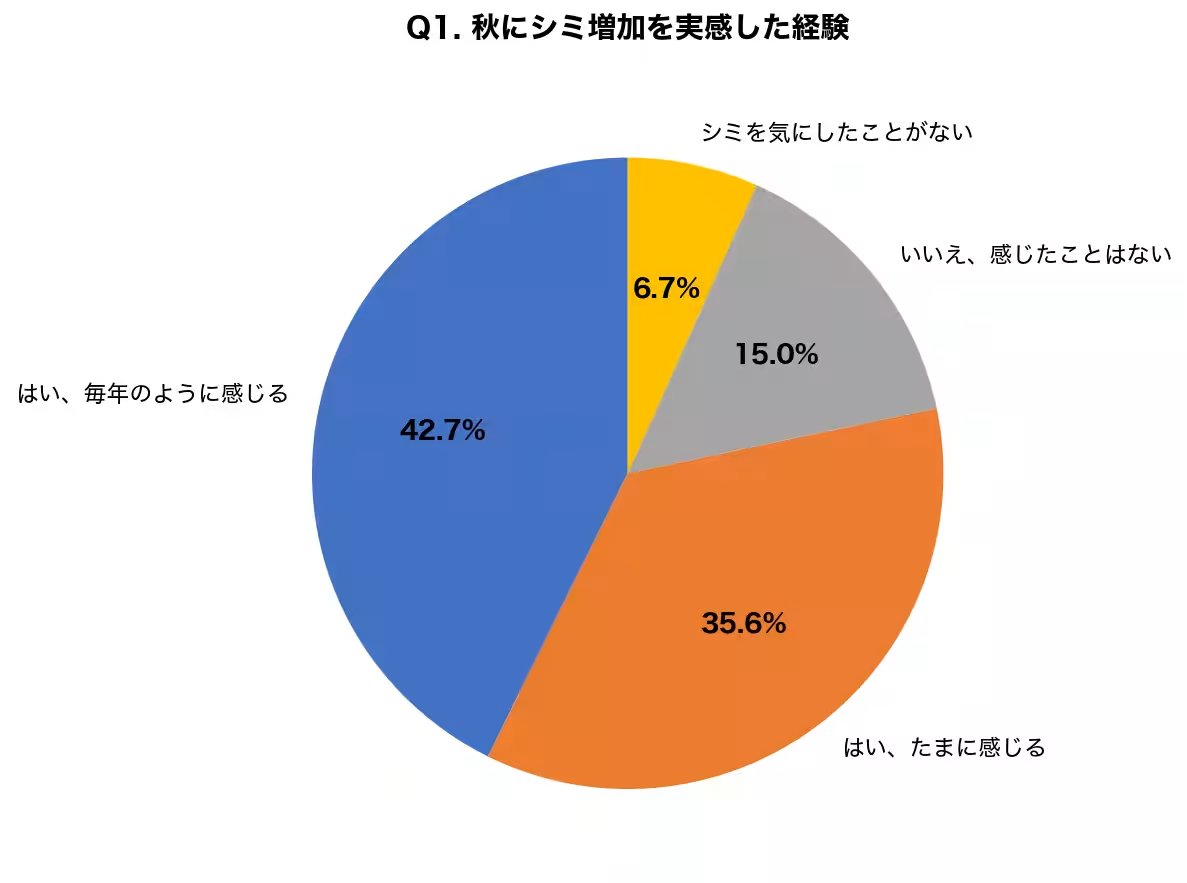
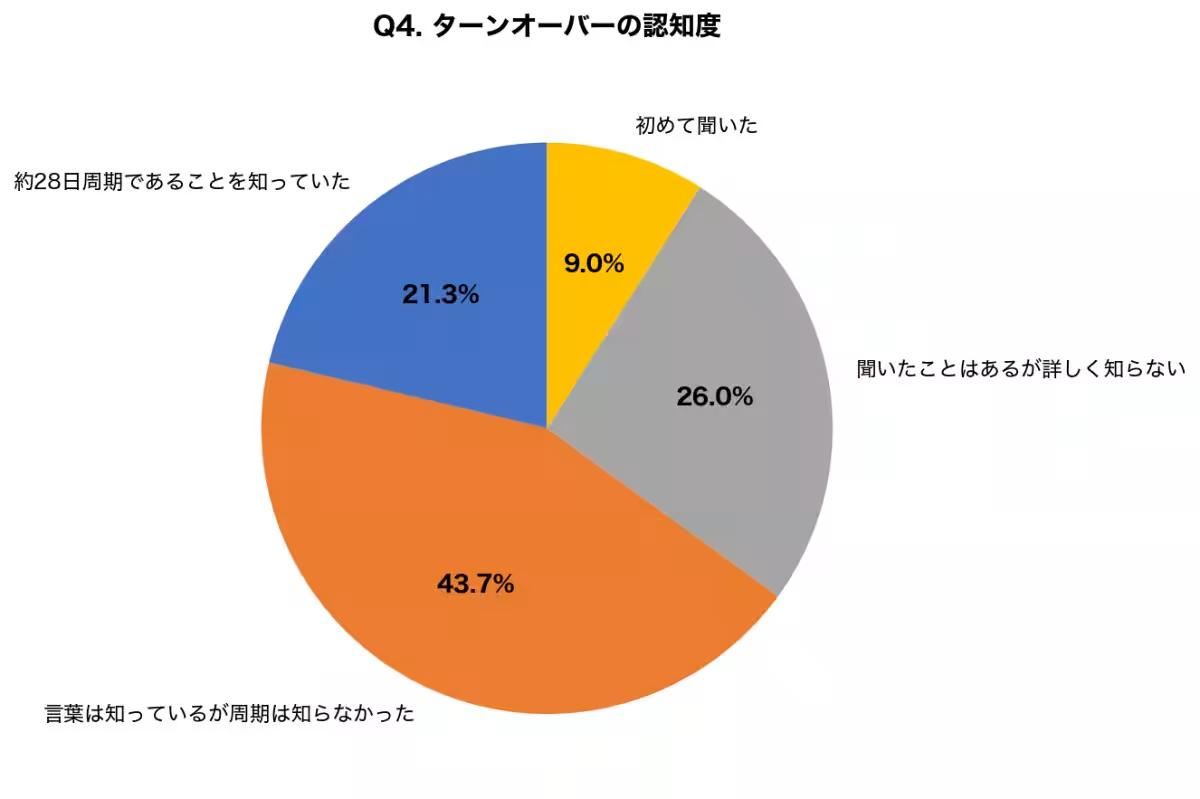
As summer comes to an end, dermatologists often see a significant rise in consultations regarding skin discoloration. A recent survey conducted by IC Clinic involving 300 participants aged 20-60 reveals that a staggering 78.3% of respondents have noticed an increase in skin spots following the summer months. This phenomenon is not merely a subjective observation; it is rooted in the biological process of skin turnover that takes approximately 28 days.
Survey Insights
The survey aimed to address misconceptions and real experiences related to summer sun exposure and its subsequent effects on the skin. Here are some key findings:
- - Autumn Skin Changes: 78.3% of respondents felt that skin spots become more pronounced in September. Many reported experiences of noticing these changes annually, indicating a recognition of the delayed effects of UV exposure.
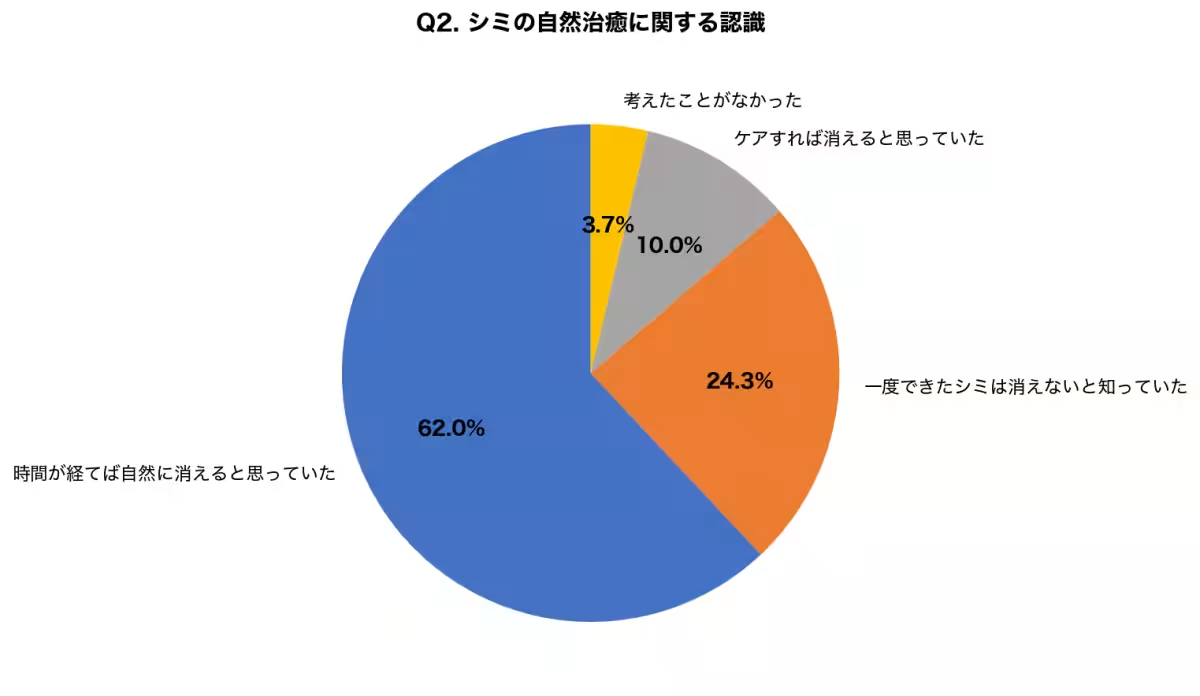
- - Myths About Natural Healing: Surprisingly, 62.0% erroneously believed that spots from summer sunburns would eventually fade on their own. This highlights a critical gap in understanding how skin regeneration works and the necessity of proactive care.
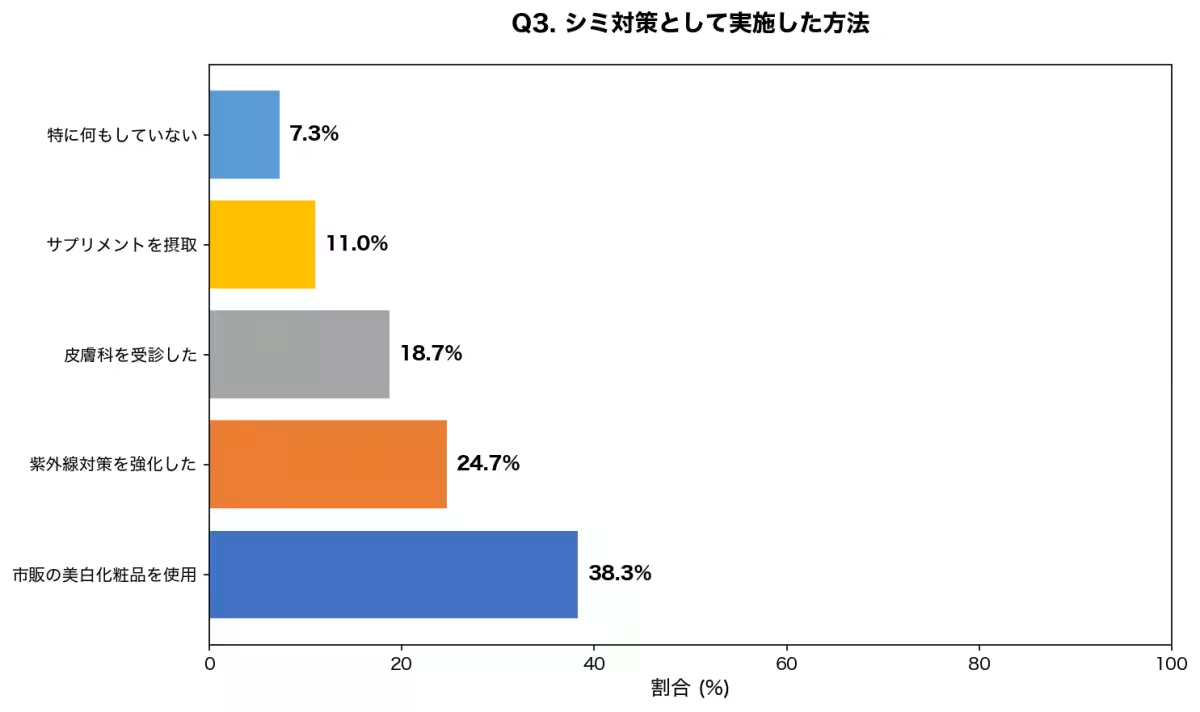
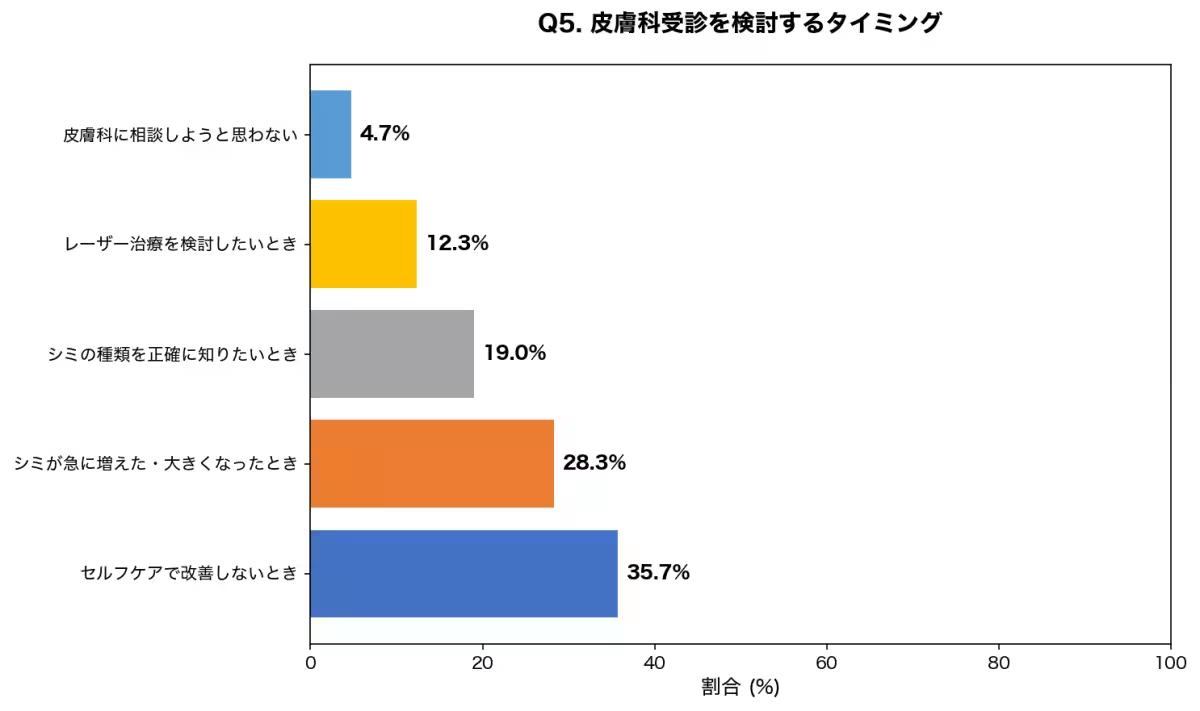
- - Underutilization of Dermatological Advice: Only 18.7% of the participants have sought professional skin assessments for their spots, revealing a strong reliance on over-the-counter products, which can be ineffective for established discolorations.
Understanding Skin Turnover
Skin turnover refers to the natural process where new skin cells are generated and old ones are shed, typically occurring every 28 days in youthful skin. As individuals age, this cycle can extend considerably—up to 55 days in some cases—resulting in a buildup of melanin, which can lead to dark spots or hyperpigmentation.
Why Summer Damage Appears in September
After significant UV exposure during July and August, the skin starts to present changes in September due to the time needed for processes within the skin to manifest visibly. Melanocytes, cells that produce melanin to protect the skin from UV rays, may overproduce melanin in response to prolonged sunlight, and it takes several weeks for the effects of this overproduction to surface on the skin. Hence, the complaints about suddenly increased spots in September are scientifically valid.
Types of Skin Discoloration
The survey also revealed varying types of discoloration:
- - Solar Lentigines: Commonly known as age spots, these are the result of cumulative UV exposure and are typically round, well-defined, and most noticeable in individuals over 40.
- - Melasma: Often associated with hormonal changes in women, particularly during pregnancy, melasma has less clear borders and presents symmetrically on the face.
- - Post-inflammatory Hyperpigmentation: Resulting from skin injury, like acne, these spots can appear at any age and may be associated with inflammation.
Recommended Care Approaches
Given the findings of this survey, here are three recommended steps that individuals should consider to mitigate the effects of summer UV exposure this fall:
1. Ongoing UV Protection: Continuous use of sunscreen is essential year-round, even in autumn and winter, as UV rays still affect the skin.
2. Incorporate Vitamin C: Using serums that contain Vitamin C derivatives can help to inhibit melanin production and promote turnover, aiding in spot reduction.
3. Consult a Dermatologist: Seeking professional evaluation is crucial. Early diagnosis can lead to appropriate treatments tailored to different types of discoloration, whether through topical prescriptions or procedures like laser treatments.
Conclusion
As September signals the time when summer damage becomes visible, it's crucial for individuals to adjust their skin care strategies accordingly. The survey has demonstrated a pressing need for education on skin-related issues arising from UV rays, urging individuals to prioritize ongoing protective measures and professional consultations. This knowledge could empower people to actively engage in preventing and addressing skin discoloration effectively.
Concerns about sudden changes in skin spots, including increased size or color variations, should be communicated with a healthcare provider promptly, as these signs can indicate deeper health issues. Therefore, proactive engagement in skincare is not just beneficial; it's essential for maintaining long-term skin health.
Medical Expert Insight
Dr. Kota Takakuwa, a dermatologist at IC Clinic, stresses that understanding the biological mechanisms behind skin changes is imperative. He recommends that individuals should not wait for conditions to worsen but seek treatment early to prevent long-term damage. With over 15 years of experience, he emphasizes that while at-home care is beneficial, professional assessments are invaluable for effective treatment planning.
Final Thoughts
Understanding the relationship between seasonal changes and skin health is vital. As misconceptions persist, continuous education and awareness campaigns are needed to encourage timely medical consultations and effective care strategies to keep skin healthy year-round.
Topics Health)






【About Using Articles】
You can freely use the title and article content by linking to the page where the article is posted.
※ Images cannot be used.
【About Links】
Links are free to use.