



Global Cyber Attack Surge in Q2 2025: A Deep Dive into the Alarming Trends
Global Cyber Attack Surge in Q2 2025
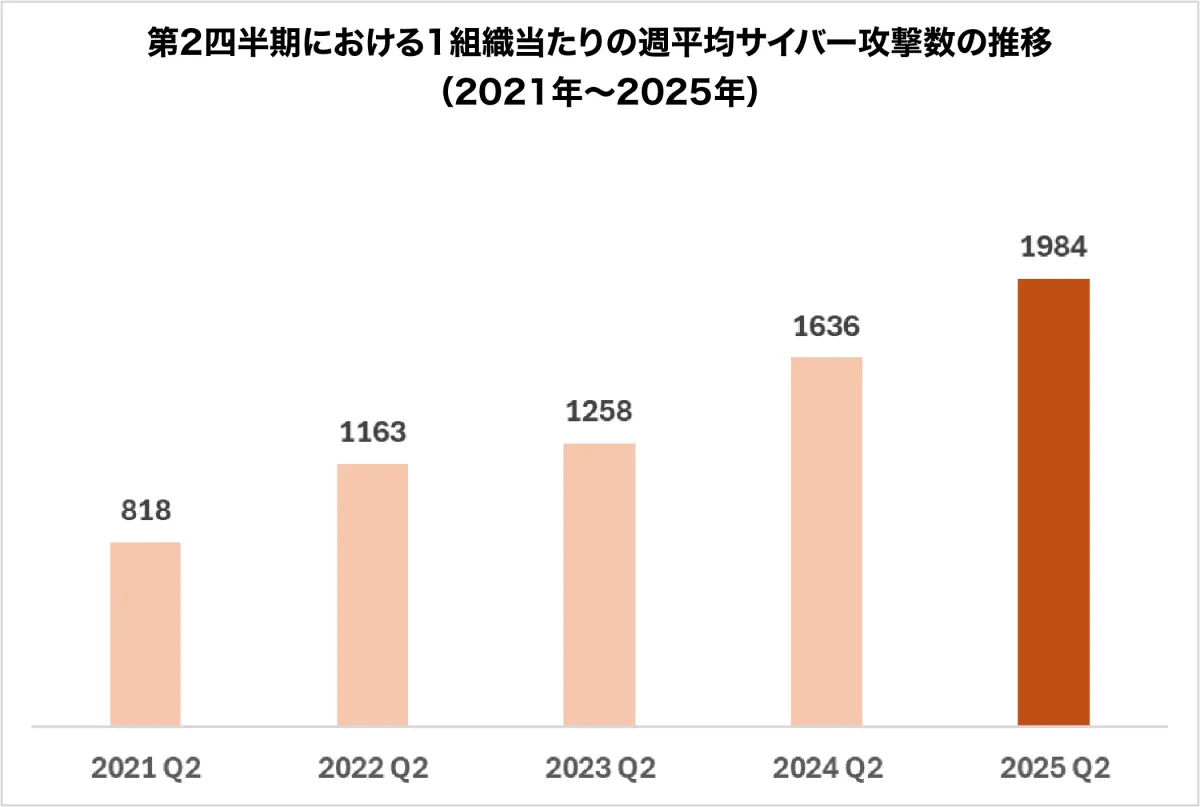
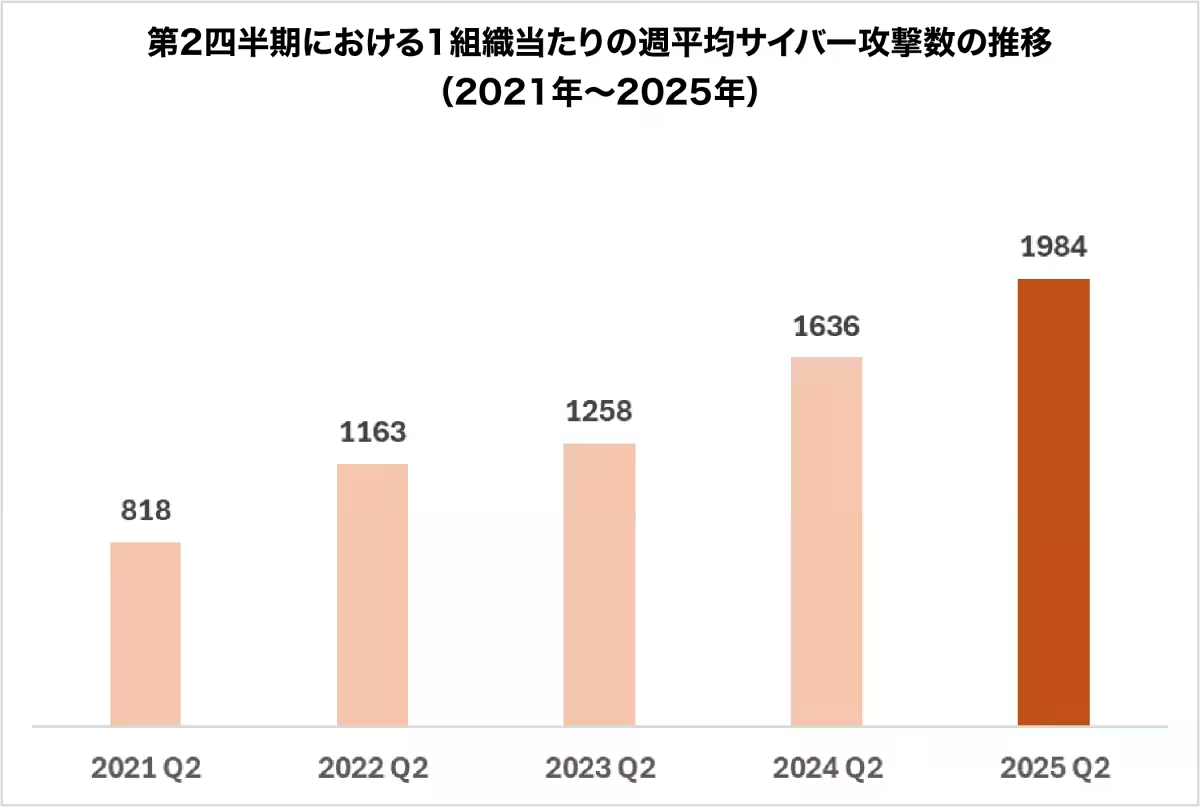
Check Point Research has recently published its Global Cyber Attack Report for the second quarter of 2025, revealing alarming statistics that underscore the escalating threat landscape in today's digital world. According to the report, the average number of cyber attacks per organization worldwide has reached a staggering 1,984 per week, reflecting a 21% increase compared to the same period last year and a dramatic 58% increase over the past two years. This upward trend shows no signs of slowing, calling for urgent attention to the evolving nature of cyber threats.
Key Findings from Q2 2025
The report highlights several critical points that demand attention:
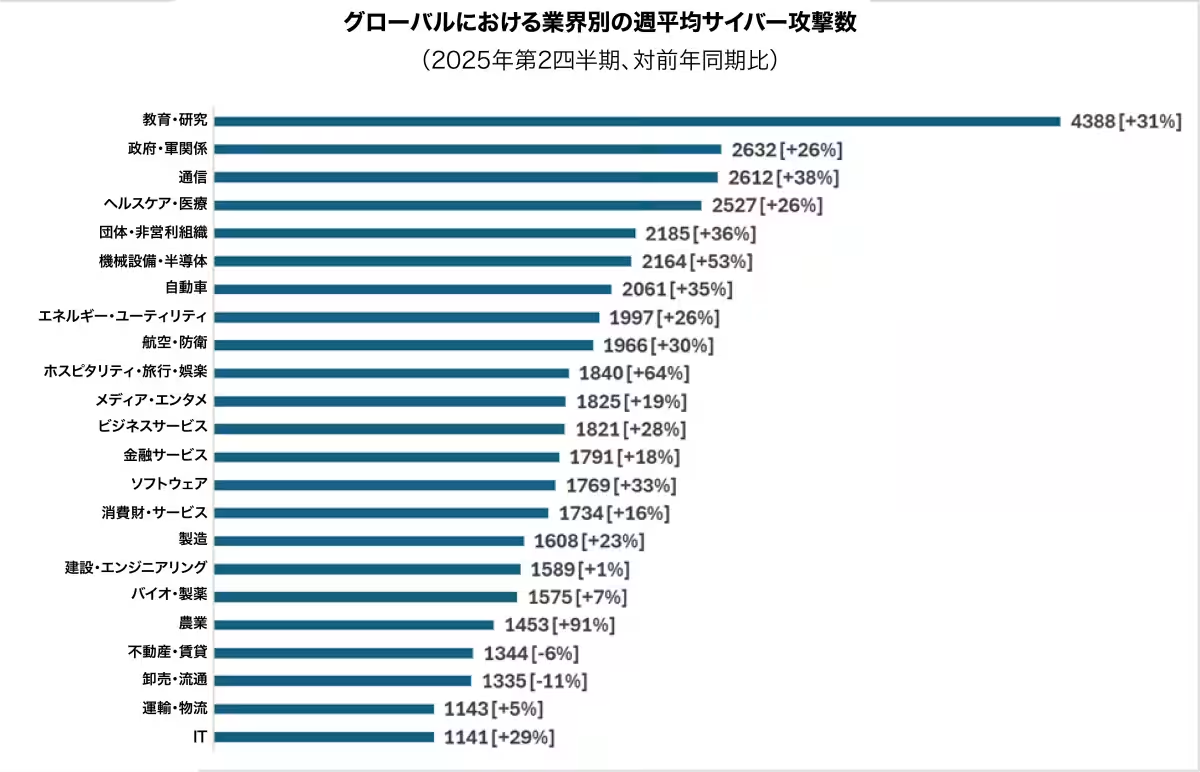
- - Cyber attacks on organizations have seen a consistent rise, particularly in the education and research sectors, which reported an average of over 4,300 cyber attacks per organization per week, more than double the global average.
- - Europe has recorded the highest increase in attack rates, with a 22% increase from the previous year, making it a central focus for cybercriminals.
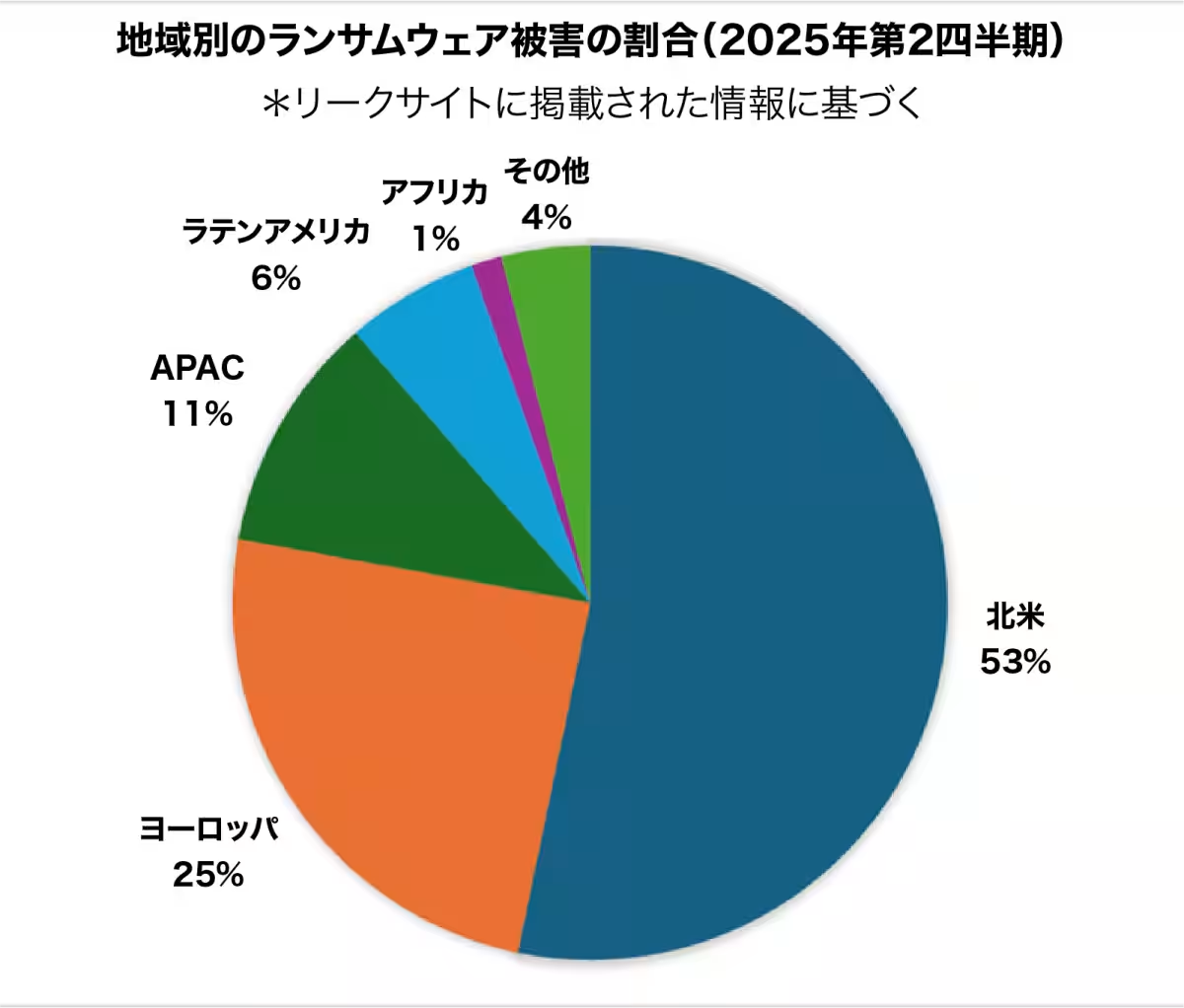
- - Ransomware activities remain alarmingly high, especially in North America, which accounted for 53% of reported incidents, followed by Europe with 25%.
Shifting Focus in Cyber Targets
By analyzing data collected through Check Point's ThreatCloud AI platform—utilizing over 50 AI engines that interface with more than 150,000 networks and millions of endpoints—CPR has gathered intelligence on the shifting focus of cyber attacks across various sectors:
1. Education and Research: The most targeted sector with an average of 4,388 attacks per organization, representing a 31% increase.
2. Government and Military: A significant target with an average of 2,632 attacks, up 26%.
3. Telecommunications: This vital infrastructure sector has seen a 38% increase in cyber attacks, tallying an average of 2,612 attacks per organization.
The increase in attacks on the education sector highlights the persistent pressure attackers exert on organizations grappling with budget constraints that hinder adequate security measures. Additionally, governments remain attractive targets due to the sensitive nature of their data and the potential geopolitical consequences of attacks.
Geographic Disparities in Cyber Threats
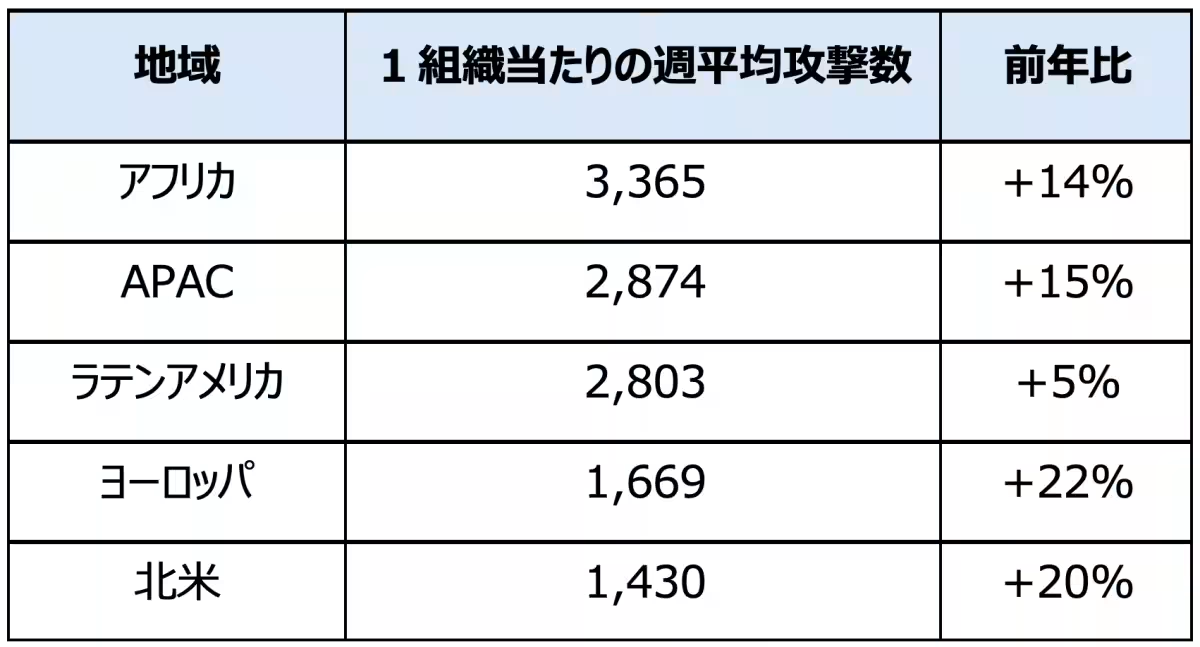
On a regional basis, the average number of cyber attacks per organization varies significantly:
- - Africa: 3,365 attacks per week (up 14%).
- - APAC: 2,874 attacks (up 15%).
- - Latin America: 2,803 attacks (up 5%).
Although Europe did not make the top three in the raw number of attacks, it recorded the highest increase rate globally at 22%. This indicates rising cyber threat activities in the region, where attackers exploit geopolitical tensions and fragmented regulations, while eyeing highly valuable data concentrated in the area.
Ransomware Trends and Impacts
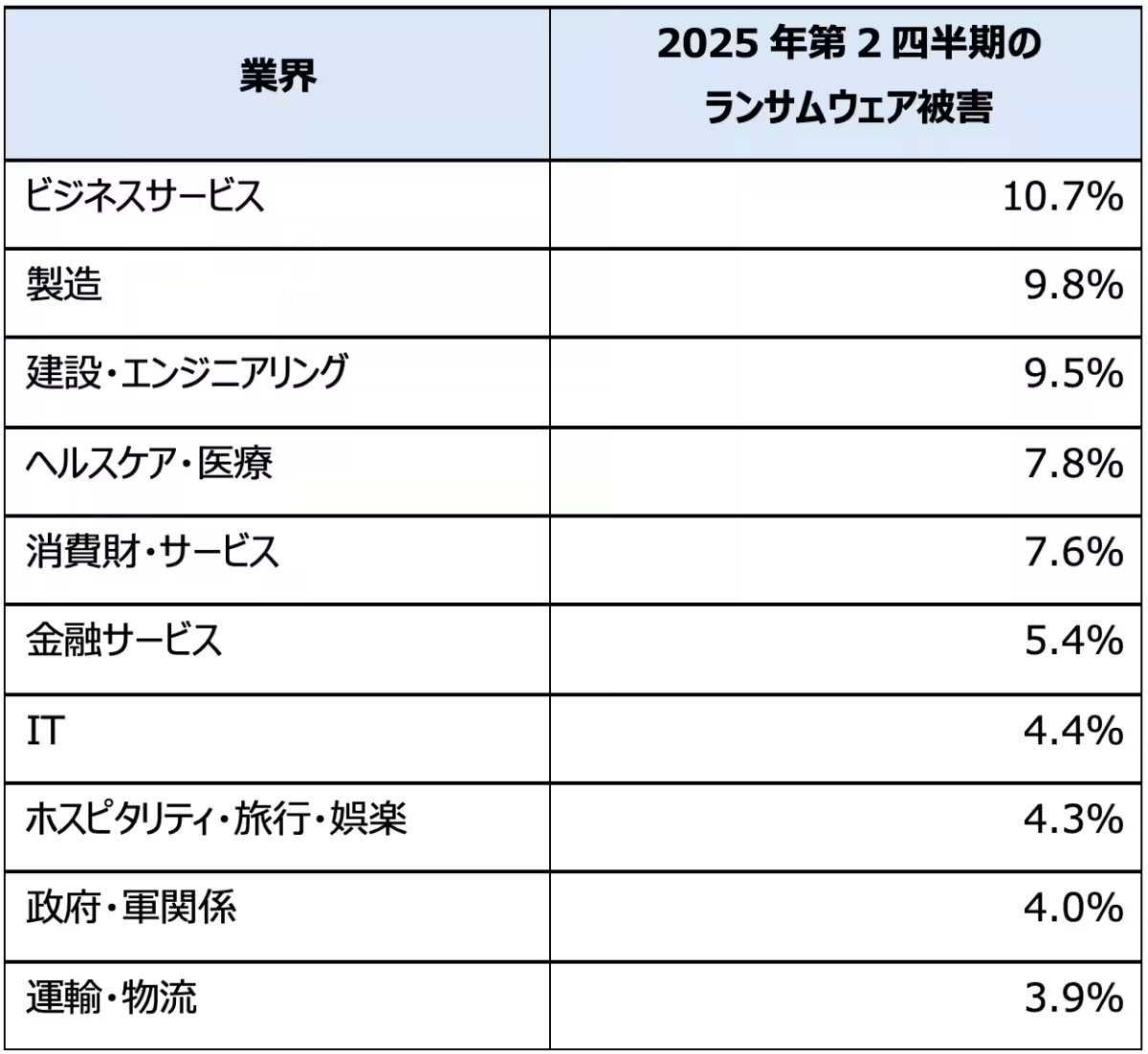
The data reveals that approximately 1,600 ransomware incidents were reported globally in Q2 2025. The impact of ransomware remains widespread, showing a particular effect on sectors like business services, manufacturing, and construction. The breakdown of ransomware incidents by region shows that North America is most affected, with 53% of the total, highlighting the pervasive threat organizations face today.
Future Directions and Recommendations
As the cyber threat landscape continues to evolve, organizations must implement proactive measures rather than reactive ones. Key recommendations include:
- - Invest in Threat Prevention: Utilize advanced security technologies such as Intrusion Prevention Systems and ransomware protection tools to block attacks before they occur.
- - Enhance Endpoint and Network Defense: Strengthening defenses through robust firewalls and email security to reduce attack surfaces.
- - Boost User Awareness: Engage in regular training and simulated phishing exercises to improve employee vigilance.
- - Prepare for Backups and Recovery: Regularly test recovery processes to minimize downtime in case of ransomware or other disruptions.
- - Adopt Zero Trust Principles: Continuously verify access permissions and segment networks to limit lateral movement during an attack.
- - Stay Informed: Monitor threat intelligence feeds and alerts from the industry to anticipate potential new threats.
While no single solution can eliminate all cyber risks, deploying multiple layers of collaborative defense greatly enhances organizational resilience. This approach minimizes the likelihood of successful attacks while reducing their impact. Stay updated on the evolving threat landscape and proactive defenses by visiting the CPR website for more insights.
Conclusion
As organizations navigate an increasingly complex cyber landscape, understanding the nuances of cyber threats and implementing strategic defenses becomes critical. The stakes are high, and the insights provided by Check Point Research are indispensable for adapting to and mitigating these risks effectively. For more information, visit the Check Point Research blog.
Topics Other)
【About Using Articles】
You can freely use the title and article content by linking to the page where the article is posted.
※ Images cannot be used.
【About Links】
Links are free to use.