



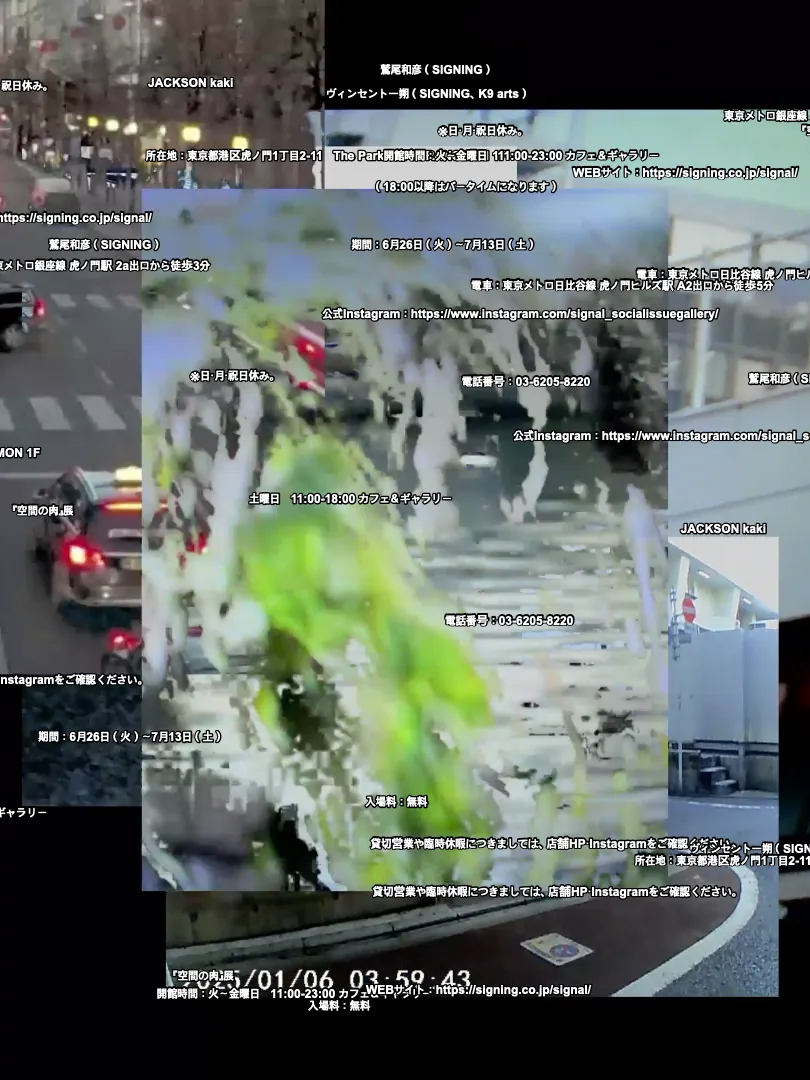
Exploring the Intersection of Urban Identity and Art at the 'Space of Flesh' Exhibition
Exploring the 'Space of Flesh' Exhibition
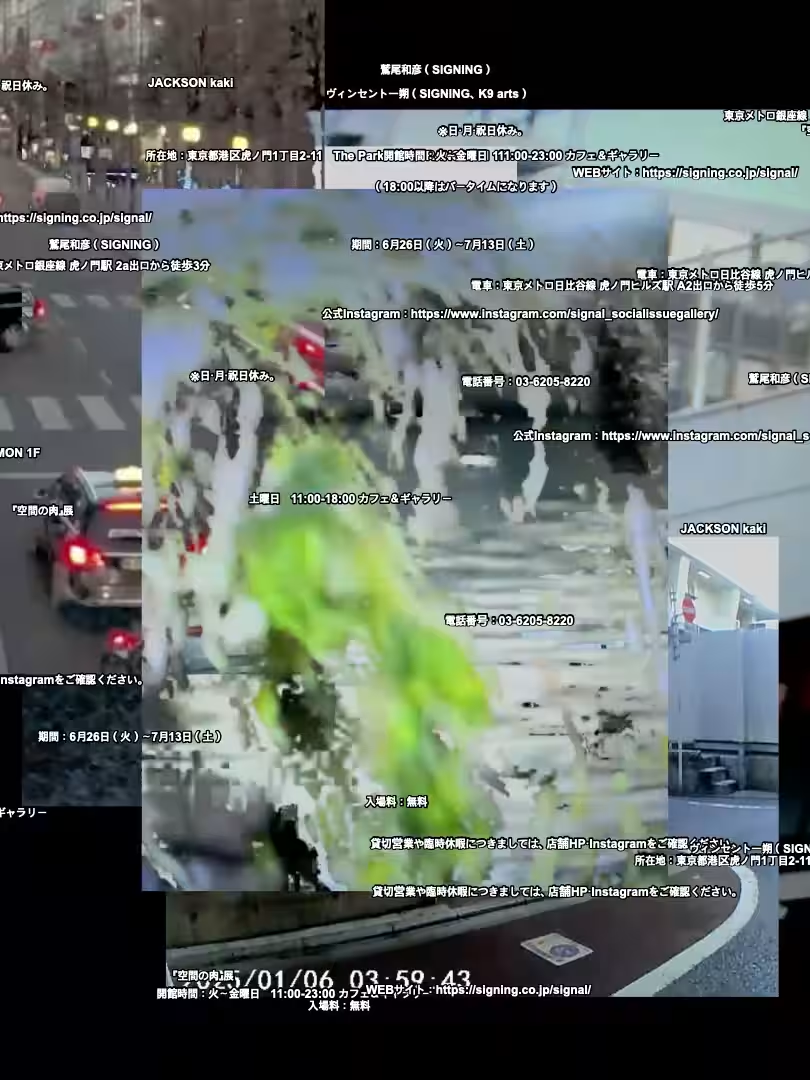
The 'Space of Flesh' exhibition, a collaboration between the social design company SIGNING and multimedia artist JACKSON kaki, opens on June 16 at SIGNAL in Toranomon, Tokyo. This event, part of Signature Exhibition vol.18, reexamines urban identity through a creative lens, specifically referencing the 'iBASHO REPORT' research project.
Overview of the Exhibition
The exhibition is born from a collaborative research initiative involving SIGNING, Yomiuri Advertising, and the Environmental Planning Institute, all of which focus on critical aspects of urban life. After the pandemic, our understanding of what constitutes a space, especially 'places of belonging', has transformed significantly. This exhibition delves into the concepts of identity, questioning how we categorize ourselves in relation to others and the broader community.
Through mediums such as VR, AR, 3D graphics, video, and performance, JACKSON kaki seeks to explore the relationship between our bodies and technology, reinterpreting urban spaces that are continuously changing. Specifically, he addresses the gentrification and concealment of identity within Tokyo's evolving landscape. By engaging with the visceral aspects of these urban changes, the exhibition asks crucial questions about where our digital identities fit in the physical world.
The Artist's Perspective
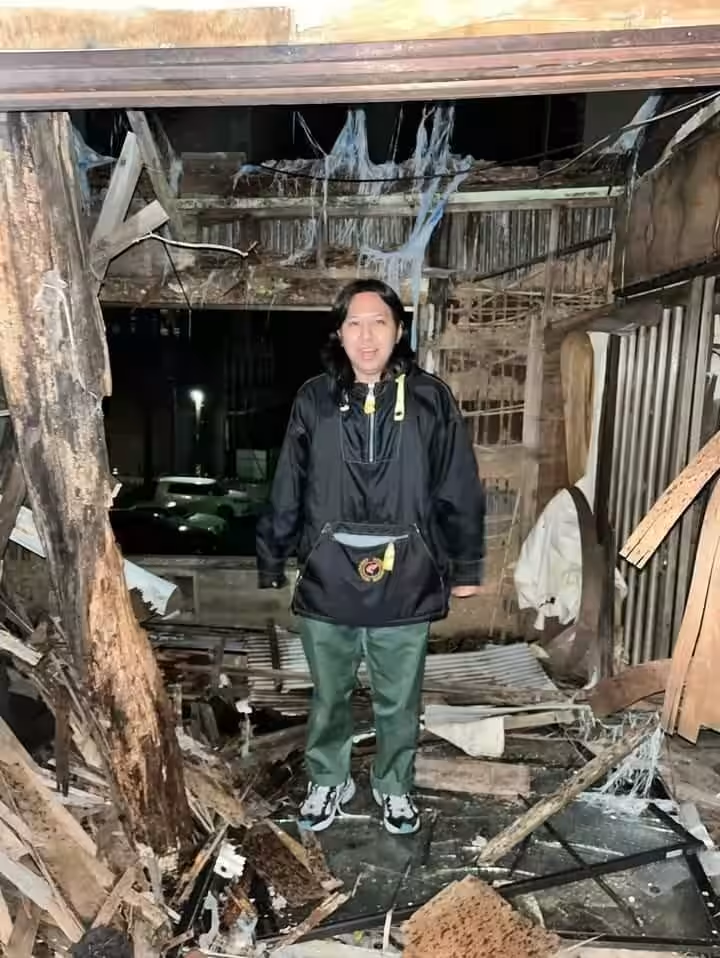
Walking through Tokyo, one cannot ignore the rapid transformation of the city. Redevelopment projects constantly reshape our environment, and once familiar spaces can seem unrecognizable. However, for artist JACKSON kaki, this flux does not instill a sense of belonging. He reflects on the lack of attachment he feels, even towards his hometown of Shizuoka. This sense of dislocation fuels his art, which finds reality within the flow of information that dominates our lives. While critics may dismiss this information as fleeting, kaki believes it holds clues to understanding contemporary society and our physical selves.
Kaki’s work intertwines physical and digital realities, observing the metamorphoses of urban society through performance and media art. 'Space of Flesh' dialogues with his earlier exhibition, 'Desiring City', broadening the discussion surrounding bodies, cities, and information. This multifaceted exhibition probes deeper into the quality of information filling our urban spaces.
Featured Works
The centerpiece of the exhibition is a new performance piece integrating Apple Vision Pro with an installation. Starting from the concept of where our bodies exist within urban spaces, it challenges our perceptions of the quality of information we encounter daily. Kaki will also showcase several new video works and AR installations.
Kaki's goal is to redefine how we perceive the information that flows around us, assessing its implications on our physical presence in the city. This refreshing inquiry into the relationship between urban environments and our bodies is presented through a unique artistic lens that encourages attendees to contemplate their own existence and identity.
Events and Engagement
Alongside the exhibition, several events will provide opportunities for further exploration. Highlights include:
- - Opening Talk Show: Featuring JACKSON kaki and guest speakers, discussing urban spaces and identities, scheduled for June 19, from 18:00-20:00.
- - Urban Observation Workshops: Conducted by kaki, aimed at observing redevelopment spaces, planned for July 3 in both afternoon and evening sessions.
- - Special Discussion on Urban Time and Space: A dialogue between kaki and developers, details of which will be announced in July.
Exhibition Details
- - Duration: June 16 - July 25
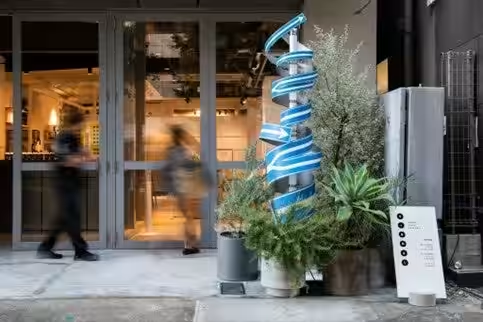
- - Location: The ParkRex TORANOMON 1F, 1-2-11 Toranomon, Minato, Tokyo
- - Admission: Free
- - Hours: Tuesday to Friday 11:00-23:00; Saturday 11:00-18:00;
To keep up with the latest updates and event information, check the official website or the gallery's Instagram.
In conclusion, 'Space of Flesh' pushes the boundaries of how art can enable us to navigate and understand the continuously shifting nature of our urban identities. It invites all to participate in a critical conversation about belonging, technology and the future of our cities.
Topics Entertainment & Media)




【About Using Articles】
You can freely use the title and article content by linking to the page where the article is posted.
※ Images cannot be used.
【About Links】
Links are free to use.