



Stresses from Popup Ads in Online Shopping: Users Demand Better UI for a Seamless Experience
The Impact of Popups on Online Shopping
In today’s digital age, online shopping via smartphones has become a standard practice for consumers aged 20 to 50. However, a recent survey conducted by Scinable Inc., a company providing integrated marketing automation and CRM solutions, revealed that more than 80% of users experience significant stress due to intrusive popup ads while shopping online. The study, which targeted users in Japan, highlights critical issues regarding user interface design that could affect consumer buying behavior.
The Frequency of Online Shopping
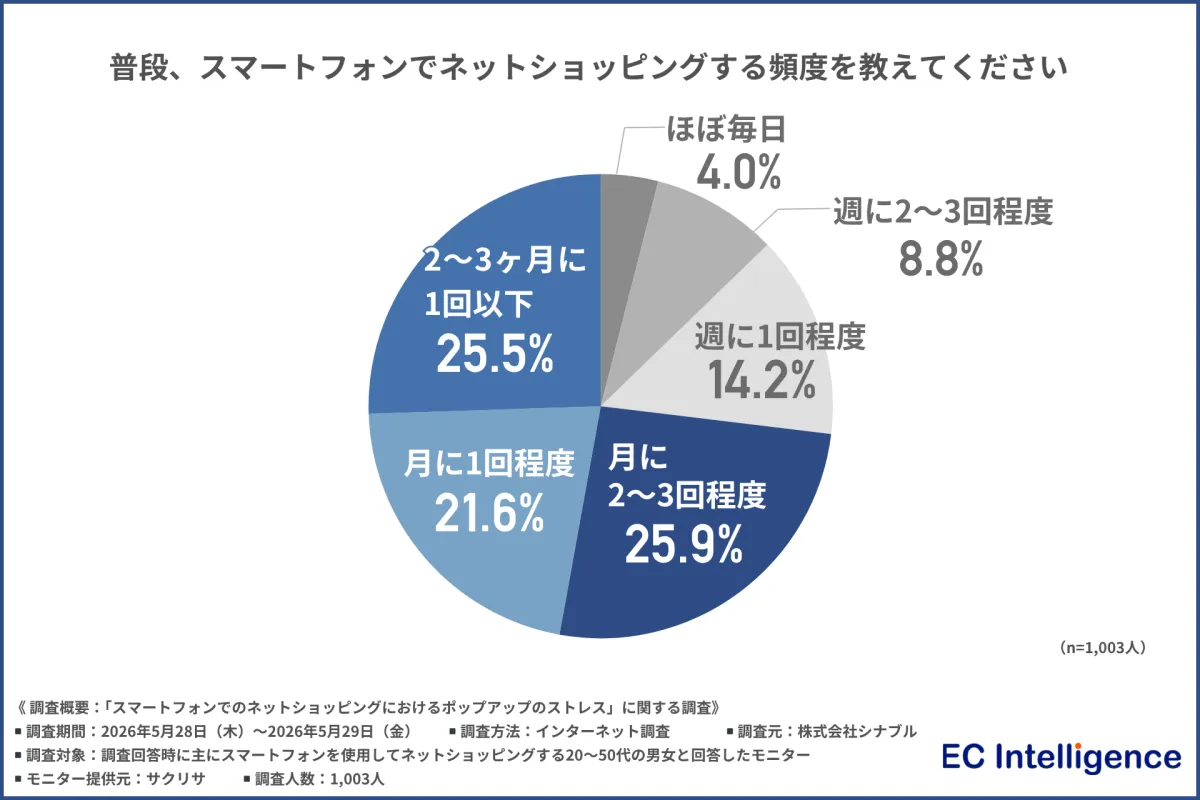
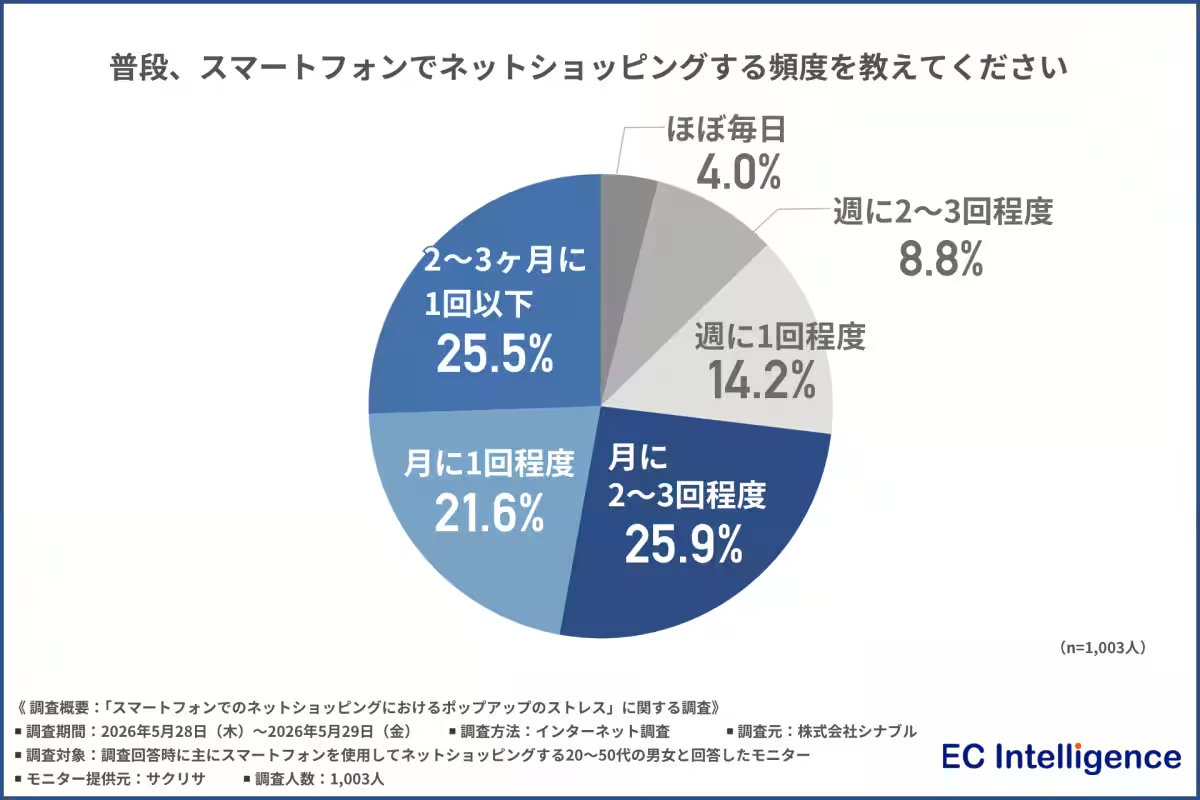
The survey found that approximately 70% of respondents shop online at least once a month, with the majority indicating they encounter popup ads during their shopping experience. These popups often interrupt the purchasing process, frustrating users and potentially hindering their willingness to complete transactions.
Stress Induced by Unwanted Popups
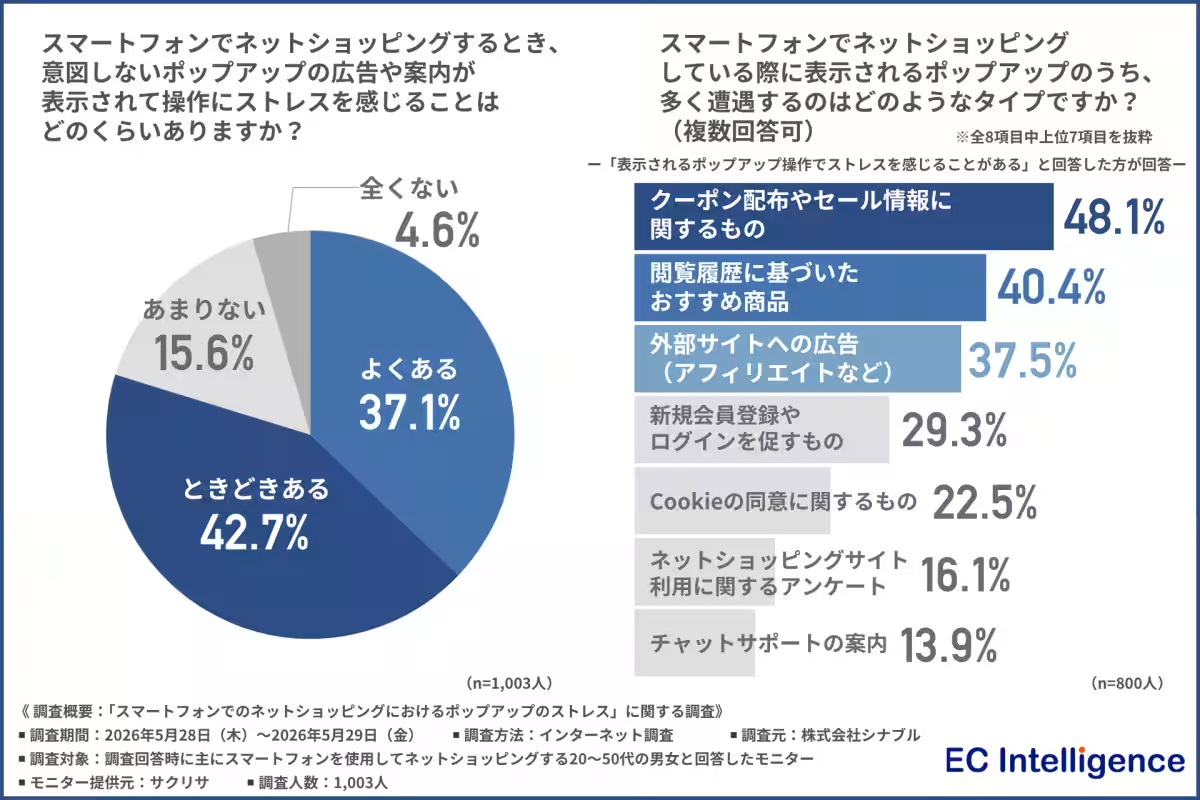
When asked about their experiences with unwanted popups, nearly 80% of participants reported feeling stressed due to these interruptions. Specifically, respondents highlighted several types of popups that detracted from their behavior, including those promoting discounts and sales (48.1%), product recommendations based on browsing history (40.4%), and advertisements for external sites (37.5%). This suggests that while businesses aim to drive sales through targeted promotions, they often overlook the negative impact these ads have on user experience.
User Frustration with Popup Design
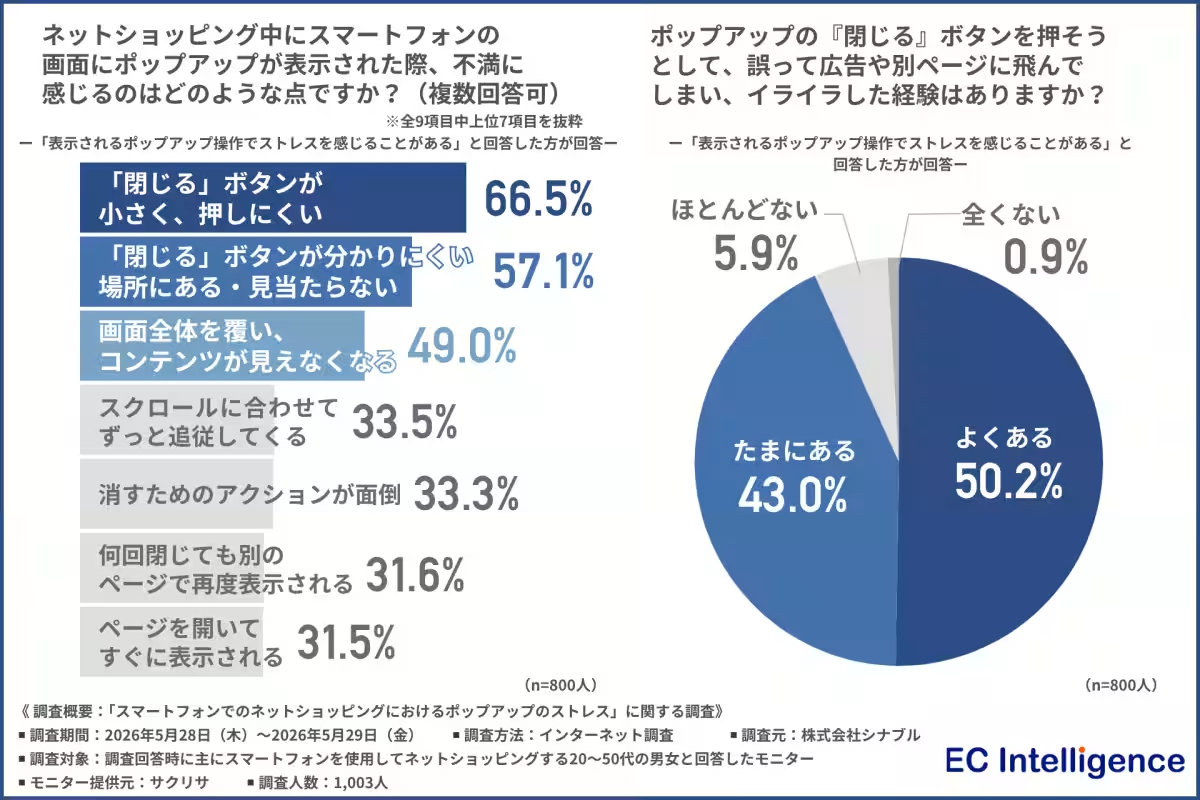
The survey further explored the specific aspects of popups that users found most frustrating. Over 66% of respondents indicated that small and hard-to-press 'close' buttons were a major concern. Additionally, 57.1% found the positioning of these buttons often confusing, and 49% noted that full-screen popups obstructed content visibility. These findings reveal that the design of popups often leads to unintended clicks and interruptions, driving users away from their intended actions when purchasing.
Adverse Effects on Purchasing Decisions
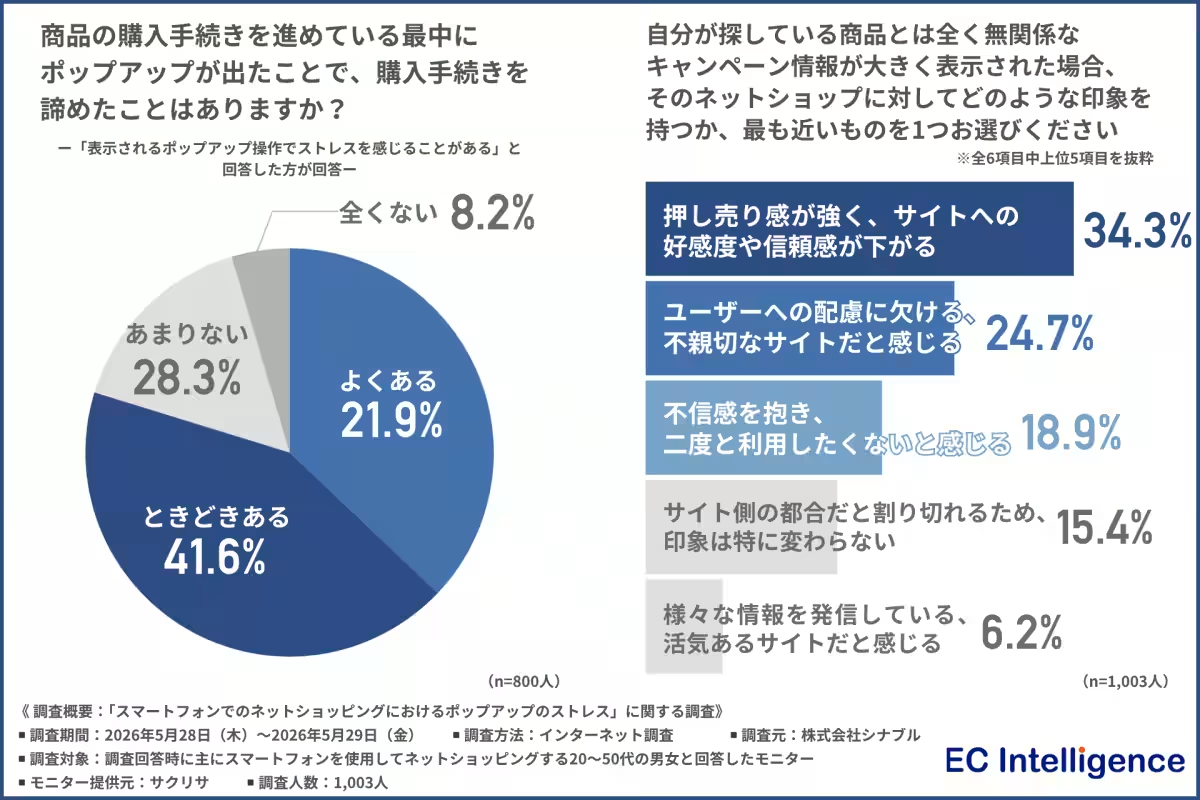
Interestingly, about 60% of users reported that they abandoned their shopping carts due to popups appearing during the payment process. This alarming statistic indicates that poorly designed popups can lead directly to lost sales opportunities. The overwhelming majority of respondents acknowledged a correlation between frustrating popup experiences and their overall impressions of the online shopping sites they visited.
Impact on Brand Perception
The negative experiences related to popup ads extend beyond immediate frustration; they can also affect long-term brand perception. Participants indicated that irrelevant campaign notifications lead to decreased trust and affinity towards the brand. Over 34% of participants noted feeling that these experiences created a 'hard-sell' atmosphere, diminishing their trust in the site. This signifies that excessive popups not only disrupt the shopping experience but also drive customers away from brands they previously engaged with.
The User's Call for Improvement
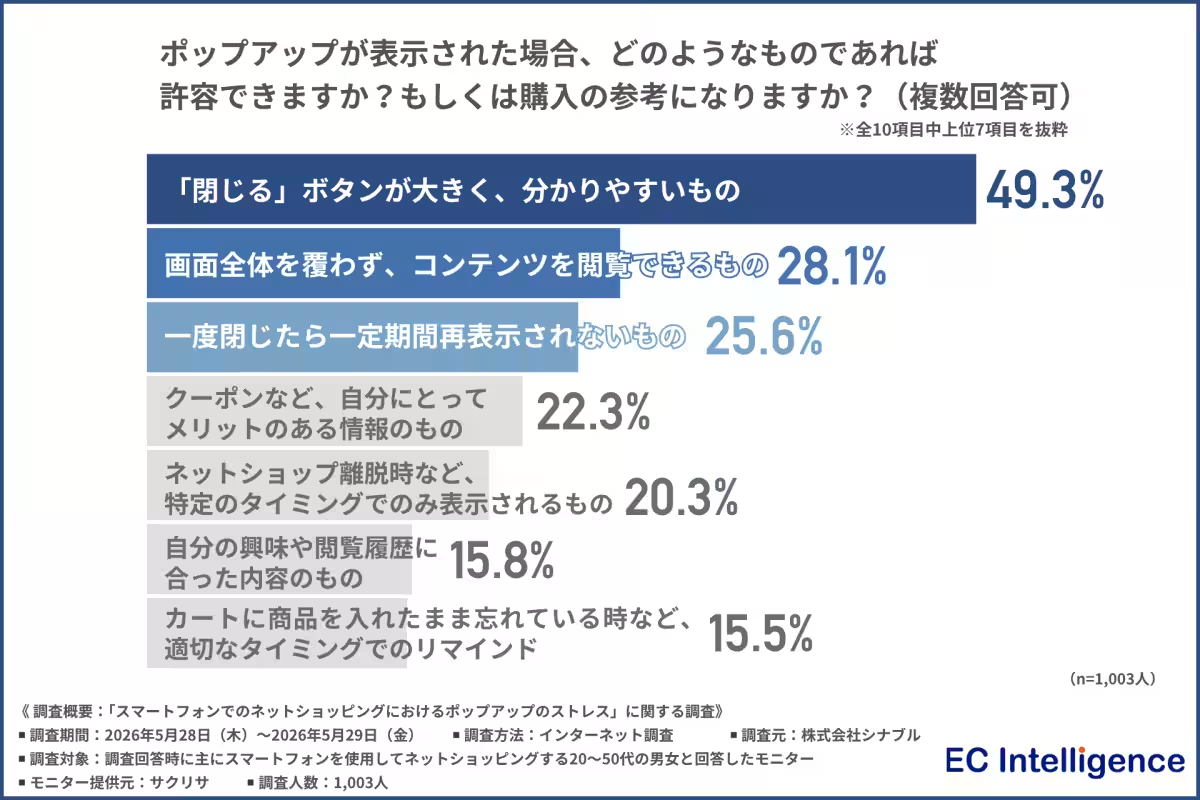
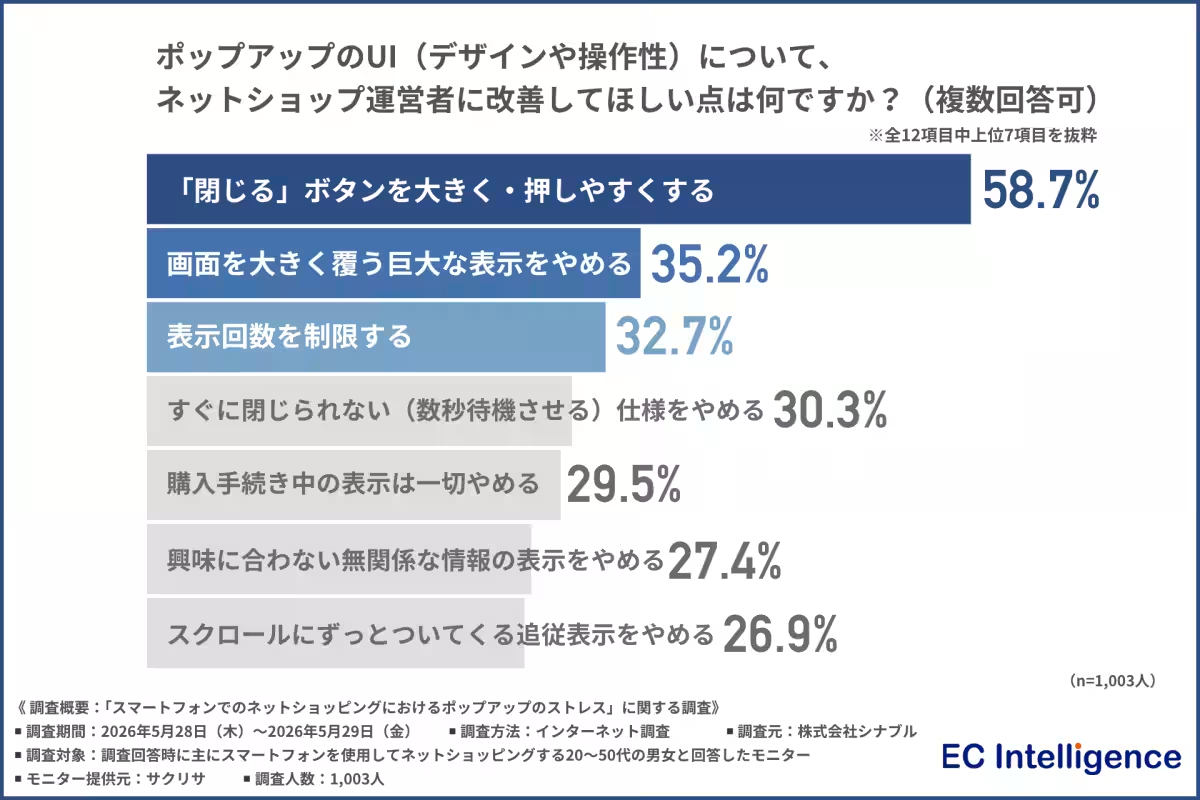
When prompted about what improvements they desired from online retailers regarding popup ads, nearly 50% of users suggested making the 'close' button larger and more prominent. The study showed a significant preference for popups that do not obscure content and that remain relevant to users' interests and shopping behaviors.
Towards a Better Online Shopping Experience
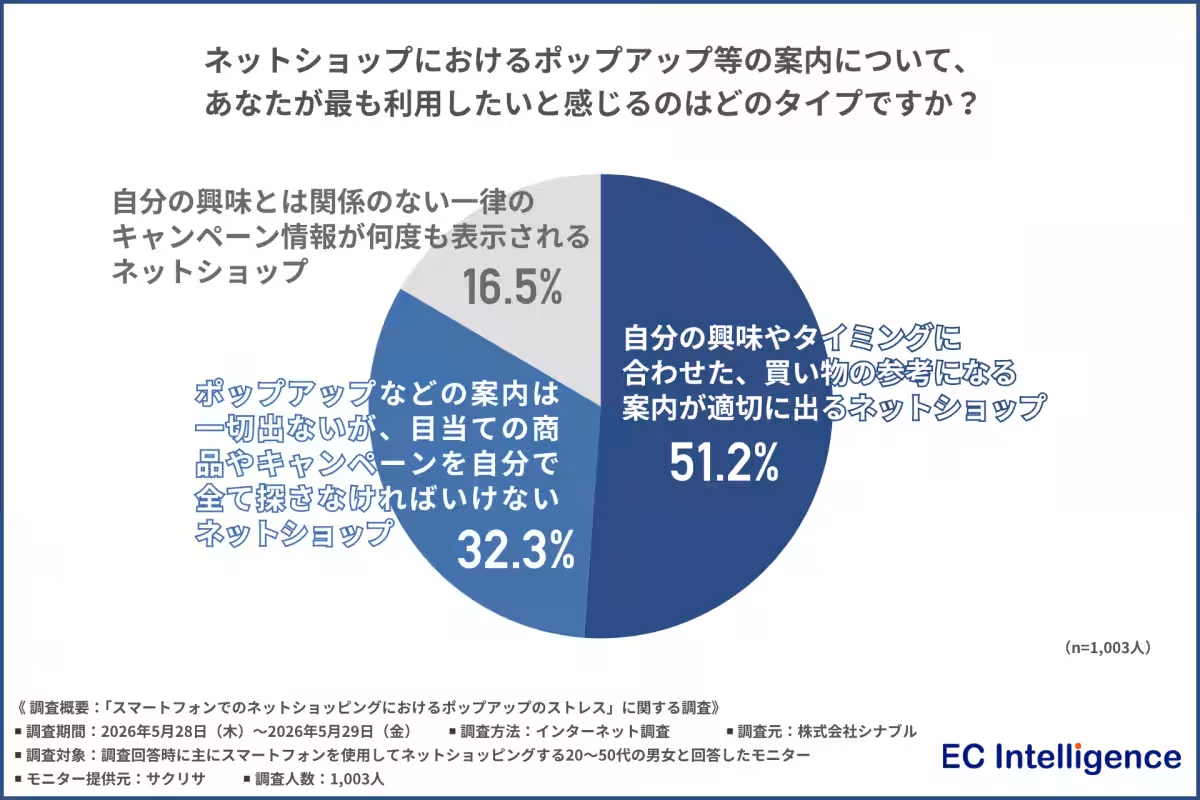
The findings clearly demonstrate that there is a pressing need for online retailers to reassess their approach to popup ads. An overwhelming majority of users (over 58%) expressed a desire for popups that feature clear 'close' buttons and that do not disrupt their shopping activities. Moreover, over 51% of participants indicated that they would prefer popups that align with their personal interests and shopping timelines, rather than disjointed promotions that bear no relevance.
This evolution in user expectations highlights a growing trend where consumers seek a more pleasant shopping experience that respects their preferences and streamlines their purchasing journeys.
In conclusion, retailers looking to enhance their online shopping platforms must pay greater attention to user experience, specifically the need for effective UI design and relevant customer engagement strategies to minimize distractions and improve overall satisfaction. The ultimate goal should be to create an enjoyable online shopping experience that fosters customer loyalty and drives sales conversions without alienating users with intrusive popup ads. As online shopping continues to grow, emphasizing user-friendly interfaces will become essential in retaining and attracting customers in an increasingly competitive digital marketplace.

Topics Consumer Products & Retail)
【About Using Articles】
You can freely use the title and article content by linking to the page where the article is posted.
※ Images cannot be used.
【About Links】
Links are free to use.