




Exploring the Latest Trends in Home AI Robots: A Market Worth 10.6 Billion Yen in 2024
Exploring Home AI Robots: A Market on the Rise
In recent years, home AI robots have become a significant topic of discussion. Seed Planning, a company based in Bunkyo, Tokyo, has been closely monitoring the evolution of communication robots since 2018. Their recent findings reveal that the market size of home AI robots is anticipated to reach an impressive 10.6 billion yen in 2024, underlining the substantial growth potential in this sector.
Background of the Research
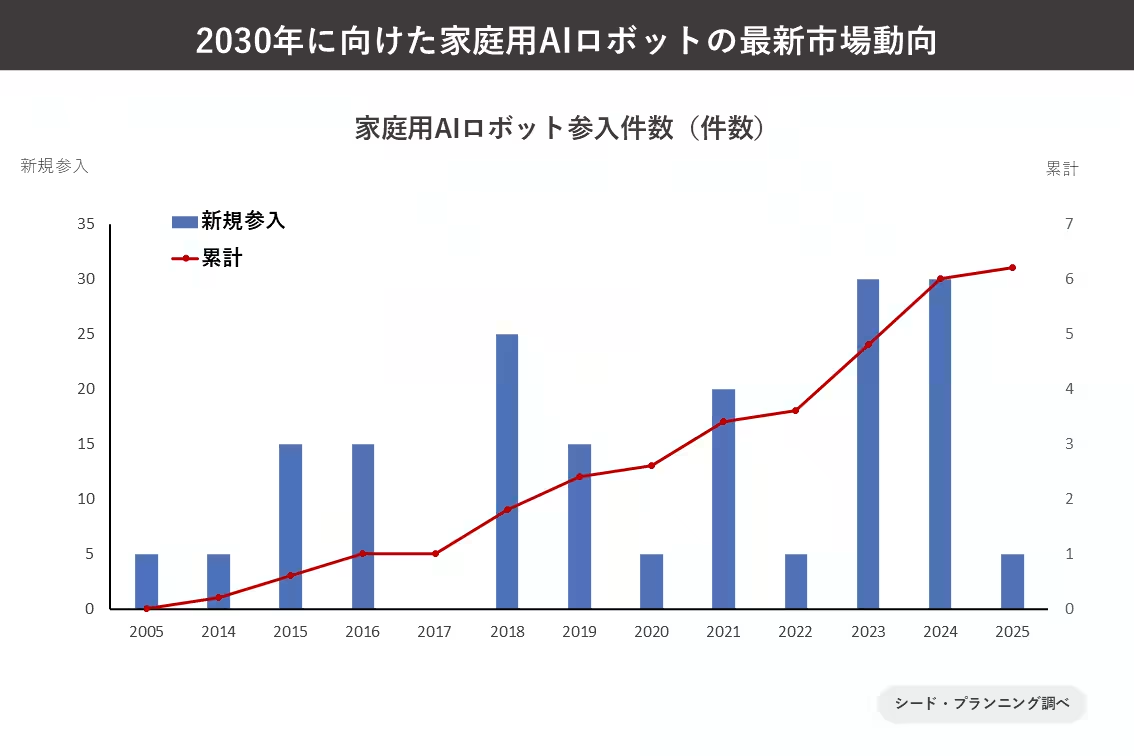
When Seed Planning commenced its analysis in 2018, there were over 60 different communication robots introduced in Japan. By 2023, however, that number showed a decline, signaling a shift in the market landscape. With the rise of generative AI, home robots are evolving in their design and functionality to better connect with users. Features such as touch, movement, sound, and conversation are being refined to create robots that are more attuned to human interaction.
These robots are often described as 'IoT devices' equipped with sophisticated sensors and AI capabilities that can seamlessly integrate into household environments. The expectation is that advancements in this field will contribute significantly to the smart home trend, making daily life more comfortable and efficient.
Key Findings of the Research
- - Future of Service Robots: The transition of service robots since the 2000s highlights potential growth towards 2030.
- - Scope and Analysis of Home AI Robots: A comprehensive look into the definition and current state of home AI robots.
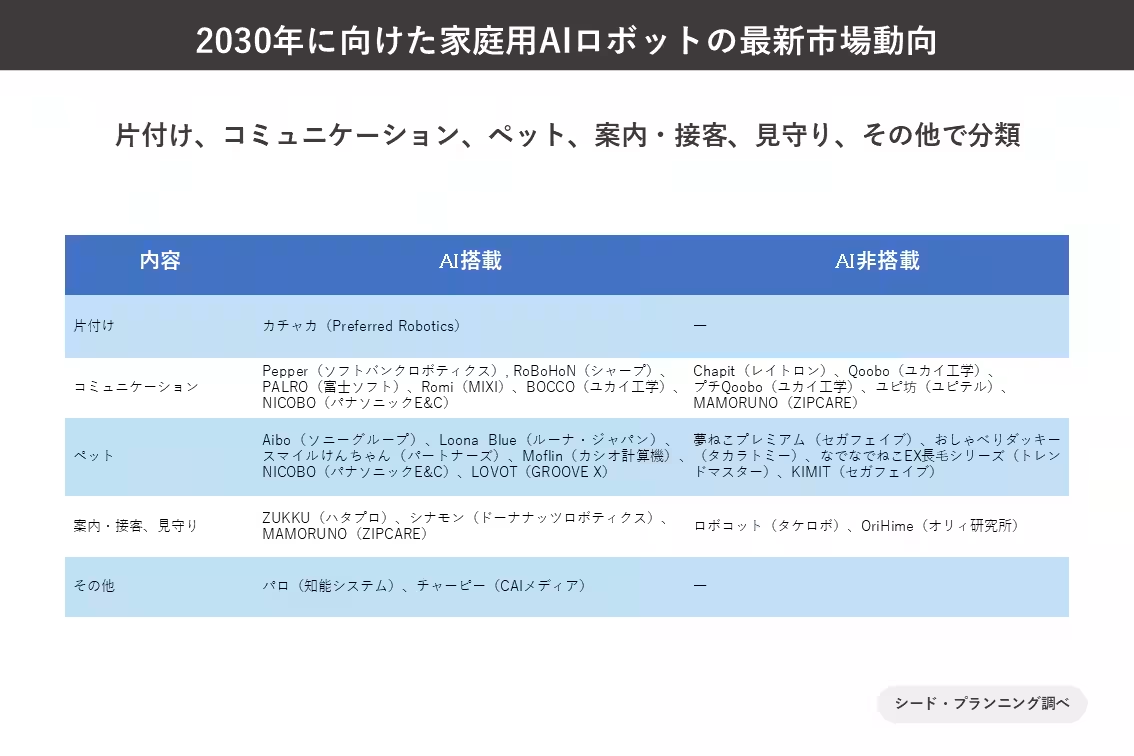
- - Feature Analysis of Approximately 30 Home AI Robots: A comparison and breakdown of various models available in the market.
- - Market Size Predictions: Insights into projected growth for home AI robots from 2020 to 2030.
- - Evolution towards 2030: Speculations on how home AI robots could evolve in functionality and design.
Insights on Home AI Robots
AI-Equipped Home Service Robots
The introduction of AI-equipped home service robots surged following OpenAI's announcement in November 2022. Experts predict that by 2025, the adoption rate of AI in these robots will exceed 60%. Currently, there are around 30 products in the market, segmented by price: 17 below 100,000 yen, 5 between 100,000 and 200,000 yen, and 7 above 200,000 yen.
Usage Trends of Home AI Robots
The functionalities of these robots can be categorized into several purposes, including cleaning, communication, pet care, guidance, companionship, and more.
Market Size Forecast for Home Service Robots
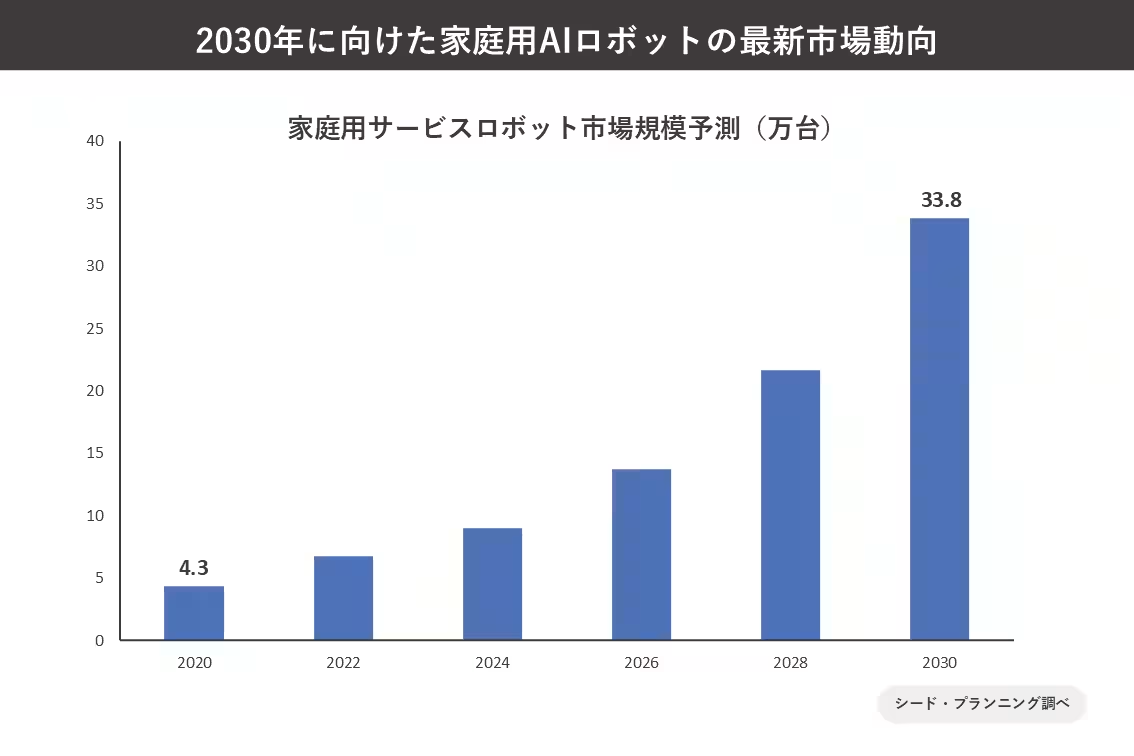
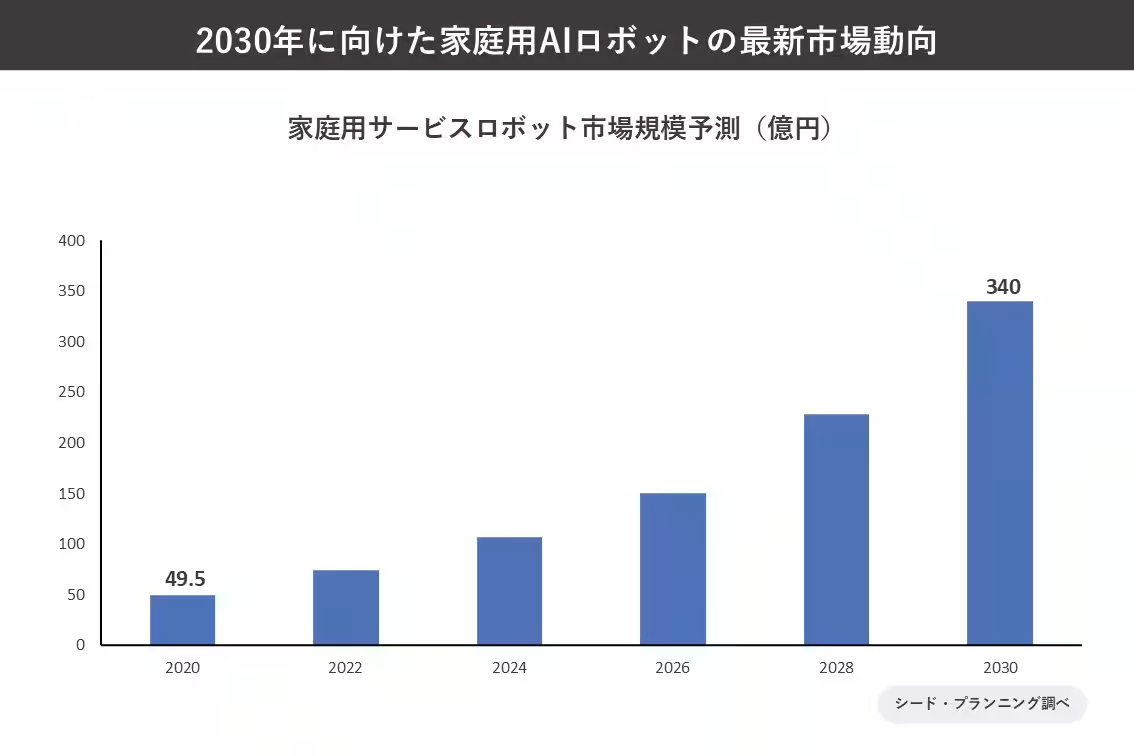
The market for home service robots was at approximately 4.9 billion yen with 43,000 units sold in 2020. This is expected to grow to 150 billion yen with 137,000 units by 2026, and a staggering 340 billion yen with 338,000 units by 2030, marking nearly an eightfold increase in volume and a sevenfold increase in value from 2020.
The Rise of the Kidult Market
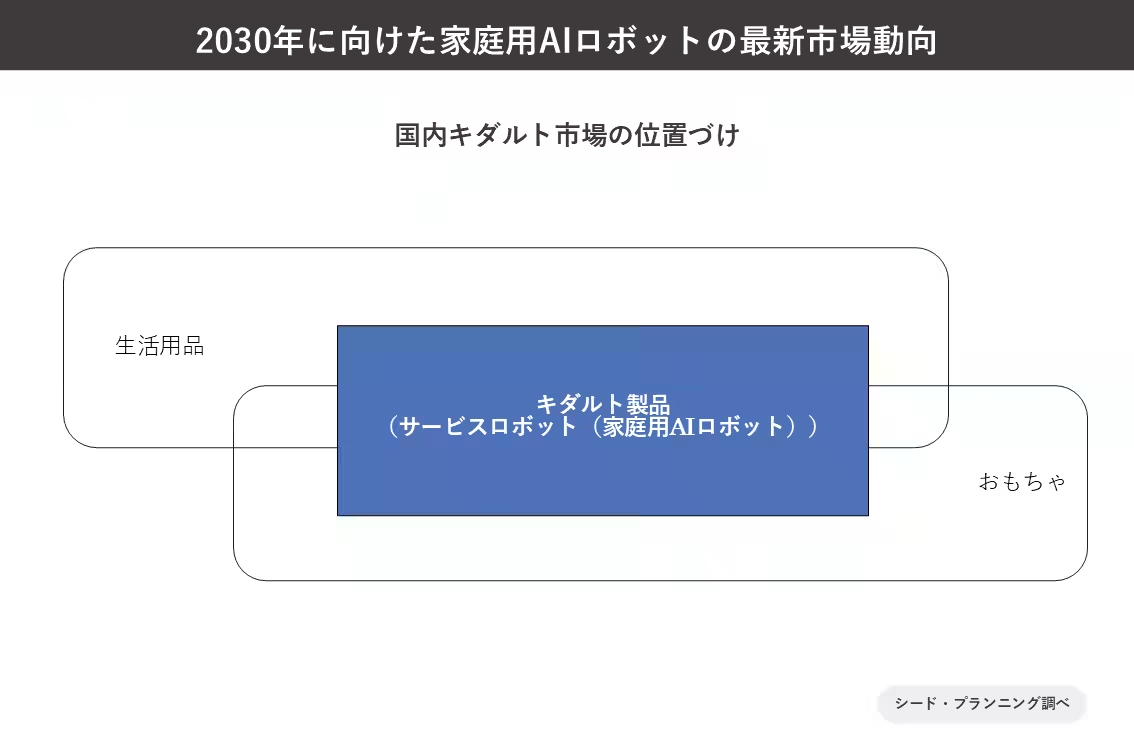
Despite a declining child population, the 'kidult' market - targeting adults who purchase toys they couldn't afford as children - is growing. This sector includes home AI robots, positioning them as both household items and toys, which has significantly contributed to an increase in the domestic market.
Influence of Major Corporations
Since 2022, the entrance of new major companies such as Panasonic E&C, Casio, and Sharp has been observed. Their participation is anticipated to accelerate the expansion of the AI service robot market leading to 2030. The trend towards affordable communication and therapeutic robots priced under 100,000 yen, along with subscription sales models are likely to drive this growth.
Research Overview
Target Services: Home service robots
Participating Companies: 23 home AI robot manufacturers including major players like Sony, Sega, and Takara Tomy.
Research Method: Utilization of company databases, open data, interviews, and surveys.
Research Focus: Trends in market participation, product dynamics, market outlook, industry changes, and corporate movements.
Conclusion
The landscape of home AI robots is fast-evolving, and the results of this extensive research underscore the potential for this market to dramatically alter the dynamics of everyday living. As innovations continue to unfold, consumers can expect an influx of more diverse and intelligent home robots in the near future.

Topics Consumer Technology)
【About Using Articles】
You can freely use the title and article content by linking to the page where the article is posted.
※ Images cannot be used.
【About Links】
Links are free to use.