



Philips Japan's EPIQ and Affiniti Series Gains Approval for Attenuation Imaging in Ultrasound Diagnosis
Philips Japan's New Innovation in Ultrasound Diagnosis
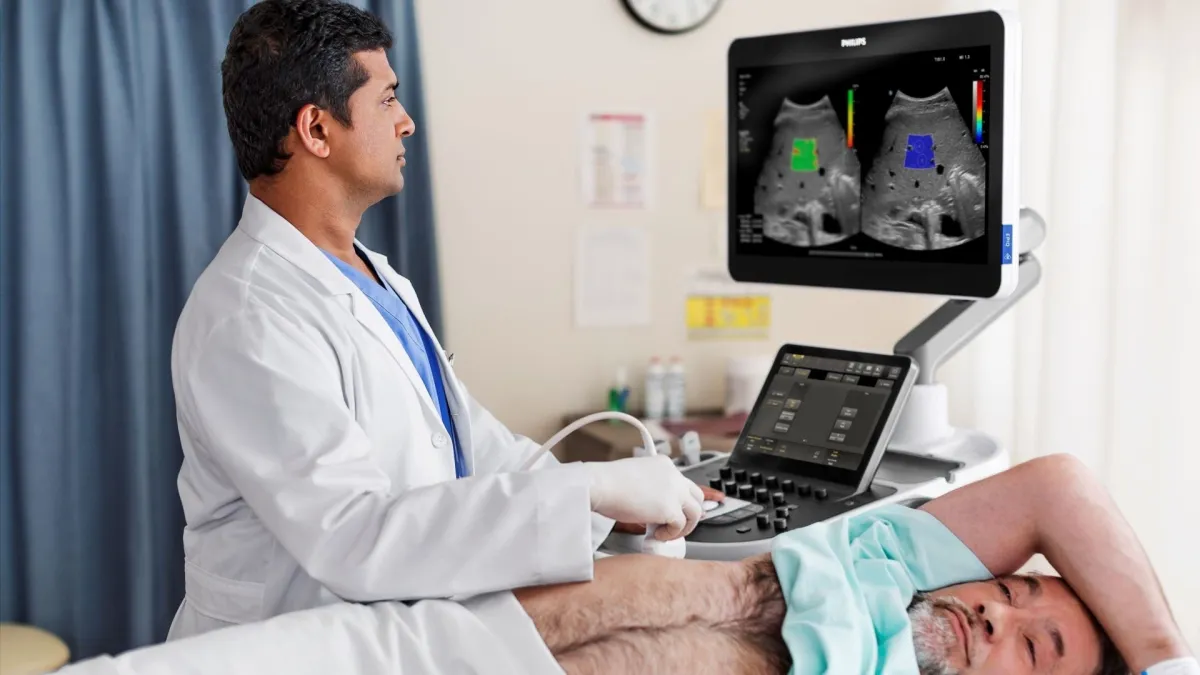
Philips Japan, a leader in healthcare technology, has made a significant advancement in ultrasound diagnostics with the introduction of its EPIQ and Affiniti series ultrasound systems. On June 12, the company obtained regulatory approval for the Attenuation Imaging feature, which allows for non-invasive measurement of ultrasound attenuation. This innovative technology enables clinicians to qualitatively assess liver fat content.
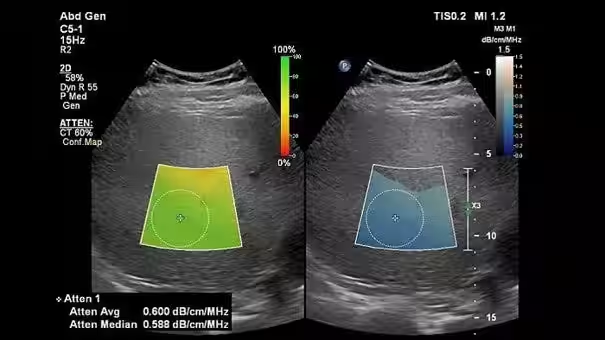
The Attenuation Imaging function measures the attenuation coefficients associated with liver steatosis, displaying results in a color-coded format. This feature not only labels measurement areas but also comes with a reliability map to depict the confidence level of the results. Areas with low confidence will show up in red, while those with high reliability will be highlighted in green. This dual functionality allows practitioners to visually confirm reliability as they position regions of interest (ROIs) for more stable measurements, contributing to a higher reproducibility rate.
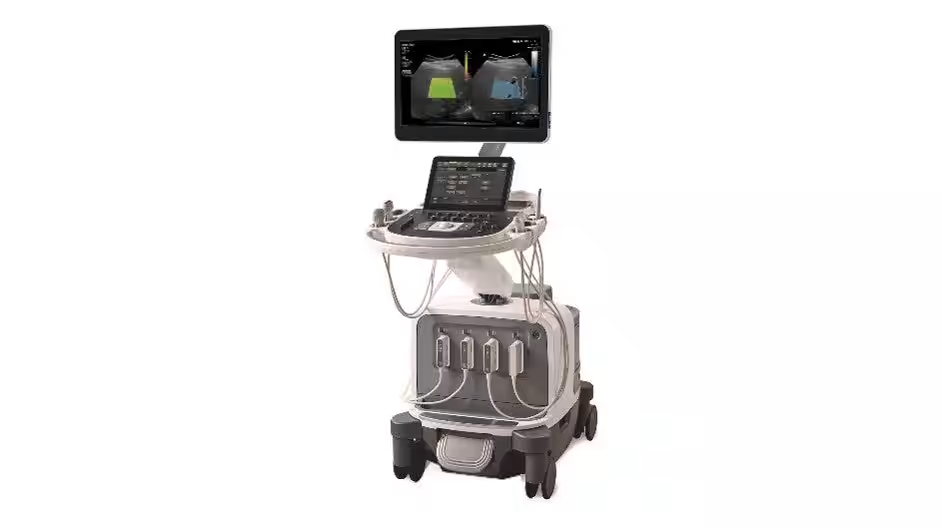
As healthcare providers face increasing demands for effective screening methods, the addition of the Attenuation Imaging feature to both high-end EPIQ systems and the mid-range Affiniti series allows for broader accessibility in clinical settings. The technology can be effectively utilized not only in detailed examinations but also in routine screening tests, facilitating early diagnosis and treatment of liver fat accumulation.
Starting from August 1, 2026, healthcare providers will be able to claim medical fees under the expense category 'D215-4' for ultrasound attenuation tests conducted using the EPIQ and Affiniti ultrasound systems, fulfilling the necessary criteria established by the healthcare authorities. This marks a significant step forward in promoting non-invasive diagnostics, especially for patients showing symptoms of chronic liver disease or cirrhosis.
To qualify for the D215-4 classification, the ultrasound attenuation method must utilize equipment certified for non-invasive measurement purposes, specifically designed to evaluate liver fat levels. The tests are to be conducted following guidelines set by relevant academic societies, ensuring standardized practices are adhered to across the healthcare industry.
Philips Japan continues to push the boundaries of medical technology, aiming to tackle pressing health issues in an aging society. Their extensive portfolio ranges from imaging diagnostics to personal health products like electric razors and toothbrushes, exemplifying their commitment to improving the health and quality of life for individuals.
With approximately 2,000 employees operating across 70 locations in Japan, Philips Japan aims not only to advance healthcare technology but also to provide meaningful solutions to the societal health challenges prevalent in the country.
In summary, the approval of the Attenuation Imaging feature for the EPIQ and Affiniti series ultrasound systems heralds a new era in non-invasive liver assessments, enhancing early detection and management of liver conditions. Philips Japan is set to reinforce its position in the healthcare market while continuing to innovate for better health outcomes worldwide.
About Philips Japan
Established in 1953, Philips Japan has been a vital part of the global Philips organization, which focuses on advancing health and wellness. The company aims to improve people’s health through a variety of healthcare technologies and personal health products.
Topics Health)
【About Using Articles】
You can freely use the title and article content by linking to the page where the article is posted.
※ Images cannot be used.
【About Links】
Links are free to use.