



Importance of Safety in Home Medical Devices: What Users Value Most
The Growing Importance of Safety in Home Medical Devices
In a world where health management has increasingly shifted towards digital solutions, the significance of safety in home medical devices cannot be overstated. NSS Smart Consulting Co., Ltd., based in Shinjuku, Tokyo, has conducted a survey among users of home medical devices to understand their sense of safety and trust when using these products.
The Rise of Home Medical Devices
With the aging population and an increase in the need for home healthcare, devices such as blood pressure monitors, thermometers, and pulse oximeters have become essential for self-care in everyday life. Recent influenza outbreaks have further amplified the necessity of health monitoring at home, leading many families to prioritize this practice. However, along with the convenience, there are reported risks of misuse, communication issues, and even catastrophic failures, raising concerns about data safety and user privacy.
Survey Insights: Trust and Reliability
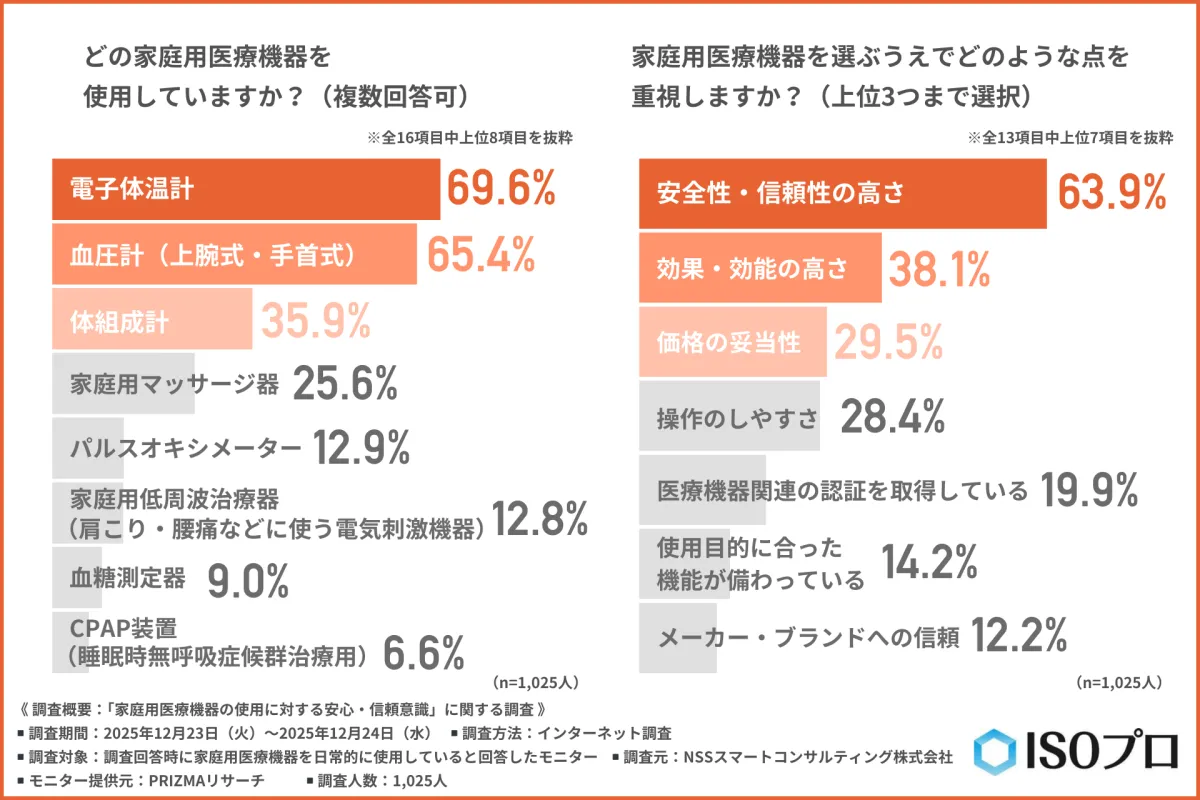
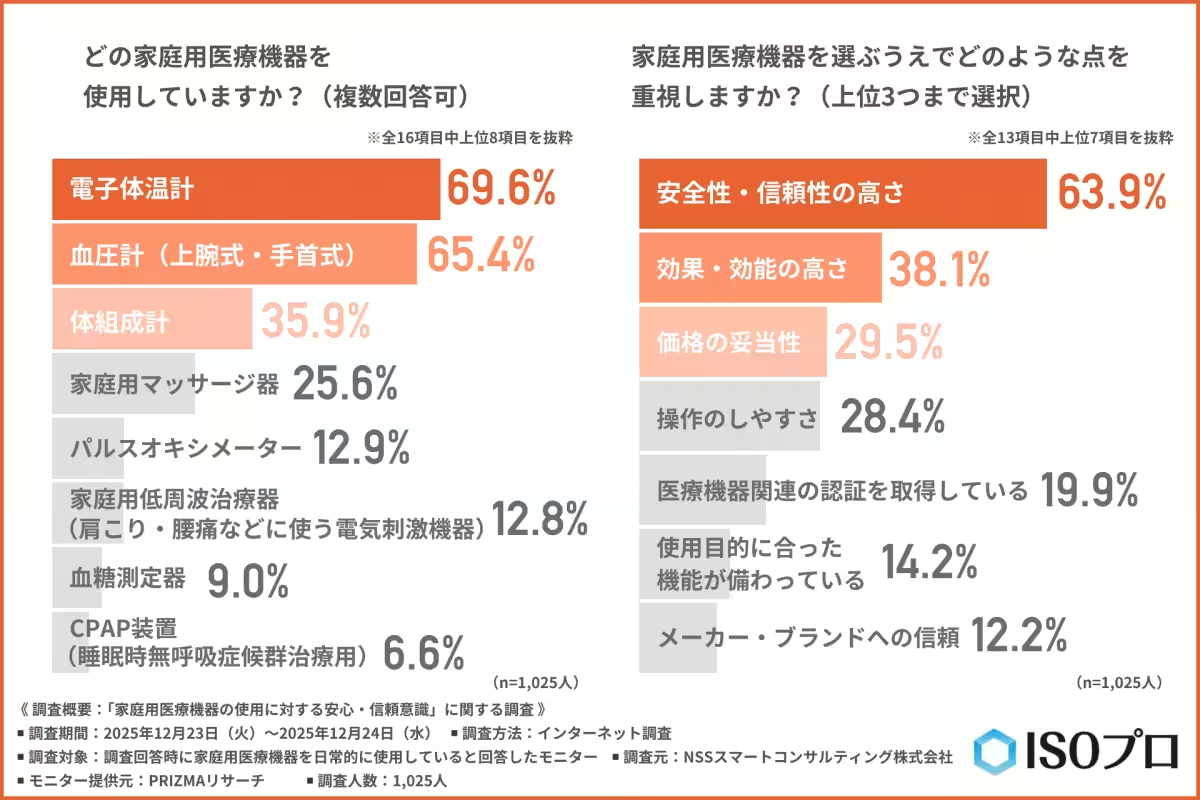
NSS Smart Consulting's survey, conducted between December 23 and December 24, 2025, involved 1,025 participants who regularly use home medical devices. When asked what factors they prioritize in selecting home medical equipment, the majority—63.9%—indicated that safety and reliability are their top concerns. This was followed by effectiveness (38.1%) and reasonable pricing (29.5%).
Trust Anchored in Certification
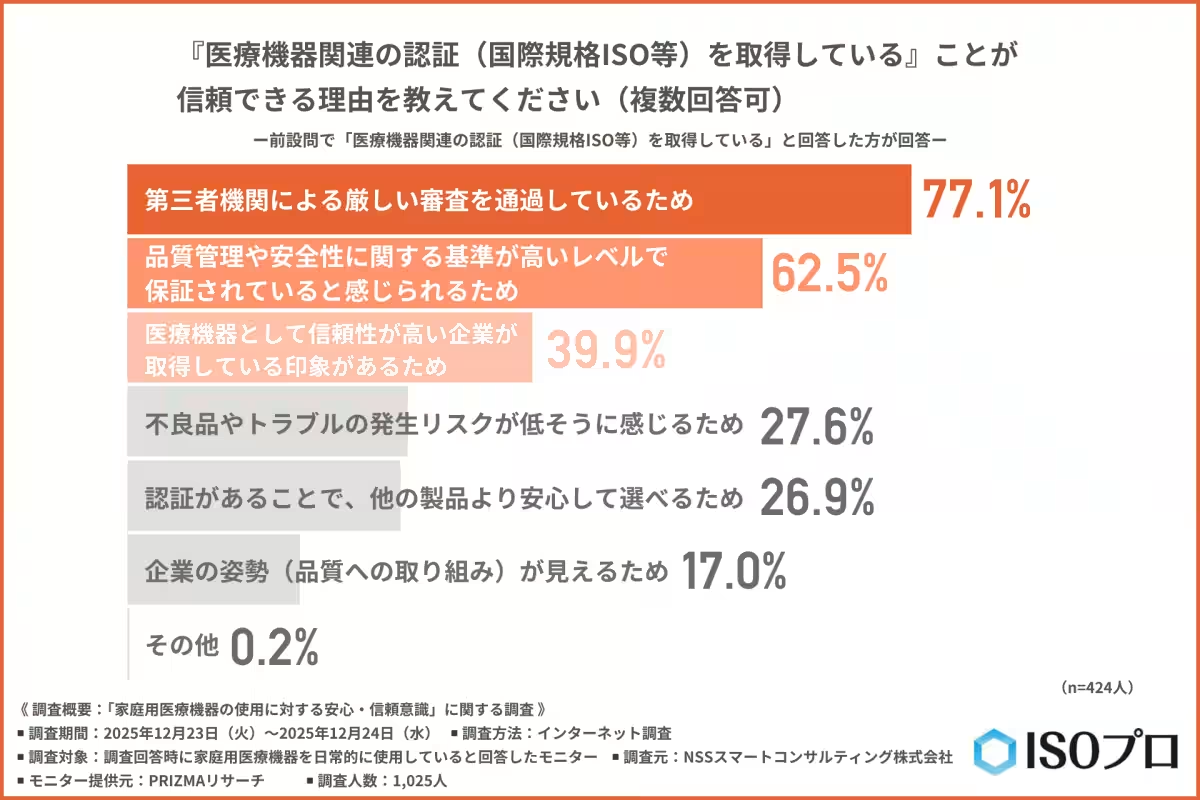
Demonstrating that safety is a fundamental requirement, a notable 20% of respondents also cited the acquisition of medical equipment certification (like international standard ISO) as an essential factor in their decision-making. This trend indicates that users increasingly seek quality validation from independent third parties to ensure the equipment meets the required safety standards.
Moreover, everyday interactions reveal a common mindset: users expect that the devices they rely on for daily health management should not only function reliably but also adhere to stringent safety practices. The survey reveals that family health monitoring is deeply intertwined with using devices that are certified for their reliability and operational integrity.
Understanding User Concerns
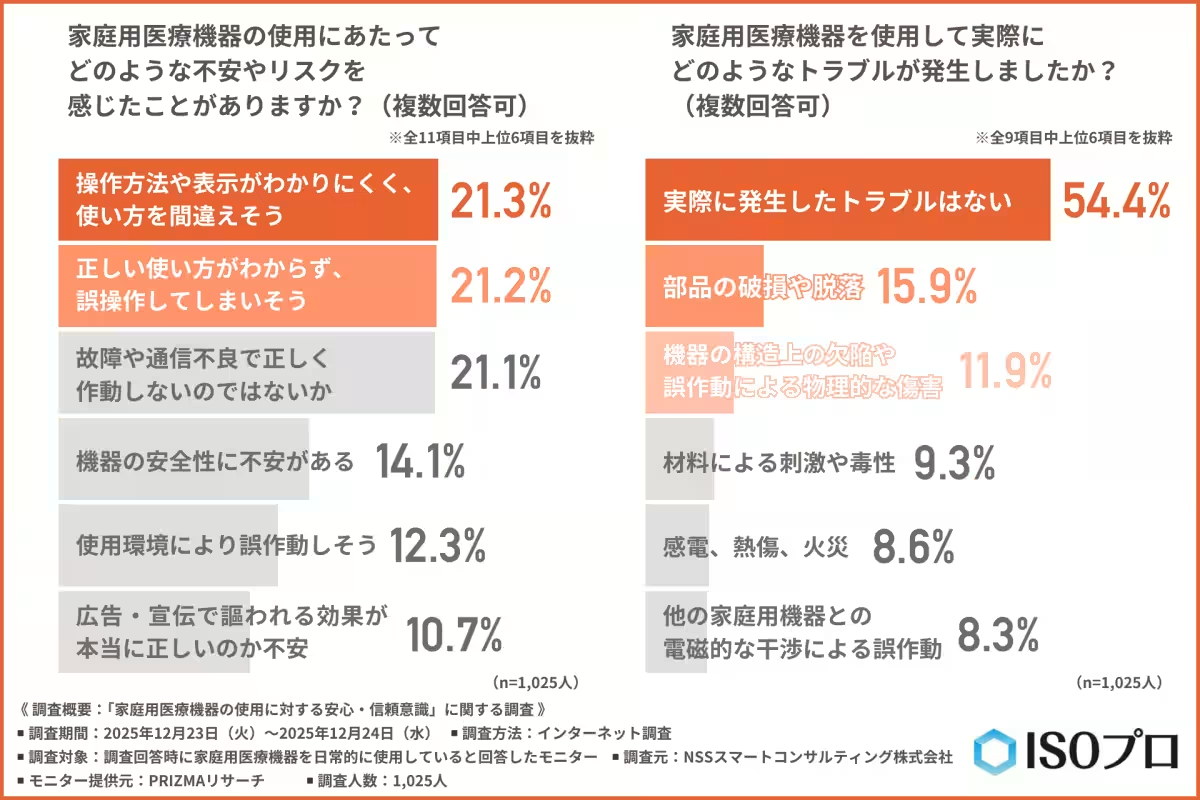
When probed about their general perception of the risks involved with home medical devices, survey results illustrated that many users (around 91%) felt they understood the proper usage of these devices. However, only approximately 30% claimed to be fully confident that they grasped everything they needed to know. Concerns included difficulty in operating the devices and misinterpretation of the displays, with over 21% reporting fear of making mistakes due to unclear instructions.
Real-life Challenges and Incidents
Out of those surveyed, nearly half indicated they had experienced no real issues (54.4%), yet those who did had faced significant challenges, such as component malfunctions or severe injury due to incorrect use. Noteworthy incidents included:
- - Electrical failures leading to fire hazards
- - Experiencing excessive pressure during blood pressure readings
- - Skin irritations caused by low-frequency therapeutic devices
These incidents underscore the alarming degree of risk involved with these devices and highlight the importance of quality control in their design and manufacturing processes.
Essential Features for Trust
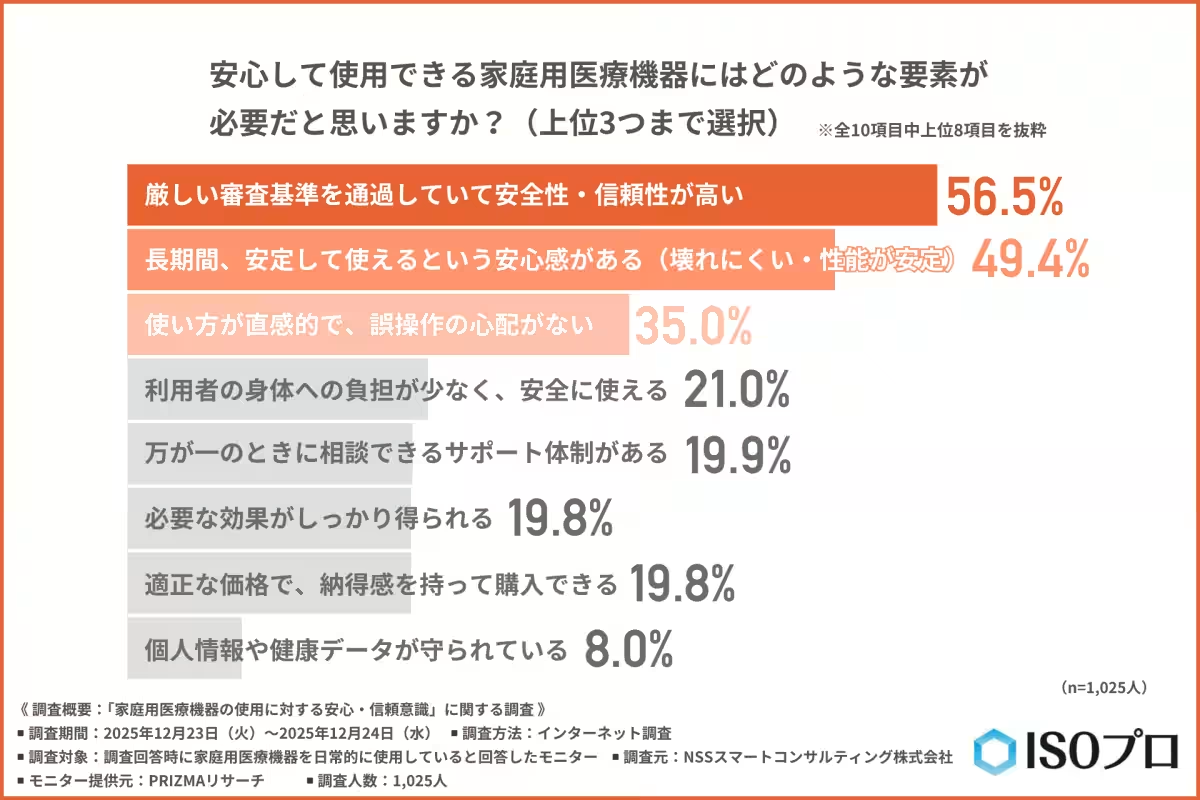
For users to confidently incorporate home medical devices into their healthcare routines, several key traits must be present. Survey results show that the most valued features include:
- - Rigorous safety standards (56.5%)
- - Longevity and stable functionality (49.4%)
- - User-friendly operation (35.0%)
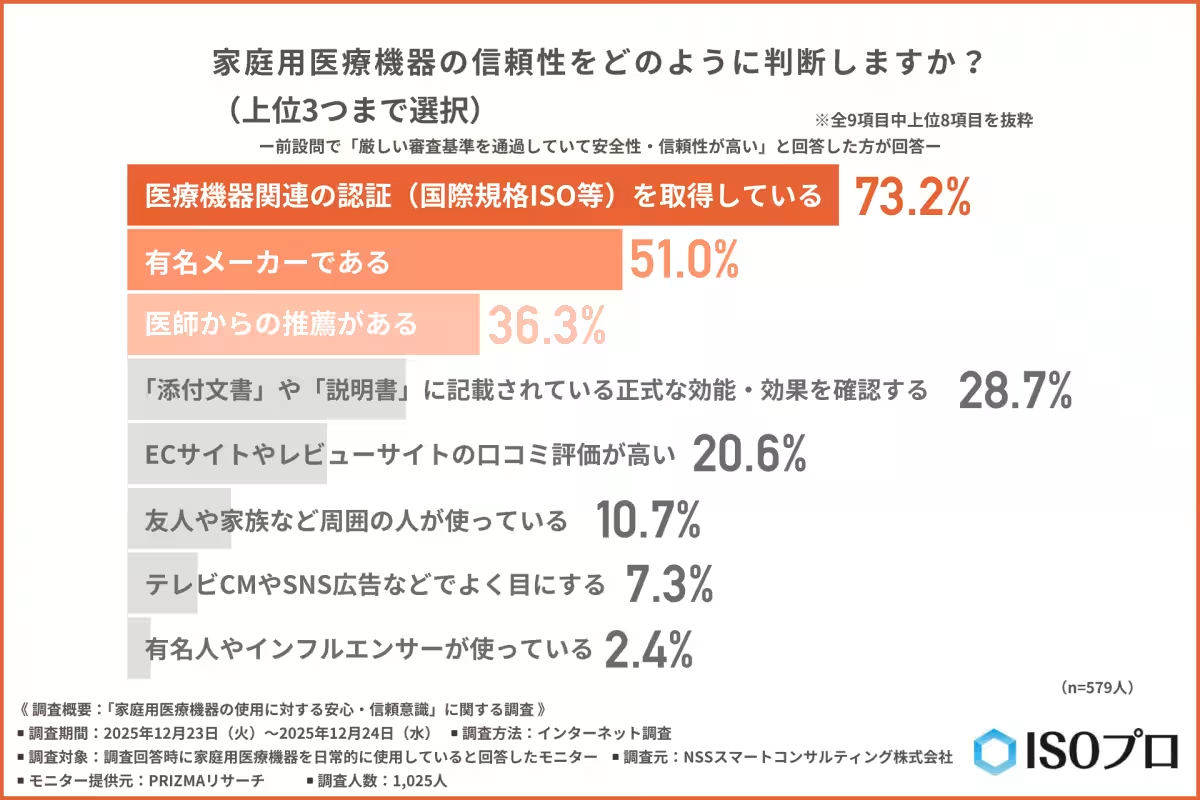
These findings stress that consumers favor devices that not only undergo stringent testing and meet high safety standards but also offer long-term reliability and ease of use. As noted, nearly 73.2% equate trust in the equipment to having medical device-related certifications.
The Road Ahead
As home medical device usage becomes more prevalent, so does the need for manufacturers to ensure their products meet internationally recognized standards. ISO 13485, a standard focusing on quality management systems in the medical device industry, highlights the necessity of maintaining high-quality oversight throughout the product lifecycle. By adhering to such rigorous guidelines, companies can be perceived not just as compliant but as committed to the safety and well-being of their consumers.
Conclusion
As this study illustrates, the perception of risk associated with home medical devices is significant. Users prioritize safety and reliability, underscoring the profound importance placed on third-party certifications. Recognizing this demand, manufacturers must prioritize transparency, stringent quality control, and user trust to meet the evolving expectations of consumers navigating their health. By fostering a commitment to internationally recognized standards, the industry can shape a safer future for home healthcare.
For more information on ISO certification, visit ISO Pro.

Topics Health)
【About Using Articles】
You can freely use the title and article content by linking to the page where the article is posted.
※ Images cannot be used.
【About Links】
Links are free to use.