



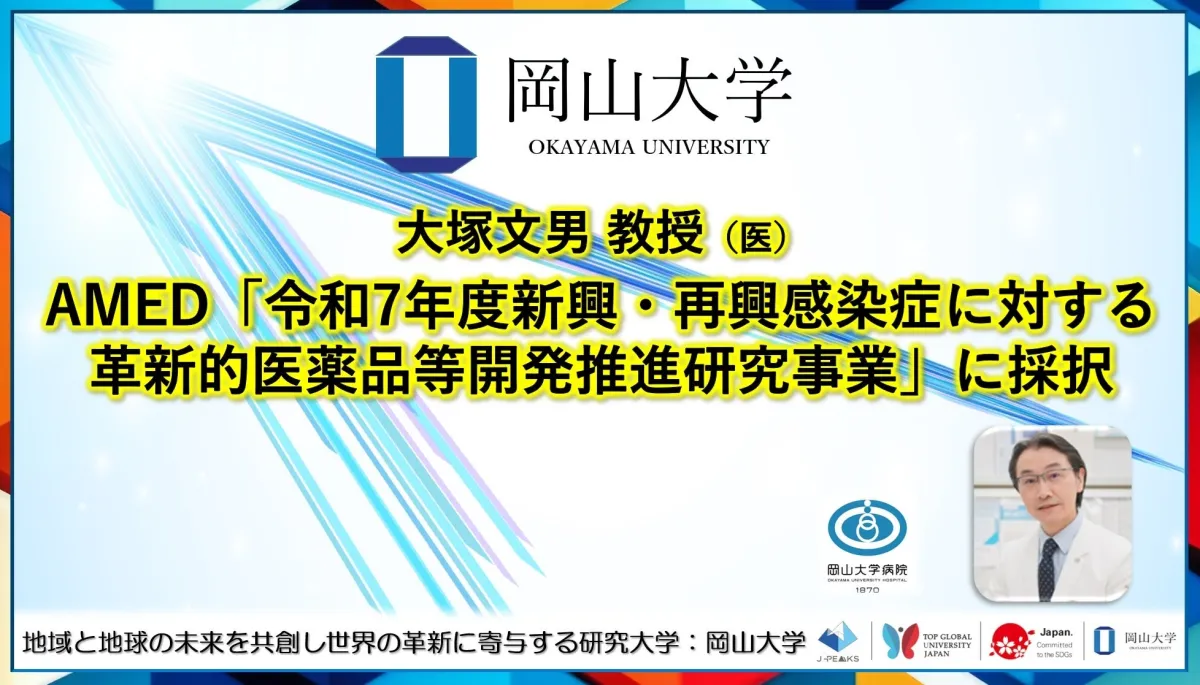
Okayama University Professor Fumio Otsuka Receives Grant for Innovative Infectious Disease Research
Professor Otsuka's Groundbreaking Research
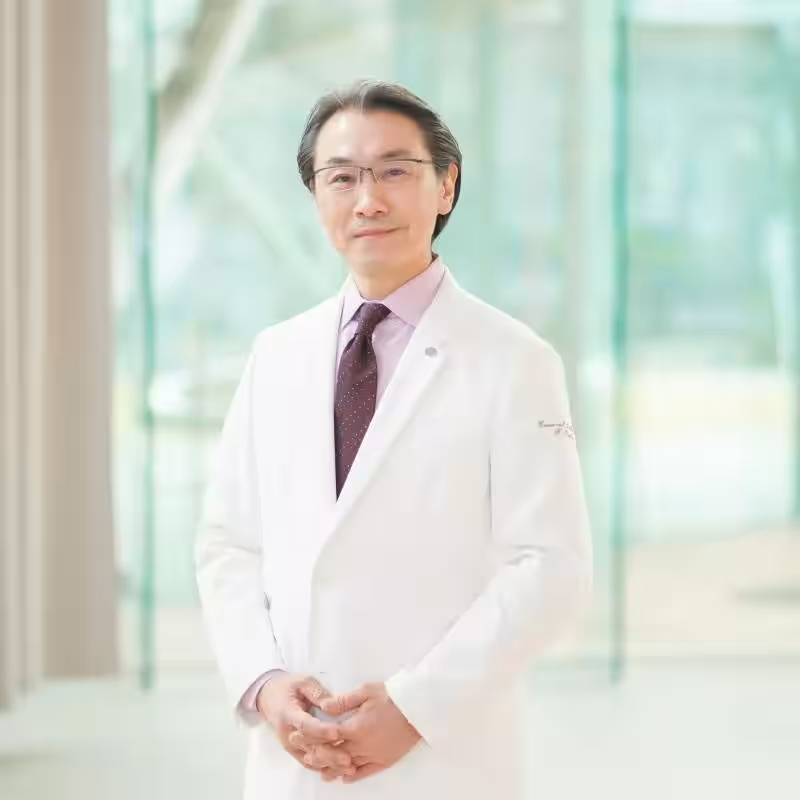
In a notable advancement for infectious disease research, Professor Fumio Otsuka of the Okayama University Graduate School of Medicine was awarded a grant by the Japan Agency for Medical Research and Development (AMED) for an innovative project focusing on emerging infectious diseases. This initiative aims to address pressing issues posed by such diseases through comprehensive research that encompasses epidemiology, genomic analysis, and pathology.
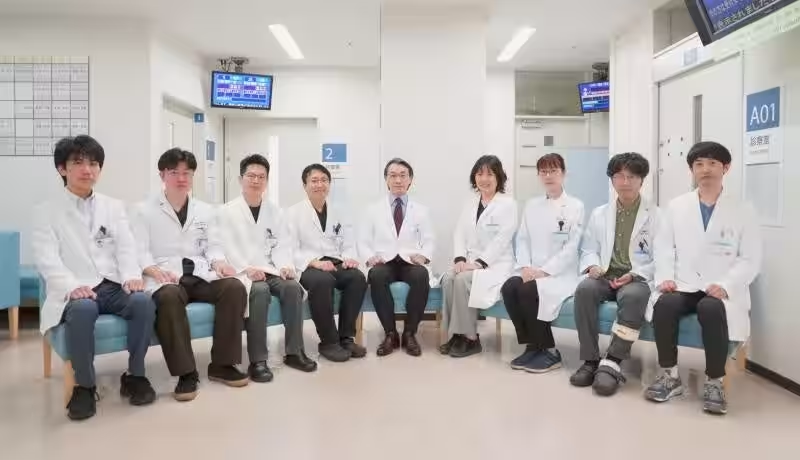
The selected research topic, titled "Longitudinal Observational Study on the Pathophysiology and Biomarkers of Long COVID Symptoms with a Focus on Inflammatory and Stress Markers", will analyze blood samples and clinical information from patients at the Okayama University Hospital's Coronavirus Aftercare Clinic. The study is set to run from June 2026 until March 2027 and aims to elucidate the mechanisms underlying long-lasting COVID-19 symptoms.
The Importance of Long COVID Research
Long COVID, a term used to describe the persistent symptoms that can arise three months after COVID-19 infection, affects approximately 4 to 10% of patients. Symptoms can include severe fatigue and cognitive disorders, significantly impacting quality of life. Despite its prevalence, the underlying mechanisms and diagnostic biomarkers for this condition are not yet well understood, making research in this field crucial.
Professor Otsuka stressed the serious implications of Long COVID on patients’ lives. He stated, "If we can merge clinical data with the insights from basic research, we can objectively understand the disease's pathological features, which will enhance diagnostic and treatment accuracy. We aim to contribute to improving patient support and the quality of healthcare through this research."
Comprehensive Approach to Infection Outcomes
The ongoing work includes integrating blood sample analyses with clinical data to determine the severity of post-COVID symptoms and their potential prognostic implications. By identifying biomarkers, the study seeks to establish diagnostic algorithms that could improve healthcare responses to long-term complications of coronavirus infections.
In recent years, research initiatives such as Otsuka's have become increasingly significant in addressing the ongoing challenges presented by COVID-19. The comprehensive strategies mobilized in this project emphasize collaborative approaches among various research groups and aim to advance understanding and treatment of long COVID.
Conclusion
As Okayama University enhances its research capabilities, initiatives like Professor Otsuka's represent a commitment to addressing critical health issues in a post-pandemic world. The outcomes of this study could not only illuminate the complexities of Long COVID but also pave the way for improved therapeutic strategies, ultimately benefiting the lives of countless individuals struggling with its effects.

Topics Health)



【About Using Articles】
You can freely use the title and article content by linking to the page where the article is posted.
※ Images cannot be used.
【About Links】
Links are free to use.