



Analysis of Psychosocial Profiles in Individuals with Chronic Pain Published in European Journal of Pain
New Insights into Chronic Pain Management
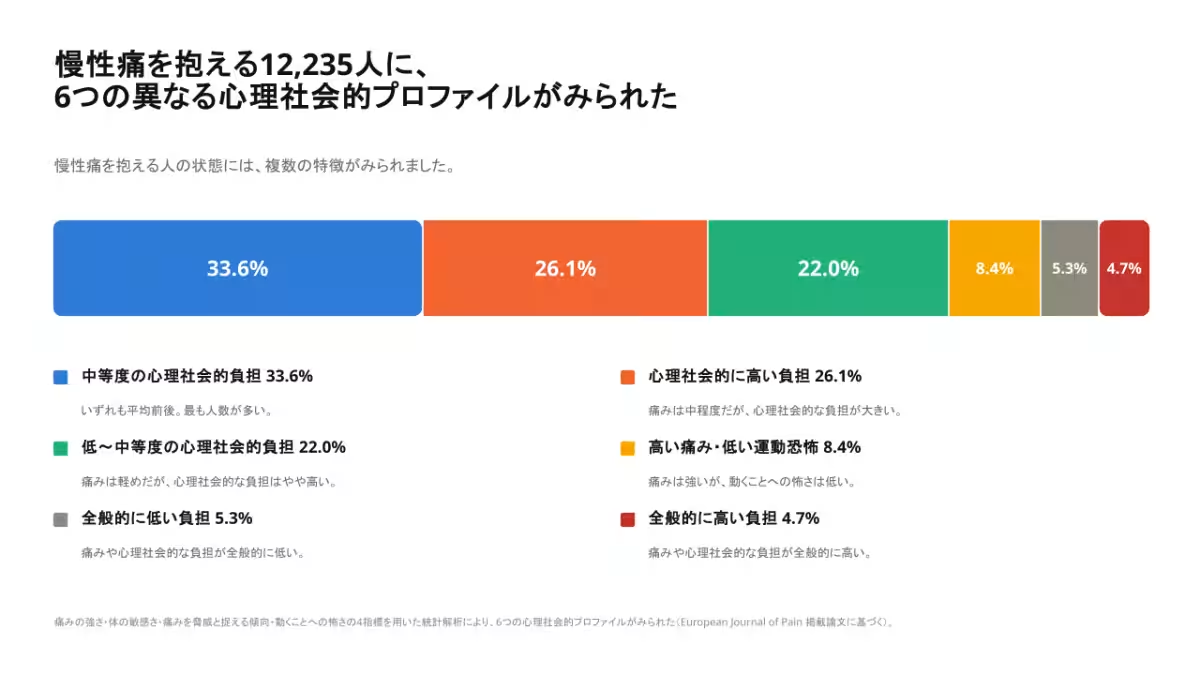
In a groundbreaking study recently published in the European Journal of Pain, researchers have analyzed data from 12,235 adults suffering from chronic musculoskeletal pain, using initial visit data from the Aoyama Fascial Osteopathy Rigaku BODY clinics spread across Japan. The collaborative team investigated how various psychosocial factors interact with the experience of pain, revealing crucial insights about pain management that go beyond mere pain intensity.
The Study Overview
Chronic pain is often viewed through the lens of pain severity, but this alone does not capture the intricate nature of how individuals experience pain. The study explored six distinct psychosocial profiles based on advanced statistical methods that integrated multiple indicators. These profiles, compiled from varying responses to four core metrics—pain intensity over the past month, symptoms related to pain (like fatigue and heightened sensitivity), perceived threats from pain, and fear related to movement—shed light on the complexities of chronic pain conditions.
Key Findings
The analysis showcases a diverse landscape of psychosocial profiles among chronic pain sufferers. For instance, individuals categorized under the 'high pain, low movement fear' profile reported an average pain level of 7.3 while exhibiting an average movement fear score of 17.1. Conversely, the 'moderately psychosocially impacted' profile displayed lower pain intensity (average score of 5.6) but higher movement fear (average score of 24.2).
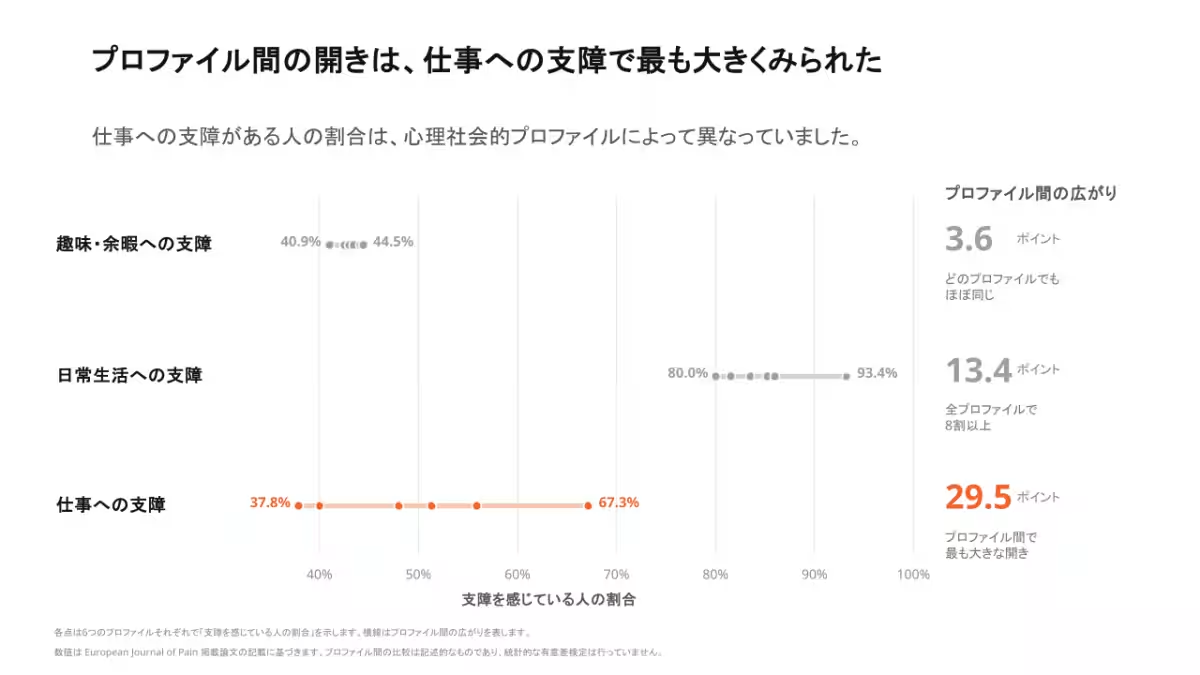
Furthermore, when looking at work-related disruptions due to pain, 49% of the 10,144 individuals surveyed reported that their pain interfered with their work. The discrepancy across profiles was significant, ranging from a mere 37.8% to 67.3% in the proportions of individuals experiencing work interference due to pain. In contrast, disruptions to hobbies and leisure activities were relatively minor, indicating a more severe impact of chronic pain on professional life compared to personal interests.
Implications of the Research
The findings present a compelling case for understanding chronic pain through a multifaceted lens. Notably, the psychosocial profiles highlight not only the differences in pain experiences but also the repercussions such pain has on functionality in daily life, particularly in a work setting. It underscores the necessity for tailored interventions that consider the psychosocial context of the individual rather than the symptoms alone.
Future Directions
As Rigaku BODY aims to provide personalized support to those with chronic pain, the insights garnered from this study will play a pivotal role in shaping future health initiatives. By continuously collecting data from their clinics, they aspire to refine treatment approaches to meet the unique needs of individuals suffering from chronic pain.
The research’s contribution goes beyond immediate clinical implications; it establishes a foundation for further studies exploring the psychosocial dimensions of chronic pain treatment across different populations and settings. This ongoing research will enhance understanding and ultimately aims to improve the quality of life for those affected.
Conclusion
This pivotal research emphasizes that chronic pain cannot be solely defined by the severity of pain felt. It encapsulates the importance of psychosocial factors, opening up a dialogue for more comprehensive care strategies that consider an individual’s unique psychosocial profile. Continued work in this area might lead to better-targeted interventions that could revolutionize how chronic pain management is approached, ensuring that every patient's unique circumstances and challenges are addressed meaningfully and effectively.
The complete study can be accessed at the European Journal of Pain for those interested in detailed methodologies and outcomes.


Topics Health)
【About Using Articles】
You can freely use the title and article content by linking to the page where the article is posted.
※ Images cannot be used.
【About Links】
Links are free to use.