



Understanding the Future of Home Renovation Trends for 2025
The Future of Home Renovation Trends in 2025
As we look ahead to 2025, the home renovation industry is undergoing significant transformations influenced by changing lifestyles and technological advancements. Zero Renovation, operated by Groove Agent, has analyzed popular renovation cases to identify emerging trends and preferences in home design. This report sheds light on two major shifts and reveals the evolving decision-making frameworks prevalent in today's design landscape.
Key Changes in Home Renovation Trends
A Shift Towards Quality Living Spaces
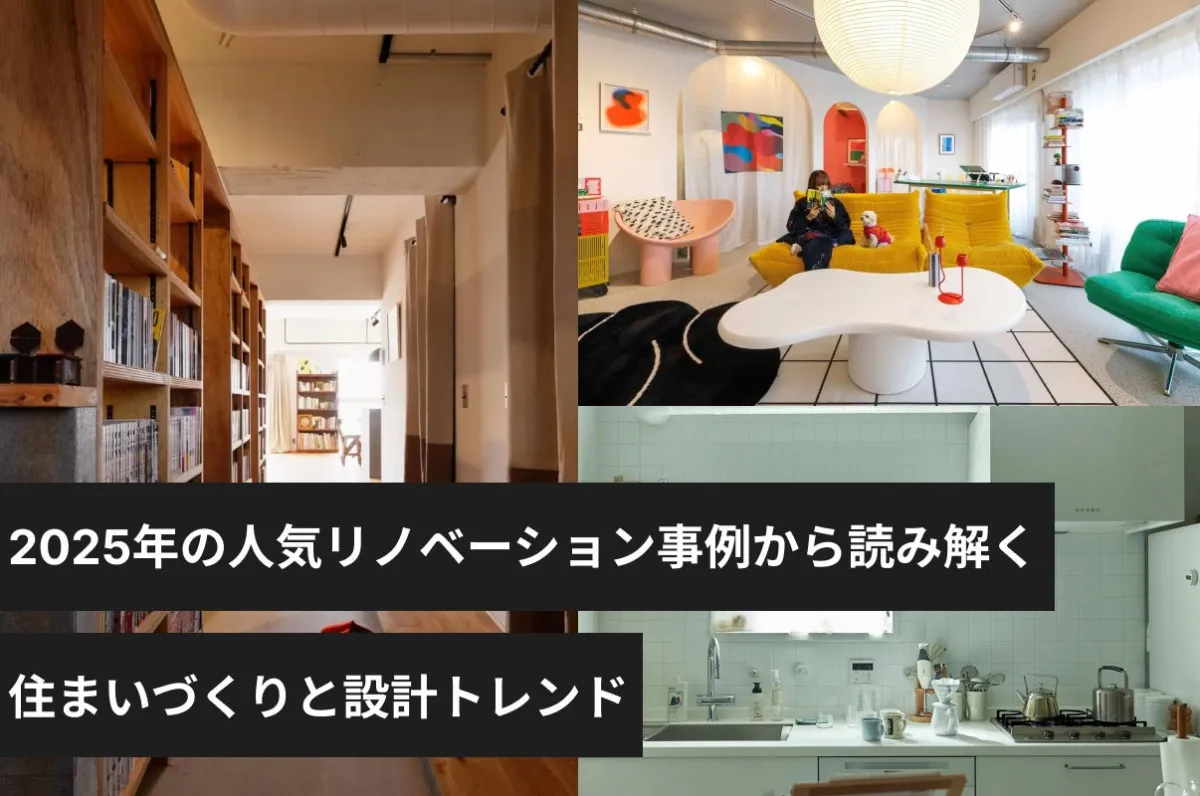
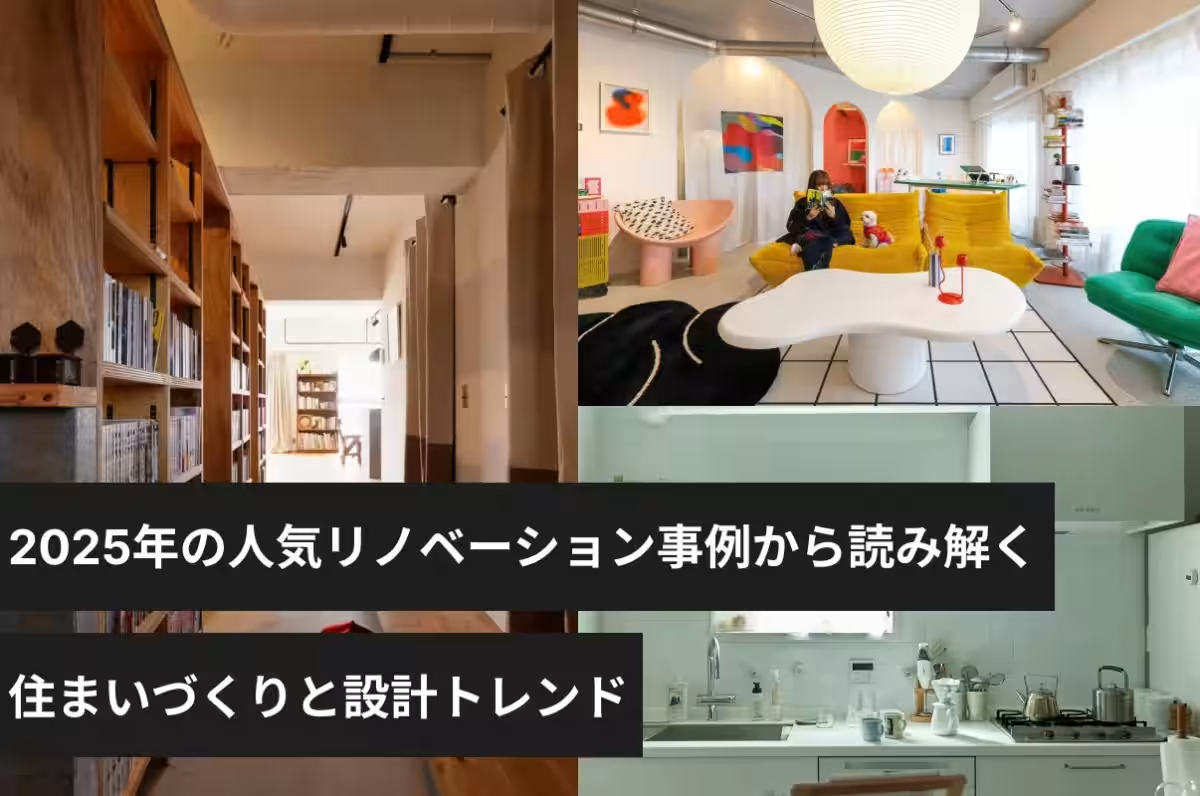
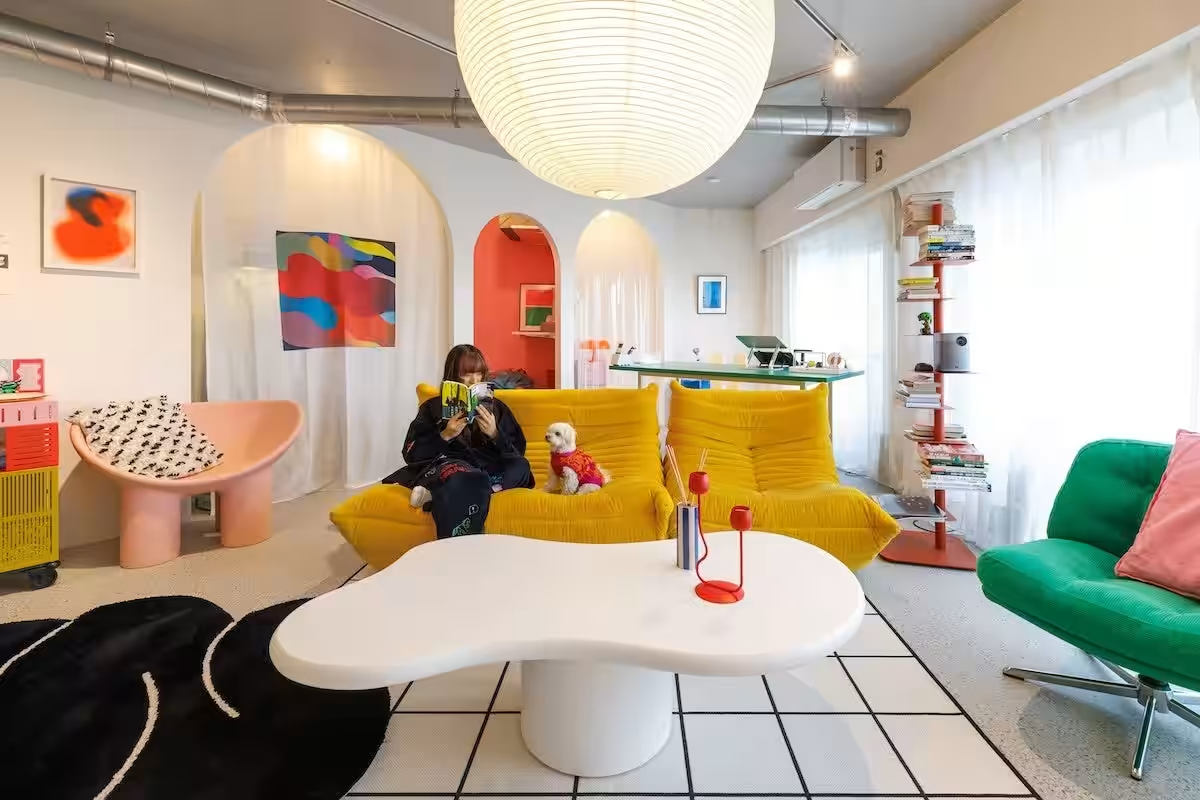
One of the striking observations from the top renovation cases of 2025 is the increasing size of homes for solo residents. Rather than adhering to the traditional perception of compact urban living focused on asset value, many individuals are opting for living spaces exceeding 70 square meters, even in suburban areas or older properties. This shift is motivated by a desire for enhanced quality of life (QOL). Spaces that foster pleasant hobbies and accommodate pets emphasize a lifestyle that prioritizes comfort and personal satisfaction over mere location.
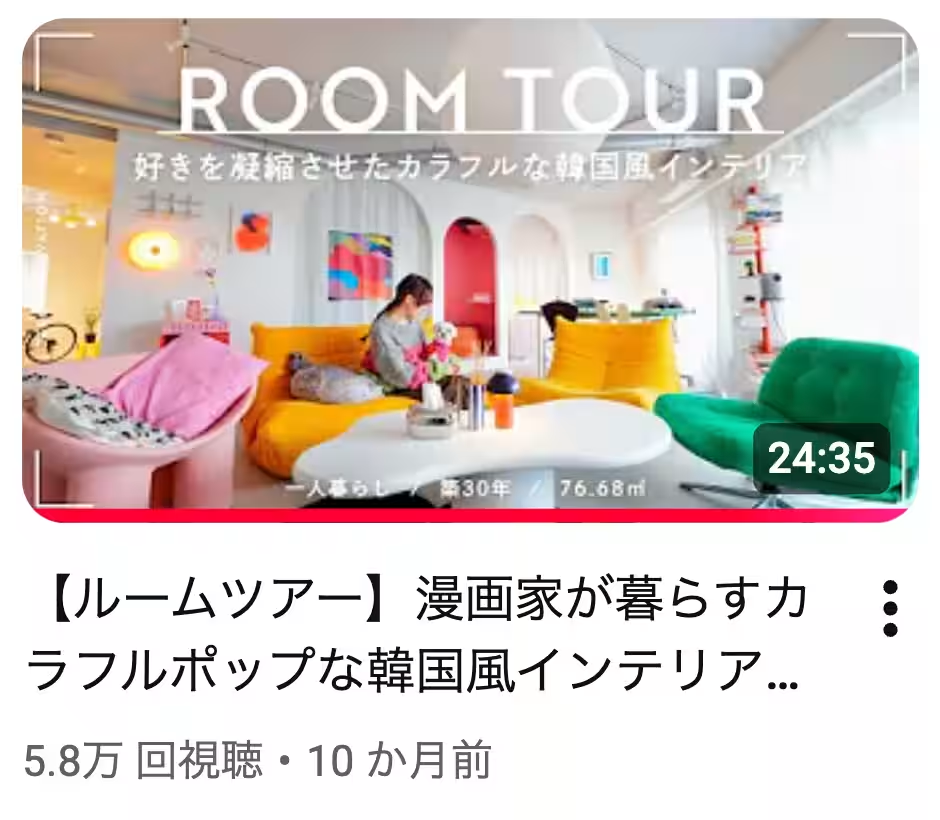
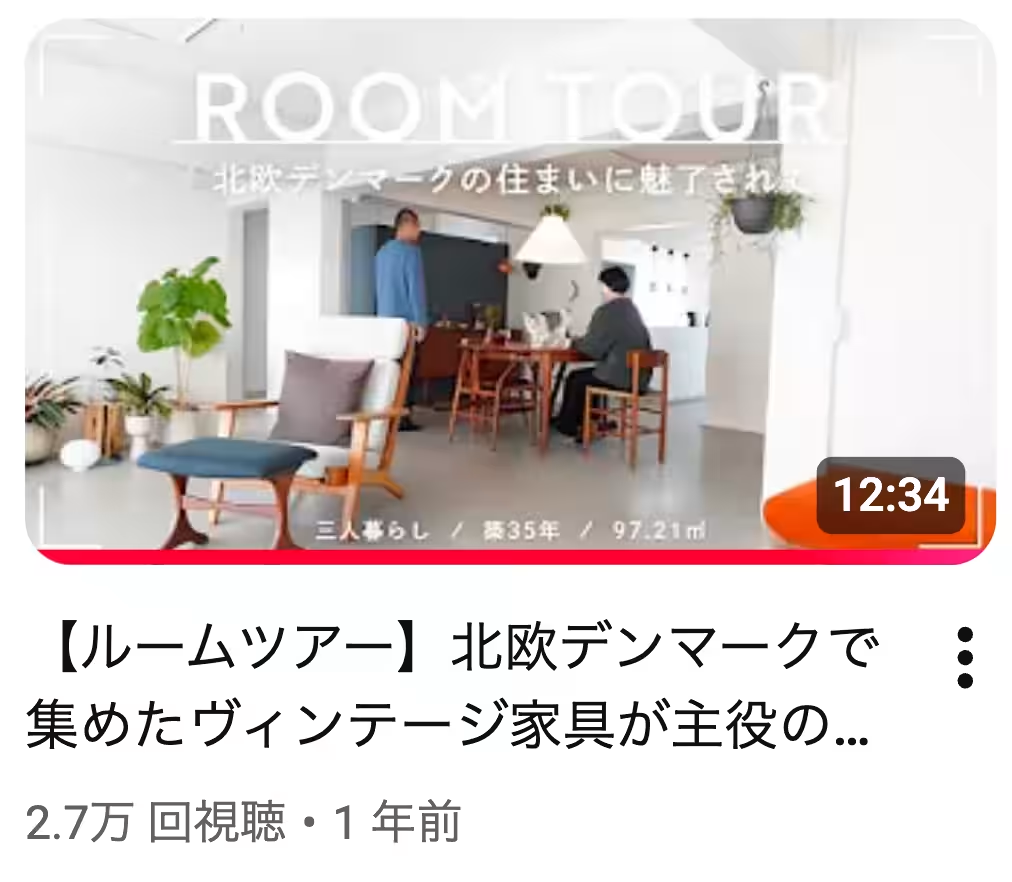
For example, the most popular single-person renovation project features a 76.68 square meter studio. This entry reflects growing interest in functional and spacious living, which is encouraged by the trend of sharing room tours on platforms like YouTube. This medium allows future homeowners to virtually experience interior designs and enhances their engagement with the renovation process.
The Importance of Flexibility in Design
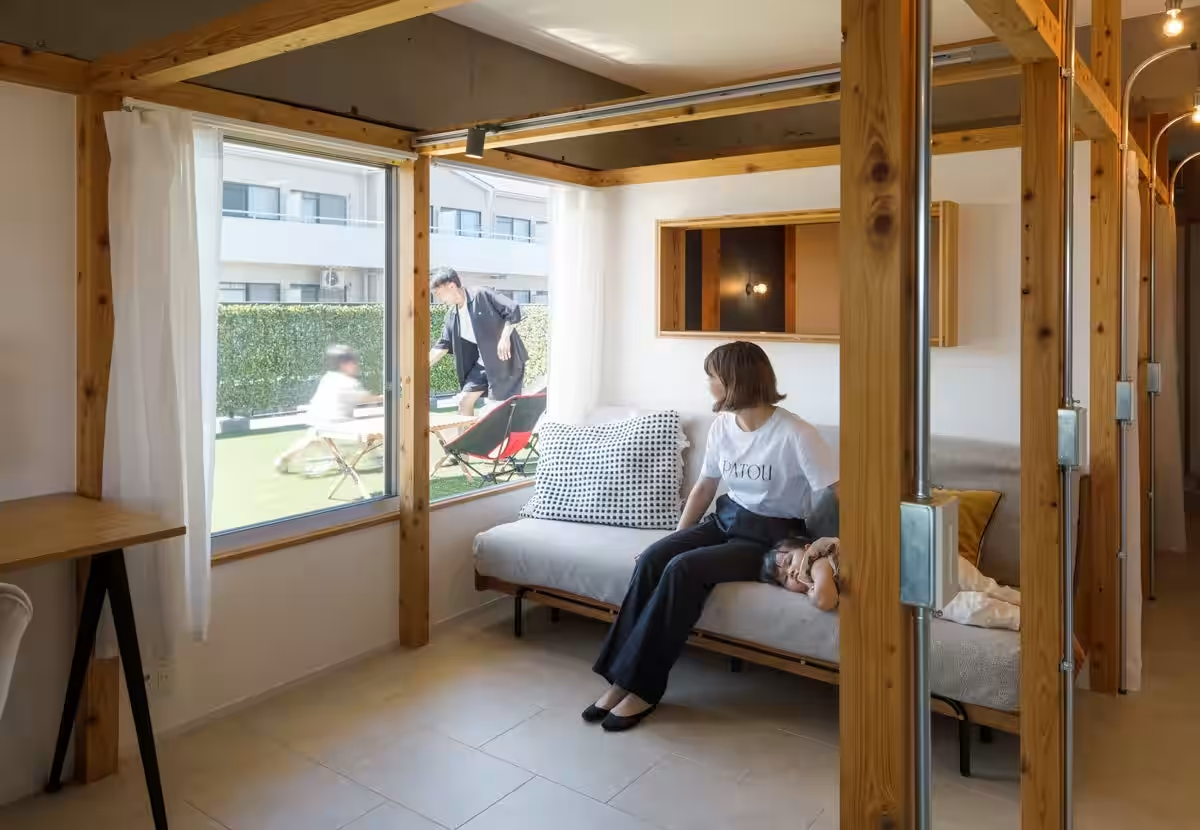
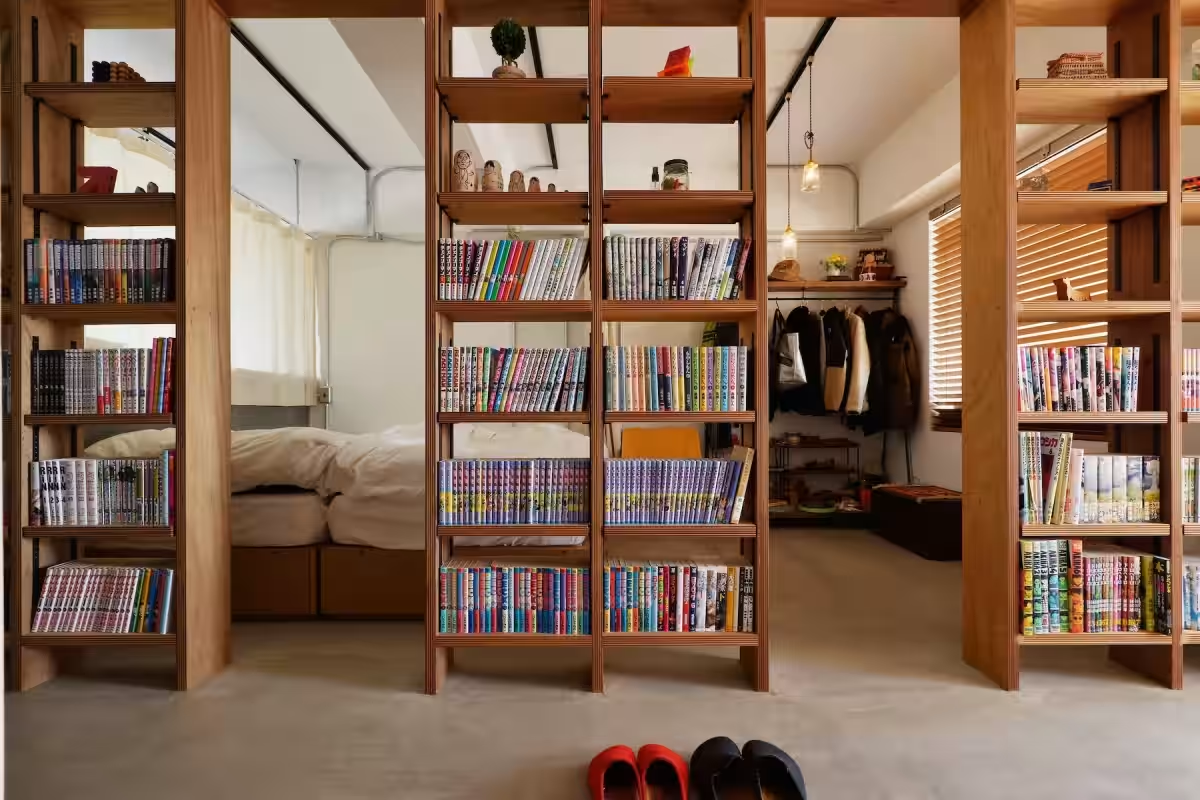
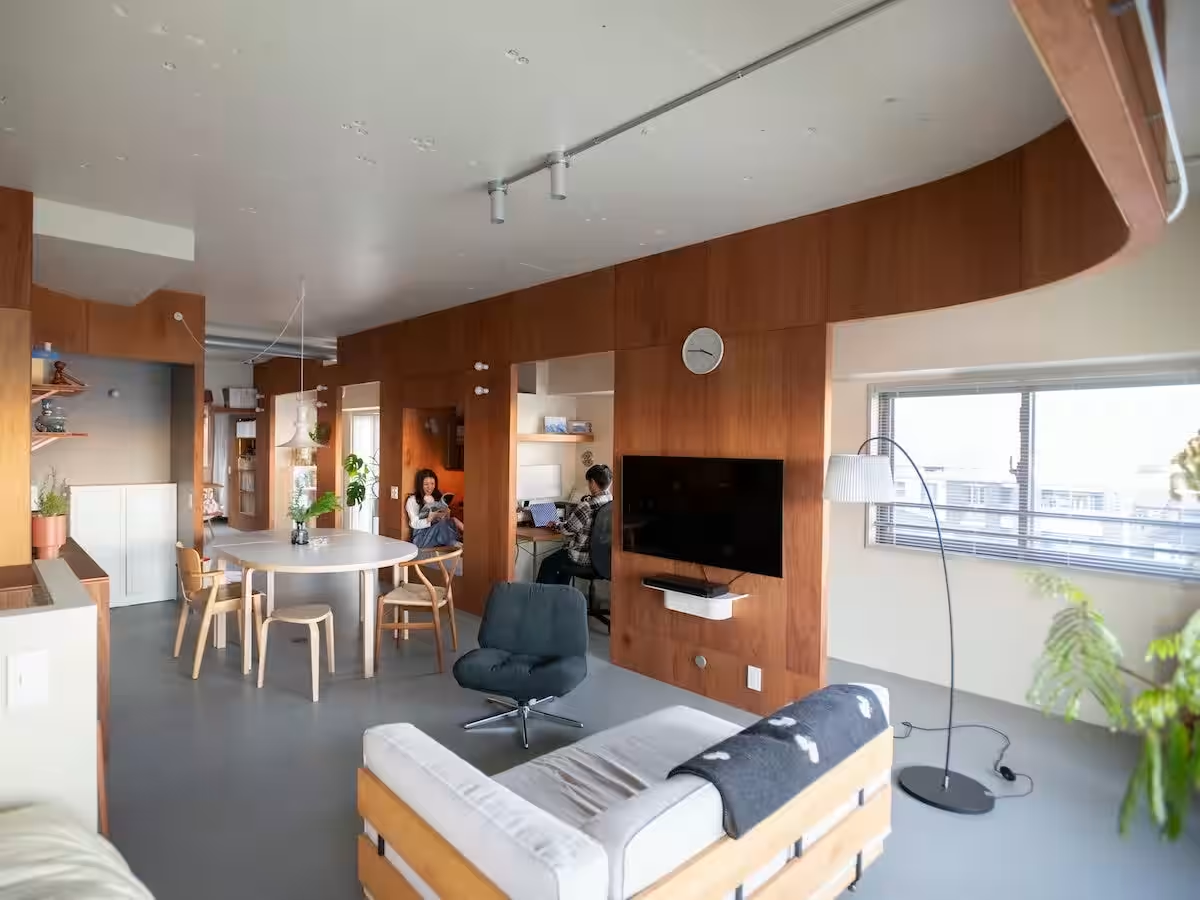
In terms of flexibility, renovation projects that incorporate adjustable spatial structures are gaining popularity. Particularly, cases such as ‘A House Grounded in Everyday Life’ (Ranked 2nd) and ‘The Future of Outlines’ (Ranked 7th) have excelled on platforms like Pinterest due to their adaptability – allowing homeowners to reconfigure spaces as their needs evolve over time. This proactive approach offers peace of mind against the uncertainties of life changes.
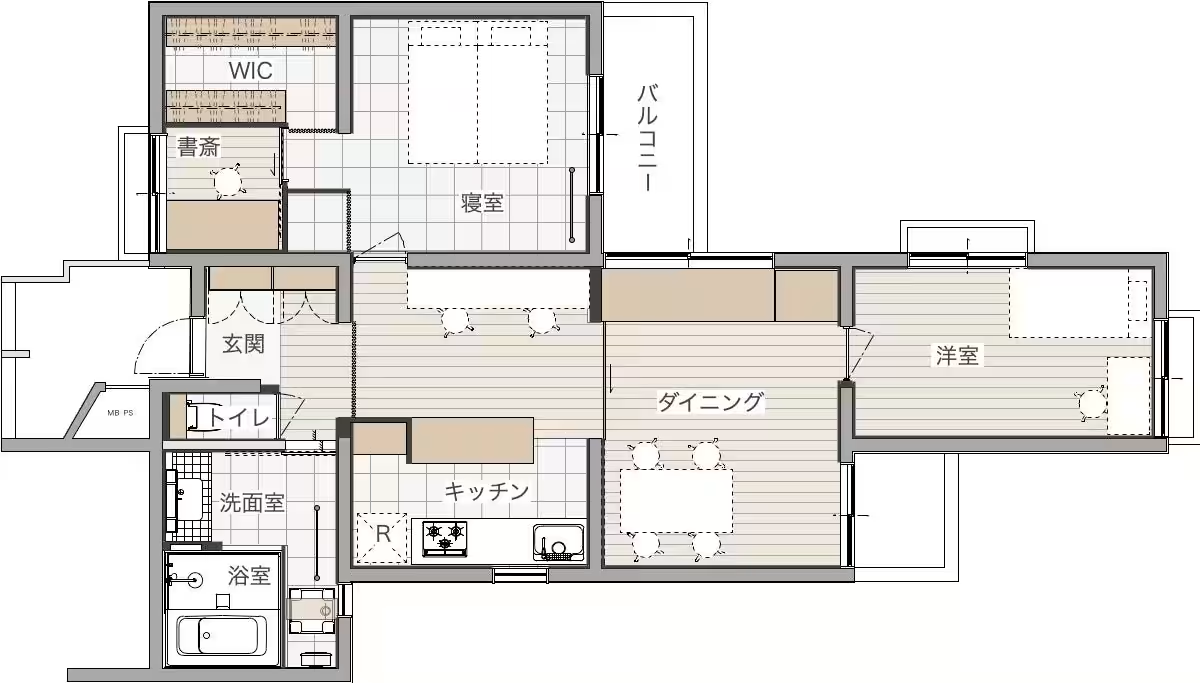
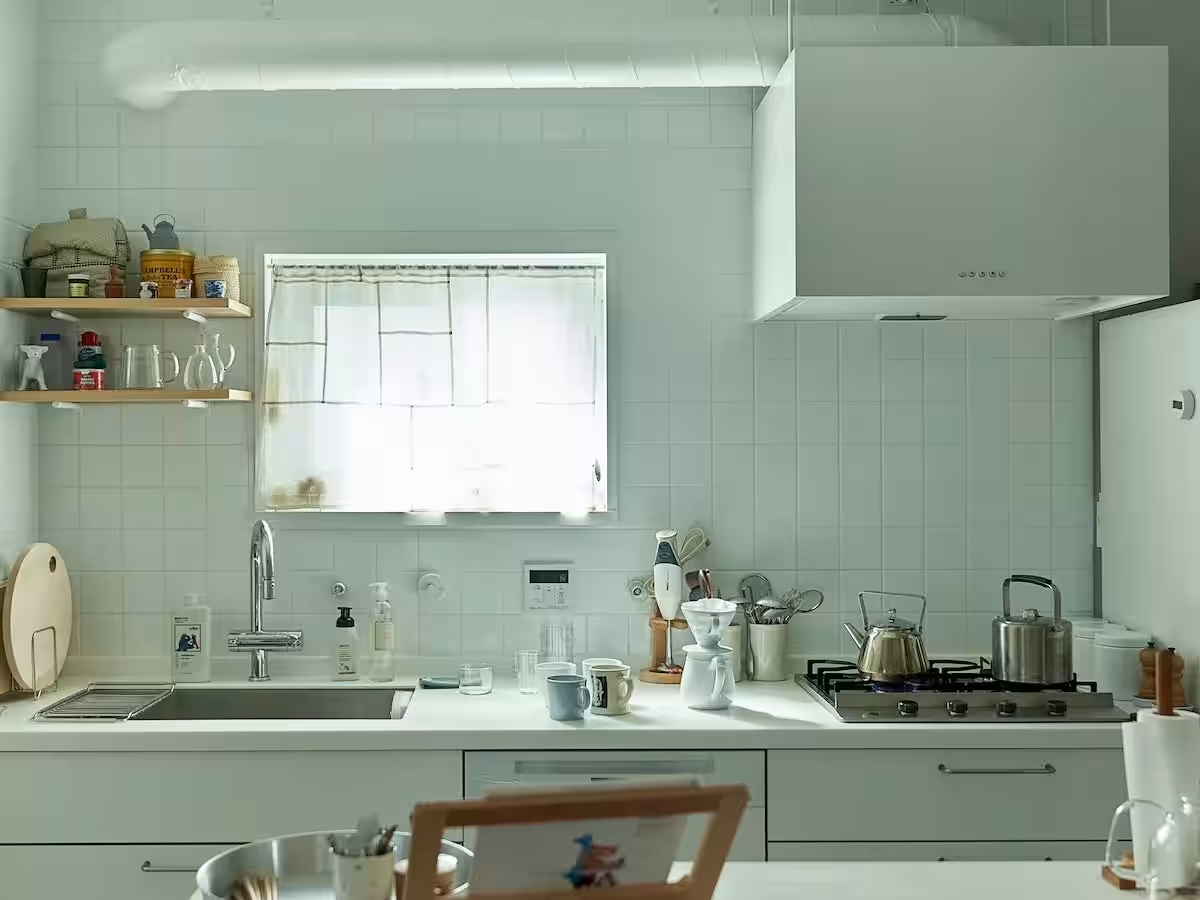
For instance, some designs incorporate pre-established columns intended for future room divisions, which minimizes potential construction burdens down the line. On the other hand, ‘The House of White Waterways’ (Ranked 10th) exemplifies innovation within the limitations of wall-structured buildings. The designers cleverly optimized layout and kitchen workflow, demonstrating effective problem-solving capabilities in highly regulated environments.
Changing Decision-Making Metrics in Design
Now, let’s discuss the notable shifts seen in user preferences and design considerations with insights from Rikuto Takahashi, the Design Department Head at Zero Renovation.
AI Integration Driving Behavioral Changes
In 2025, the integration of AI technologies has dramatically altered how users approach renovations. Many clients are leveraging generative AI tools to research design plans and government subsidy programs, significantly impacting the decision-making landscape.
In a climate where AI consistently provides “correct answers,” the role of designers is evolving into that of translators, interpreting and tailoring those solutions to fit individual client needs. Aspects that necessitate specialized knowledge – such as subsidy systems and insulation standards, which AI hasn’t fully mastered yet – require designers to deepen their understanding.
Prioritization of Comfort Over Design
Another emerging trend is the shift in budget allocation from design aesthetics to functional conveniences. Whereas previous years often saw homeowners skimping on utilities for the sake of visual appeal, there’s an increasing demand for durable, high-quality amenities, aimed at improving daily living satisfaction. This trend is further facilitated by the growing awareness of subsidy programs related to energy-efficient home renovations, making essential installations like advanced window systems a standard consideration in budgets.
Balancing Uncertainty with Flexibility in Design
Moreover, there’s a growing demand among DINKS (dual income, no kids) couples for adaptable spaces, such as potential children’s areas that remain utilitarian in the present. Traditionally, couples might have opted for specific designs anticipating future parenthood, leading to rigid layouts. However, recent preferences lean towards retaining flexibility without compromising current comfort.
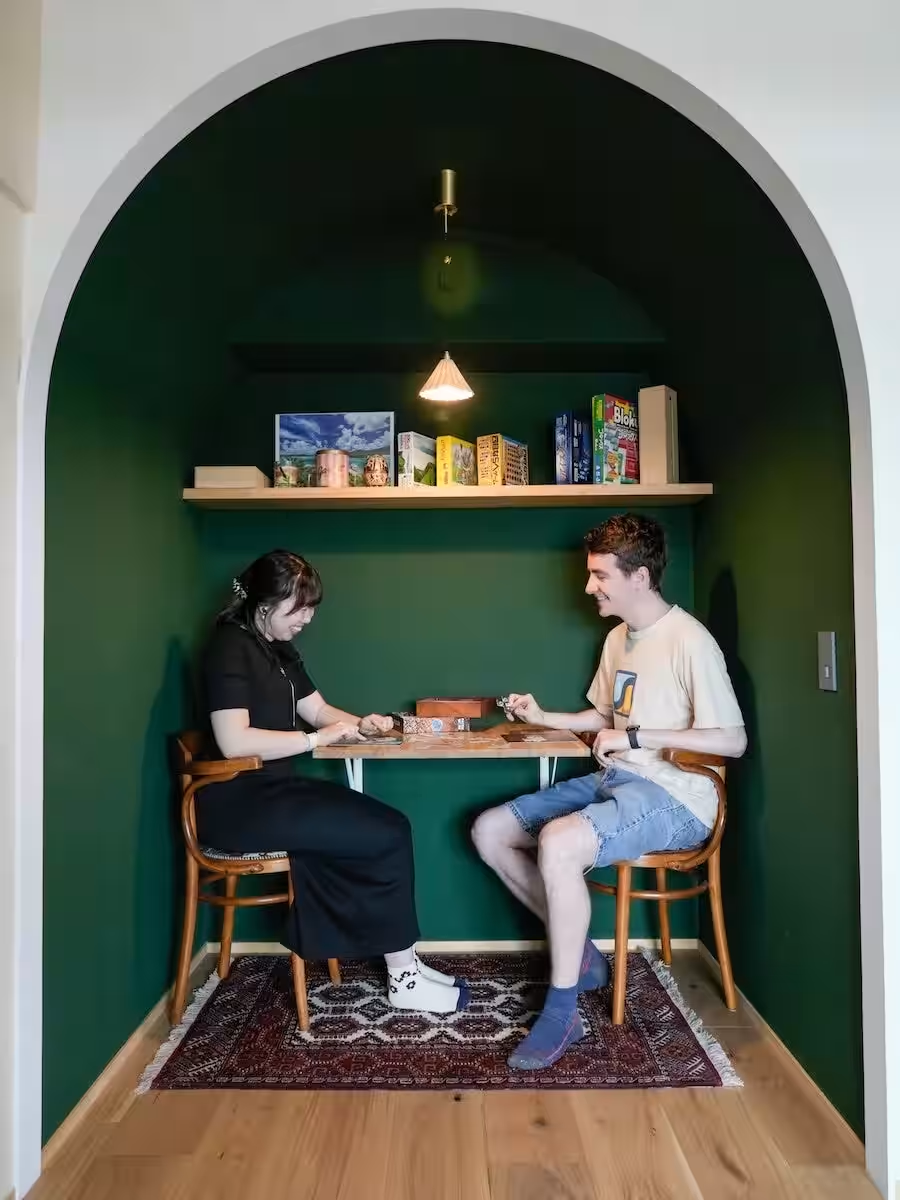
For instance, the 'Nook' concept, which provides multifunctional spaces for relaxation or study while allowing room for future adjustments, epitomizes this new ethos.
Introduction to Zero Renovation
Zero Renovation delivers a comprehensive renovation service, managing every stage from property acquisition to design, construction, and aftercare. With a philosophy of creating living spaces that provide freedom and comfort, their innovative approaches reflect current urban lifestyle philosophies. Through their various channels, including social media and YouTube, they engage with approximately 3.91 million users monthly, offering valuable insights into living and renovation choices.
To explore more about Zero Renovation and their top renovation insights, visit their official website: Zero Renovation.
- ---
- - Corporate Profile: Corporate Overview
- - Head Office Location: 2-12-42 Kita-Aoyama, Minato-ku, Tokyo, Japan
- - President: Satoru Ebinuma
Topics Consumer Products & Retail)
【About Using Articles】
You can freely use the title and article content by linking to the page where the article is posted.
※ Images cannot be used.
【About Links】
Links are free to use.