



Understanding the Impact of Joint Pain on Aging Parents and Family Awareness
Understanding the Impact of Joint Pain on Aging Parents
On May 10, 2026, families across Japan will celebrate Mother's Day. In this context, Zimmer Biomet G.K., a global leader in the medtech industry, conducted a survey on the awareness of joint pain affecting elderly parents among 1,200 participants aged between 20 and 60 years. This research coincides with the increasing elderly population, which presents notable challenges for families and society at large.
The survey aimed to investigate how awareness and communication about parents' joint pain could potentially lead to early medical consultations and a better quality of life. As life expectancy increases, there is a growing desire among elderly individuals to remain mobile and independent for as long as possible. However, the data revealed a concerning trend: while families are generally aware of their parents' health changes, there are significant barriers to discussing and addressing joint pain.
Key Findings from the Survey
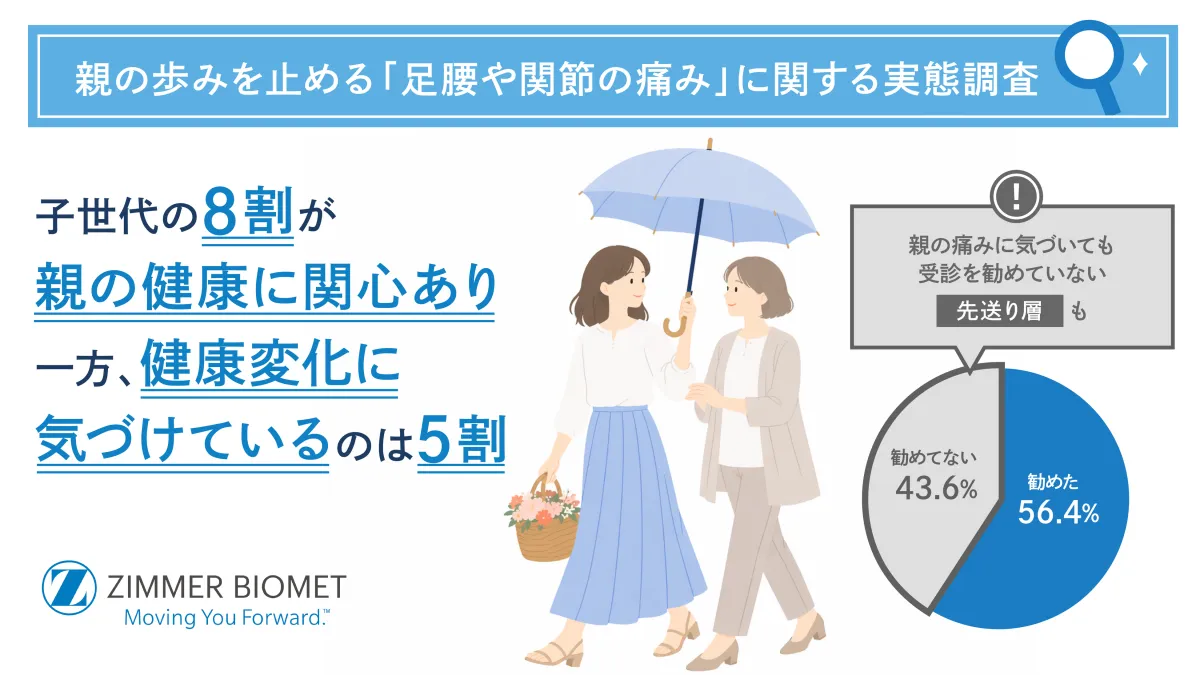
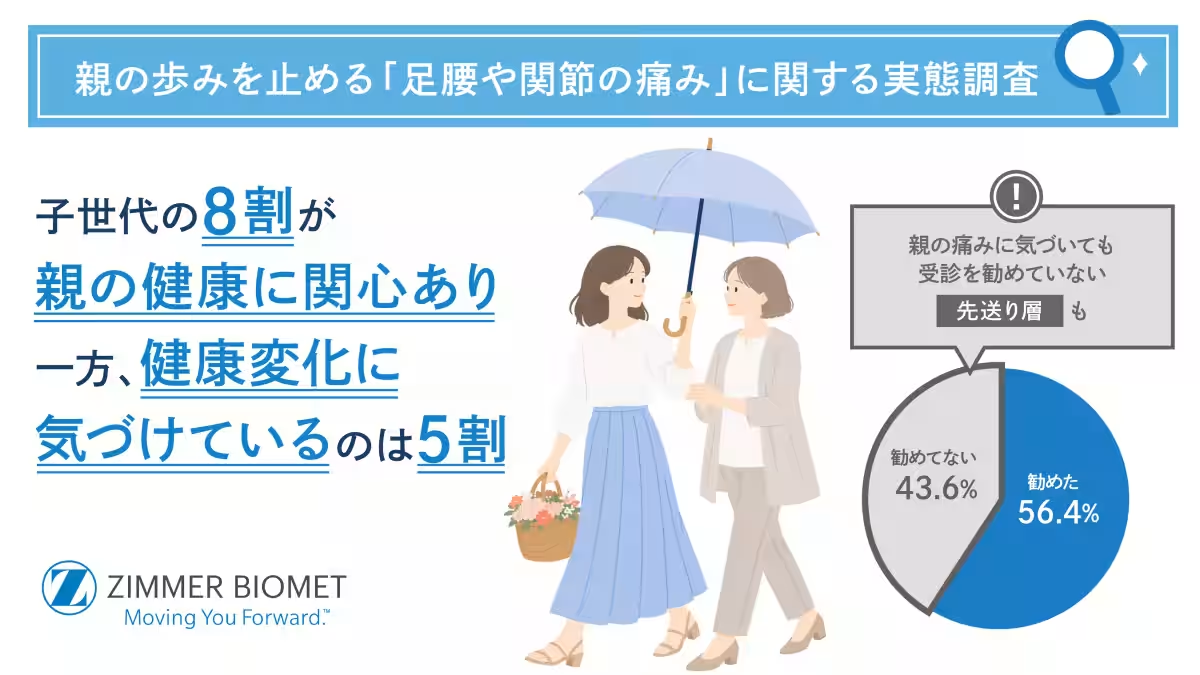
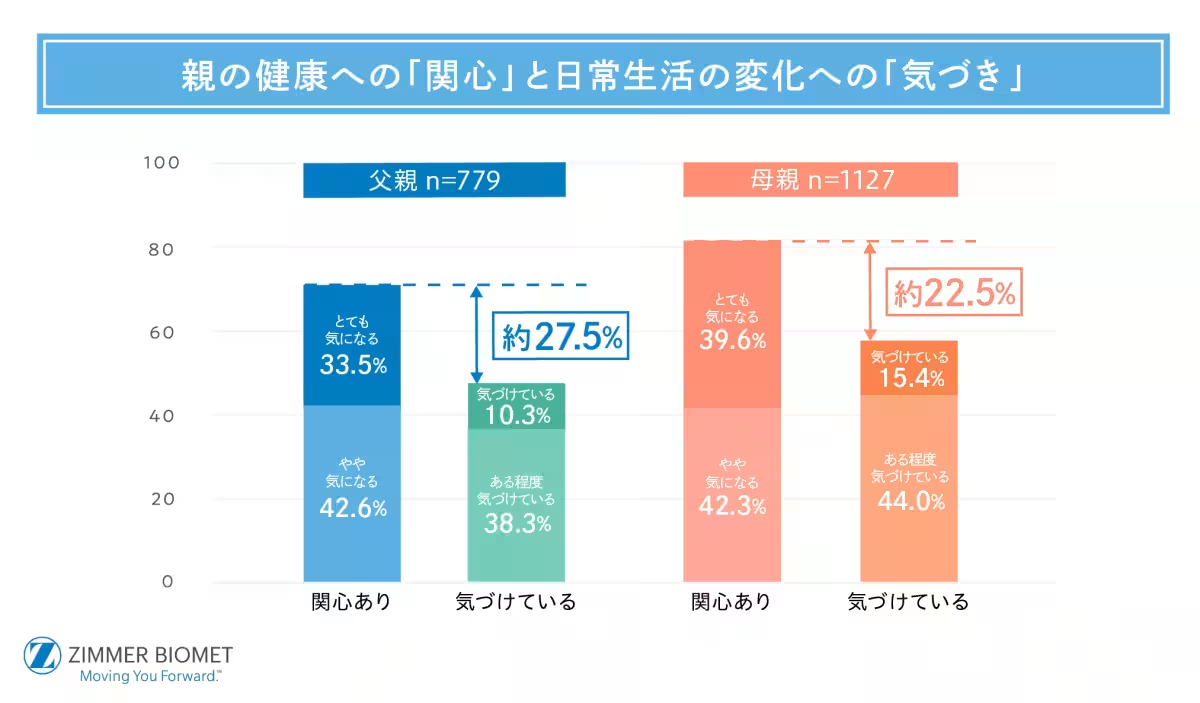
- - Approximately 80% of the surveyed individuals expressed concern about their parents' health, yet only about half recognized changes in their fathers' and 60% in their mothers' daily activities.
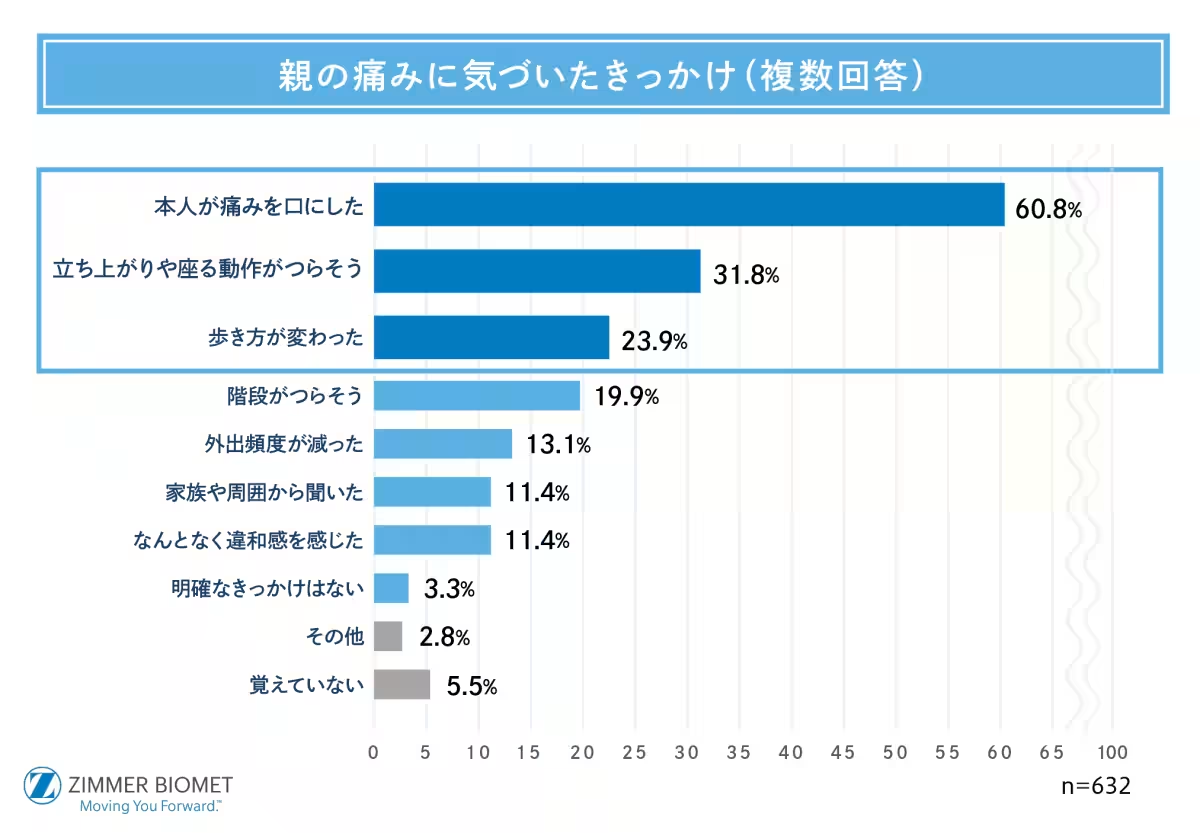
- - About 60% of the identified symptoms came from the parents themselves, suggesting that the child generation often struggles to detect issues without prompts.
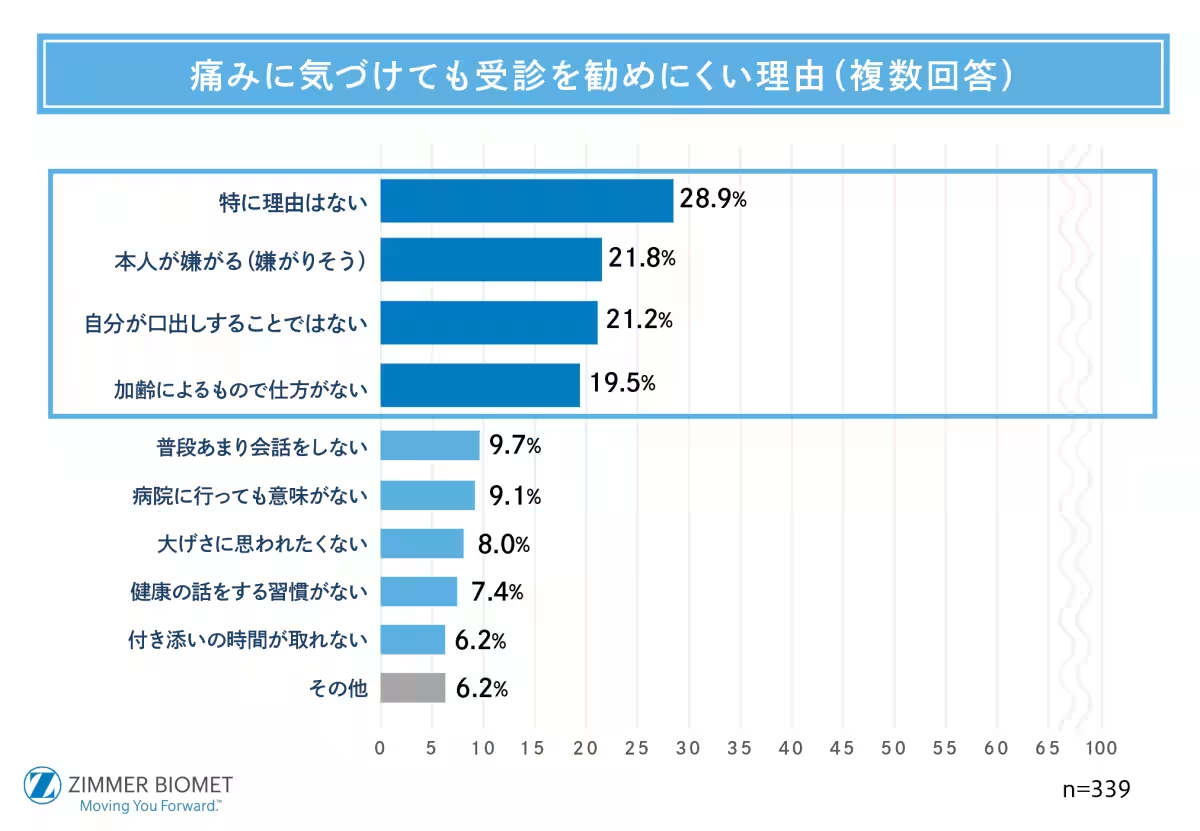
- - Even when awareness of the pain existed, around 40% of the respondents were reluctant to recommend a medical consultation, primarily due to the misconception that these issues are just natural signs of aging.
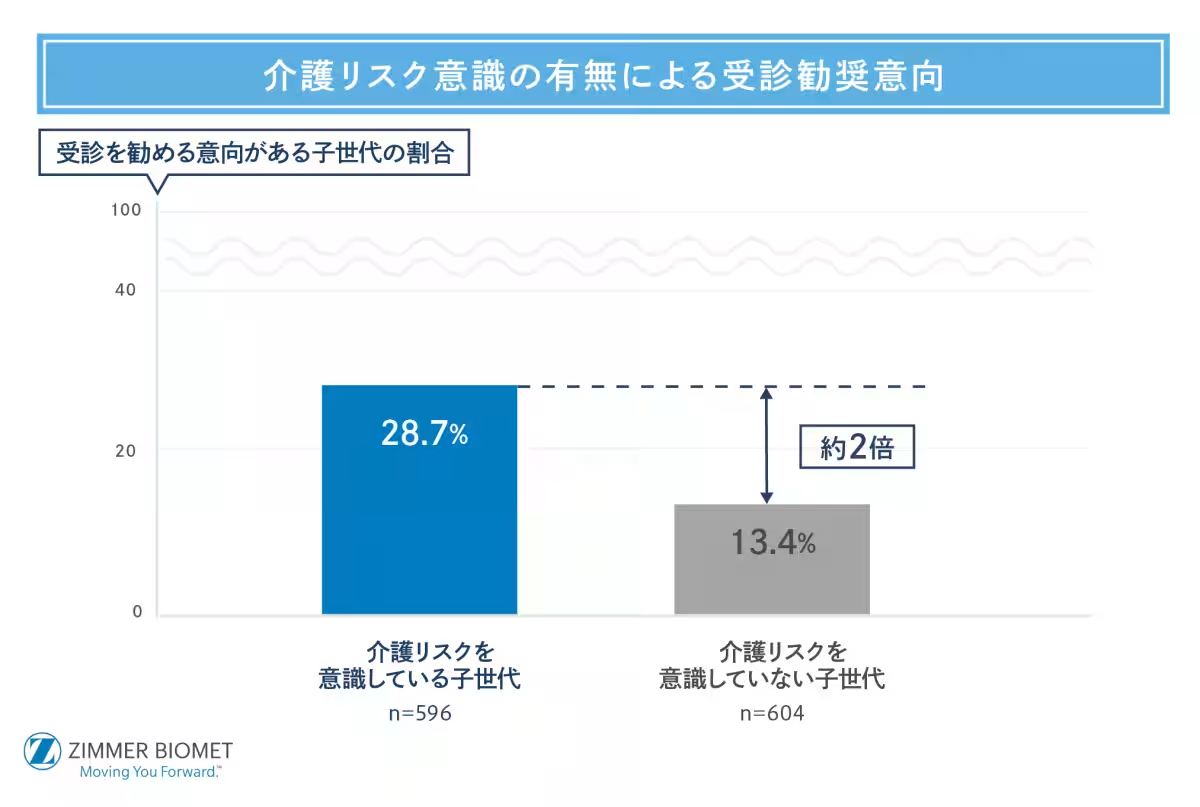
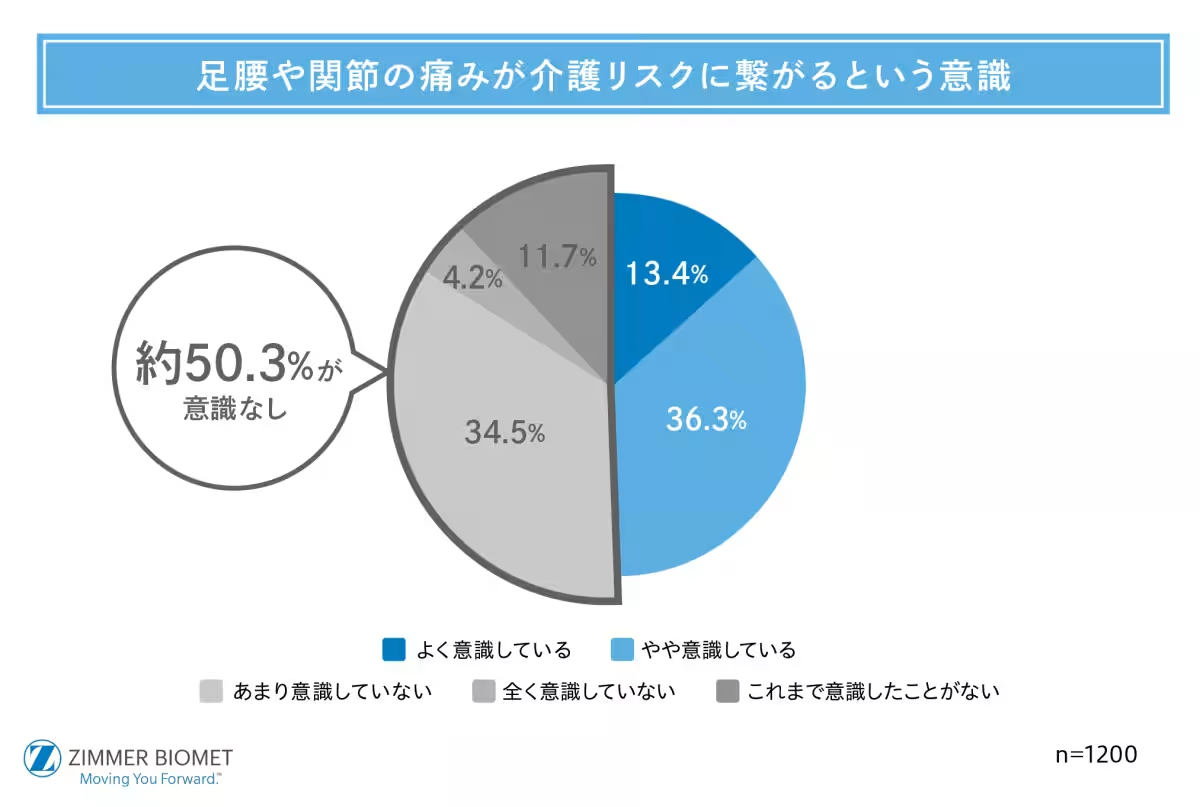
- - Barriers to communication within families were highlighted, with many believing it was inappropriate to interfere or that their parents would resist seeking help. Over 50% of respondents were unaware that neglecting joint pain could lead to future caregiving challenges.
Awareness Gaps Leading to Delays in Medical Attention
The collected data indicated that nearly 44% of respondents who acknowledged their parents' joint pain did not recommend a medical visit. Many cited reasons such as not seeing any particular harm, anticipated resistance from their parents, or simply underestimating the significance of the issue due to age. Alarmingly, the potential duration of suffering was often overlooked, with many indicating their parents had been in pain for several years.
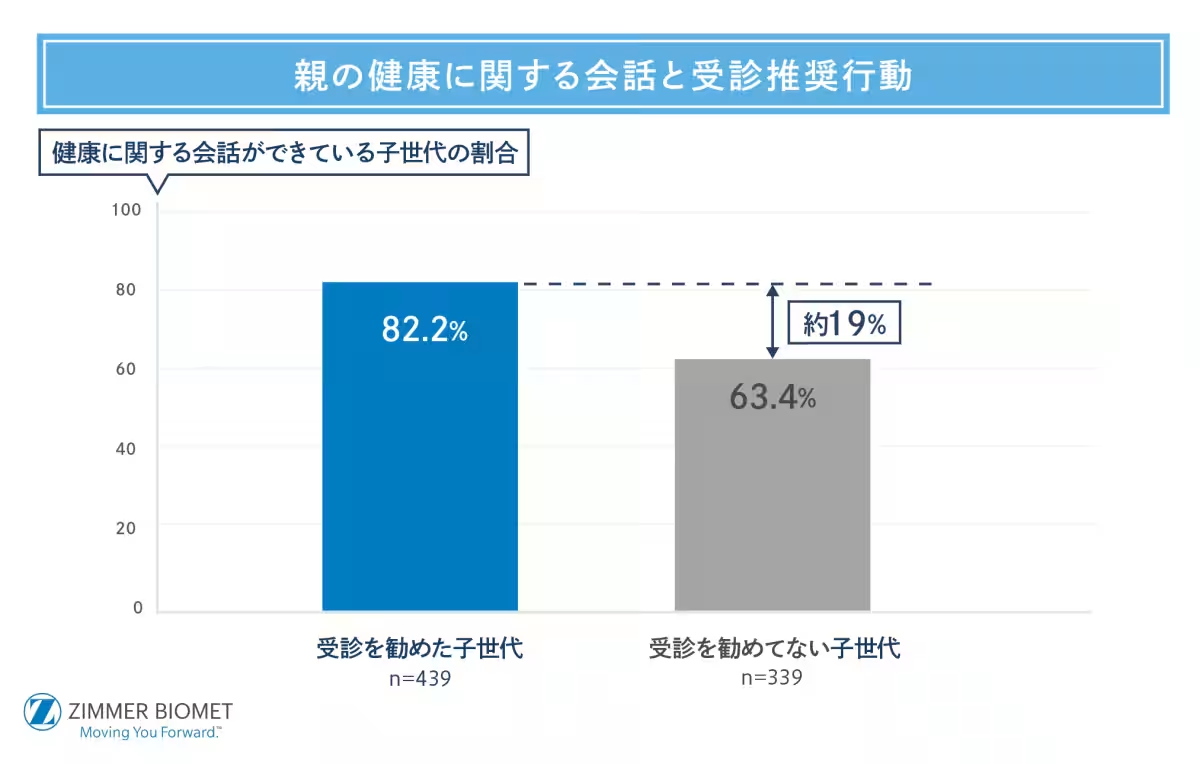
Moreover, those who regularly communicated with their parents about health were far more likely to encourage them to seek medical help. For example, among those who engage in health discussions, 82% recommended a consultation, compared to just 63% among those who avoided these topics.
Recognizing Joint Pain as a Critical Factor in Caregiving
The research emphasizes a critical connection between joint pain and future caregiving needs. Over 50% of respondents did not recognize the condition as a precursor to potential future caregiving responsibilities. This lack of awareness about the implications of neglecting joint pain underscores the need for more informed discussions about health within families.
Dr. Toshiharu Shirai, the head of orthopedic surgery at Yokohama Sakae Kyosai Hospital, offered critical insights on the survey’s findings. He emphasized that overlooking joint pain can lead to decreased mobility, social isolation, and a higher risk of falls or increased dependence.
Dr. Shirai advocates for early consultations to discuss joint pain, as addressing these issues promptly can lead to various treatment options ranging from medication and physical therapy to surgery, depending on individual conditions. He reassured families that interventions can be life-changing, enabling better mobility and quality of life.
Conclusion
This survey's findings reveal significant gaps in the recognition of joint pain as a serious health concern among aging parents, highlighting a need for enhanced family communication and early medical intervention. The results stress the importance of discussing health changes openly and proactively addressing potential issues. As we celebrate Mother's Day, let’s ensure our parents maintain mobility and a higher quality of life by encouraging timely medical consultations when necessary.
Lastly, it’s crucial that families feel empowered to speak up when they notice changes in their parents’ behavior and to approach health discussions delicately to foster a supportive environment conducive to addressing health concerns. The impacts of these conversations can profoundly influence the well-being of our loved ones as they age.
Topics Health)
【About Using Articles】
You can freely use the title and article content by linking to the page where the article is posted.
※ Images cannot be used.
【About Links】
Links are free to use.