



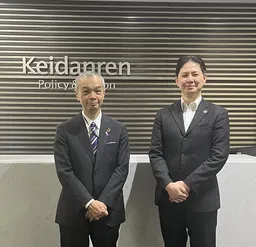
Building a Disaster-Resilient Economy in Japan: A Conversation with Leaders
Introduction
Japan's vulnerability to natural disasters such as earthquakes, typhoons, and floods underscores the importance of a resilient economy. The Japan Business Federation (Keidanren) has been proactive in encouraging disaster preparedness among companies and communities. Yoshihisa Masaki, the head of the Social Communication Department at Keidanren, and Ryutaro Ban’ya from the same department provide insights on necessary strategies to enhance disaster resilience in the Japanese economy.
The Imperative of Preparedness
With a projected 70% chance of a major earthquake occurring in the Tokyo metropolitan area in the next 30 years and a 60-90% likelihood for the Nankai Trough earthquake, the urgency for comprehensive disaster preparedness is clear. These disasters can lead to mass evacuations, prolonged stoppages in key industries, and disruptions to logistics that affect the entire societal framework. As modern threats evolve, the paradigm must shift from attempting to avert damage entirely to minimizing it while ensuring swift recovery—this is the essence of resilience.
Business Continuity Planning (BCP)
Past incidents, including the COVID-19 pandemic, exposed the limitations of traditional business continuity plans geared primarily toward specific natural disasters. Keidanren now advocates for an all-hazards BCP approach that considers a wide array of potential crises beyond just natural disasters. This strategy highlights the necessity for core business functions to remain operational regardless of the specific disaster faced, thereby ensuring continuity in supply chains and customer service.
Collective Responsibility
Japan's economic stability relies not just on large corporations but also on a myriad of small and medium-sized enterprises. The interconnected nature of supply chains means that failure at any link can halt operations entirely. As demonstrated during the pandemic, while some businesses manage to produce essential items, disruptions in logistics originating from international suppliers can be detrimental.
Thus, disaster preparedness cannot be a solitary endeavor. Companies must collaborate within their industries and with local communities to develop robust strategies that ensure the resilience of the entire system. Every business acts not only as a stakeholder but also as a supporter of societal functions. Hence, corporate preparedness is increasingly recognized as a form of social infrastructure.
Expanding Disaster Preparedness
Keidanren actively engages in initiatives like fundraising for disaster relief and recruiting volunteers. Their proposals emphasize integrating the concept of 'phase-free' disaster management, which shifts the mindset from waiting for a disaster to preparing proactively in a manner that balances investment with community benefit. For instance, tourism facilities designed for leisure can double as evacuation shelters during emergencies.
Keidanren's approach to disaster preparedness extends to quantifying the impact of such measures on social challenges. Companies must demonstrate how their resilience strategies align with societal benefit through metrics that guide investments. Just as cyber security measures yield measurable protection benefits, establishing clear indicators for natural disasters is necessary to reinforce corporate value in sustainable management.
Essential Emergency Supplies
Water and food are critical resources that are often scarce immediately following a disaster. Companies are now encouraged to maintain stocks sufficient for at least three days, ideally a week, enabling a sustainable cycle of consumption and replenishment. Emergency food should not be viewed merely as an added expense but as an investment in the safety and welfare of employees, contributing to broader societal responsibilities.
Rolling stock—where foods with expiration dates are consumed and replaced regularly—can build the framework for a supply that is consistently prepared for emergencies. Furthermore, corporate initiatives to donate items nearing expiration date to community kitchens when replenishing stocks enhance local support while reducing waste.
Involvement of Local Communities
A proactive approach from community members, encouraging collective involvement in BCP formulation and training activities, is invaluable. Keidanren continues to push for transparency around local road and stock conditions to reinforce preparedness efforts. Each region's specific hazards necessitate tailored responses that inform residents of their preparedness levels.
Inadequate stocking leads to increased reliance on external supplies, hindering recovery efforts. This reflects the interconnectedness of individual preparedness and social stability—stocking essentials can mitigate panic buying and stabilize supply chains post-disaster. As such, emergency food provisions are vital not just for individual protection but for sustaining economic and societal functioning.
Conclusion
The inevitable nature of disasters highlights the need for proactive measures that significantly reduce potential harm. Keidanren’s vision of a resilient economy isn't just a lofty ideal; it's a call for comprehensive societal engagement across industries, communities, and families, where everyone plays a role in fostering resilience and preparedness. As we move forward, we must collectively embrace our responsibility to ensure safety and effective recovery processes.






Topics Business Technology)

【About Using Articles】
You can freely use the title and article content by linking to the page where the article is posted.
※ Images cannot be used.
【About Links】
Links are free to use.