



Over 80% of People with Cancer in Family Fear Genetic Risk: A Survey by Cellcloud
Understanding the Genetic Risk of Cancer: Insights from Recent Research
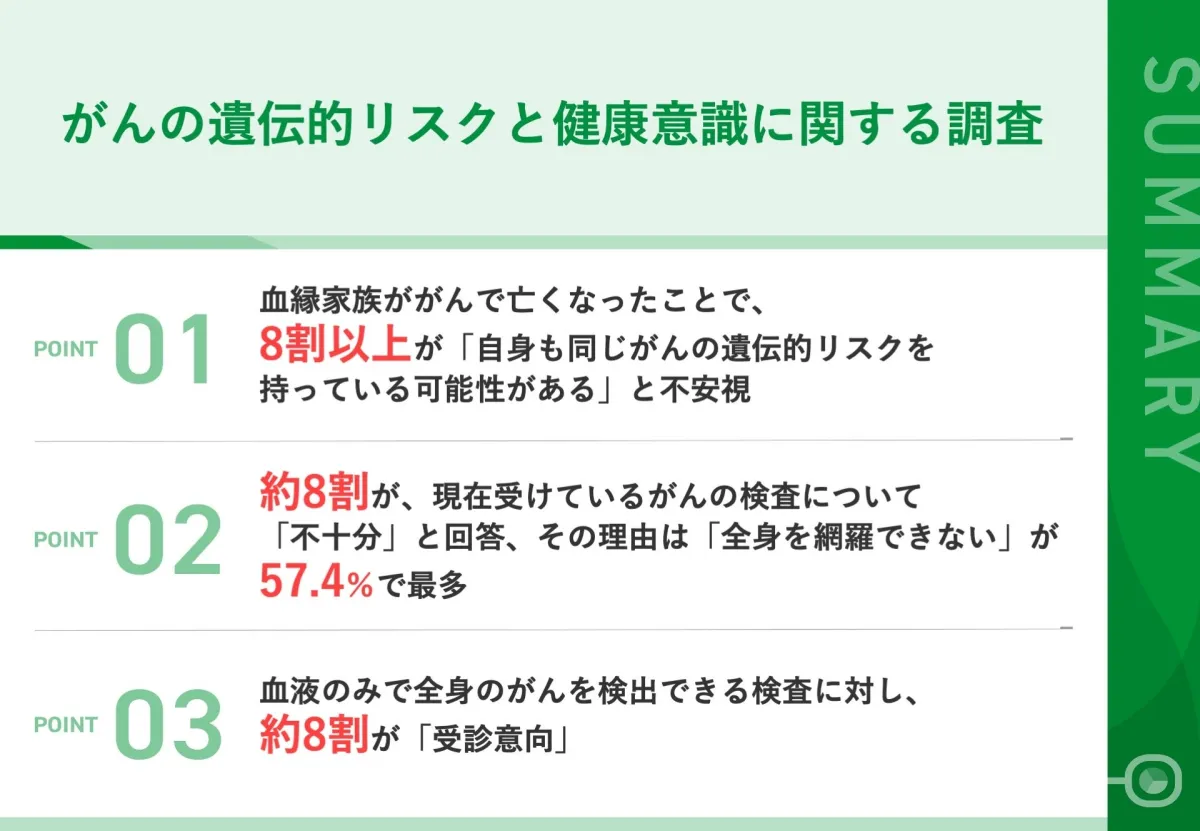
In a recent survey conducted by Cellcloud, a company based in Shibuya, Tokyo, over 330 participants who lost a family member to cancer were studied to assess their concerns regarding genetic risks associated with cancer. The findings reveal significant apprehension among respondents, with more than 80% expressing fears that they may also carry a genetic predisposition to cancer.
Survey Overview
The survey focused on individuals who experienced the loss of a close family member due to cancer within the last year. It aimed to explore their awareness of genetic cancer risks and attitudes toward health and testing approaches. According to public statistics, hereditary cancer only accounts for about 5-10% of all cancers, suggesting that the vast majority of cancers arise from acquired mutations or environmental factors. Given this context, the survey sought to visualize concerns related to genetic risks and the demand for tests that assess cancer risk through blood sampling.
Key Findings
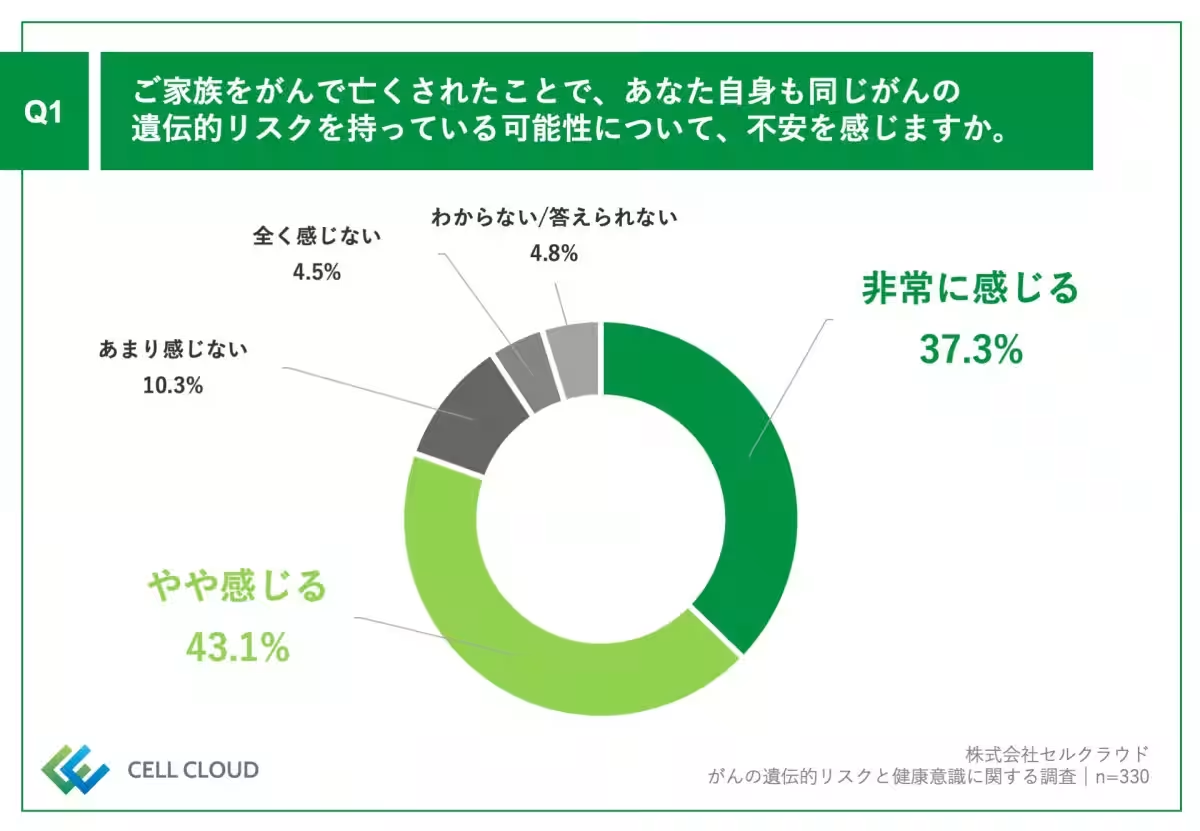
1. Prevalent Fears of Genetic Risk: When asked whether they feel at risk for developing the same type of cancer as their deceased relatives, 37.3% responded 'very much' and 43.1% replied 'a little' to the question of feeling concerned about potential genetic risks.
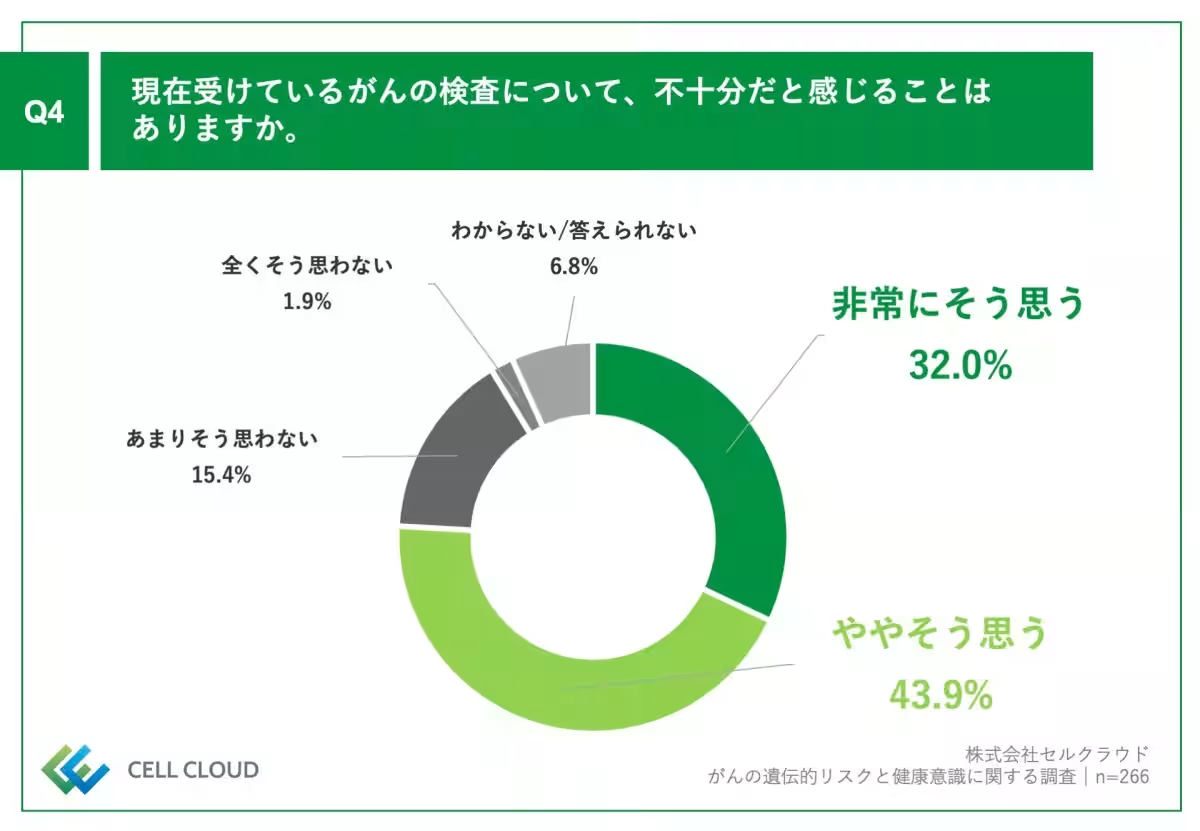
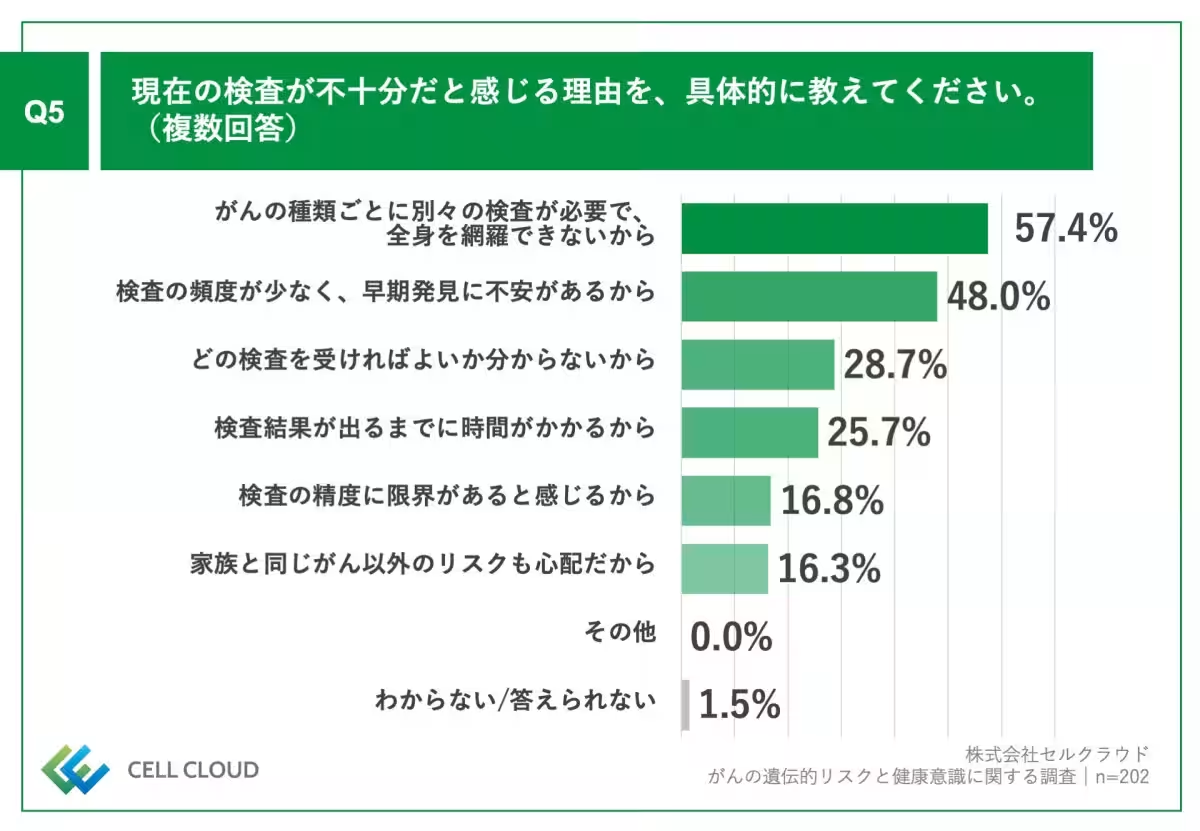
2. Dissatisfaction with Current Tests: Approximately 80% reported feeling that the cancer tests they currently undergo are insufficient. The most cited reason for this dissatisfaction (57.4%) was that current tests do not cover the entire body comprehensively.
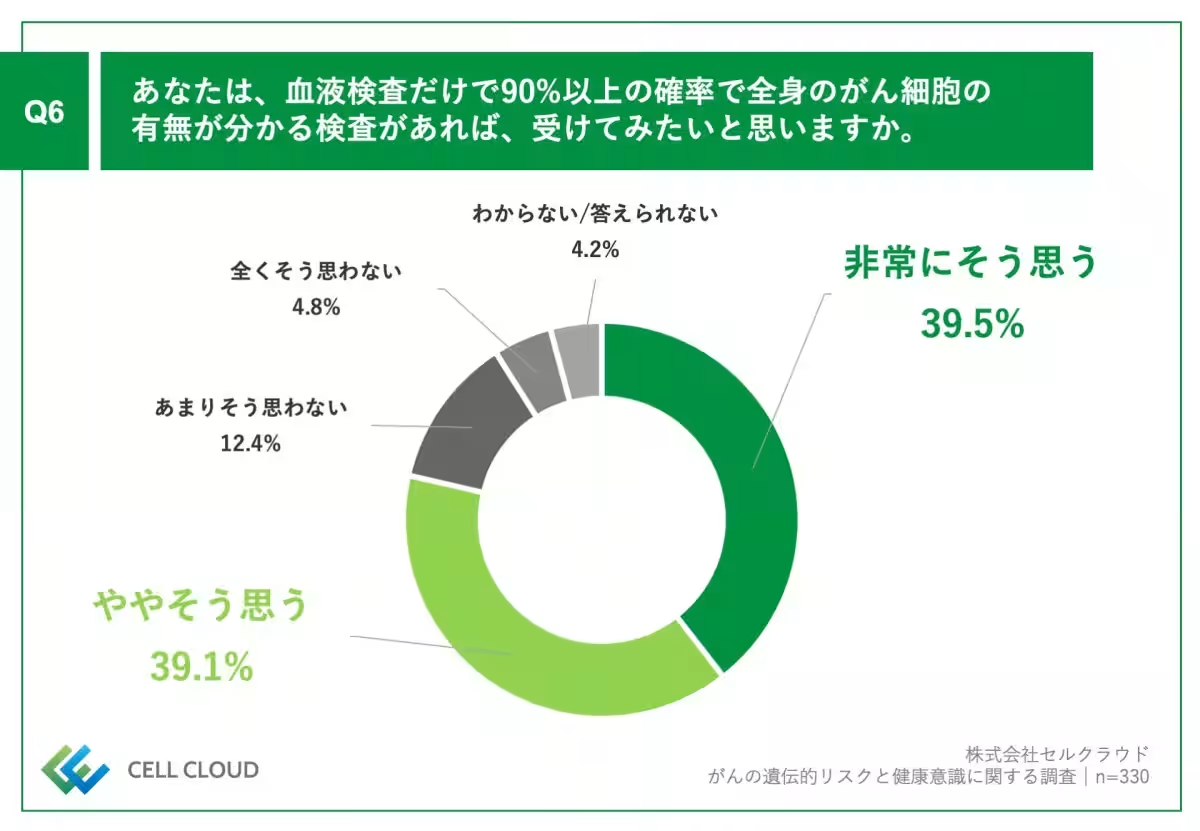
3. Interest in Comprehensive Blood Tests: In contrast, around 80% of respondents expressed a willingness to undergo a blood test that could detect all cancers with over 90% accuracy.
Challenges in Cancer Detection
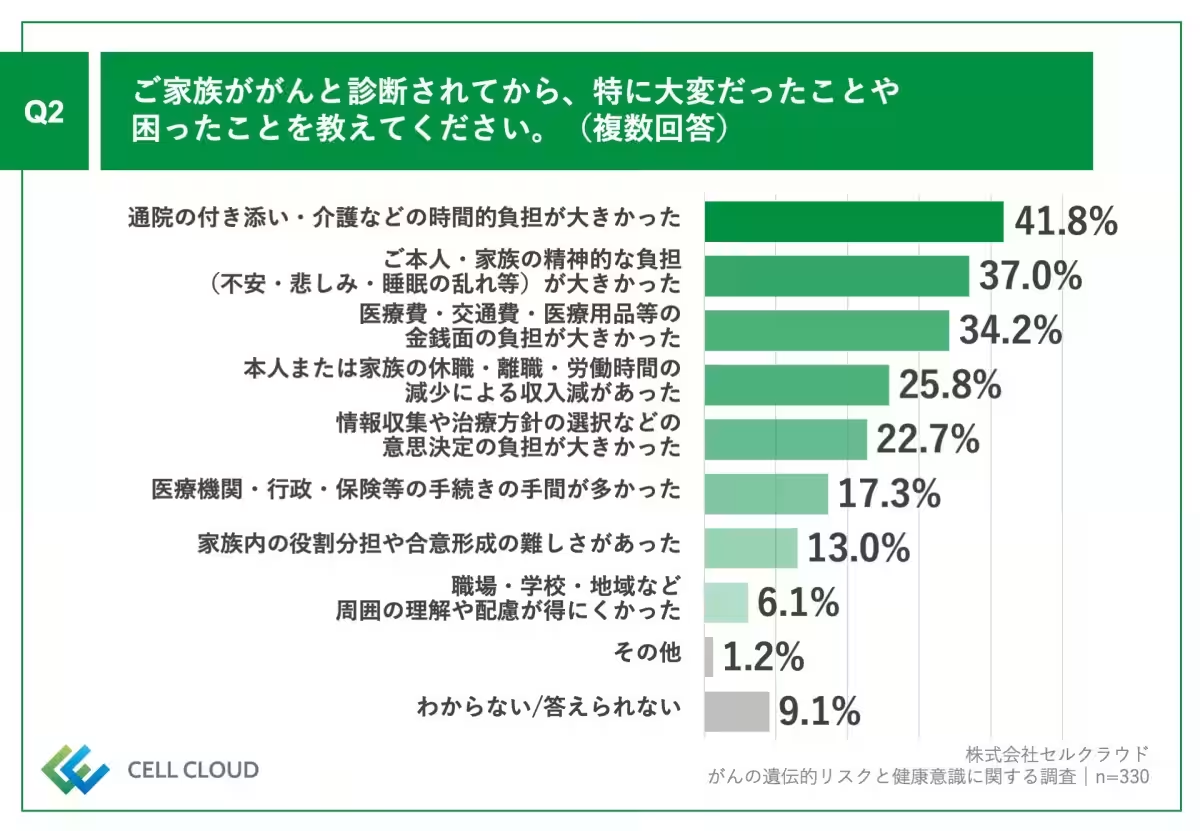
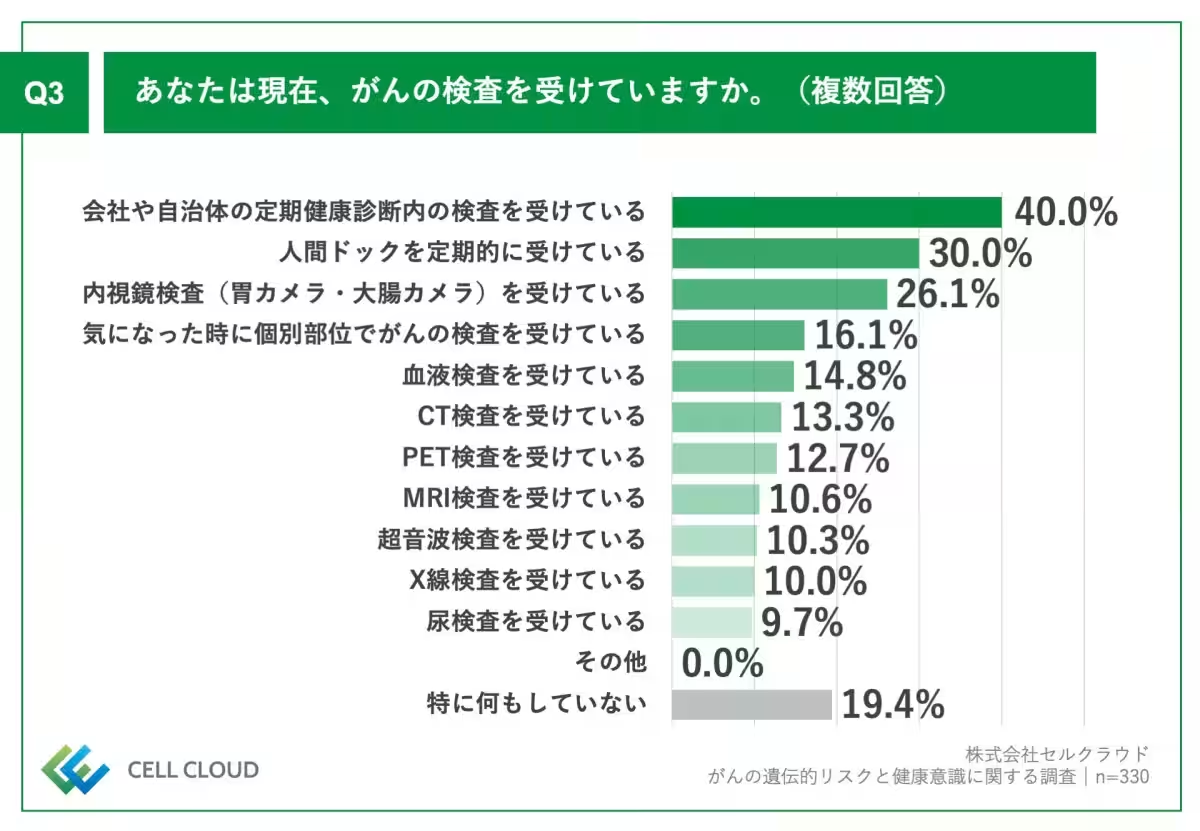
Among the respondents, significant challenges were noted regarding the care of family members during their cancer diagnosis. Many reported that the emotional and time burdens, including accompanying loved ones to medical appointments and managing their care, were overwhelming. Additionally, 40% indicated that they are currently undergoing routine cancer screenings through their employer or local health authorities.
Despite these efforts, many maintain that the tests they are receiving do not provide adequate coverage for early detection. The reasons for this sentiment largely center on the need for separate tests for different cancer types, leading to a lack of comprehensive evaluation and timely diagnosis. As a result, there is an urgent need for more efficient testing methods that can provide expansive results from a single blood sample.
Future of Cancer Screening
The survey highlighted a strong interest in new technologies like the Micro CTC test, which promises the ability to detect cancer cells through a simple blood sample. A staggering 78.6% of respondents indicated that they would be inclined to try out this type of test, which not only offers faster results but also reduces the burden of time and cost compared to traditional cancer screenings.
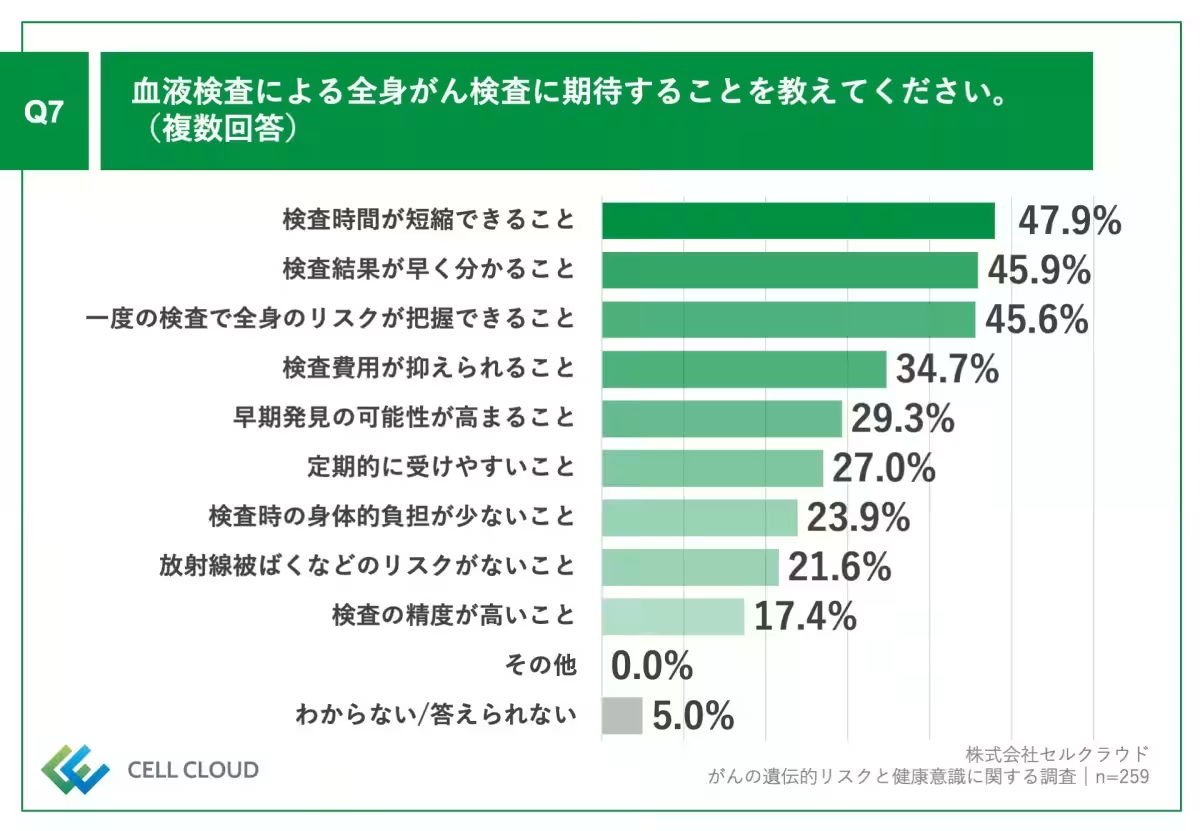
Respondents indicated several expectations for these tests, including reduced testing time and rapid result delivery. The potential for a single test to assess overall cancer risk was seen as a significant advantage, with the hope that such advancements could lead to easier access and implementation in regular health check-ups.
Conclusion
This research sheds light on the pervasive concern surrounding genetic risks among individuals with family histories of cancer. While the fear of hereditary cancer is predominant among many, it’s essential to acknowledge that genetic cancer represents a small fraction of total cases. There’s a clear gap between public perception and the reality of genetic risks, and the pressing need for advancements in cancer diagnostic technologies could be key to alleviating such fears. As we progress, developing blood tests that accurately assess cancer risk could become a cornerstone in preventive healthcare, potentially saving countless lives through early detection and intervention.
For those interested, a detailed download of this survey is available here.
- ---
About Cellcloud
Cellcloud is dedicated to reducing the fears and suffering associated with cancer. With the incidence of cancer rising, it's crucial to develop reliable and accessible testing methods that can streamline the detection process, fundamentally shifting how individuals perceive and manage their health risks. Through innovative solutions like the Micro CTC test, Cellcloud aims to provide peace of mind and promote better health outcomes for all.
Topics Health)
【About Using Articles】
You can freely use the title and article content by linking to the page where the article is posted.
※ Images cannot be used.
【About Links】
Links are free to use.