




Enhancing Sleep Quality for Longer Healthy Lifespan: Insights from Sleep Experts
Enhancing Sleep Quality for Longer Healthy Lifespan
On March 13, we celebrate World Sleep Day, followed closely by Japan's own Sleep Day on March 18. While Japan is renowned for its longevity, a crucial point often overlooked is the difference between overall lifespan and healthy lifespan. In this era where people can live to 100, the focus should be not only on living longer but also on living healthily. A foundational aspect of this is the quality of our daily sleep.
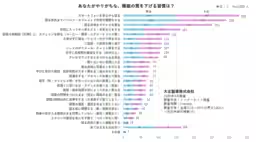
According to a survey conducted by Taisho Pharmaceutical Co., Ltd. in March 2026, which engaged 1,000 men and women aged 20 to 60 across Japan, the top five habits that tend to lower sleep quality include:
1. Looking at smartphones before bed (328 respondents)
2. Working or watching on computers or tablets right before sleep (292 respondents)
3. Watching TV until just before sleep (251 respondents)
4. Thinking or reflecting while lying in bed (161 respondents)
5. Consuming caffeine (like coffee or energy drinks) less than six hours before sleep (132 respondents).
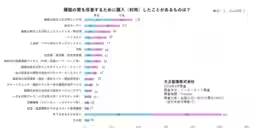
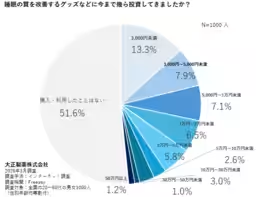
In terms of items purchased or used to improve sleep quality, the most popular choice was pillows designed for better sleep (178 respondents), followed by blackout curtains (131), mattresses (96), eye masks (82), and relaxation items like bath additives (73). However, it was surprising to find that over half (51.6%) of respondents had never purchased any sleep enhancement items. Among the rest, 13.3% spent less than 3,000 yen, while a mere 1.2% invested more than 500,000 yen.
It's crucial to address the stigma surrounding sleep duration in Japan. Sleep is not merely a break but an essential foundation for physical maintenance and mental recovery. Beyond the quantity, the quality of sleep also significantly impacts our healthspan. Dr. Ryutaro Shirahama, a sleep medicine expert and director of RESM Medical Corporation, offers valuable insights in achieving quality sleep:
Understanding Sleep Quality
Sleep cannot be understood through mere duration; it involves a balance between mechanisms that induce sleepiness and those that maintain wakefulness. Melatonin, which encourages sleep at night, and cortisol, which aids in morning wakefulness, must transition smoothly between night and day. However, irregular bedtimes, light exposure at night, and disrupted daily rhythms can hinder this switch, resulting in shallow sleep or frequent awakenings, despite spending time in bed.
There’s also a misconception that sleeping for over nine hours is harmful. This can reflect underlying issues like depression or sleep apnea affecting sleep quality, thus leading individuals to compensate by seeking longer sleep duration. Additionally, some people, known as “long sleepers,” may naturally need more sleep without adverse effects on daily life.
Hence, to truly understand healthspan in relation to sleep, focus should shift from the number of hours slept to whether the body is entering a restorative mode and maintaining a balanced rhythm. Merely increasing sleep duration without addressing the underlying environment and habits won't suffice. A reevaluation of personal sleep routines, daily living habits, diet, and sleep environment may enhance sleep quality, promoting a longer, healthier life.
Practical Tips for Quality Sleep
Here are essential strategies for cultivating quality sleep:
1. Establish a Consistent Rhythm: Regular sleep and wake times are crucial in stabilizing your body’s internal clock. Minimize the differences between weekdays and weekends to promote steady sleep.
2. Limit Naps to 20 Minutes: Napping can boost concentration if executed correctly; ideally, keep naps short (under 20 minutes) and take them before 3 PM to avoid interfering with nighttime sleep.
3. Beware of Post-Meal Sleepiness: Feeling sleepy after dinner doesn't always mean you're ready for bed. This can reflect digestion changes or temporary drops in blood sugar rather than actual sleepiness. Aim to finish dinner at least three hours before bedtime.
4. Monitor Sleep Duration: If you're consistently sleeping more than nine hours and still feel fatigued, consider consulting a healthcare professional as this may indicate underlying health issues.
5. Heed Snoring as a Warning: Persistent loud snoring can signal potential health issues such as sleep apnea, which should not be ignored due to associated risks.
Nutrition for Enhanced Sleep Quality
Nutritional factors also play a pivotal role in sleep quality. For instance, regions known for longevity often have diets rich in seafood, which are high in sleep-supporting nutrients such as:
- - Tryptophan: This essential amino acid aids in the production of serotonin and melatonin, helping regulate mood and sleep cycles. Present in foods like soy products and fish.
- - Taurine: Found in seafood, it aids cellular function and may help maintain circulation and temperature control — vital for promoting relaxation.
- - Omega-3 Fatty Acids: Abundant in fatty fish, these play a role in maintaining healthy neuronal function and may support melatonin production, influencing sleep depth.
- - Polyphenols: Present in dark chocolate and berries, these compounds may alleviate oxidative stress and contribute to a calming sleep environment.
Create a Sleep-Friendly Environment
Establish rituals to cue relaxation before sleeping, such as setting an alarm early enough to avoid any immediate pressure upon lying down. The setup of your bedroom—sound, aroma, and light—should promote tranquility. Ensure pillows and bedding support natural body curves and do not restrict movement.
If you struggle with falling asleep, consider getting up for a while instead of lying wide awake for too long. This avoids inverting the association of the bed with wakefulness. Engage in relaxing activities in dim light before returning to bed when genuine sleepiness sets in.
By integrating these approaches, addressing lifestyle changes, and refining sleep environments, we set the stage not just for better health but for an enriched quality of life.



Topics Health)
【About Using Articles】
You can freely use the title and article content by linking to the page where the article is posted.
※ Images cannot be used.
【About Links】
Links are free to use.