



Exploring the Relationship Between Walking Habits and Hay Fever Sufferers in Japan
Walking App 'aruku&' and its Survey on Hay Fever Awareness
In a recent initiative, the walking application 'aruku&', operated by the ONE COMPATH group, conducted a survey focused on the relationship between walking habits and hay fever awareness. The study engaged 10,646 users across Japan from February 12 to February 26, 2026. Alongside the survey, an event titled ‘Spontaneous Walking Competition’ was held, allowing participants to compete in walking steps divided into ‘hay fever group’ and ‘non-hay fever group’ categories.
Survey Results Overview
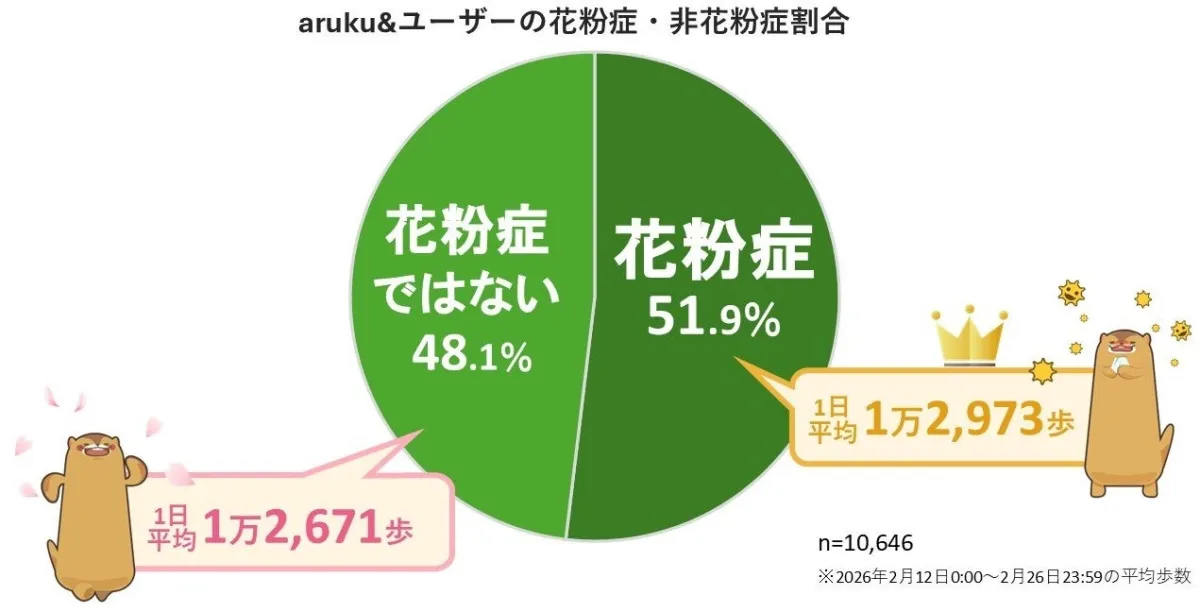
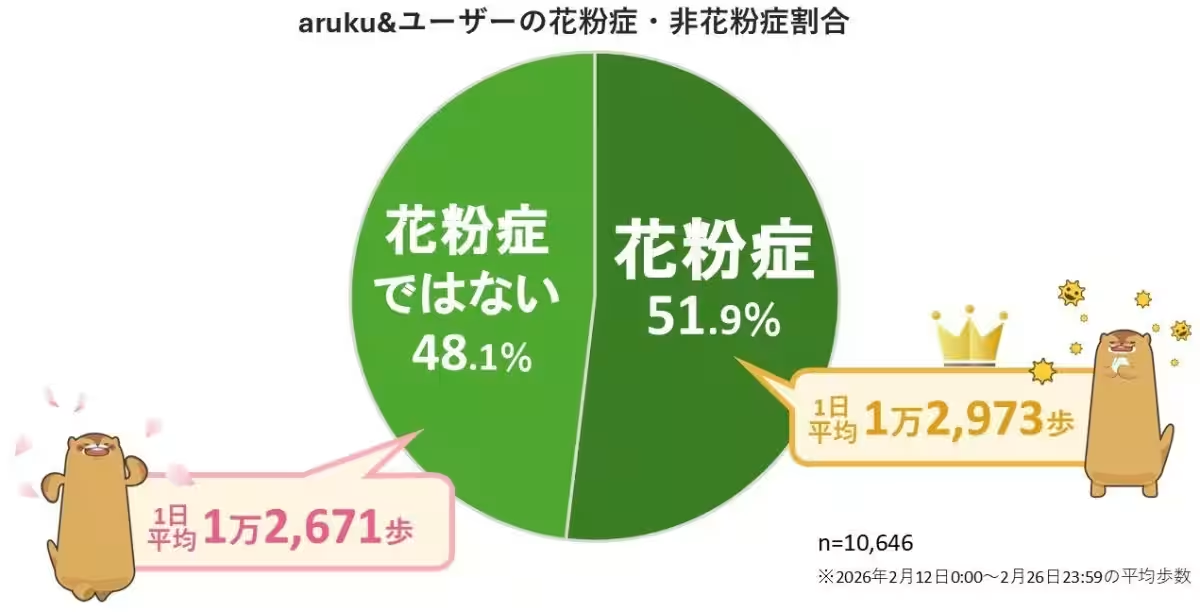
The outcomes of the survey revealed an almost equal split among the participants, with 51.9% identifying as hay fever sufferers, while 48.1% reported that they do not have hay fever. The average daily steps were slightly higher in the hay fever group, averaging 12,973 steps compared to 12,671 steps in the non-hay fever group.
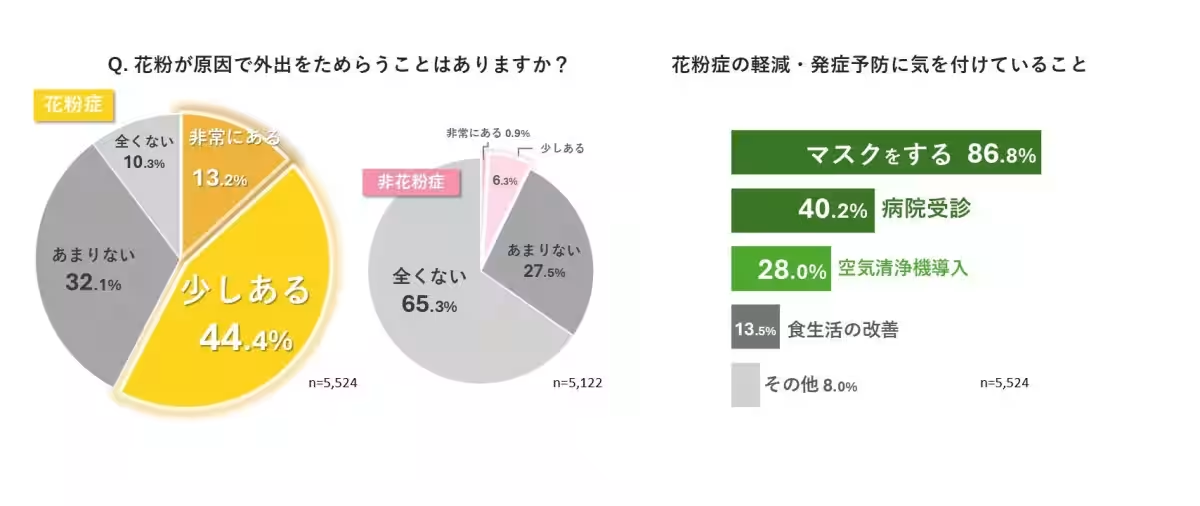
Interestingly, around half of the hay fever sufferers stated that they sometimes hesitate to go outside due to their condition, in stark contrast to under 10% of the non-sufferers who admitted to similar concerns.
Impact of Hay Fever on Outdoor Activities
Among those affected by hay fever, a striking 57.6% acknowledged that pollen often makes them reluctant to engage in outdoor activities. This indicates a significant impact on the daily lives of those afflicted. The most common strategies employed by sufferers to mitigate their symptoms include wearing masks, seeking medical treatment, and using air purifiers.
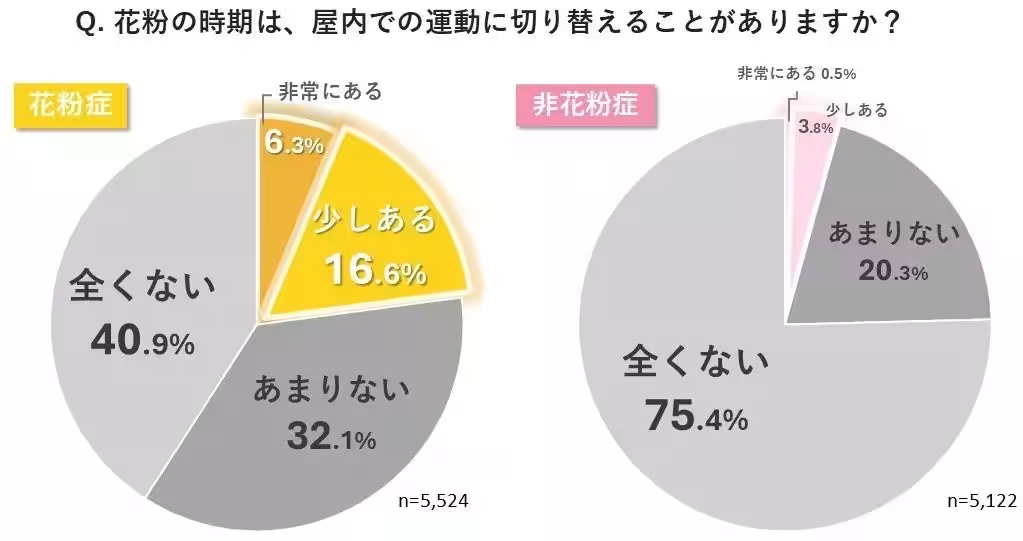
When exploring the adjustments made to exercise routines during the pollen season, the disparity becomes even clearer. The survey indicated that only 4.3% of non-sufferers switch to indoor workout sessions, while a substantial 22.9% of hay fever sufferers do the same—a fivefold increase. Responses from individuals included activities like stretching at home while watching videos, participating in dance fitness, or walking in shopping malls to maintain exercise without being affected by the pollen.
Regions with Fewer Hay Fever Cases
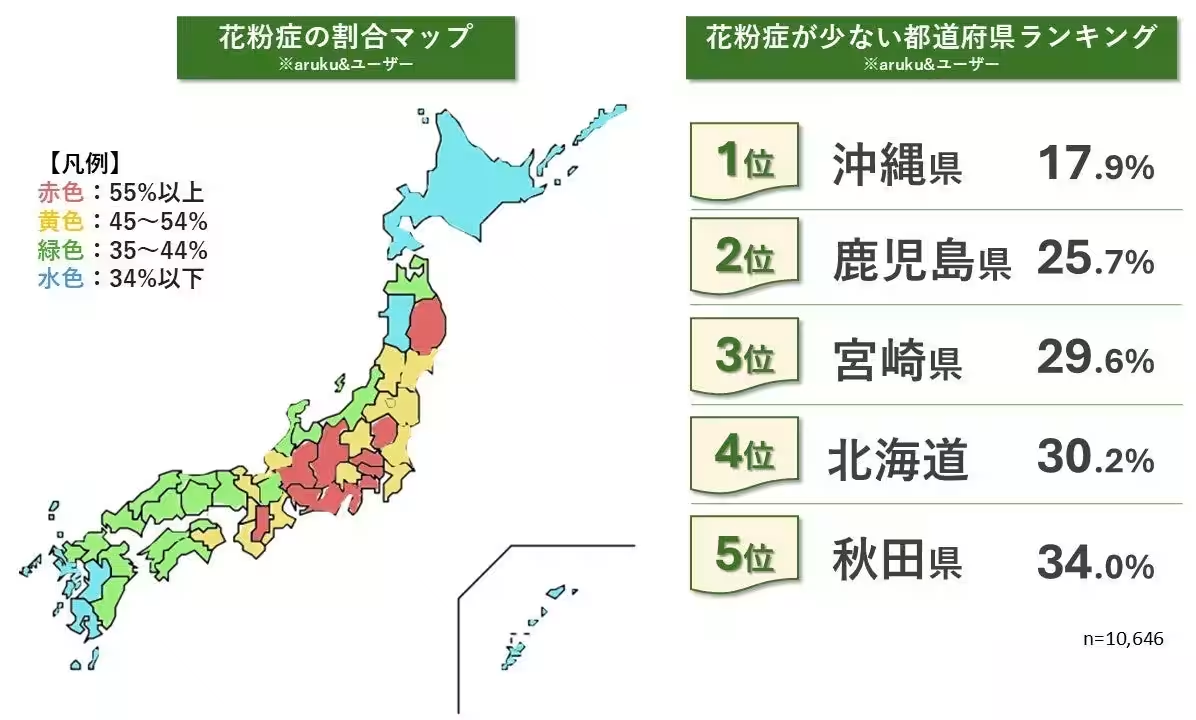
The survey also analyzed the geographical distribution of hay fever cases among 'aruku&' users. Notably, the areas with the lowest incidence rates were Okinawa, Kagoshima, and Miyazaki, with these prefectures situated in the southern part of Japan. The characteristics of these low incidence regions include a lack of cedar and cypress trees, high altitudes above 1000 meters, and coastal areas where sea breezes are prevalent. Conversely, Iwate prefecture recorded the highest percentage of hay fever sufferers at 62.5%, attributed to the abundance of cedar forests in the region, particularly along the Kitakami River.
To cope with their symptoms during pollen season, a myriad of strategies has been shared among walkers. Some mentioned wearing stylish masks, opting to walk at night, or enjoying seasonal flowers while walking as effective methods to sustain their outdoor exercise.
Relationship Between Health Investment and Immunity Training
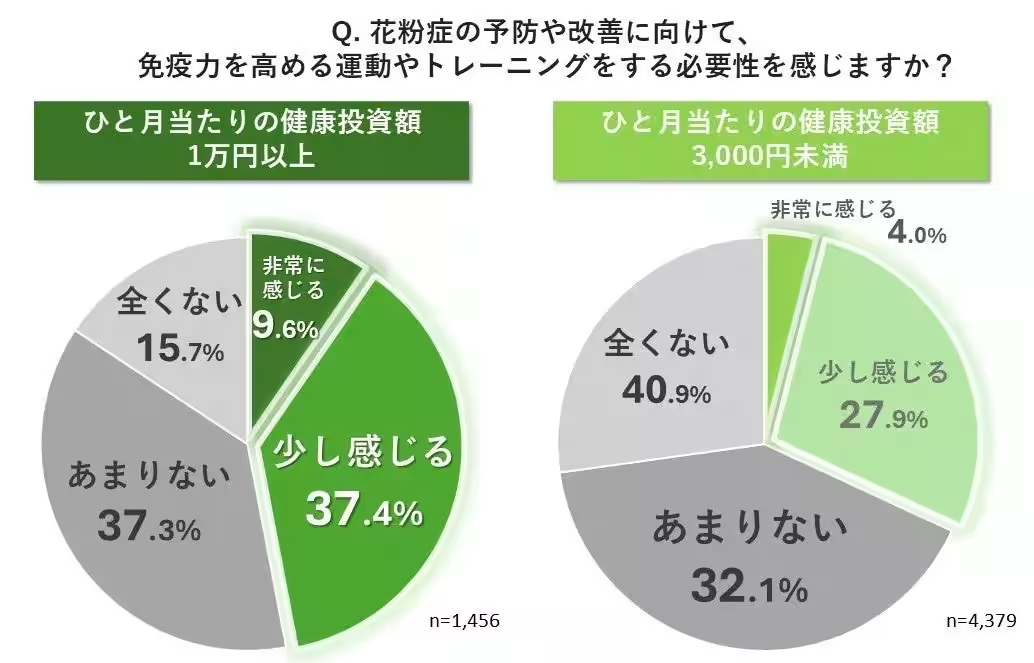
An intriguing trend emerged when contrasting health investment among different demographics; individuals investing more than 10,000 yen monthly were more likely to believe in the need for immune-boosting exercises. Participants from this higher investment group expressed sentiments like, “I think the condition of my health can improve or worsen hay fever,” or “Enhancing my immunity is vital.” Many were keen to try natural remedies rather than rely solely on medication.
Conclusion
The 'aruku&' user survey offers vital insights into how hay fever affects individuals' walking habits and outdoor participation. The findings underscore the necessity for awareness and strategies that can aid those experiencing symptoms, allowing them to continue enjoying active lifestyles, even during pollen season. As the app continues to promote enjoyable walking experiences, it also emphasizes the importance of holistic health approaches.
Survey Overview
- - Area: Nationwide
- - Participants: Users of 'aruku&' (various age groups)
- - Sample size: 10,646 valid responses
- - Period: February 12-26, 2026
- - Method: Online research (in-house survey)
Note
When utilizing the results of this survey in articles, please credit ‘Conducted by ONE COMPATH for

Topics Consumer Products & Retail)
【About Using Articles】
You can freely use the title and article content by linking to the page where the article is posted.
※ Images cannot be used.
【About Links】
Links are free to use.