




Understanding Long UVA: The Hidden Danger for Your Skin Even with Sunscreen
Understanding Long UVA: The Hidden Danger for Your Skin Even with Sunscreen
In today's beauty industry, despite diligently applying sunscreen, many individuals experience skin disturbances that leave them puzzled. This is where the recently spotlighted Long UVA (UVA1) comes into play, as elaborated in the UV care column published by ALLPAIR, a prominent cosmetics brand in Japan. The column titled "Why does my skin react despite applying sunscreen? Understanding the UV risks of Long UVA" delves into the intricacies of UVA rays and their implications on our skincare routine.
Beyond Immediate Effects of UV Rays
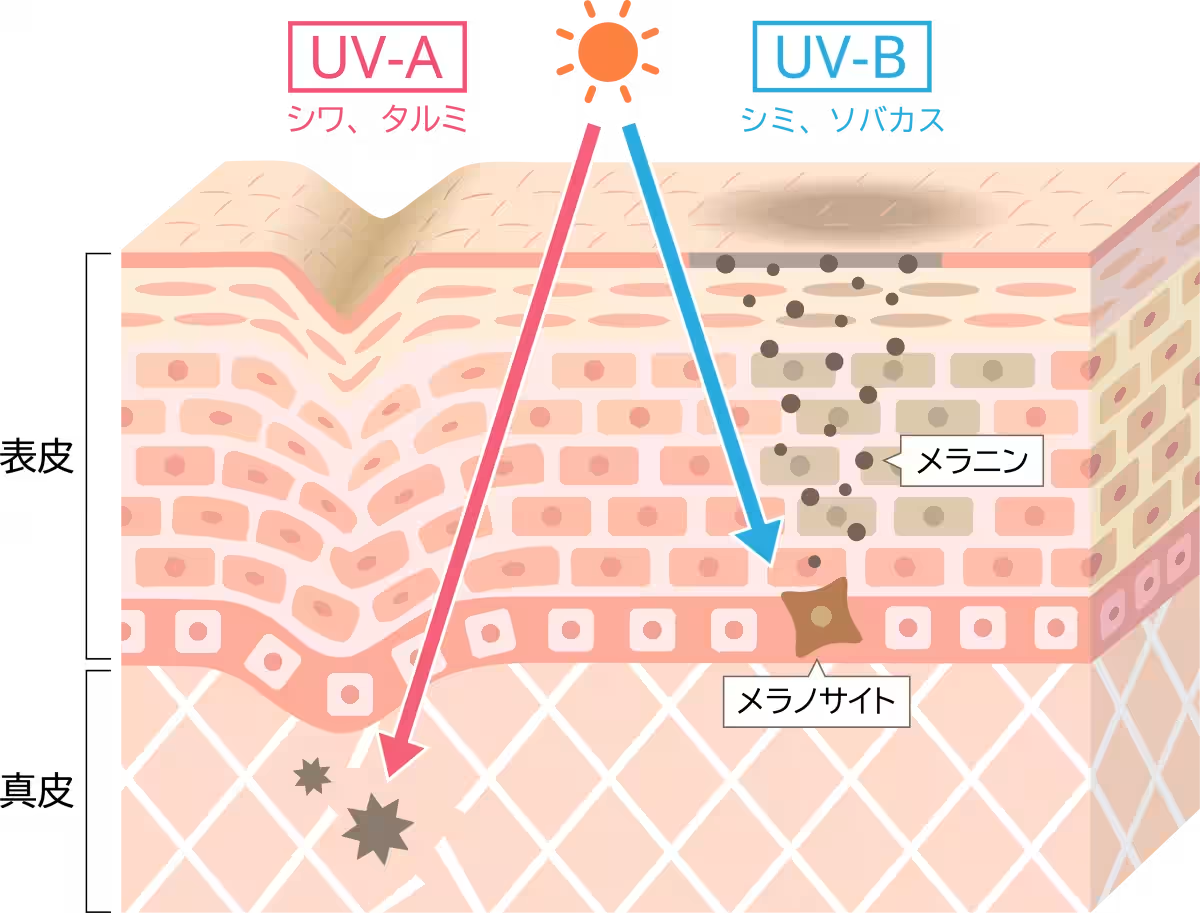
When we think of the effects of UV rays, we often focus on visible issues like sunburns or tans. However, it's crucial to understand that UVA rays penetrate deeper into the skin compared to UVB rays, resulting in long-term effects such as loss of skin elasticity, dullness, and premature aging. This column is designed to clarify the distinctions between UVA and UVB rays, elaborate on the characteristics of Long UVA (UVA1), and guide readers on how to select effective sunscreens that consider both SPF and PA ratings.
The Differences Between UVA and UVB
UV rays primarily fall into two categories: UVA and UVB. UVB rays tend to damage the skin's surface, leading to sunburn, redness, and pigmentation. In contrast, UVA rays, which have longer wavelengths, can easily penetrate deeper layers of the skin, contributing to aging signs like wrinkles and sagging.
UVA rays are further divided into two types: UVA2 (short wavelength) and Long UVA (UVA1) that ranges from 340 to 400 nm. Long UVA is particularly concerning because it is less noticeable than UVB in terms of its immediate effects, making it easy for individuals to underestimate its daily exposure and potential damage.
The Importance of PA Ratings in Sunscreens
When selecting sunscreen, it’s essential to look beyond just the SPF rating. While SPF indicates protection against UVB rays, the PA rating signifies protection against UVA rays. This column emphasizes the significance of incorporating PA ratings into daily UV care routines, as the impact of UVA rays can lead to deeper skin issues such as dryness, wrinkling, and dullness.
Choosing the Right Sunscreen for Daily Use
Consistency is key in UV protection. The column offers insight into what to consider when choosing a sunscreen: prioritizing PA ratings, ease of application, a smooth texture, reapplication convenience, skin-friendliness, and ease of removal. It’s not only about protecting against UV damage but also ensuring that the sunscreen can seamlessly integrate into your daily skincare routine without feeling cumbersome.
Featured UV Protection Product from ALLPAIR
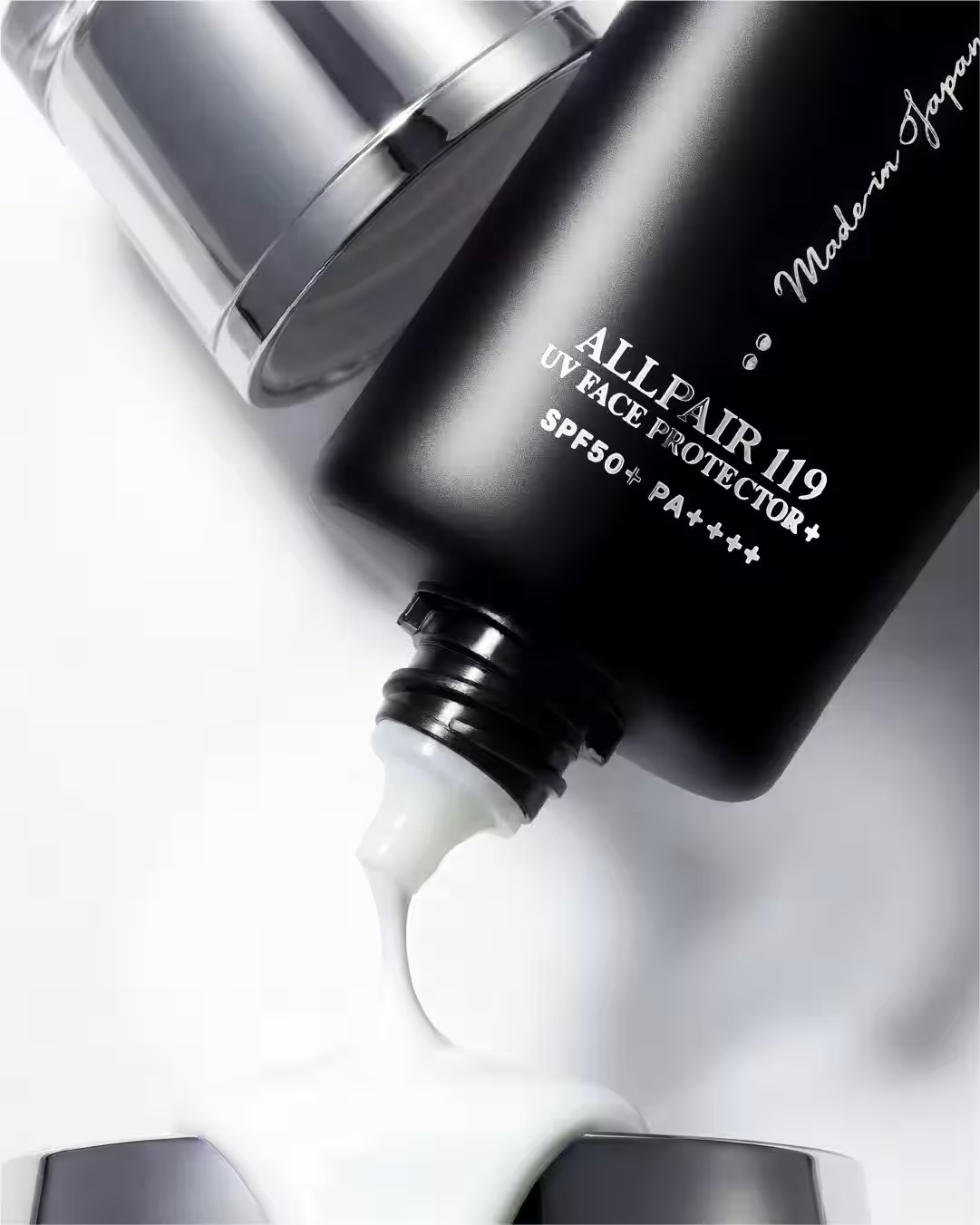
One standout product mentioned in the column is the ALLPAIR119 UV FACE PROTECTOR+. This facial sunscreen has a robust SPF of 50+ and a PA++++ rating, providing comprehensive protection against both UVB and UVA rays. Designed with an intention for daily use, it combines comfort with an innovative serum-based formulation, creating a lightweight feel reminiscent of a silk veil on the skin.
Additionally, it's enriched with natural ingredients such as cherry blossom leaf extract, fermented hibiscus flower extract, and rice bran extract, providing hydration and nourishment, and making it particularly effective for skin exposed to UV rays during the changing seasons.
Learn more about ALLPAIR119 UV FACE PROTECTOR+ here.
A Routine for Future Skin Health
Understandably, UV protection isn't limited to summer months; it's a year-round commitment. This column urges readers to think about skincare not just in terms of preventing superficial damage but also in how it supports the future health and appearance of our skin. Early morning routine recommendations including applying a protective layer of sunscreen can help establish a habit of awareness towards Long UVA.
In conclusion, the column serves as a timely reminder to examine and revamp our daily sun protection practices. By emphasizing the significance of Long UVA care, ALLPAIR aims to inspire individuals to take proactive steps in safeguarding their skin for years to come.

Topics Consumer Products & Retail)
【About Using Articles】
You can freely use the title and article content by linking to the page where the article is posted.
※ Images cannot be used.
【About Links】
Links are free to use.