



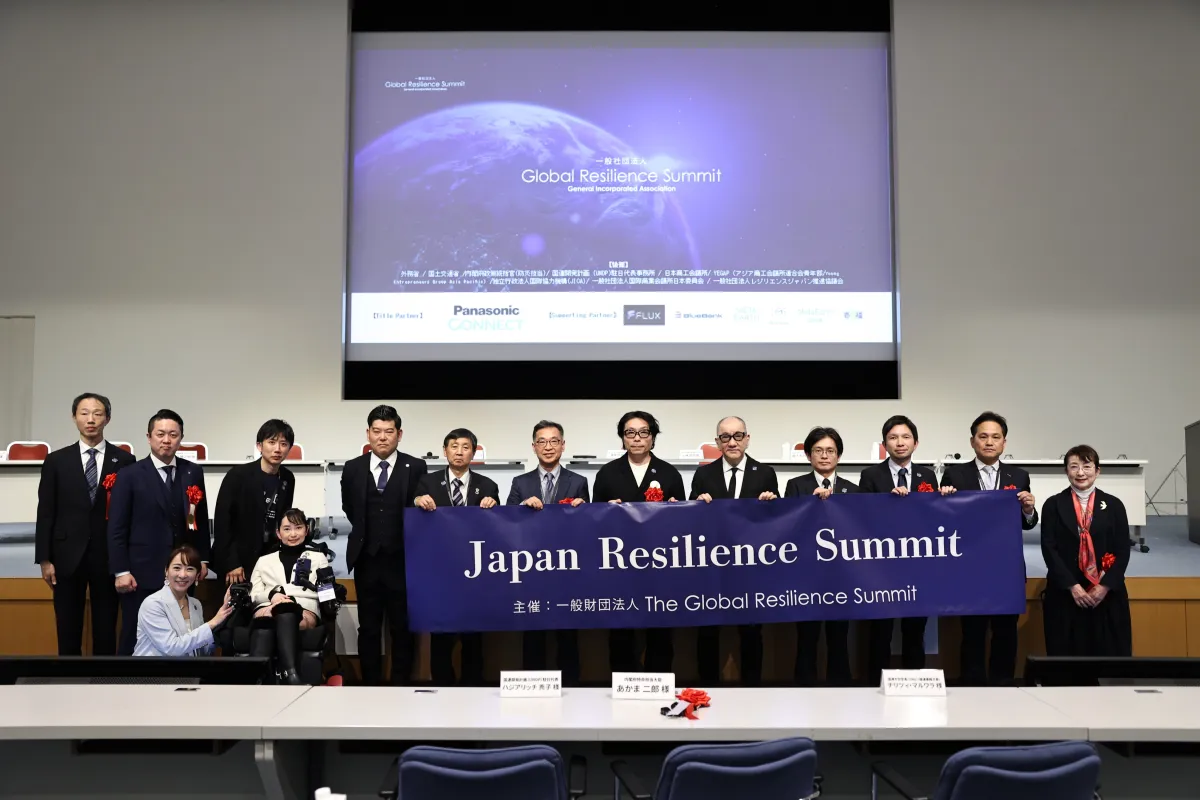
Japan Resilience Summit: Unifying Regional Leaders for Disaster Preparedness
Overview of the Japan Resilience Summit
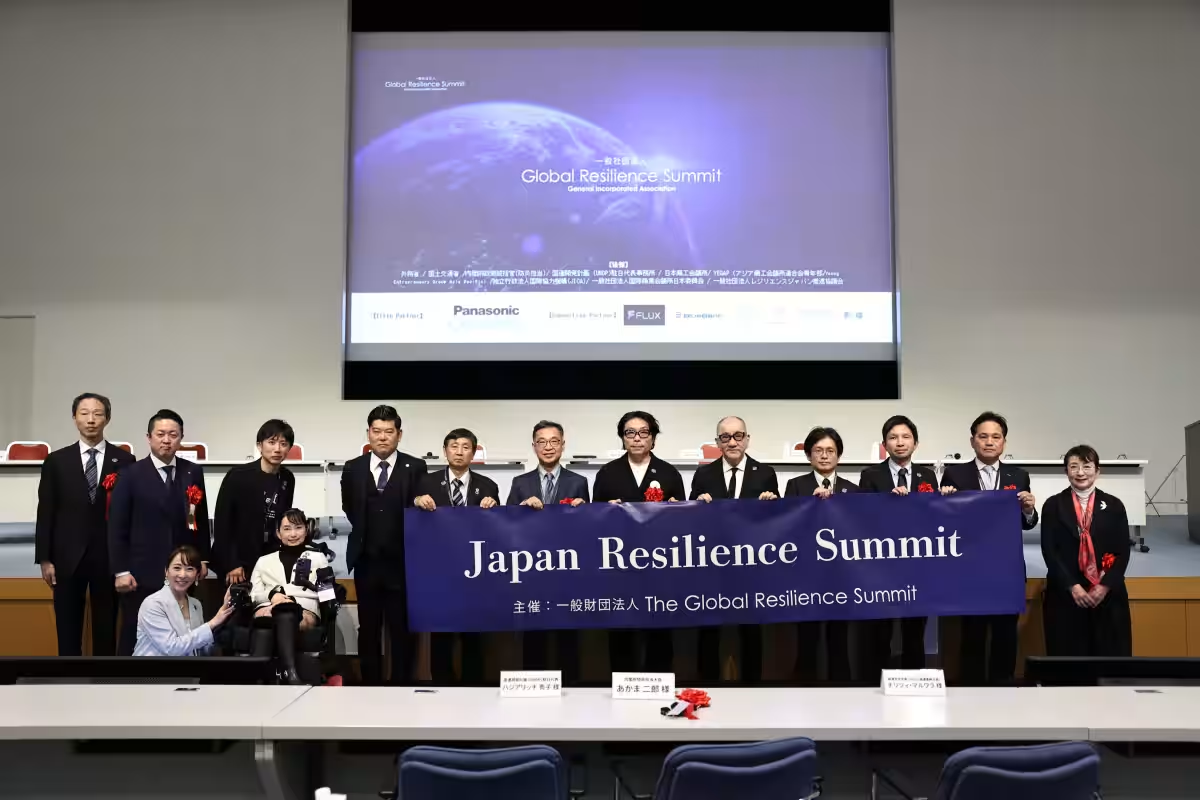
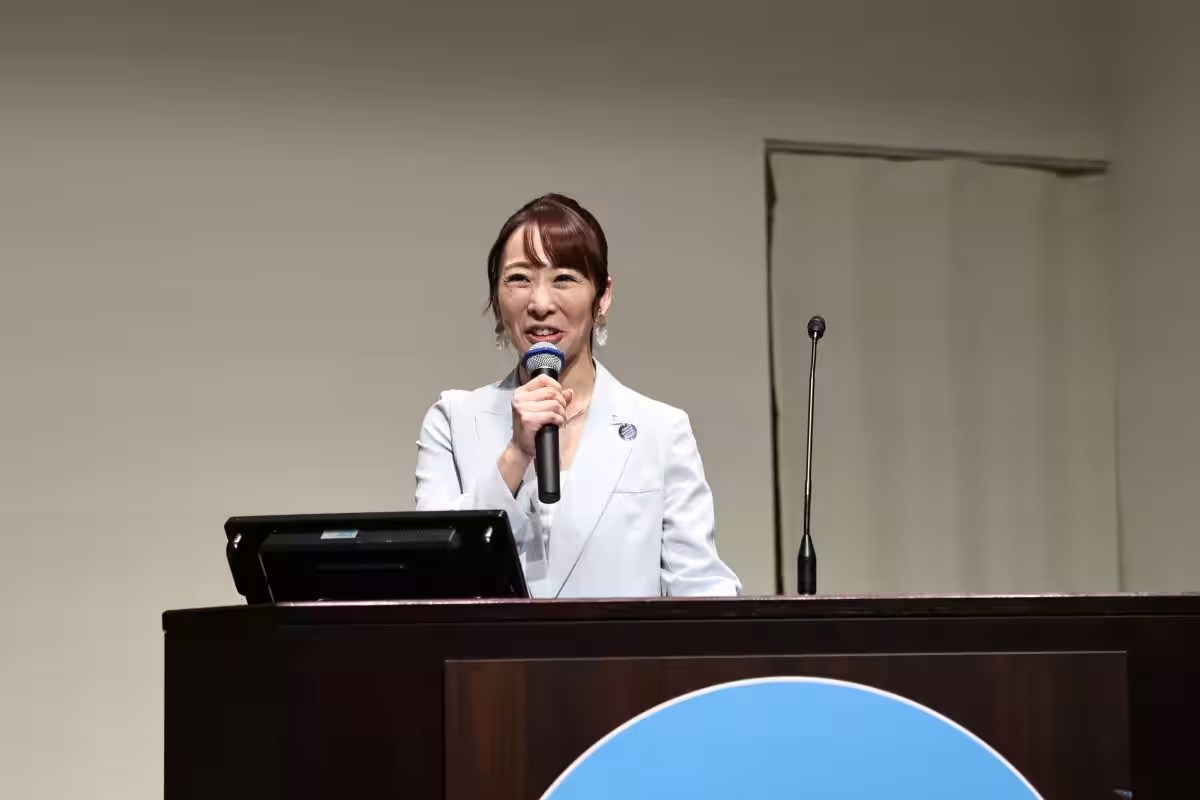
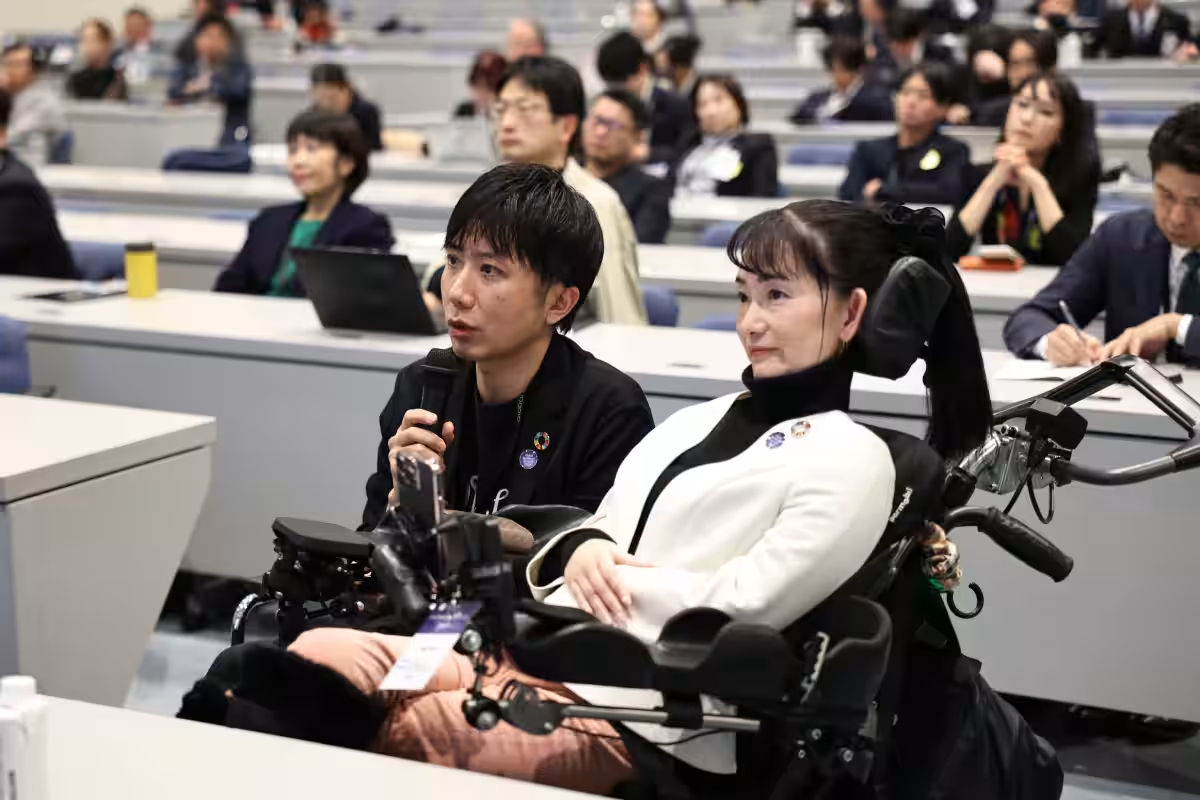
On March 1, 2026, the Japan Resilience Summit, organized by The Global Resilience Summit, will take place at the United Nations University headquarters in Shibuya, Tokyo. This event is part of the broader 'Global Resilience Summit 2026' initiative aimed at enhancing regional collaboration through mutual assistance and co-creation among various stakeholders. Around 300 participants, including regional leaders, government officials, business representatives, and youth from all 47 prefectures of Japan, are expected to convene.
Addressing Challenges in a Changing World
Given the increasing frequency and severity of natural disasters, as well as issues such as declining populations and other regional challenges, the summit will focus on the importance of regional collaborations based on the themes of mutual assistance and co-creation. Participants will share insights and best practices from their respective areas, fostering networks that extend beyond individual sectors and regions. This collaborative approach is crucial for generating actionable results moving forward.
National Responsibilities and Shared Themes
During the summit, leaders involved in disaster management and social issue resolution across Japan will come together to share their experiences and recognize common challenges. Notable shared topics include:
- - Preparedness for natural disasters
- - Addressing population decline
- - Sustainability of local economies
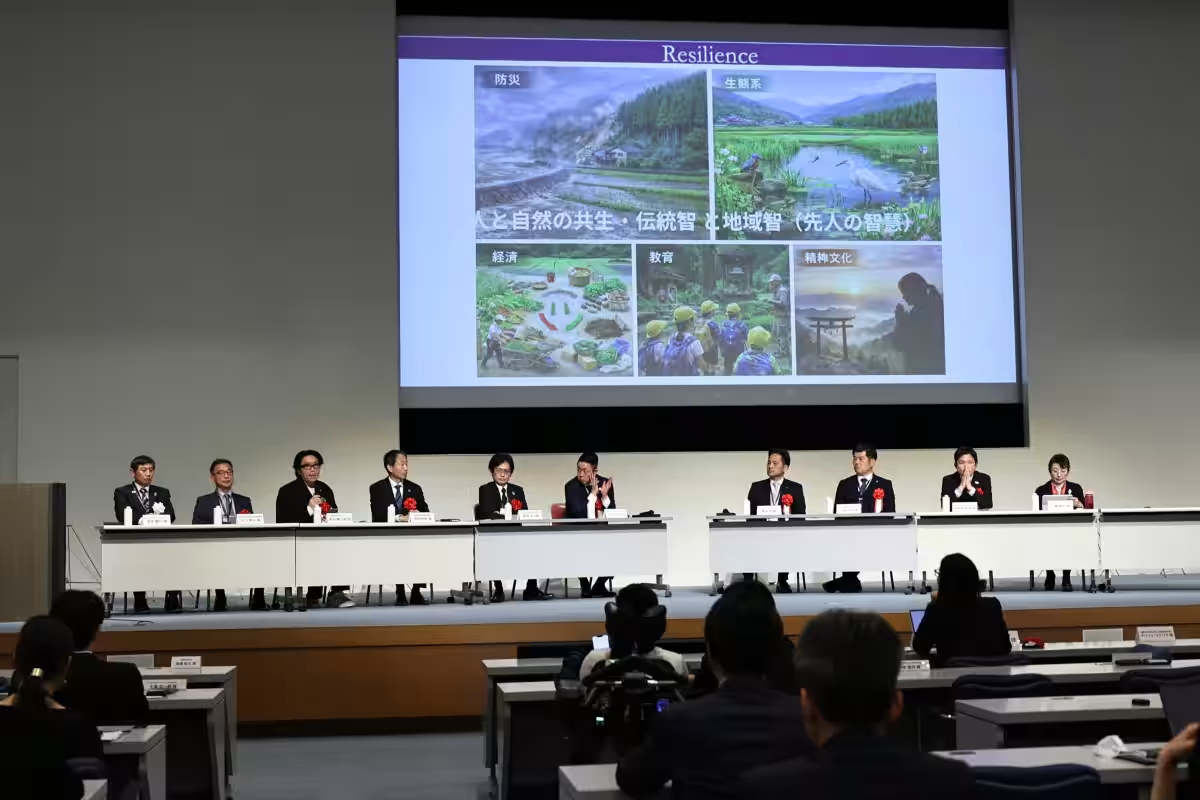
One of the notable sessions will explore 'What Resilience Means in Japan — Five Fundamental Insights Every Regional Leader Should Know.' This segment will offer a comprehensive analysis of universal risks in a disaster-prone country like Japan and will envision the future 30 years from now, emphasizing coexistence between people and nature, as well as leveraging the wisdom of past generations.
Perspectives from Keynote Speakers
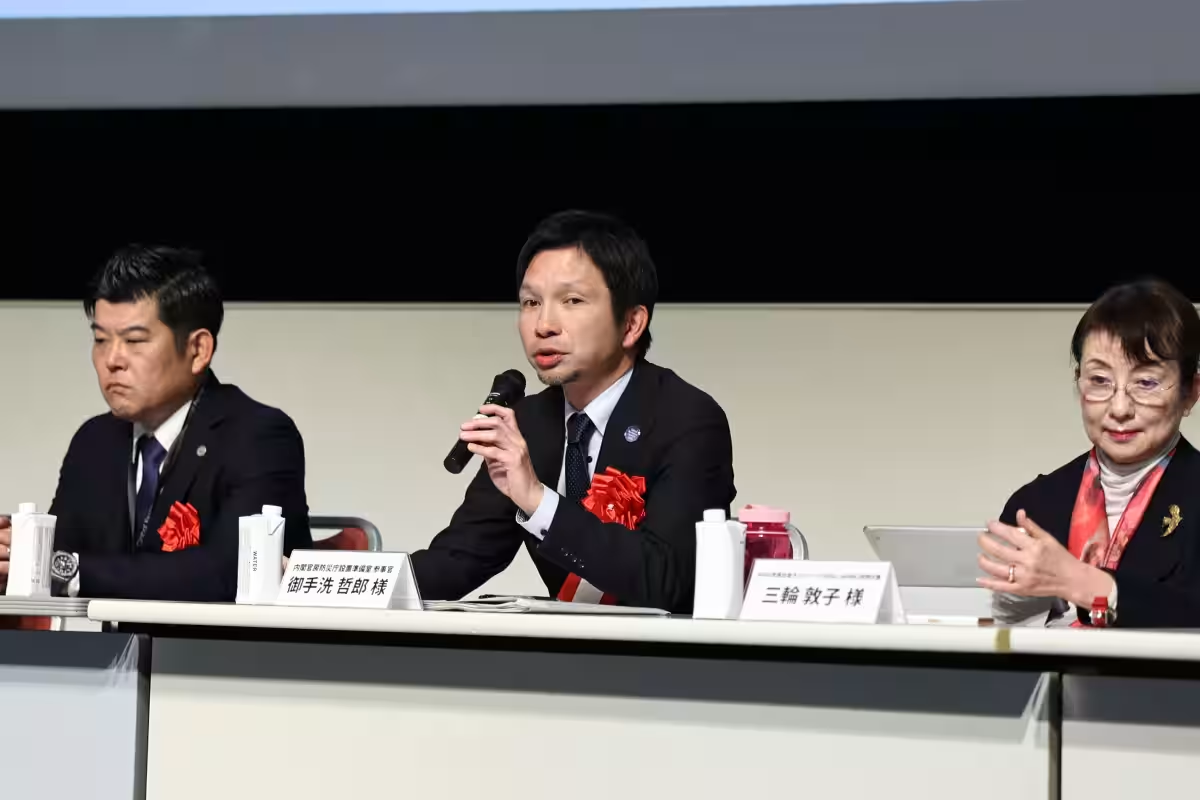
The summit will feature a range of prominent speakers from diverse backgrounds. Notable figures include:
- - Yoshiaki Kaneda, Special Appointed Professor at Kagawa University's Disaster Management Education and Research Institute
- - Masato Taniguchi, Special Appointed Professor at the Integrated Research System for Sustainability Science
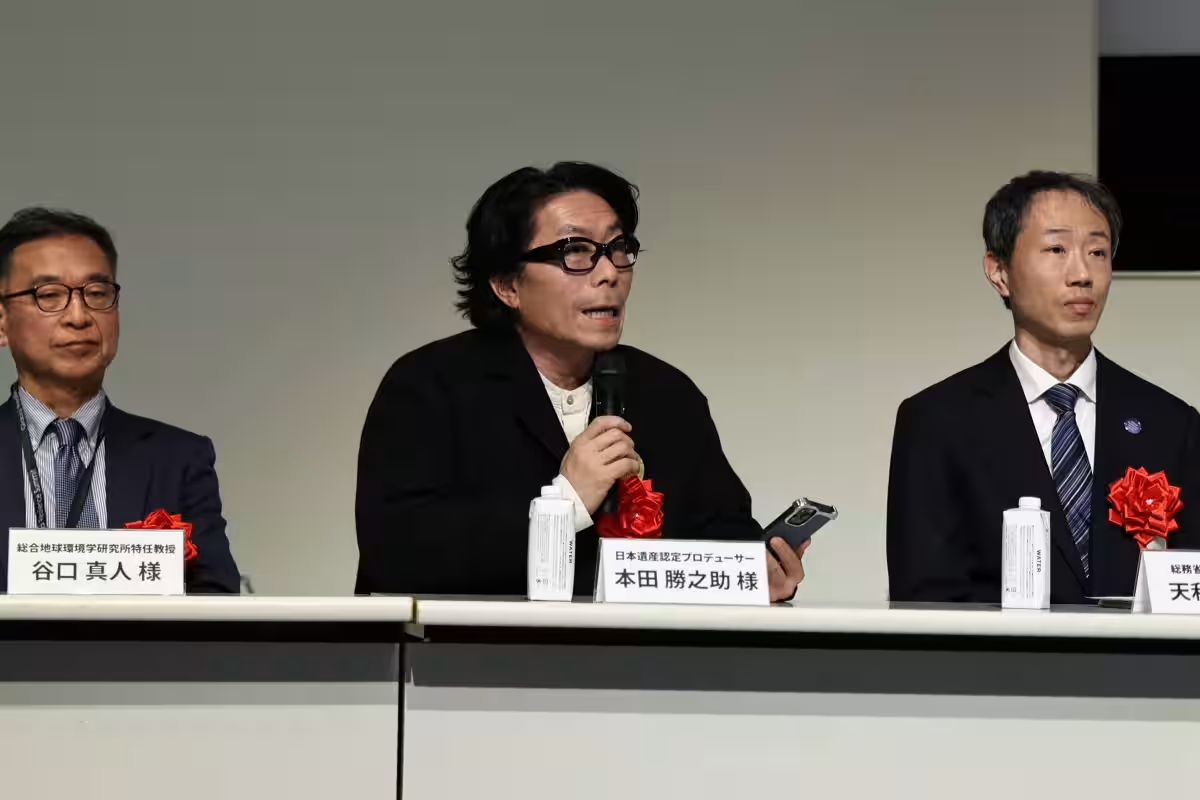
- - Katsuyuki Honda, Head Producer of Japan Heritage
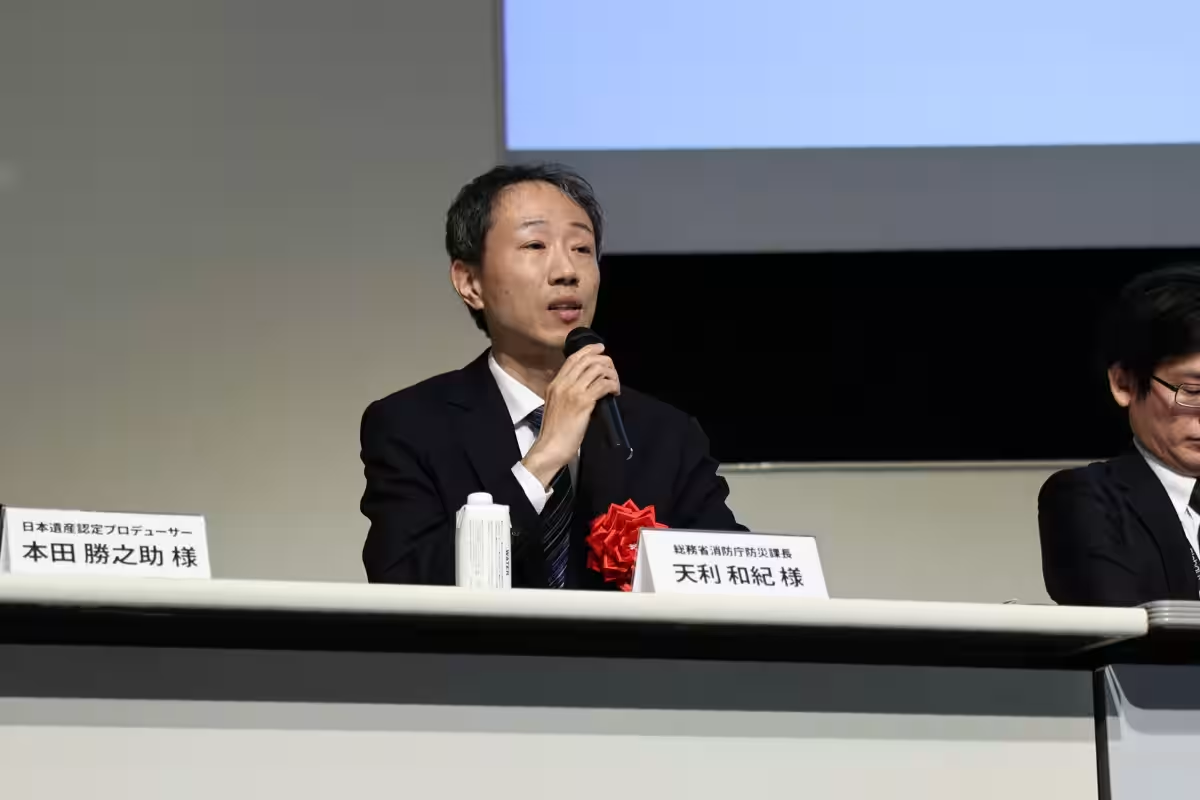
- - Kazuki Amano, Director of the Disaster Management Division at the Ministry of Internal Affairs and Communications
These experts will provide multifaceted viewpoints on regional resilience, reinforcing the fundamental understandings that local leaders should adopt.
Importance of Collaboration
The significance of 'mutual assistance' and 'co-creation' will be a central theme throughout the summit. The discussions aim to affirm the necessity for collaboration among government, businesses, academia, and citizens, emphasizing that leveraging each entity’s strengths can significantly enhance regional resilience.
Practical Dialogue and Networking Opportunities
The summit will facilitate practical dialogue and networking opportunities across various sectors. Participants will discuss examples of successful regional initiatives and explore collaborative solutions to common challenges. The event will also encourage relationship-building among attendees, potentially leading to future partnerships and projects.
About The Global Resilience Summit
The Global Resilience Summit is dedicated to creating a resilient and sustainable societal operating system by partnering with governmental, corporate, academic, and civic entities in Japan and globally. Their vision, 'Road to 2030: Making Resilience Knowledge Infrastructure,' aims to not only host international summits but also implement regional projects, educational programs, and international awards to promote the transition from summit discussions to societal implementation, ultimately expanding the Japanese resilience model to a global platform.
Conclusion
As Japan faces escalating natural disaster risks and evolving social issues, the Japan Resilience Summit represents an essential gathering for regional leaders to collaborate, share knowledge, and develop strategic approaches for building resilient communities. By leveraging collective wisdom and promoting cooperative initiatives, the summit will pave the way for sustainable growth and preparedness in the face of future challenges.
Topics Policy & Public Interest)
【About Using Articles】
You can freely use the title and article content by linking to the page where the article is posted.
※ Images cannot be used.
【About Links】
Links are free to use.