




Insight Into Senior Preferences for Pollen Allergy Management Solutions Beyond Pharmaceuticals
Exploring Senior Perspectives on Pollen Allergy Management
In a recent survey conducted by Cosmo Health, a marketing platform dedicated to seniors, insights into the pollen allergy management among individuals aged 50 and above were gathered. The report highlighted various aspects such as the prevalence of symptoms, their impact on daily life, and existing management strategies. This comprehensive analysis sheds light on the real-time challenges seniors face and the necessity for diverse support mechanisms.
Key Findings from the Survey
Prevalence of Symptoms
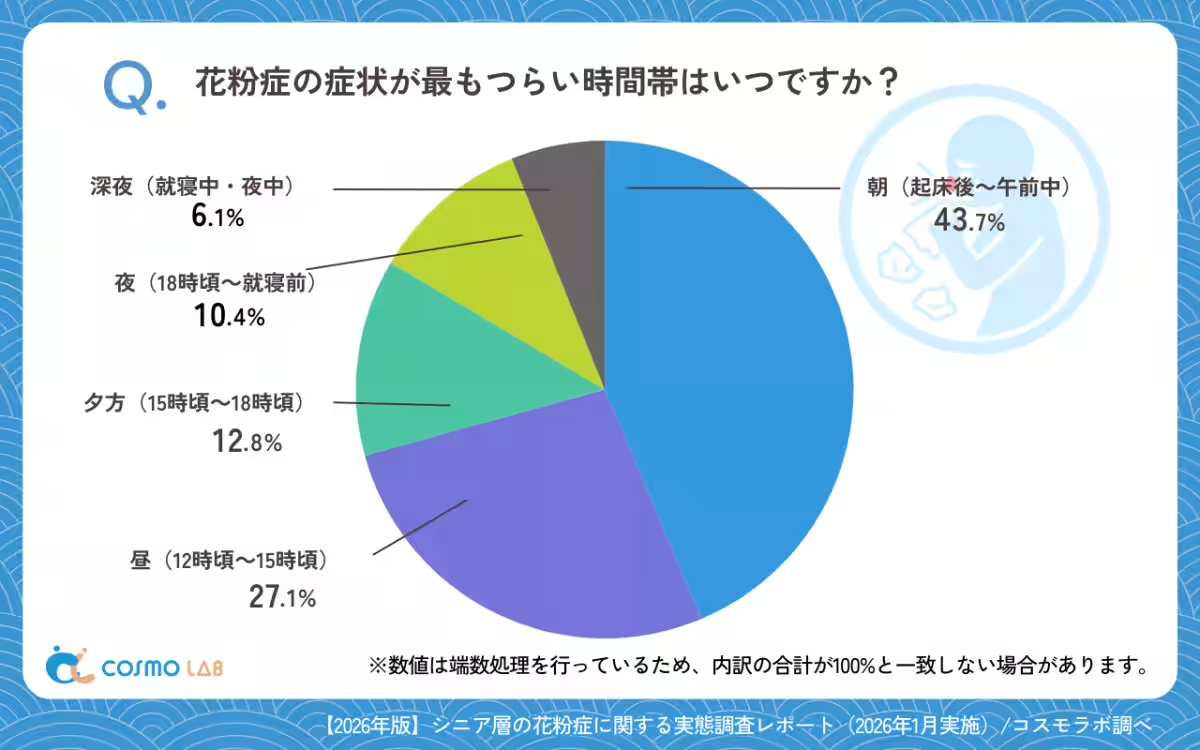
The survey revealed that nearly half of the participants (47.1%) experienced pollen allergy symptoms. Among them, the majority reported that the worst symptoms occurred in the morning hours, specifically between wake-up and mid-morning (43.7%). Such a pattern indicates a critical time for implementing effective preventative measures.
Impacts on Daily Life
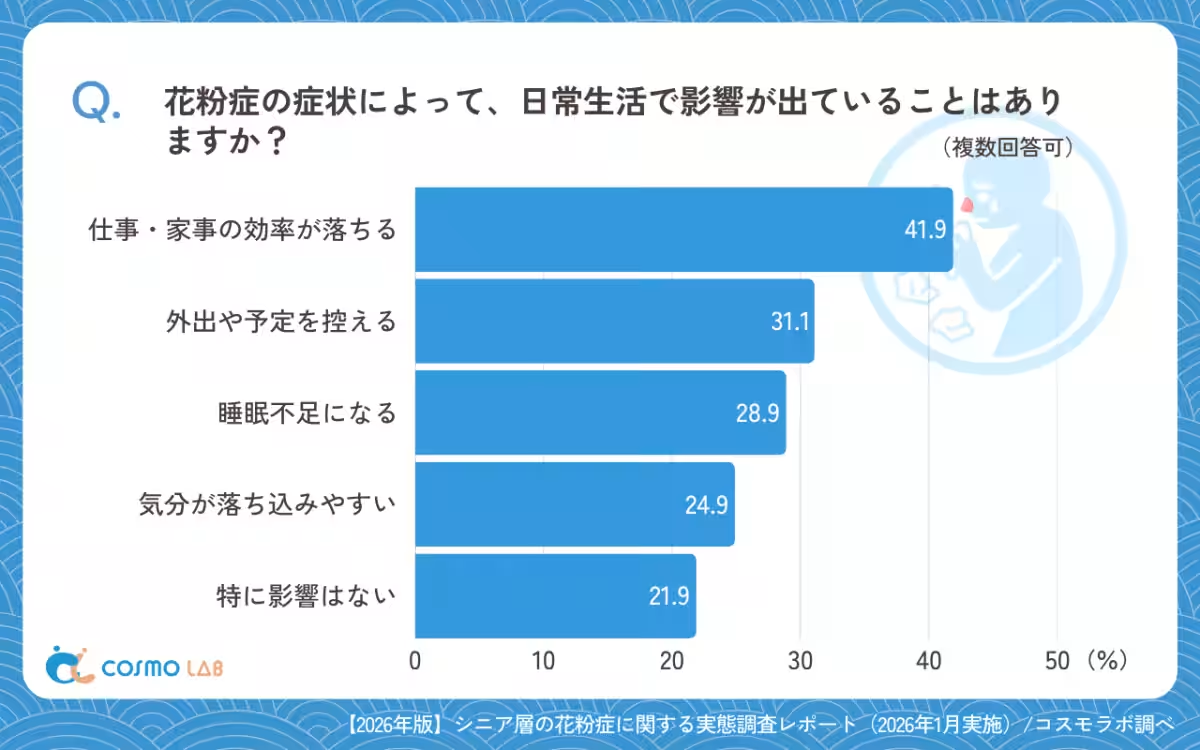
Notably, the results revealed a significant decline in concentration and daily efficiency. Around 41.9% admitted that their work and household tasks suffered due to these allergies, emphasizing the broader effects on productivity that pollen allergies can cause. The report suggests that pollen allergies not only hinder physical comfort but also impair overall performance, consequently affecting one’s quality of life.
Current Management Strategies
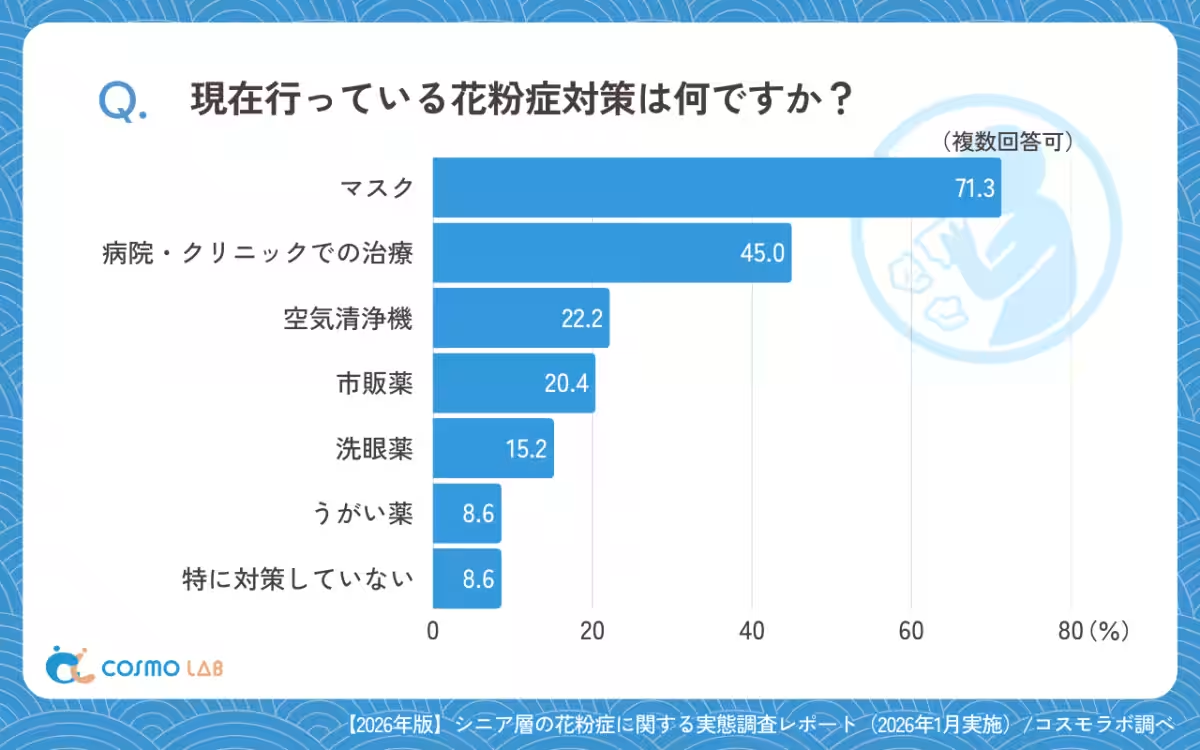
The survey identified that the primary strategy employed by seniors to counteract pollen allergies remains the use of masks, with 71.3% of respondents indicating this as their go-to solution. This was followed by medical treatment from healthcare professionals, as reported by 45.0% of participants. Interestingly, while many rely on these methods, they frequently encounter issues such as drowsiness and fatigue as noted by 31.3% of respondents, pointing to the need for alternative solutions that mitigate side effects while still being effective.
Information Gaps and Needs
Seniors expressed a desire for more accessible information tailored to their specific needs. There is a significant demand for concrete guidelines on dietary habits that could help manage pollen allergies, with over 53.6% of respondents indicating interest in recommended foods. Furthermore, the necessity for diverse, non-pharmaceutical interventions was evident, thus highlighting an opportunity for businesses focused on senior health to innovate and provide multifaceted resources.
Conclusion
The analysis underscores the dual necessity for effective pollen allergy management methods that cater to the senior demographic. It emphasizes the need for research and business opportunities in providing alternative solutions beyond just medication. As awareness of pollen allergies continues to grow, especially among seniors, there is an evident gap in tailored services and products catering to their unique needs. The focus should not just be on alleviating symptoms but also enhancing the quality of life for seniors living with these allergies.
For further insights and discussions related to senior health, Cosmo Health offers extensive resources and free consultations on senior marketing strategies.
Visit us at Cosmo Lab for more information.






Topics Health)
【About Using Articles】
You can freely use the title and article content by linking to the page where the article is posted.
※ Images cannot be used.
【About Links】
Links are free to use.